Restomod or Restoration? Cost and Value Difference
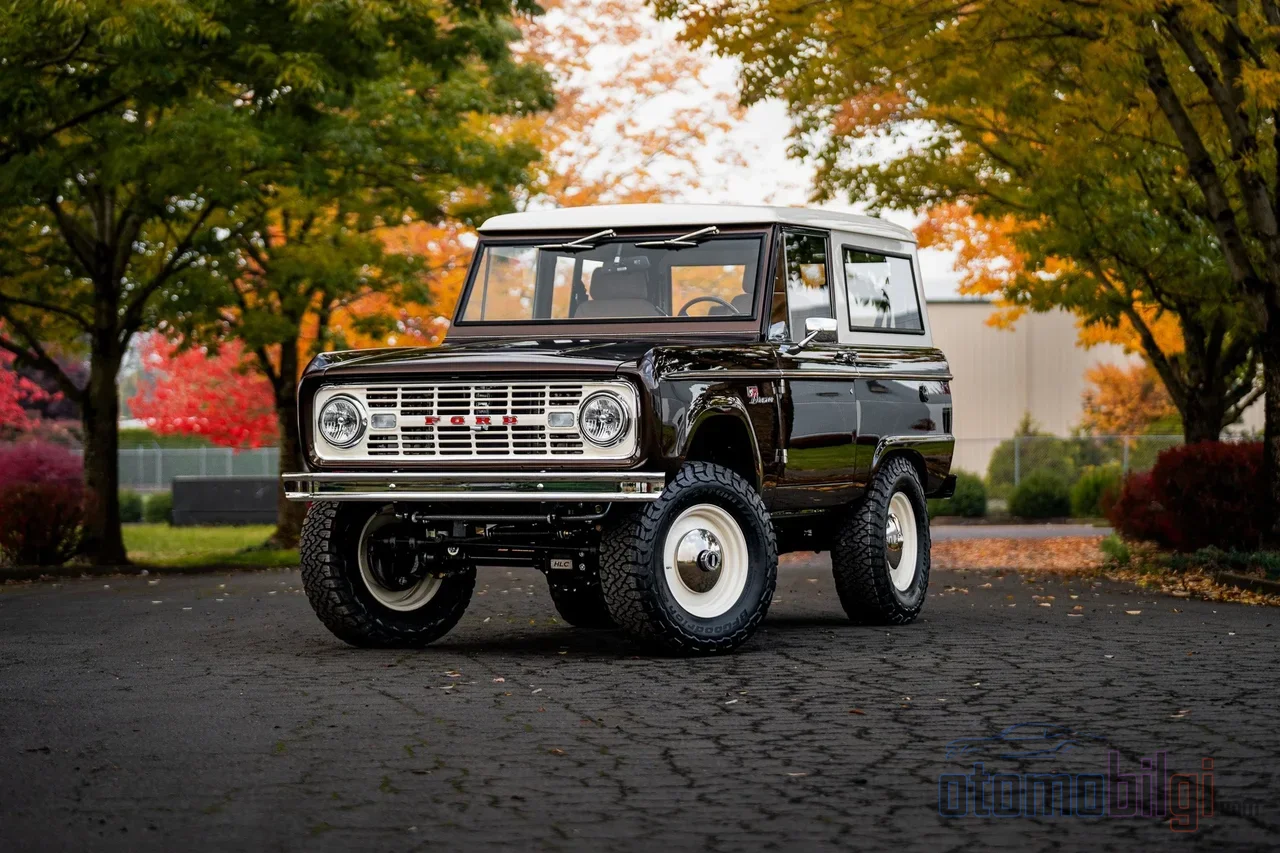
Say you have a classic in the garage. On a weekend morning, you turn the key, the engine hums, everyone turns to look. But then you notice the engine warming up at the traffic light, that vague feel of old drum brakes, and the inside turning into a sauna when the windows fog up. And you start to wonder: how much does modernizing this car - that is, doing a restomod - actually cost? The answer is not as clear-cut as you might think; because when people hear "restomod," electric conversion is the first thing that comes to mind, whereas the real story lies in brake, suspension, and comfort updates.
First, let's clarify something: a restomod means keeping the vehicle's exterior exactly as it is while replacing the mechanical and comfort systems behind the scenes with modern parts. That means you don't have to put a battery in your car. There is a broad spectrum ranging from mild to extreme, and electrification is just one of the options at the most expensive end of that spectrum. So how is the budget determined, which models make sense for this job, and when should you never sacrifice originality? Let's take a look one by one.
What Is a Restomod, and How Does It Differ from a Restoration?
A restoration aims to return the vehicle to its factory-fresh state or to its correct period-correct parts. Every screw, every stitch stays faithful to the original. A restomod is a completely different philosophy: the body and silhouette stay old, but the world beneath them is renewed. Disc brakes with ABS, reinforced three-point seat belts, digital instrument panels, electronic fuel injection with Bluetooth, even air conditioning... In other words, a modern heart transplant into a classic body.
The spectrum is wide: a light build with updated brakes and air conditioning that looks completely original from the outside is also a restomod; and so is an example that has been almost re-engineered from scratch with a new chassis, modern suspension, and a high-performance drivetrain. The trend focusing especially on modern handling and braking is called pro-touring. It's also different from a custom build: in a custom, the body and style change too, while in a restomod the character is preserved from the outside.
Meanwhile, get familiar with a few terms, because you'll hear them a lot when we talk about price: numbers-matching means the vehicle has its original engine and transmission, and it's worth its weight in gold for collectors. NOS refers to original spare parts that have never been installed; and a survivor is a vehicle that has remained unrestored and largely original. Driver quality, on the other hand, describes vehicles that are usable but not of showroom quality. These are not just jargon; as we'll see shortly, which category your vehicle falls into directly affects the restomod decision.
How Much Does Modernizing a Classic Car Cost?
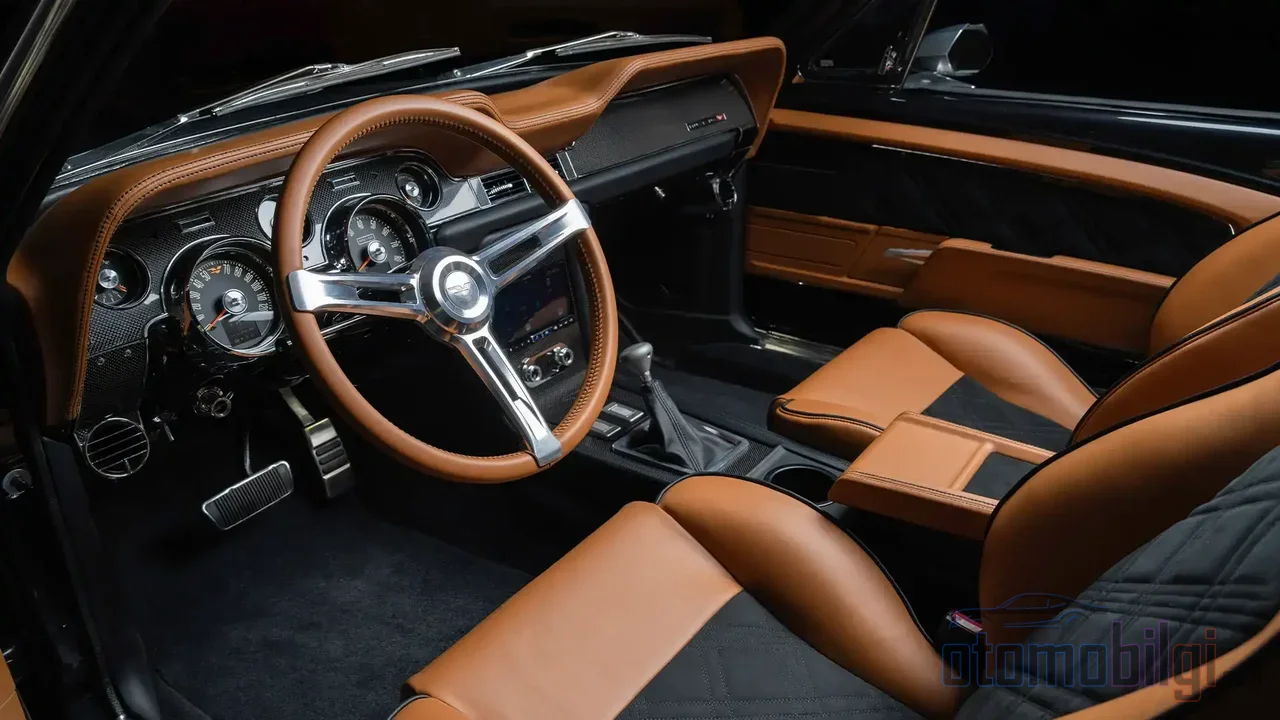
Now let's get to the heart of the question. The figures range across a massive span depending on the scope of the work you have done, and because this market is international, we need to talk in dollar terms.
Highlights
- A full-scale professional restomod typically starts at $189,000.
- A complete aftermarket air conditioning system for a classic vehicle, with components, runs $2,000-5,000.
- A full electric conversion ranges from $75,000-$175,000+ and can take 1-2 years.
- Most accessible upgrade: A CarPlay-compatible wireless screen starts at around $180.
- Safety upgrades (disc brakes, LED, belt reinforcement) are the items that preserve originality the most while delivering the greatest returns.
Electric Conversion: The Expensive End of the Spectrum
Let's also touch on electricity for comparison, because the numbers are striking: for a small classic, conversion parts alone run around $20,000-$23,500. Depending on the complexity of the conversion, the total cost can stretch to $20,000-$50,000. For a hybrid retrofit, figures are in the range of $54,000-$69,000; a full EV conversion can climb from $75,000 to over $175,000, with a timeline reaching 1-2 years. Tesla drivetrain swaps go for $100,000-$175,000 and beyond.
There is a widespread concern that electrification kills the soul of the classic. The counterargument goes like this: character lives in the body, the proportions and the craftsmanship; the drivetrain alone is not the vehicle's identity. You will be the judge in this debate, but one thing is certain: electric conversion is the most expensive and time-consuming restomod option. A restomod approach focused on brakes, suspension and comfort, on the other hand, delivers genuinely usable capability with far more reasonable budgets.
Brake, Suspension and Comfort Items
An air conditioning conversion, for a complete aftermarket system, generally ranges from $2,000-$5,000 for components alone. But be careful: installation, condenser placement and radiator capacity labor are extra. In restored Defender examples, vehicle prices stretch from $55,000 to well over $100,000, which reveals the market value of a finished project. A wireless Apple CarPlay-compatible screen, on the other hand, can be mounted under the dashboard at the entry level for around $180, while preserving the original dashboard; so even if your budget is tight, there is a door leading to technological comfort.
Which Upgrade Should You Do First? A Practical Order
There is a very important order of work here, and skipping it burns both your budget and your patience. First, structural issues and rust must be addressed. Then brakes, steering, suspension and tires. Next, overheating, fuel and starting problems. After that, the electrical infrastructure, and last of all comfort and performance. In short, a solid chassis before a beautiful cockpit; just as you can't paint a building before laying the foundation, you know.
On the suspension side, worn bushings, tie rods, springs and shock absorbers should be renewed first; often this alone delivers the desired improvement. If that's not enough, modern or adjustable shock absorbers, reinforced stabilizer bars, coilovers and rack-and-pinion steering conversions come into play. Avoid excessive lowering or overly stiff components; they reduce suspension travel and ruin comfort. In the suspension and brake combination, the correct order is: front suspension first, then rear, then brakes, and steering last.
There is a critical distinction when it comes to brakes: disc brake conversion provides more consistent braking as it heats up, but automatic installation is not necessary for every classic. If you drive the car lightly and your priority is originality, a properly restored drum brake system may be sufficient. If you are going to do the conversion, think of it as a complete system change: master cylinder compatibility, pedal ratio, hoses, wheel-caliper clearance and tire condition must all be addressed at once.
On the safety side there is a clear priority: brakes, seat belts and lighting. Disc brakes, LED lighting and belt upgrades deliver the highest return while affecting originality the least. When switching to LED, replacing the mechanical thermal flasher with an electronic flasher is a must, otherwise the signals malfunction. Electronic injection also offers easy starting in frequently used vehicles, but the carburetor remains a valid choice for those who want originality and mechanical simplicity.
Does a Restomod Increase or Decrease Value?
Here is the most debated part of the question. And let's be honest: there is no clear answer, because the answer depends on the vehicle and the quality of the work. Upgrades do not automatically increase value. Professionally installed updates appeal to buyers looking for driving comfort and reliability, while permanent modifications can reduce the interest of collectors seeking factory-original cars. The effect on value; is shaped by rarity, originality, quality of installation, documentation and buyer preferences.
The opposing view is also strong: a well-executed, high-quality restomod can command a higher price than an original example, and buyers want modern performance, air conditioning and brake upgrades. On the other hand, numbers-matching original classics generally fetch higher prices and carry historical value. Turkish-language sources also point in the same direction: the critical factor determining a classic car's value is how much of its originality it has preserved. The evaluation criteria also differ: restorations are judged on accuracy and condition, while restomods are judged on engineering, finish quality and the reputation of their builders.
The Compromise Formula: Reversibility
So are we stuck between two worlds? No. The solution is called reversible modifications. Keep and label all the original parts you remove, avoid cutting the dashboard or body, use period-style controls and keep invoices organized. Stored OEM parts significantly increase the car's future reversibility value. Even when installing air conditioning, look for systems that do not require cutting the dashboard and use existing mounting points.
In Which Case Is Sacrificing Originality Sensible, and When Is It Harmful?
The decision framework becomes clear with these questions before the budget: How and how much will you use the car, which problems do you need to solve, how much originality will you preserve, and should the modifications be reversible?
- A factory-original, rare collector car: don't touch it. Modifications can seriously reduce its collectible value.
- Weekend cruiser: reversible upgrades like brakes, lighting and air conditioning make sense for both safety and comfort.
- For a vehicle that will be driven frequently and over long distances: disc brakes, modern suspension, electronic injection and air conditioning are almost mandatory; concern for originality can take a back seat.
The general rule is: safety and usability upgrades (disc brakes, LED, seat belts) first, digital and drivetrain technologies later, depending on budget and purpose. It is also possible and common to convert a restored car into a restomod later on; but modifying a correctly done restoration eliminates the originality that gives the car its collector value. Once again, the same advice: keep the original parts.
The quality of workmanship should never be underestimated. In the restomod market, the quality of the finish and engineering determines the price as much as the vehicle itself. Before working with a builder, ask the following: the car's history with before-and-after photos, which parts are original, reproduction or modern (in a written list), who engineered the modern systems, a written list of safety equipment, and how warranty and scope changes are priced. Good workmanship and choosing the right craftsman are also emphasized in Turkish sources; some craftsmen accept only 3 orders per year.
Short Answer: How Much Does a Restomod Hold Its Value - Is It Worth It?
To summarize: modernizing a classic car spans a wide budget range, from small touches like a $180 screen to full projects exceeding $189,000; a restomod focused on brakes, suspension and comfort is far more accessible than electric conversions exceeding $75,000. The answer to the value question is not a one-word answer: in a rare, numbers-matching collector car, originality gains value, while in cars that will be driven regularly, well-crafted reversible upgrades increase both the use value and the pool of potential buyers. The restomod decision should be made not for a guaranteed financial return, but to support how you will use the car. Once that is clear, the classic in your garage is waiting for you.
Sources
- Best Classic Car Restomod Upgrades | Huntington Beach
- Modern Classic vs Restomod vs Restoration
- Modern Tech Upgrades for Classic Vehicles: 2026 Guide
- Classic Cars Are Getting Modernized. Here's What A ...
- Restomod vs Original: When Modifications Increase Value
- Restoration vs Restomod
- The True Classic Car Air Conditioning Upgrade Cost
- EV Conversion FAQ
- Stock vs. Modified
- Things to Consider When Buying a Classic Car