Was the Ferrari in Ferris Bueller Real?
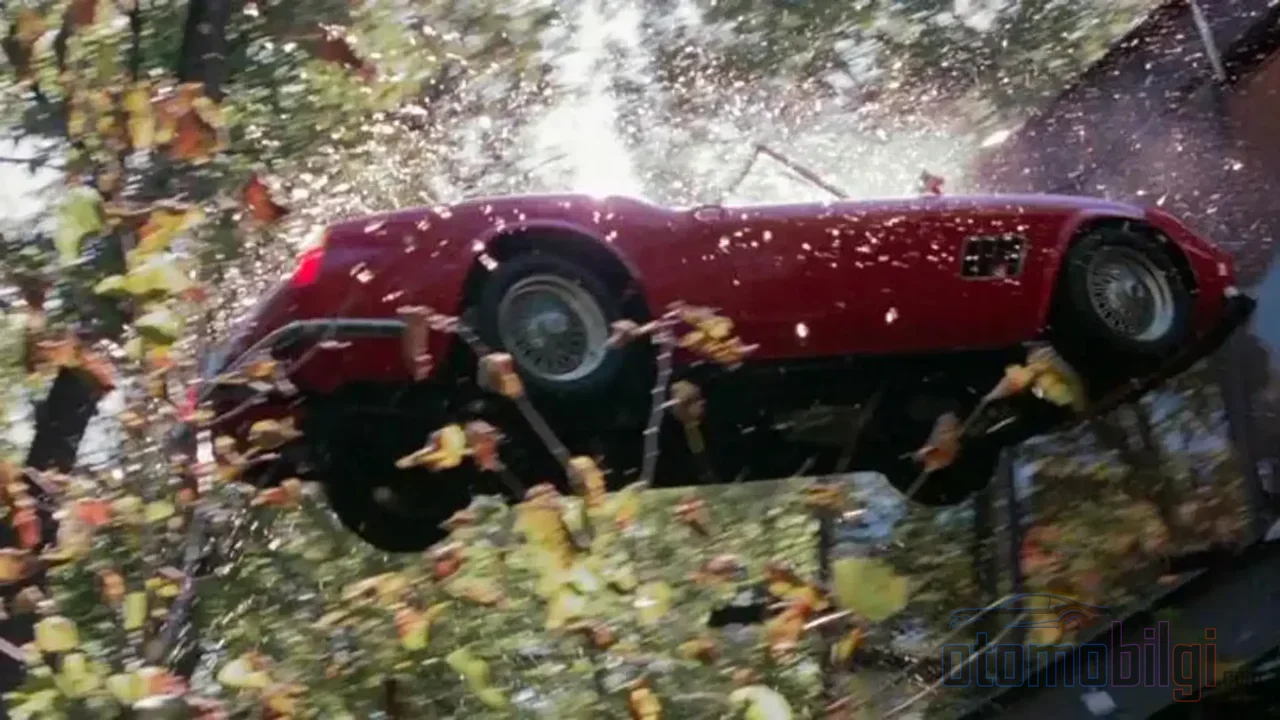
A Ferrari thrown through a garage's glass window and crushed-isn't that one of the most famous cars in cinema history? When most people watched that scene, something inside them broke: Just think, how valuable that Ferrari was! But here's the interesting part: The car destroyed on screen was never a real Ferrari. In fact, none of the cars that appeared on camera in the film were real. So where does that legendary feeling on screen come from?
John Hughes' Dream Car Was Actually a Mercedes
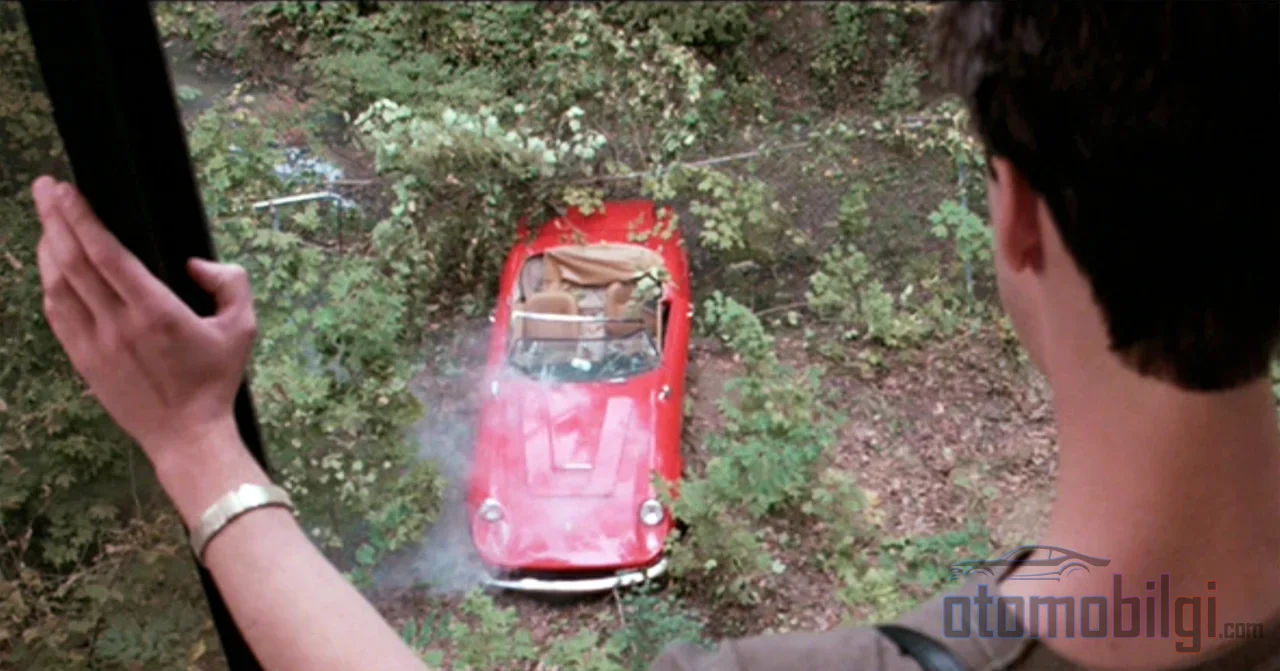
When John Hughes was writing his film Ferris Bueller's Day Off, the 1986 classic also known as Ferris Bueller's Day Off, he planned for Ferris's friend Cameron to borrow his father's car, but at first this car was going to be a Ferrari-it was actually going to be a Mercedes. However, Hughes sees a replica called the Modena Spyder California in a car magazine and realizes it captures exactly the feeling he was looking for. This vehicle, produced by Modena Design and Development, founded by Neil Glassmoyer and Mark Goyette in California, turns out to be the perfect choice for the film. In other words, the film crew never even touched a real 250 GT California.
Highlights
- The Modena Spyder California replica that served as the film's "Ferrari" was a copy equipped with a Ford V8 engine.
- Only 56 units of the real 1961 Ferrari 250 GT California were ever produced.
- The vehicle in the crash scene was a non-functioning shell made of fiberglass.
- The replica from the film's famous scene was sold at auction for $337,500.
The Real Ferrari Was There in the Close-Ups
Okay, but what happens when the camera gets very close? This is where the real Ferrari enters the stage. Hughes himself explains it in the DVD commentary: For the close-up, or insert shots, a real 250 GT California was brought into the studio. The vehicles seen in the film's wide shots, on the other hand, were clearly copies. Hughes explains the reason very clearly: There were only about 100 of them in the world (some sources say 56), and destroying even one would have been far too expensive. So several replicas were ordered for the shoot. Just think-buying several replica cars for a film makes more sense than a real, legendary Ferrari. It makes sense, but isn't it also crazy at the same time?
How Was the Crash Scene Filmed?
Now let's get to the question everyone's really curious about: Cameron's father's car, in that famous scene where it falls through the garage's glass window and gets crushed. The vehicle used in this scene was not a real Ferrari, and it didn't even run. Glassmoyer and Goyette built a fiberglass shell specifically to be destroyed for this scene. According to Alan Ruck, the crash car was a fiberglass body mounted on a Mustang chassis. Ruck openly says rather unflattering things about these replicas-in other words, even the lead actor knew these cars weren't real.
The Destroyed Windows and Reinforced Walls
The crash scene's location is Cameron's modernist home, the Ben Rose House, located in Highland Park, Illinois. The main structure was designed in 1954 by architect A. James Speyer, while the pavilion was the work of David Haid in 1974. Here's a very interesting detail: Every glass panel in the house was already weakened by aging and had a similar tint, so all the glass in the house was removed for the shoot. Haid reinforced the wall connections as well. The rest of the building was unharmed, but Hughes owed Haid: Haid said he owed Hughes $25,000, and Hughes paid it. Stripping a house of its glass and reinforcing its walls for a film scene is, in my opinion, one of the most creative solutions I can think of in the world of cinema.
What Were the Technical Specifications of the Replica?
So what was this car, which looked like a Ferrari on screen, actually? At the heart of the driveable replica beat a 1974 302 cid (5.0 L) Ford V8 engine, paired with a C-4 automatic transmission. It had a front-engine, rear-wheel-drive layout. There's even an interesting rumor about why an automatic transmission was chosen: Matthew Broderick couldn't drive a manual. The design was by Bob Webb; Webb was a serious name who had previously worked on Roger Penske's and Bruce McLaren's Zerex Special. The fiberglass body sat on a custom tube-frame chassis built by David Turley.
Looking at where the parts came from, we encounter a hybrid construction:
- Torsion bar suspension at the front and rear
- Ford Mustang A-arms up front, Ford Mustang solid axle at the rear
- The windshield came from a Fiat Spider 124
- The tail lights came from a VW Type 3
- The speedometer (seen in close-ups) came from a Jaguar E-Type
So Ford, Fiat, VW, and Jaguar parts all in one place. As if it was born in a classic car mechanic's garage, right?
Why Did Replicas Become So Valuable at Auctions?
Here's an irony for you: A vehicle crushed on screen in cinema history becomes a favorite of the collector world years later. One of the replicas used in the film's famous scene sold at the Barrett-Jackson Scottsdale auction in December 2022 for $337,500. And pay attention: This car didn't run - it was a "display-only" prop with no road handling. The opening bid was $100,000. In March 2023, another Ferris Bueller replica found a buyer for $313,000 including all fees. In 2024, a 1993 Modena replica (said to be one of about 50 examples) sold at a reserve auction for $120,000. While prices in the classic car market were generally softening, the rise of these replicas is a truly remarkable exception.
Where Did the Replica from the Jump Scene End Up?
The replica from the film's famous jump scene was seriously damaged during filming and was believed lost for years. Then it reappeared in repaired form and sold at a museum in London in 2010 for $122,000. So the vehicle that survived the most famous crash scene in cinema history traveled the world and found a collector. I think the value of film replicas comes more from their stories than from their actual worth.
How Rare and Valuable Is the Real 250 GT California?
So how valuable is the real car? Only 56 examples of the 1961 Ferrari 250 GT California were produced (some sources cite a figure of around 100, and Hughes's own account points in that direction). A genuine 250 GT California sold in 2016 for $17 million, and another sold in 2015 for a record $18.5 million. The highest auction sale of the 2026 Amelia Island car week also came from the same family: the 1960 250 GT SWB California Spider, at $16,505,000. So a real Ferrari resembling the one crushed in the film is still worth millions of dollars today. Which makes the value of the replicas all the more meaningful.
Were These Cars, Then Known as "Fauxarris," Actually Real?
Fans of the film gave the replica the nickname Fauxarris, meaning a fake Ferrari. The rise in value of replicas is still met with surprise in the collector world. Because when you think about it, it's genuinely interesting: Paying $337,500 for a prop that isn't drivable... Moreover, the story doesn't end particularly happily for Modena Design. The company faced a trademark and design infringement lawsuit for using the Ferrari badges without a license, and Glassmoyer and Goyette went bankrupt due to legal costs. On one side, a legendary movie car; on the other, bankrupted manufacturers. Cinema history really is merciless, isn't it?
So Was the Ferrari in Ferris Bueller Real?
The answer is clear: No. None of the cars that appeared on camera in the film was a real Ferrari; all three vehicles were replicas built by Modena Design. A genuine 250 GT California was used only in close-up shots, while the car in the crash scene was a non-functional fiberglass shell. But here's the beautiful part: That moment we see on screen managed to become one of the most unforgettable scenes in cinema history. The fact that the replicas sell for hundreds of thousands of dollars today really proves one thing: Sometimes things that aren't real can tell a story more valuable than reality. Would you, if it were you, have shot that scene with a real Ferrari?
Sources
- Movie Cars: Five Facts About That Ferrari in "Ferris Bueller's Day Off" - Revs Institute
- Ferris Bueller's Day Off - Wikipedia
- Ferrari 250 GT California Spyder Replica by Modena - Sold | PCARMARKET
- Ferris Bueller's Faux Ferrari: A Replica with Real History - The Henry Ford
- Fun Facts About the Famous Ferrari in 'Ferris Bueller's Day Off' - Car and Driver
- Did Alan Ruck really crash a Ferrari? - NY Post
- The Modena Spyder California From "Ferris Bueller's Day Off" - Silodrome
- Ferris Bueller 1961 Ferrari 250 California Replica Brings $313K At Auction - Motor1
- Ferris Bueller Ferrari sold for almost $350,000 - Fortune
- 1961 Ferrari 250 GT SWB California Spider - Gooding & Company