What Did the Transition from Class 1 to GT3 Change in DTM?
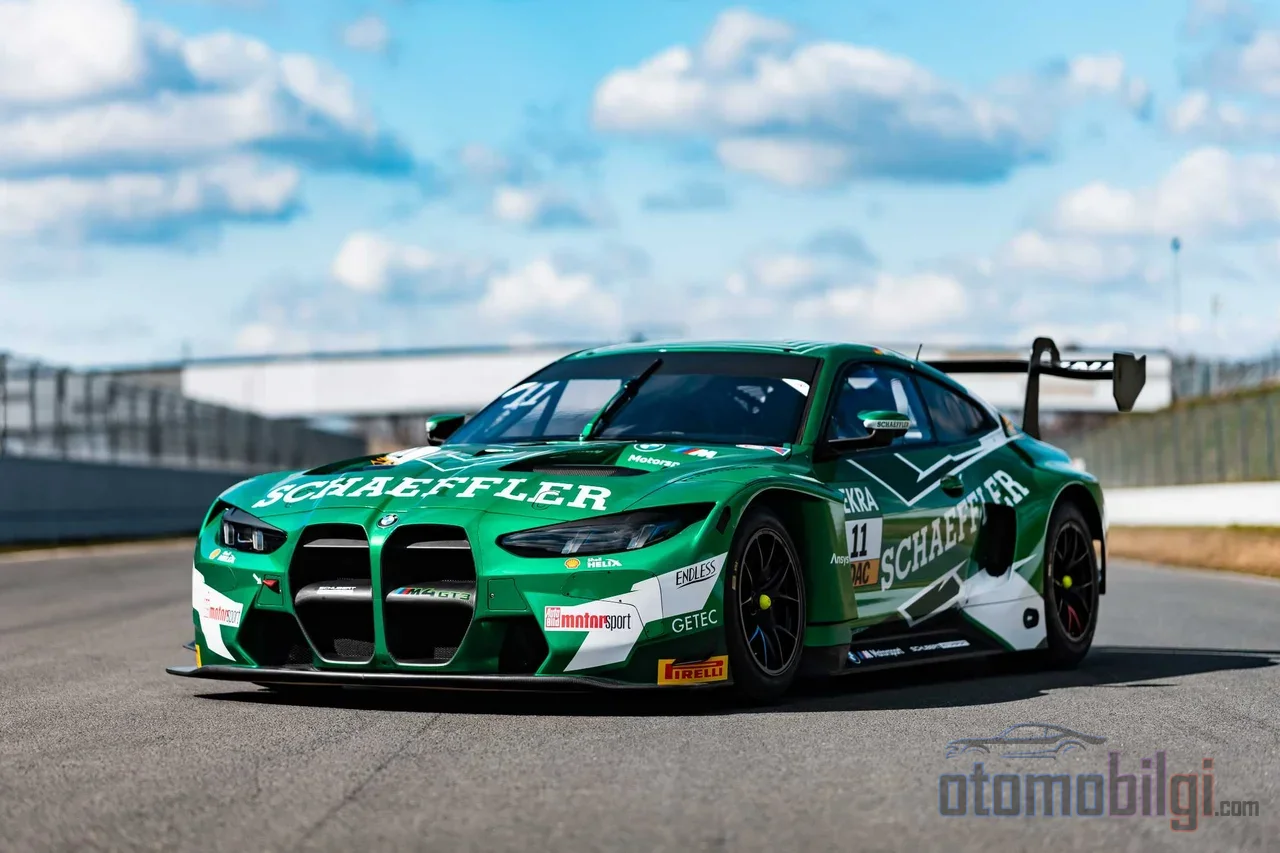
I remember the day I heard the news that Audi was withdrawing at the end of the 2020 season. One of the brands that beat at the heart of DTM was slamming the door, and the only thing left behind was a huge question mark: How would this championship race from now on? The answer was a move beyond many people's dreams: In 2021, DTM shelved the Class 1 prototypes and switched to GT3 cars. So what did this transition change? On this page, we will tackle the answer to that question in all its dimensions, from technical to commercial, from race format to championship identity.
If you're ready, let's begin. Because this story is actually a survival story, and it contains a lesson for everyone.
Why Couldn't Class 1 Be Sustained?
Let's start with a short flashback. Class 1 was the joint technical regulation between DTM and Japan's Super GT series. The cooperation agreement was signed in early 2014, and the final rules were approved in 2018. The goal was ambitious: To create incredibly fast, cylinder-like cars with identical rules on two continents. And technically, they really succeeded. But the commercial side of the business was a completely different story.
The essence of the problem was simple: Money. Class 1 cars were incredibly expensive. Aston Martin shut down the program for exactly this reason after racing with R-Motorsport for just one season. Audi, meanwhile, announced in April 2020 that it would leave after 2021, and this move effectively ended the alliance. While private teams were spending roughly 5-6 million euros per year and manufacturers between 30-50 million euros, fewer and fewer people wanted to buy that plane ticket.
The possibility of Japanese manufacturers rescuing DTM also remained on paper; they preferred to focus on their factory programs in Formula E and Super GT. In short, Class 1 was a beautiful but expensive dream, and the wake-up call came at the end of 2020.
Highlights
- In 2021, DTM switched from Class 1 to the GT3 format, and the series was built on private teams
- A GT3 car weighs about 1,300 kg, while Class 1 was about 1,000 kg
- A two-car DTM program exceeds 3 million euros per season
- In 2026 there are 16 sprint races and an expanding range of brands
Technical Differences Between Class 1 and GT3
Now let's head down to the garage. Although the Class 1 car looked like a touring car, it was actually a closed-cockpit formula car: 2.0-liter turbocharged inline four-cylinder supercharged engine (610 hp in 2019, +30 hp with push-to-pass), carbon fiber monocoque, carbon brakes, and banned traction control and ABS. It produced about 3.4 tons of downforce; in other words, when entering a fast corner, the car behaved as if it was glued to the rails.
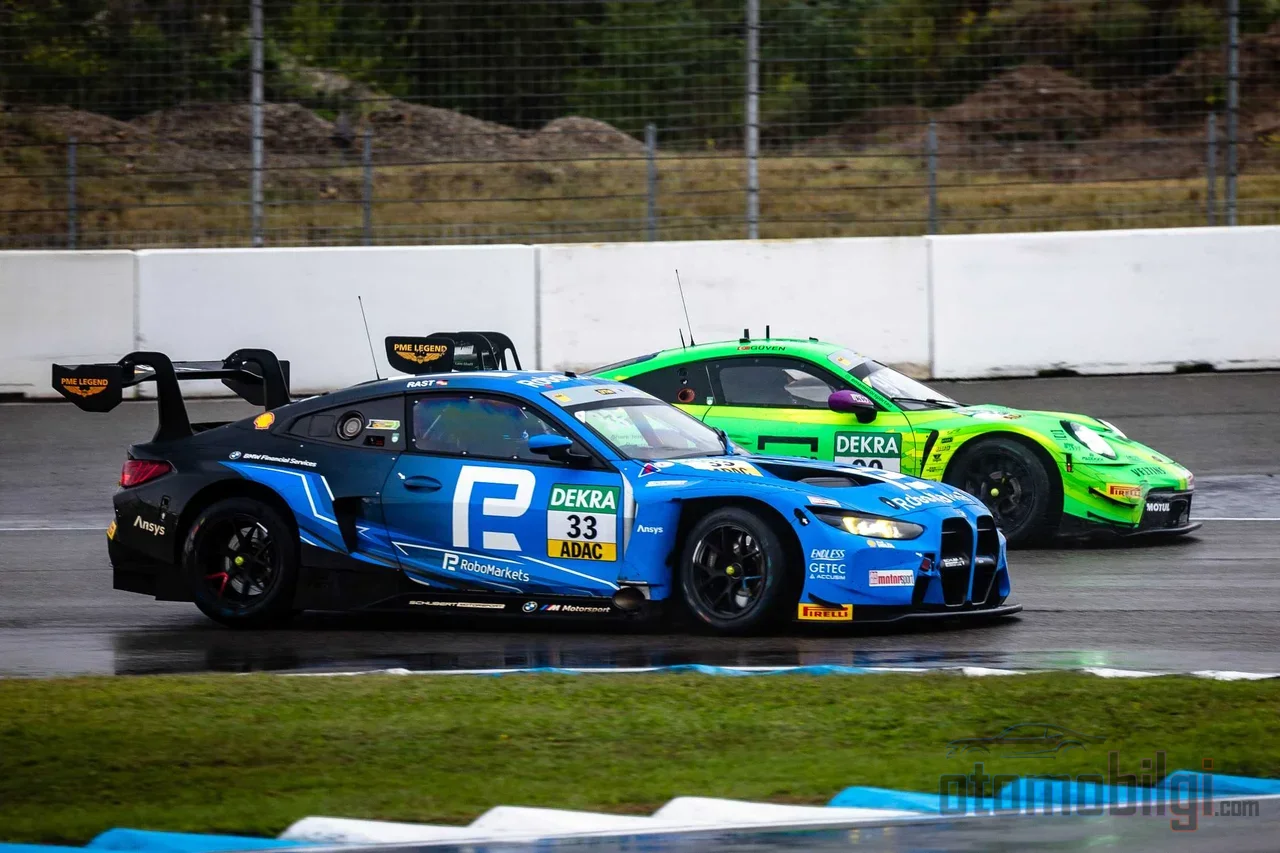
GT3 cars, on the other hand, follow a completely different philosophy. They are based on production sports cars, which makes them much more familiar to fans. With a weight of around 1,300 kg, they are noticeably heavier than Class 1, and their power is about 550 hp, roughly 100 hp less than Class 1. The downforce level is also much lower; this leaves the job to the driver's skill. Let me give you an analogy: While Class 1 is a scalpel with laboratory precision, the GT3 is a well-known but still very powerful kitchen knife.
| Feature | Class 1 | GT3 |
|---|---|---|
| Weight | Approximately 1,000-1,070 kg | Approximately 1,300 kg |
| Power | 580-610 hp (+push-to-pass) | Approximately 550 hp |
| Brakes | Carbon | Steel |
| Driver aids | Traction control and ABS banned | Traction control and ABS allowed |
| Basis | Purpose-built prototype | Production sports car |
Lap times naturally reflect this difference as well; At Hockenheim, GT3 laps are slightly slower than Class 1, because the monocoque and aerodynamic advantage are out of the picture. But here is the interesting part: DTM aimed to make itself the fastest GT3 championship in the world with an aggressive Balance of Performance (BoP) application. In other words, the slow format, kept fast by the balance setting.
How Did the Race Format Change?
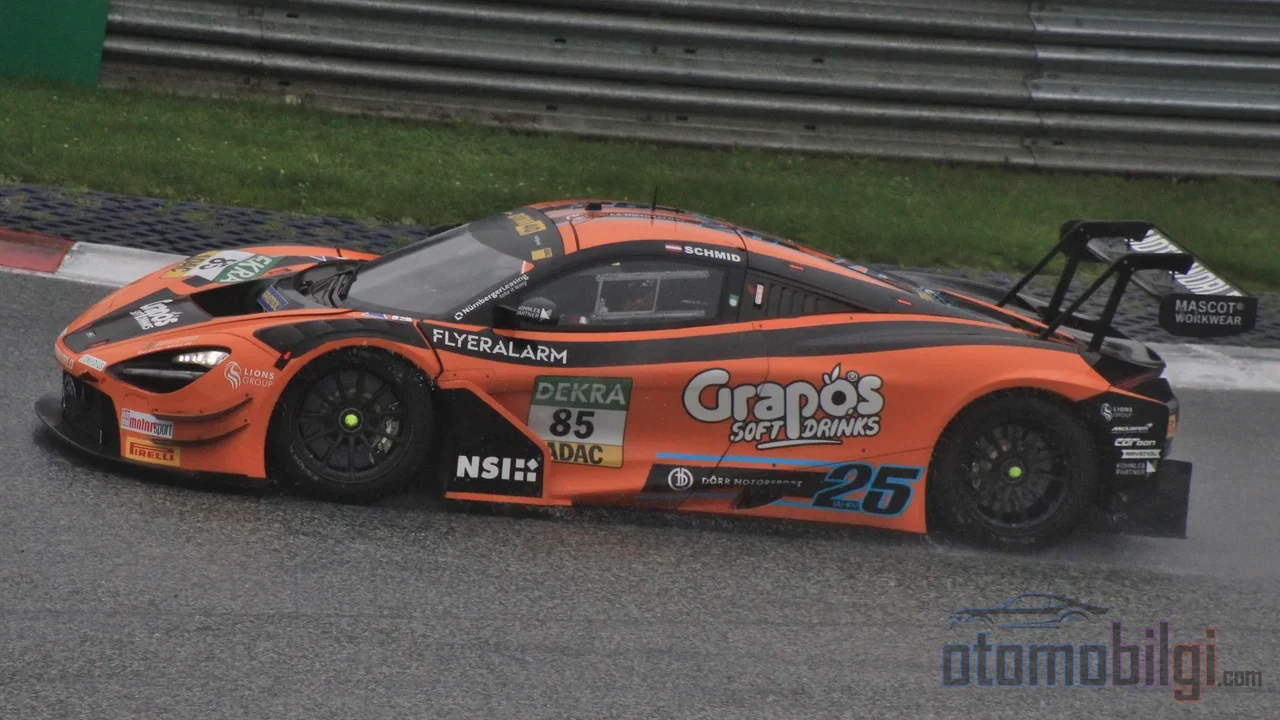
The switch to GT3 changed not only the cars but also the rhythm of race day. The innovations introduced in 2021 were as follows:
- An Indy-style rolling start instead of the traditional standing start
- Race duration of 55 minutes plus one lap, with a single mandatory pit stop (with only 6 mechanics and two wheel guns)
- On high-speed, high fuel-consumption tracks like Monza, the duration could drop to 50 minutes
- Extra weight penalty for podium finishers: 25/18/15 kg
This format is still fundamentally in place in 2026. Two sprint races are held every weekend, with the season consisting of a total of 16 races. In case of a safety car, the race distance can be extended by two joker laps, and the pit stop window is fixed between the 20th and 40th minute in Saturday races. The championship now also features five classifications: drivers, rookies, teams, manufacturers, and even a classification dedicated to pit stop skill. They have made the pit stop practically the star of the show - not a bad idea, in my opinion.
Brands, Teams and the New Identity of DTM
In the Class 1 era, the grid consisted solely of the factory teams of three German giants. In the GT3 era, the picture has changed completely. In 2021, there were 19 GT3 cars at Monza, with 12 teams running cars from six different manufacturers: Audi, BMW, Ferrari, Lamborghini, McLaren and Mercedes. Porsche was also added to the list with a full-season entry. By 2026, the brand range had expanded even further, including Aston Martin and Ford.
The key strategic change was this: Customer teams instead of factory teams. Mercedes-AMG returned by supporting customer teams for the first time since its factory exit in 2018; it is believed that financial support packages were prepared for seven AMG GT3s in the field. BMW was represented via the M6 GT3 with Walkenhorst. Red Bull also brought the Ferrari 488 GT3 Evo with AF Corse in 2021; While Liam Lawson raced in Red Bull colors, Alex Albon and Nick Cassidy raced on the AlphaTauri side.
The driver line-up was also an interesting mix: three former champions (Gary Paffett, Mike Rockenfeller, Marco Wittmann) shared the same grid with two female drivers (Sophia Florsch and Esmee Hawkey). So the GT3 era presented a much broader picture than Class 1, both in terms of manufacturers and driver diversity.
Did Costs Really Come Down?
Let's get to the measurable part. In Class 1, a private team was spending 5-6 million euros per year, and for manufacturers the figure could rise to 20-40, even up to 30-50 million euros. In the GT3 era, the cost per car is around 1.5 million euros, and a two-car program is calculated in the range of 3.0-3.2 million euros in total. So the picture is clear: GT3 significantly lowered the price of DTM's entry ticket.
But there is another side to the coin. Test days are expensive; a 10-day test can reach 400,000 euros, and there is concern that wealthy teams could gain a budget advantage this way. A former Mercedes motorsport boss even called for a test ban in DTM to preserve equality. So even in a cheaper championship, money is still being talked about; only the decimal point has shifted to the left.
The Balance of Performance Debate
The BoP, indispensable to the GT3 world, is also the most talked-about topic in DTM. The logic is simple: Cars from different manufacturers with different characteristics are brought closer together through weight and boost adjustments, so that races are filled with close battles. DTM, working with AVL RACING experts, applies this balancing with a more aggressive approach than other series; the goal here is speed advantage.
But not everyone is thrilled with this system. WRT boss Vincent Vosse openly stated that he does not want to win thanks to the BoP, pointing to the discomfort felt with this system at the core of GT3. On the other hand, the DTM side argues that the BoP provided close and balanced racing at Monza. The 2026 Red Bull Ring BoP was described as the most challenging BoP in the series' history and was released later than usual. So the balancing work itself can become an agenda item of the race weekend.
What Do the Legends Say, and What's the Answer?
So how do those who lived through this transition view it? Marco Wittmann recalls the Class 1 era as one of the best periods of his life; he thinks the cars were incredibly cool, but he also values the growth of the GT3 era. For Gerhard Berger, the man in charge back then, the GT3 rules were the only reasonable solution to keep DTM alive. Mattias Ekstrom, meanwhile, was worried at first: he feared the series would be filled with pay drivers. Other commentators argued that the GT3 plus private team combination already exists in many championships, and that it was the factory manufacturers who made DTM unique that had left.
Five seasons later, let's look at the picture and give a clear answer to the question: The transition from Class 1 to GT3 transformed DTM into a championship that is technically less extreme but commercially alive, broader in terms of manufacturer diversity and driver pool, with costs roughly halved. With heavy and familiar cars, a rolling start, a short sprint format and an aggressive BoP, DTM moved from its old prototype identity to an inclusive GT3 identity. The pessimistic predictions turned out to be largely wrong: the 2026 grid; filled with cars from manufacturers like BMW, Mercedes, Porsche, Audi, Ferrari, Aston Martin, Ford and McLaren.
If you ask me, mourning the departure of Class 1 is entirely understandable; those cars were truly special. But the most important feature of a championship is that it exists, and GT3 gave DTM exactly that. Which side are you on? The precision of winged prototypes, or the battle of familiar cars? This question is worth debating in the grandstands.
Sources
- Class 1 Touring Cars - Wikipedia
- We're totally ready for the start of the new era of DTM - Red Bull
- The initial verdict on DTM's move to GT3 cars - Autosport
- The full cost of a DTM season - Autosport
- Opinion: DTM has proved naysayers wrong with GT3 move - Motorsport.com
- Marco Wittmann reflects on DTM's Class One era - Pit Debrief
- Start of the DTM season: Porsche customer teams preview - Porsche Newsroom
- DTM 2026 calendar announced - Motorsport.com
- DTM's toughest ever BoP explained - Pit Debrief
- Balance of Performance performs at Monza - DTM.com