What Is Silly Season in NASCAR, and Why Is It Talked About?
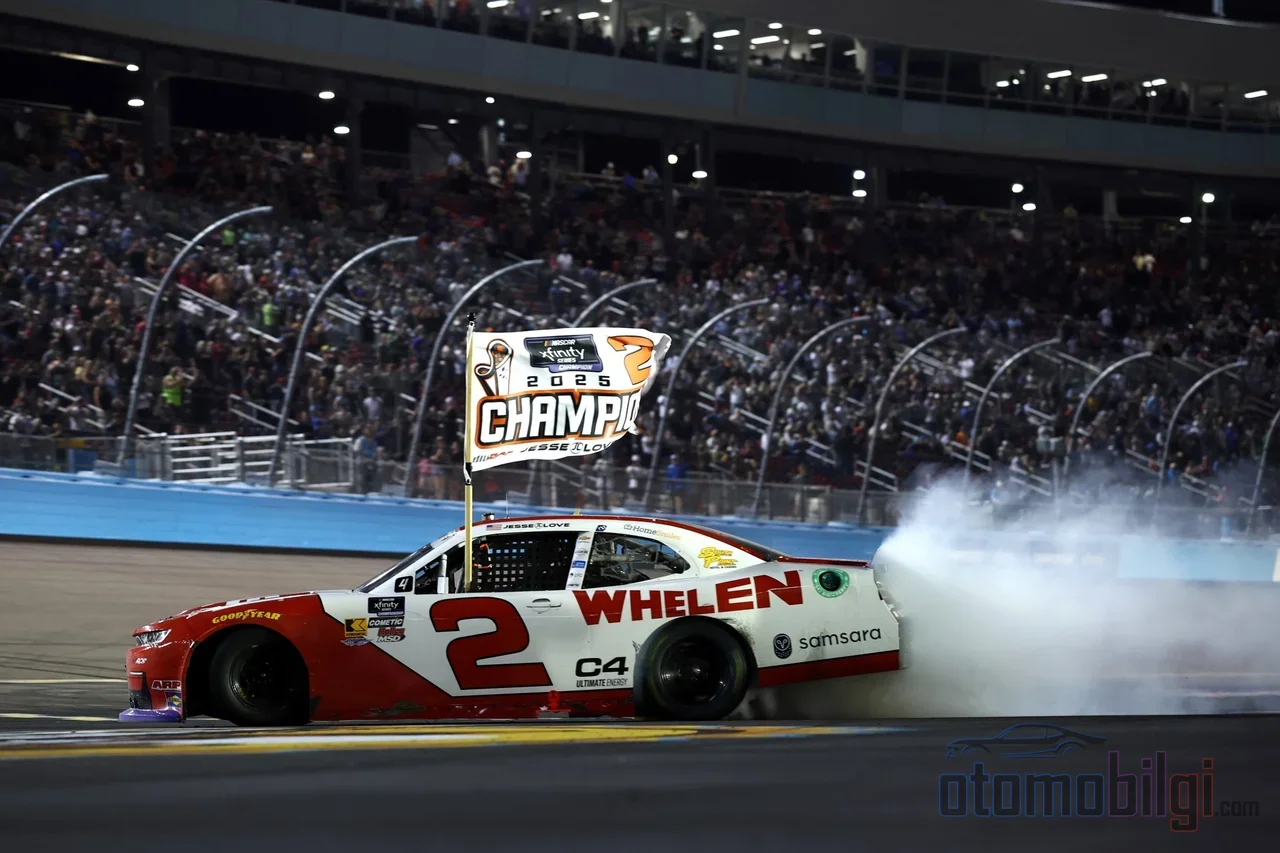
Mid-summer, the NASCAR Cup Series is still running at full throttle, and you see a news item on your phone: "Is that seat about to open up?" Before you know it, it's the only topic at the lunch table. While the wheels spin on the track, a completely different race is turning at the back of the garage: who's in which team, which sponsor backs whom, who's moving where? This circle of gossip and speculation in the motorsport world has a name: the Silly Season. Yes, that's really what it's called, and behind it lies a surprising 160-year-old story.
So why does this rumor market drag on for months? Why do teams announce seats mid-season? And most importantly: is what keeps a driver's seat in their hands really talent, or their wallet? If you're ready, we're diving into NASCAR's overlooked side, one that fans talk about just as much as the races during the summer months.
What Exactly Is the Silly Season and Where Does It Come From?
Let's first unpack the term itself, because its story is far older than NASCAR. The earliest known use of the phrase "Silly Season" comes from an English newspaper dated July 13, 1861: the period during the summer months, when parliament was on recess and the quality of newspaper reporting dropped while trivial topics flooded the headlines, was known by this name. The term made it into the second edition of an idiom dictionary in 1894 and spread far and wide. Today German uses "Sommerloch" (summer hole), and other languages have equivalents like "cucumber season"; Turkish has no established one-word equivalent.
When it crossed into the world of sports, the meaning shifted: in football, ice hockey, Formula 1, the NBA and of course NASCAR, it refers to the period in the final weeks of a season when rumors of player, driver and roster changes surge. What baseball fans call the "hot stove league" carries the same spirit: sitting around the stove in winter, talking transfers.
What makes NASCAR special? Here, things don't end with drivers alone. When their contracts run out, teams start locking in drivers, crew chiefs and sponsors for the following year. So when a seat opens up, a chain reaction begins like dominoes toppling over, and the atmosphere operates almost like a stock exchange. One driver switching teams can mean another moving up from Xfinity to Cup, and a third being left completely without a ride.
Key Highlights
- The term Silly Season was first used in the British press in 1861.
- Cup teams derive up to 75% of their annual revenue from sponsorship.
- In 2024, per-car revenue ranged from $8.2 million in the lowest-earning organization to $43 million at the top team.
- Stewart-Haas's closure triggered a chain-reaction Silly Season with teams buying charters.
Why Does the Rumor Market Drag On for Months?
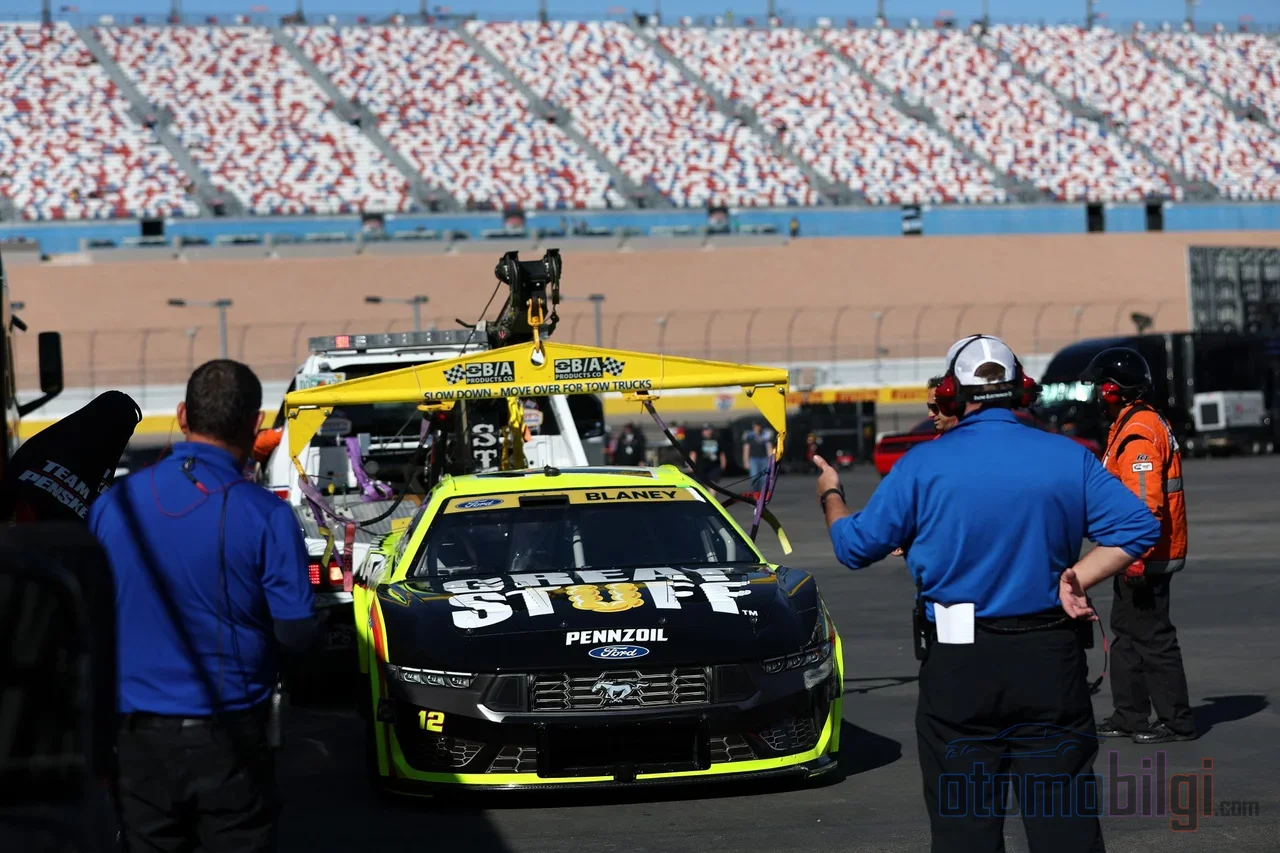
So why does this chaos explode in mid-season? Why doesn't everyone wait until the season ends? The answer lies partly in the architecture of contracts. A significant number of drivers work on "1+1" type contracts; meaning a firm one-year term plus an extension option. In a structure where early years are seen as a window to prove themselves, both teams and drivers have to play their hands early. If the team wants to continue with you, they sit down at the table for a new signing; if not, they start looking for a new name to put behind you, and the rumor spreads through the garage in no time.
The timing also follows a rhythm of its own. Rumors start quietly from mid-season, turn into a veritable storm between late summer and the end of the season, continue throughout the off-season, and calm down as the new season approaches. The PRI show held in December is a classic venue for official announcements; sponsorship and paint scheme announcements usually come after New Year's.
And this rumor culture has its own legend: Jayski's Silly Season. The site was born in 1996 from Jay Adamczyk's HTML course project at university, a page he dedicated to Ernie Irvan, who was racing at the time, and it took its current name on August 26, 1996. Reaching an average of 5,000 page views per day by the end of 1996, the site became the main source of NASCAR news within five years and grew to roughly 100 million page views per year in 2005; up to 100 tips a day were coming in. It was bought by ESPN in 2006 and returned to its founder in 2019. Looking at it from Türkiye, think of it like a student project becoming the institutionalization of the transfer rumor industry; that is exactly what happened.
Seat Economy: Talent or Money?
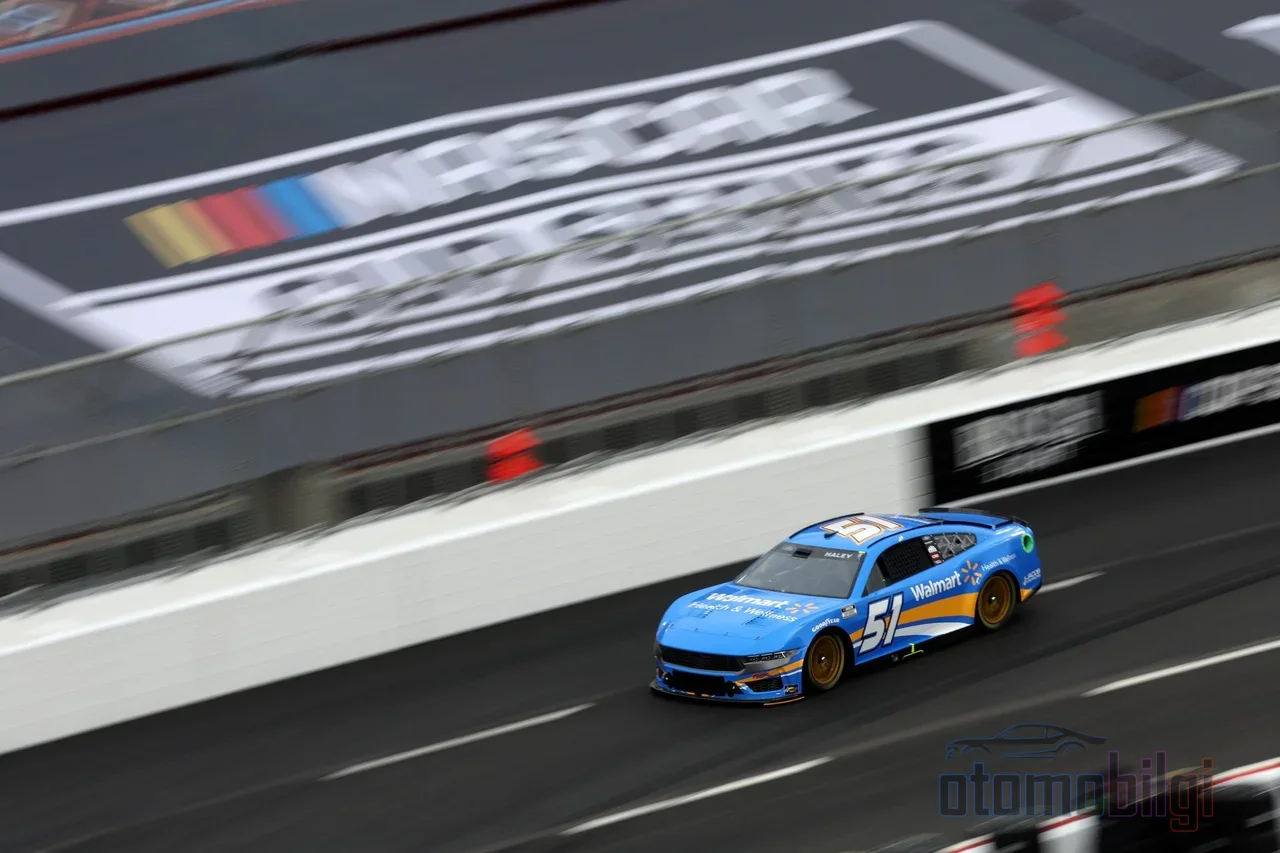
Here is the most brutal part of the job. Cup teams earn up to 75% of their annual revenue from sponsorship. According to 2024 figures, the total revenue a car brings in (charter share, prize pool and sponsorship) was around 8.2 million dollars for the smallest organization, while it went up to 43 million dollars for the best team. So what gets discussed is not just a driver's steering wheel, but whether they are a money machine that carries the team's budget.
The observation Denny Hamlin brought up makes this clear: 4 out of 5 drivers racing in Xfinity pay to sit in their seats, meaning they bring sponsorship. On the other hand, team owners like Richard Childress argue that talent can reverse the decision that money requirements dictate: if you are fast enough, the team finds the sponsor for you. Reality is probably somewhere in between; a fast driver attracts a sponsor, and a good sponsor opens a seat for an average driver.
The charter system beats at the heart of this equation. A charter guarantees a Cup team entry into every points race and a share of the prize pool; it is a sellable asset, and that is why teams have been sitting down with NASCAR for years over media revenue sharing and the permanence of charters. The charter world is a separate topic; the only thing you need to know here is this: because the number of charters is limited and seats depend on charters, a single opening sets the whole market in motion.
The Domino Effect: How Can One Seat Change Everything?
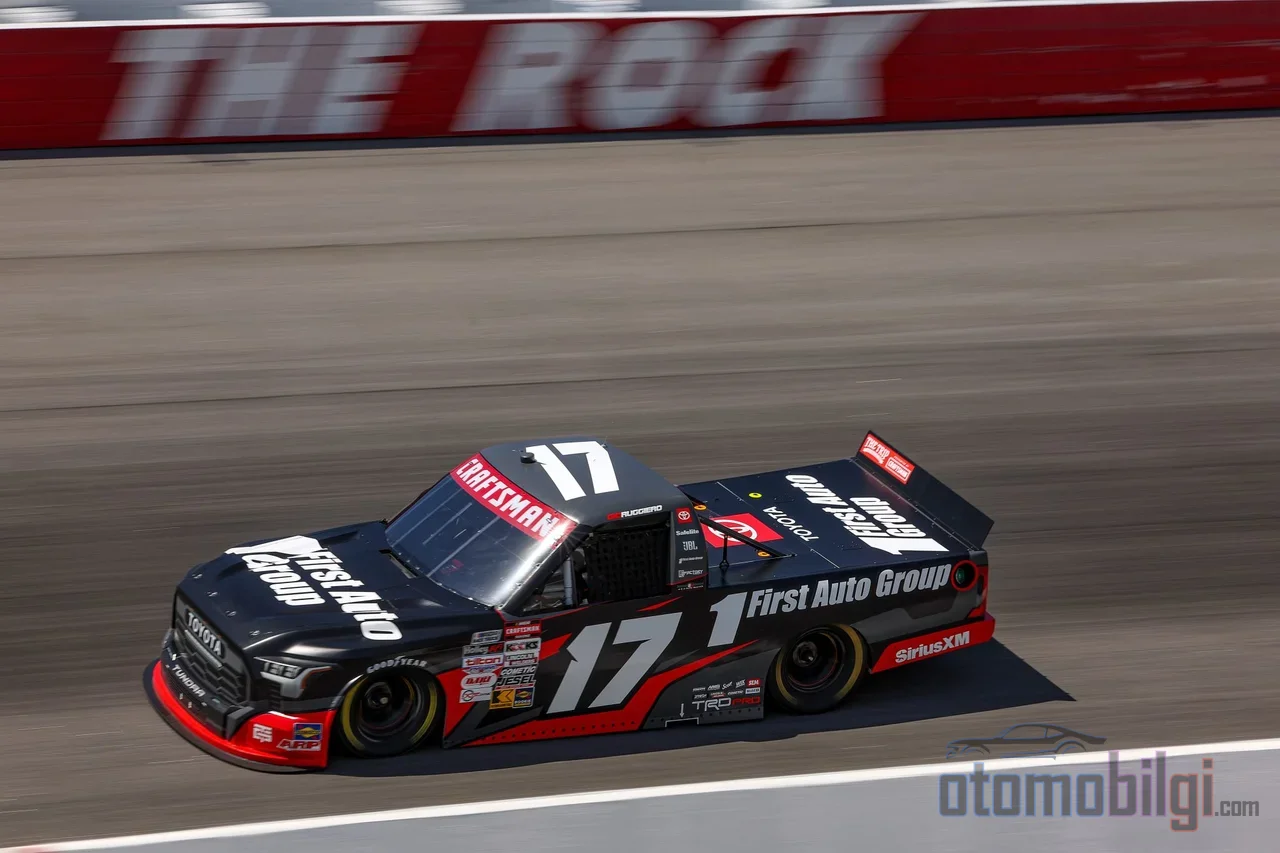
The best part of Silly Season is these chain reactions. Stewart-Haas's closure was an example of this: Trackhouse bought the vacated charters, expanded to three cars, and called Shane Van Gisbergen up from Kaulig's Xfinity program to the Cup Series. A single team's withdrawal reshaped the rosters of several different teams.
There are plenty of examples from history too. Even seven-time champion Richard Petty at one point decided to leave his family business. Kyle Busch moved from Joe Gibbs Racing to Richard Childress Racing; Ty Gibbs moved up from Xfinity to Cup; Tyler Reddick moved from RCR's No. 8 car to 23XI's No. 45; Noah Gragson stepped up from JR Motorsports to Legacy Motor Club's No. 42. After Ryan Newman's departure from Roush, Brad Keselowski took the seat. Each move opens the door to the next; young drivers in the mid-tier series get pulled up to the higher league, and a new wave of rumors starts over the vacated Xfinity seats.
As for the two wildest Silly Season moments of the last decade, Carl Edwards' surprise retirement in the 2016/2017 period and Trackhouse buying Chip Ganassi's NASCAR operation in 2021 are cited. Edwards walked away from the wheel at his peak, when no one expected it.
Where Is the 2026-2027 Market Right Now?
Today (as of November 2026), the market is simmering again. Dodge is returning to the Cup Series with Kaulig Racing in 2027; the announcement was made at the SEMA Show, and that means one year earlier than expected. The drivers are planned to be revealed at Homestead-Miami, while the new car is to be unveiled at the Snowball Derby on December 4.
There are also plenty of other confirmed moves. Kyle Larson signed a multi-year extension with Hendrick Motorsports and won the 2026 Cup championship. Erik Jones stays in the No. 43 Toyota with a multi-year extension with Legacy Motor Club. Daniel Suárez signed a multi-year deal with Spire Motorsports, while Tyler Reddick and Corey Heim signed multi-year contracts with 23XI. Ryan Preece is the new driver of RFK Racing's No. 6 Ford; Cole Custer returns to Cup in 2027 with the Haas Factory Team; Justin Allgaier signed a multi-year deal with JR Motorsports.
On the rumor side, the sparks continue. Brad Keselowski and RFK Racing parted ways in September 2026; Keselowski will not drive the No. 6 Ford in 2027 and will give up his place in the ownership group, while RFK is chasing a third charter. Denny Hamlin fueling speculation about Connor Zilisch's 2027 future, and Trackhouse having reached agreements with four drivers while owning only two Cup charters, are among the biggest talking points this winter.
What Is Silly Season? The Short and Clear Answer
We have reached the end of the road, and we keep our promise. Silly Season is the unofficial transfer period in NASCAR in which rumors about driver, chief engineer, and sponsor changes ramp up while contracts are ending, starting mid-season and calming down as the new season begins. It has no official status, rules, or calendar; but this is exactly the invisible market that shapes every Cup Series winter. And that playful tone in its name, despite the unfortunate connotation of the word "silly," may in fact be the cleverest-working part of the NASCAR calendar.
Sources
- Silly Season - Wikipedia
- Silly Season - Wings and Wheels Foundation
- Podcast: Rumors and the rise, fall and rebirth of Jayski's Silly Season - NBC Sports
- 2027 NASCAR Silly Season Blog - JosephSrigley.com
- NASCAR Financials Revealed - Fox Sports
- Denny Hamlin on Drivers Paying for Their Seats - Yahoo Sports
- Talent vs Sponsorships in Cup Series Seats - Autoweek
- SHR's Closure and the Domino Effect - Daily Downforce
- Key players in 2026-2027 Silly Season - NASCAR.com
- How the NASCAR Charter system works - NASCAR.com