Why Does a Daytona 500 Winner Become a Legend Overnight?
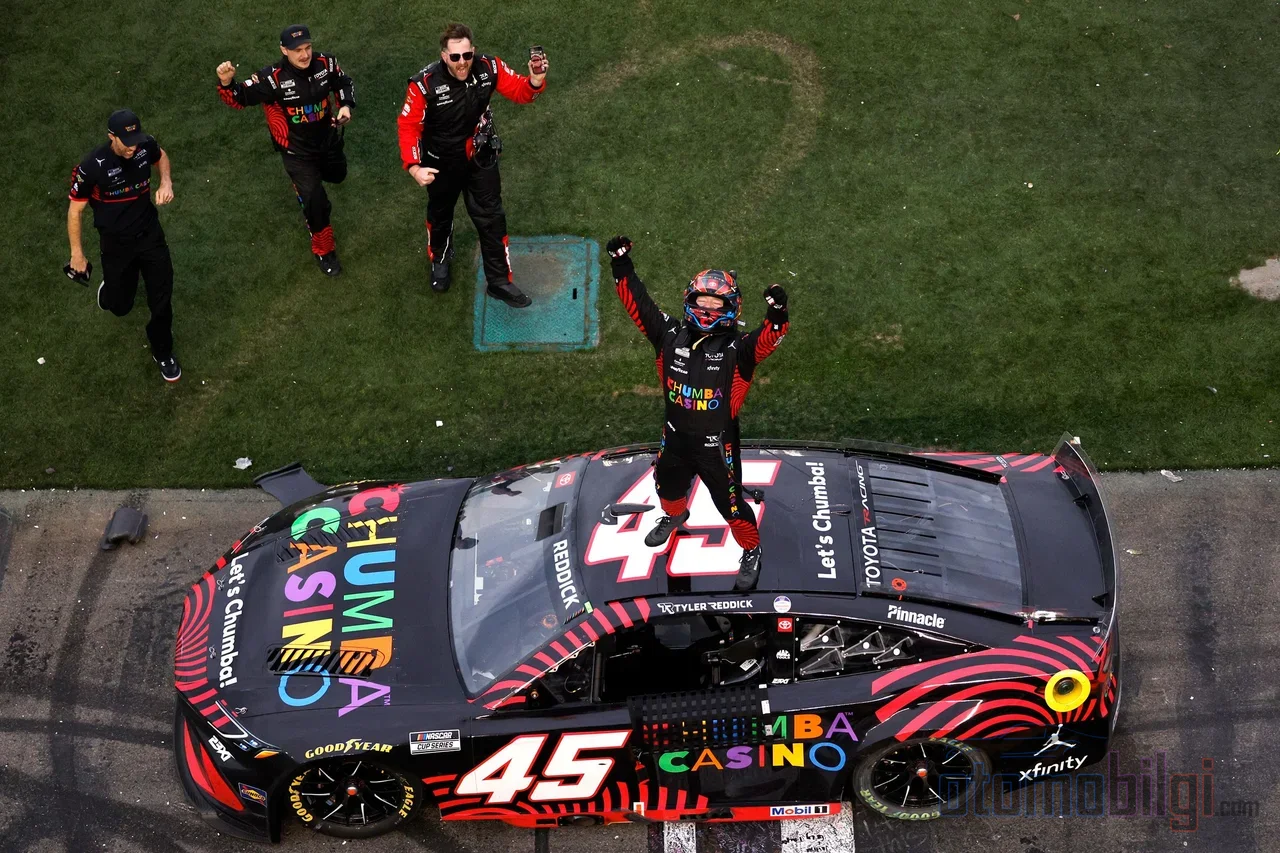
Say you're looking for the world's biggest race. One of the first names that comes to mind would be the Daytona 500, right? So why is this race called the "Great American Race", that is, the "Great American Race"? There is no one-sentence answer behind the nickname; there is a speed passion that began on the beach in 1903, a photo finish ending at the final turn in 1959, a season opener spilling onto TV screens, and a prestige that turns its winner into a legend overnight. On this page I tell that story from beginning to end, so if you're ready, let's floor it and dive in.
From the Beach to the Superspeedway: How Was Daytona Born?
It all started with the egos of two men. In 1903, when two people at Daytona Beach argued over who owned the "fastest horseless carriage", the beach informally became the birthplace of speed. Races were held on the sand in the following years, but over time it became clear that this formula had run its course. Bill France Sr. realized this in 1953 and made a big plan: a modern, giant asphalt track to replace the beach races.
The plan came true. In 1959, Daytona International Speedway was completed and opened its doors as "The World Center of Racing". This giant track, 2.5 miles (4 kilometers) long with four turns, was defined as the first true superspeedway that could rival Indianapolis. The finale of the track's opening event would be a new race: the first Daytona 500, run on February 22, 1959.
The First Race: A Legend That Began with a Photo Finish
The first race earned legendary status from its very first day. With 41,921 spectators watching, victory remained uncertain until the final lap and the race ended in a photo finish. The first winner was Lee Petty; only this way could he pass Johnny Beauchamp on the final lap. The officials had to examine the photographs before declaring the winner, because it was impossible to distinguish by eye. Imagine: the race was making history while it had only just received its name (its first name was "Inaugural 500 Mile International Sweepstakes"; it began to be called the Daytona 500 in 1961).
Highlights
- The first Daytona 500 was run on February 22, 1959 and the victory was decided by a photo finish.
- The race covers 500 miles (805 km), that is, 200 laps on the 2.5-mile track.
- The most successful driver is Richard Petty (7 wins), the most successful manufacturer is Chevrolet (27 wins).
- The 2026 race was watched by 7.489 million viewers on FOX; the track capacity is 102,000.
- As of 2026, the race has been run 68 times.
Not at the End of the Season, But at the Beginning: A Unique Position on the Calendar
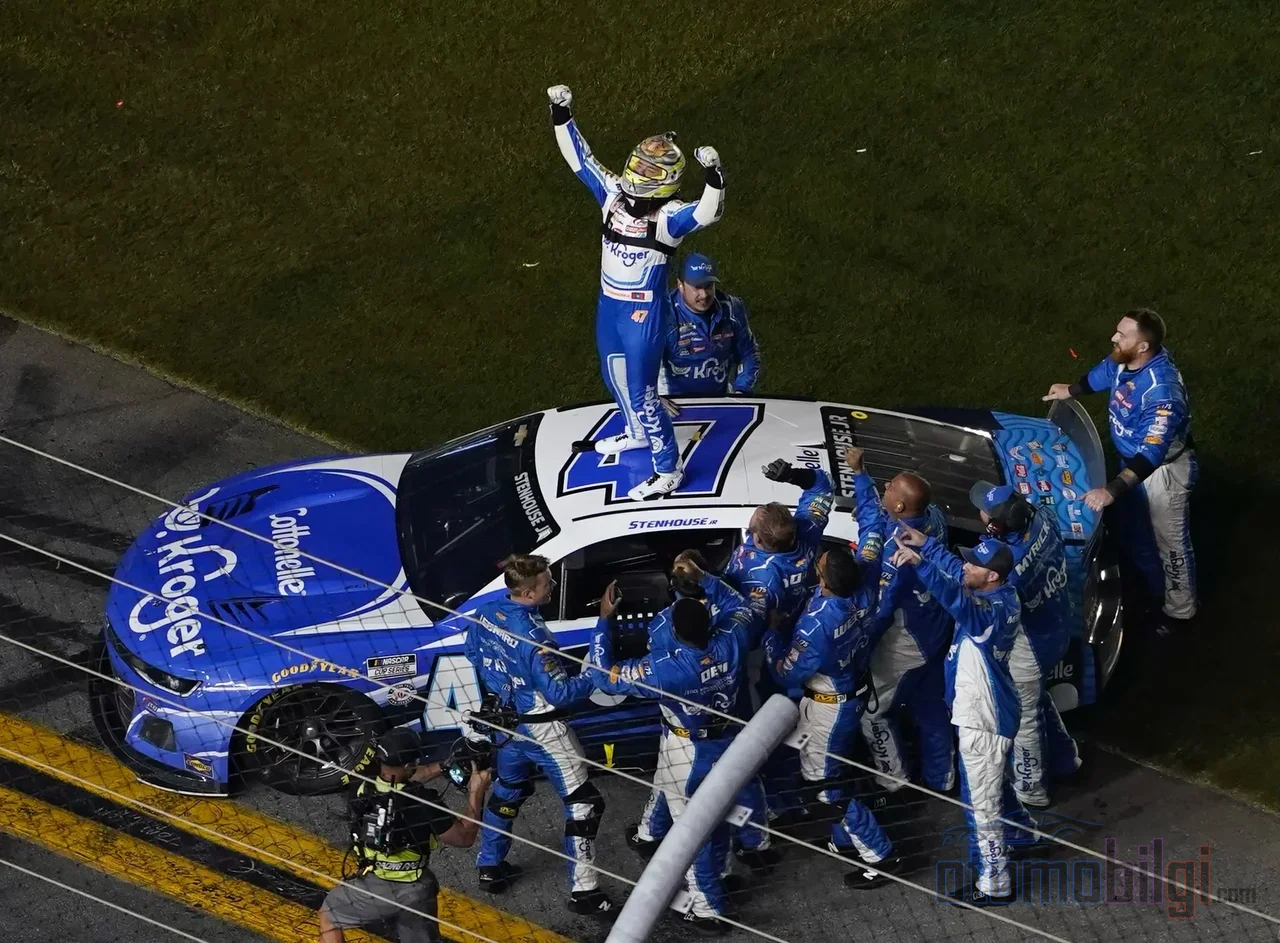
Here is where the detail most people overlook begins. Almost all of the world's great sporting events are played at the finale of the season: like the Super Bowl, the Champions League final, the Indy 500. The Daytona 500 does exactly the opposite. It is run as the season-opening race of the NASCAR Cup Series since 1982, and this is a unique phenomenon in the world of sports. Not the biggest finale, but the biggest opener: That is NASCAR's logic, and this logic defines the identity of the race.
The calendar has also settled into a traditional rhythm. Since the race was established, it has been run in mid-to-late February; between 1971-2011 and since 2018, it usually falls on the third Sunday of February, the Presidents Day weekend. Since 2022, it has been run a week after the Super Bowl, on the same day as the NBA All-Star Game. It has also coincided with Valentine's Day eight times; after flowers and chocolate, 500 miles of asphalt is another kind of romance. The race, run as the finale of the event series called Speedweeks, is the 68th on February 15, 2026. checkered flag on February 15, 2026; the 2027 date is on the calendar as February 21.
What Makes It Different from Other Races?
So what does the race itself look like? The basic measurements are clear: 500 miles (805 km), 200 laps around the 2.5-mile track. The race is divided into three stages: the first two stages are 65 laps each, the final stage is 70 laps. In terms of points, the Daytona 500 awards the same points as other Cup Series races; so there is no mathematical advantage in the championship calculation. The difference lies elsewhere: the race carries the largest prize pool on the calendar, and it grants its winner prestige far beyond the prize money. While a field of 41 cars entered the 2026 race, the grandstands fill to their capacity of 102,000 people.
The length can sometimes stretch against history, too. The race was shortened four times due to rain (1965, 1966, 2003, 2009), and once in 1974, due to the 1973 oil crisis, to 180 laps, i.e. 450 miles. Conversely, since 2004, with the green-white-checker rule, the race has exceeded 500 miles ten times, and the 2023 edition was the longest Daytona 500 ever run, at 212 laps / 530 miles. 2012 had a legendary oddity: because of the fire caused by Juan Pablo Montoya crashing into the track-drying vehicle, the race was delayed by about 37 hours and spilled over into Tuesday morning. It was also the year the first prime time, i.e. evening-slot, race took place.
Television and Demand: Is the Super Sport Comparison Realistic?
The Daytona 500 is also called the "Super Bowl of Stock Car Racing". But do the numbers support this comparison? The honest answer: partly. Between 1995 and 2020, the Daytona 500 was the most-watched auto race of the year, having surpassed the Indianapolis 500 in that title. The 2006 race was watched by 20 million people, making it the sixth-largest live global television audience for any sporting event that year. In 2021, the Indy 500 moved back ahead in television ratings.
In comparison with the Super Bowl, however, the gap is clear: 2026 Daytona 500 was watched by 7.489 million viewers on FOX (an 11 percent increase over the previous year), while Super Bowl LX became the second most-watched Super Bowl in US history with 125.6 million viewers. Even the Super Bowl average of the last decade was around 108.3 million. So the nickname is not a scale comparison, but an importance comparison: in the sense of being the biggest day of a racing season. It should also be acknowledged that the Indy 500 leads in capacity and international viewership; Daytona's claim of being "the biggest race" carries power that is limited especially to domestic US television coverage.
What Makes a Winner a Legend: Prestige and Traditions
Harley J. Earl Trophy and a One-Year Exhibition
Since 1997, the winner has been awarded the Harley J. Earl Trophy and the winning car is displayed for a year at the Daytona 500 Experience museum next to the track. Lifting the trophy writes a permanent title onto a career: calling a driver "Daytona 500 champion" is like calling them "Indianapolis 500 champion" - it gives them an identity they will carry for the rest of their lives.
Record Holders
The most successful name is unquestionably Richard Petty: 7 wins. The most successful team is Hendrick Motorsports (10 wins; with names like Gordon, Johnson, Earnhardt Jr. and Waltrip), and the most successful manufacturer is Chevrolet with 27 wins. The most recent winner on record is Tyler Reddick. The race holds such a place in America's cultural calendar that even the White House issued a message for the 2025 race, stating that the event represents the nation's love of tradition, competition and motorsport. The iconic images that became legendary on stage after victory are also countless: the winner's post-race visit to Waffle House is seen almost as a ritual in NASCAR circles.
Turning Points of History: Moments That Made the Race Legendary
If you call a race "great", it must have moments that tell a story. Daytona 500's archive is full of them:
- 1960: Junior Johnson won using the still poorly understood phenomenon of drafting, in a car a year old, among 68 cars - the largest field in history.
- 1976: David Pearson and Richard Petty crashed on the final lap; Pearson's still-running car crossed the finish line and the victory was his.
- 1979: The first national live television broadcast took place. After the final-lap crash, the physical altercation between Cale Yarborough and Donnie and Bobby Allison, along with the blizzard that locked the northeastern US at home, carried NASCAR into the national spotlight; the story even made the New York Times sports page.
- 1980-1988: Buddy Baker won the fastest Daytona 500 of that era with an average of 177.602 mph (285.809 km/h); Cale Yarborough officially broke the 200 mph barrier in 1984 (201.848 mph); Bill Elliott set the all-time pole position record in 1987: 210.364 mph (338.532 km/h). Restrictor plates became mandatory in 1988 to reduce speeds.
- 1990 and 1998: When Dale Earnhardt blew a tire on the final lap in 1990, the victory went to Derrike Cope; eight years later, after two decades of trying and disappointment, he finally claimed his own Daytona 500 victory.
- 2001: "Black Sunday". Dale Earnhardt lost his life in a crash on the final lap; the race was won by Michael Waltrip.
- 2011-2016: Trevor Bayne became the youngest winner at 20 years and 1 day; Danica Patrick became the first woman to win the Daytona 500 pole position and finish in the top 10 in 2013; in 2016, Denny Hamlin passed Martin Truex Jr. by 0.010 seconds, producing the closest finish in the race's history.
Why "The Great American Race"? The Complete Answer
Now the pieces are on the table; let's put them together. The Daytona 500 has delivered a perfect finish in its history (photo finish), holds a unique position on the calendar (season opener), has stood at the pinnacle of televised auto racing (the most-watched from 1995 to 2020), is the biggest on the calendar in terms of prize pool and prestige, and its cultural reach extends as far as a presidential message. Although the exact date of the nickname's origin and its first user have not been clearly recorded, it is known that its roots go back to the beach races and NASCAR's founding years. In other words, "The Great American Race" is not a marketing slogan; it is the short name of a cultural legacy accumulated since 1959 and rewritten every February.
In summary: The Daytona 500 is not a 500-mile distance; it is an American story. It gives its winner, alongside the Harley J. Earl Trophy, a title to be carried for a lifetime; that is why Earnhardt's 1998 victory and his 2001 loss are remembered as milestones in motorsport history. Although the track has a capacity of 102,000, the race's real grandstand is the millions in front of their screens on a Sunday afternoon in February. That is what deserves the nickname: not the race itself, but that indisputable seat the race occupies in American sports culture.
Sources
- Daytona 500 - Wikipedia
- DAYTONA 500 - Official Site Of NASCAR
- 2026 Daytona 500: Everything To Know About The Great American Race - FOX Sports
- About Us - Daytona International Speedway
- Presidential Message on the 2025 Daytona 500 - White House
- Ratings Roundup: Final Viewership for Super Bowl LX - SportsVideo.org