How Did Jeff Gordon Become the Face of NASCAR?
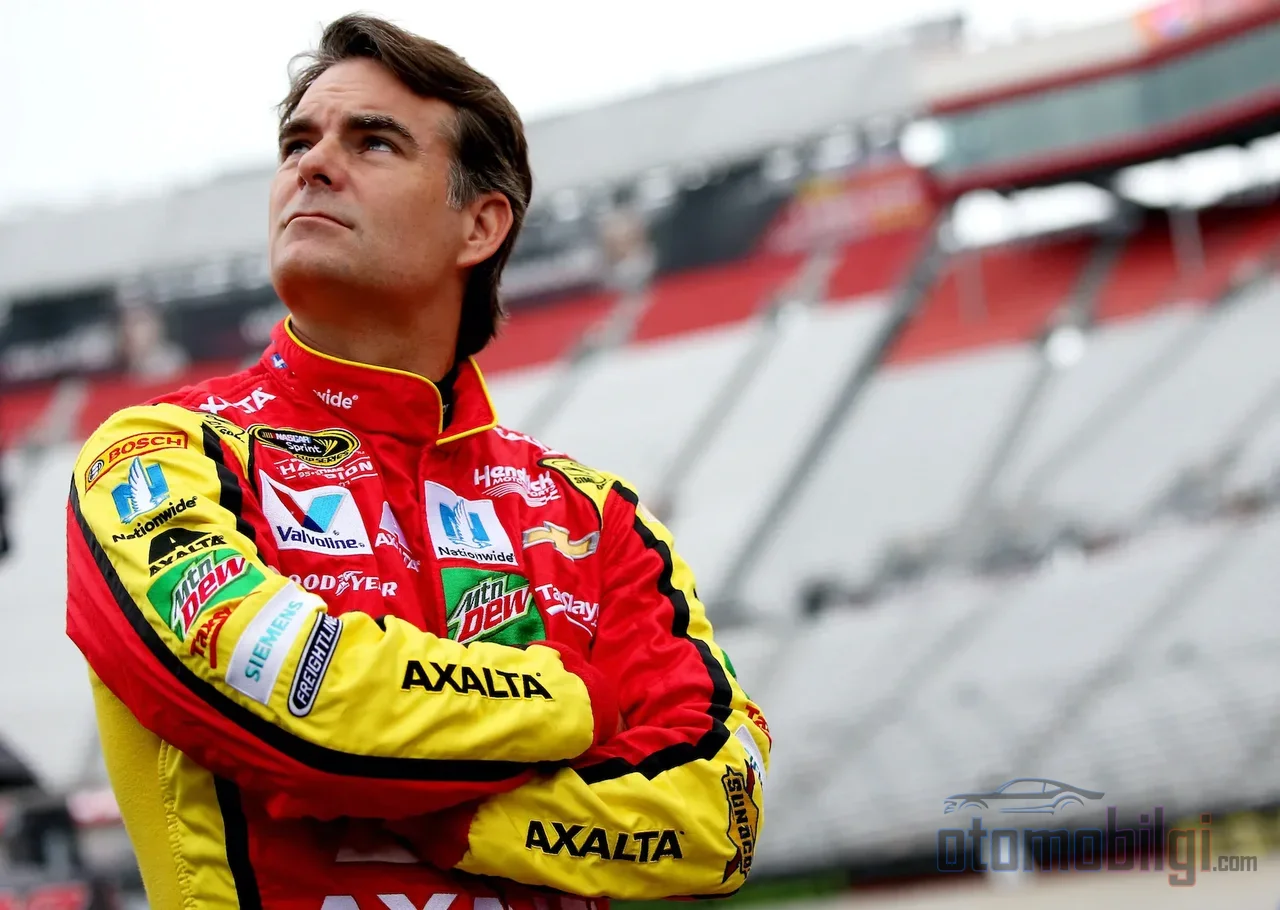
At the end of the 1995 season, a No. 24 Chevrolet was rolling out in front of an angry crowd. Its body shimmered in rainbow colors, and at the wheel sat a California-born young man who had only just turned 24. In the heart of the South's traditional racing culture, this kid, coming from a place nobody expected, had claimed his first championship that year by finishing ahead of a legend like Dale Earnhardt. So how did this "Wonder Boy" become the face of NASCAR? The answer is a story far bigger than a single championship.
The California Kid: A Different Journey Stretching to the Oval Tracks
Jeffery Michael Gordon was born on August 4, 1971, in Vallejo, California. At the age of five, he was introduced to miniature race cars called quarter midgets, and before he even turned six, he had won 35 main races and set 5 track records. In 1979 alone, he collected 51 quarter midget victories; of the 25 karting races he entered at age 11, he won every single one. In short, the only unusual thing about this kid was not his hair color.
His family took his talent seriously and moved from Vallejo to Pittsboro, Indiana for his career. There, Gordon quickly climbed the ladder of open-wheel racing: In 1989 he was named USAC Midget Car Racing Rookie of the Year, in 1990 he became the USAC national midget champion, and in 1991, at the age of 20, he went down in history as the youngest driver to win the USAC Silver Crown season championship.
It was precisely at this point that an interesting divide occurred. Gordon actually wanted to race in IndyCar, but when he could not find enough sponsorship money, the doors did not open. Although Jackie Stewart offered him a test drive in Europe, Gordon did not take up the offer because he was already in talks with the NASCAR side. In 1991-1992 he raced full-time for Bill Davis Racing in the Busch Series; in 1991 he won the Rookie of the Year award, and in 1992 he set a NASCAR record by taking 11 pole positions in a single season. Someone was watching this young talent: Rick Hendrick.
The Legend That Began with Hendrick Motorsports
Gordon stepped into the Winston Cup series at the Hooters 500 in Atlanta, the final race of 1992. He finished his first race in 31st place after a crash. The start of the legend did not look bright at all; Darrell Waltrip would years later tell how he told Hendrick in 1993 that Gordon had hit everything except the pace car. In short, there were doubts all around.
Still, 1993 became Gordon's first full-time Cup season, crowned with the Rookie of the Year award; he finished the points standings in 14th place. finished. The car number is a story in itself: Initially No. 46 was planned, but due to licensing issues related to the film Days of Thunder, the team switched to No. 24. The number that would go down in NASCAR history was born entirely out of a practical decision.
Highlights
- Four Cup Series championships: 1995, 1997, 1998, 2001
- 93 Cup wins, the third-highest total of all time
- Three Daytona 500 victories: 1997, 1999, 2005
- 5 Brickyard 400 victories and 81 pole positions
- 13 wins, a modern-era record season, in 1998
1995: Wonder Boy Passes Earnhardt
In 1994, Gordon began racking up his first victories: the Busch Clash, the Coca-Cola 600 won on a two-tire strategy, and the first Brickyard 400 in history. But the real explosion came in 1995. With his rainbow-colored car and the pit crew known by the same name, the "Rainbow Warriors," Gordon won the Winston Cup championship over Earnhardt by a 300-point margin. The team's withdrawal from only 3 races throughout the entire season (compared to 21 combined in the previous two seasons) was the statistical foundation of that victory.
The fans in the southern grandstands greeted this success coldly; with his young age, California origins, and unusual image, Gordon could never quite win over the traditional fan base. Moments also occurred throughout his career, such as at Talladega where fans threw beer cans at his car after his victory, when fans threw beer cans at his car - moments like these also happened. But a rule often repeated in motorsport history came into play: anyone who keeps winning earns respect, even if they are not loved.
Four Seasons at the Summit
In 1997, Gordon won his first Daytona 500 and, at 25, became the youngest winner at that time (this record was broken only in 2011). When he also won the Southern 500 that season, he claimed the Winston Million prize that no one had managed since Bill Elliott in 1985, and crowned his second championship with 10 victories. 1998 was by far his most dominant season: with 13 wins, a modern-era record, 4 consecutive victories, and 17 straight top-five finishes, he outpaced Mark Martin by 364 points. In 2001, six more wins followed; declaring his fourth championship with a 344-point lead over Tony Stewart, Gordon became the third driver to win four championships after Petty and Earnhardt's 7 each.
The Defining Rivalry of the Era with Earnhardt
If a single rivalry summarized NASCAR in the 1990s, it was the one between Gordon and Earnhardt. An icon of the traditional Southern racing culture, the legend behind the red-and-black No. 3 car; facing him, a young man who seemed to have stepped out of an open-wheel future. The 1995 championship battle was the peak of this rivalry, and the door-to-door duels at Richmond in 1994 and Michigan in 1996 were etched into fans' memories.
The interesting thing was that both sides came out of this rivalry as winners. Even Earnhardt was aware that the competition contributed to the sport, t-shirt sales, and the fan base; he was not opposed to Gordon's growing fan base. Gordon, for his part, touched on a theme of regret when he shared his thoughts on this rivalry years later. Today, the two names are remembered side by side in the NASCAR Hall of Fame: Earnhardt was inducted in 2010, Gordon in 2019.
93 Wins and Lasting Records
Gordon's career win count is 93: third all-time after Richard Petty and David Pearson, and the modern-era record since 1972. With 81 pole positions, he ranks third in that category as well; moreover, he set a NASCAR record by earning at least one pole position in 23 consecutive seasons.
| Career Achievements | Number |
|---|---|
| Cup championship | 4 (1995, 1997, 1998, 2001) |
| Cup victories | 93 |
| Daytona 500 victories | 3 |
| Brickyard 400 victories | 5 |
| Pole positions | 81 |
| Cup starts | 805 |
His dominance in crown jewel races is a category of its own: With 3 Daytona 500s, 4 Talladega 500s, 3 Coca-Cola 600s and 6 Southern 500s, a total of 16 "Crown Jewel" victories and three career Grand Slams, two of them all-time records. With 12 wins on restrictor plate tracks and 9 on road courses, he holds the record in both of those track types. He was also a pioneer on the money side: In 2009 he became the first NASCAR driver to surpass $100 million in career earnings, and as of 2016, with career earnings of $515 million, he was the highest-earning NASCAR driver.
The Years He Became a Victim of the System
The bitter irony of Gordon's career is drawn with playoff systems. In 2004, the new Chase for the Cup format wiped out his 60-point lead; when the season ended, it was calculated that Gordon would have won the championship by a 47-point margin without the Chase. In 2007, the same story repeated itself: despite a modern-era record of 30 top-ten finishes, he lost to Jimmie Johnson by 77 points; under the old system, he would have been champion by 353 points. Four championships is a magnificent figure, but there really were years when the cup count underrepresented Gordon's true dominance.
Taking a Sport Beyond the South
So how did Gordon change NASCAR? The answer must be sought not in his cup count, but in his identity. Until the early 1990s, NASCAR was a sport with roots running deep in the Southern states. Gordon, California-born, young, comfortable in front of the camera and with a polished image, broke every part of that mold. By shattering stereotypical judgments about drivers, he brought the sport a young fan base spreading beyond its traditional roots across the whole country.
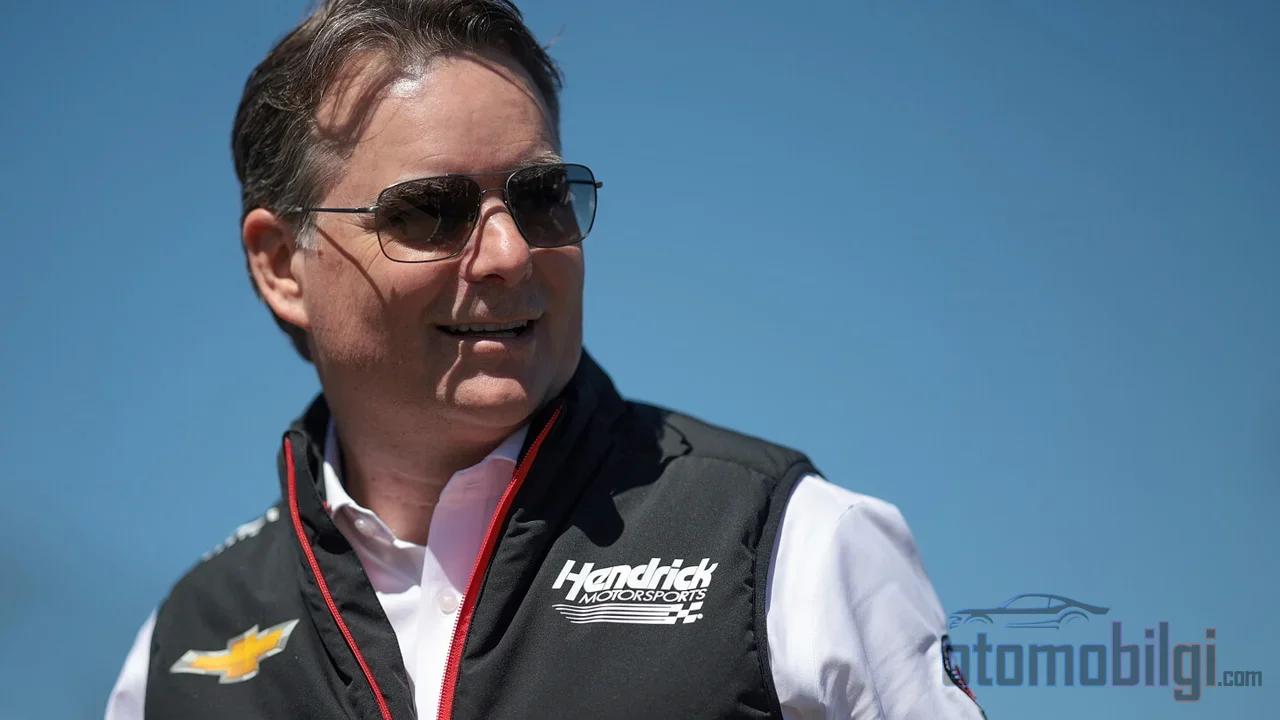
He did more than just win championships: He expanded NASCAR's visibility and paved the way for the sport's mainstream popularity in the 1990s and 2000s. His early successes changed the paradigm; after him, racing in NASCAR became a reasonable and attractive goal for young drivers. In a way, names like Jimmie Johnson, who would later win 7 championships, passed through the door Gordon opened. Moreover, Gordon today is a co-owner of Johnson's No. 48 Chevrolet and vice chairman of Hendrick Motorsports, which runs that car, and he still keeps that door open.
Where Does Jeff Gordon's Legacy Stand Today?
Gordon raced full-time from 1993 to 2015 and spent his entire Cup career with a single team, Hendrick Motorsports. At the end of the 2015 season, he was the active "iron man" leader with 797 consecutive races; he closed out his career with 805 starts and 21 points seasons in which he finished inside the top ten. In 2016, he returned to the track in the No. 88 car, replacing Dale Earnhardt Jr. in selected races, and took his final victory during the period when he advanced to the final four in the playoffs. That same year, according to Forbes, he was the 18th highest-earning athlete in sports history.
So now the clear answer to the opening question is this: Jeff Gordon, with his four championships, 93 wins and three Daytona 500s, became one of the most successful drivers of modern NASCAR; but the real reason he became its face came not just from his achievements, but from his identity. He transformed a Southern-centered sport into a nationwide phenomenon with the energy of a California-born young man, broke the molds and paved the way for the generations that came after him. When he was inducted into the Hall of Fame in 2019, it was not only statistics that were spoken of; it was the story of how NASCAR changed. That boy who carried the nickname Wonder Boy today sits in the vice president's chair responsible for the sport, and turned 55 in 2026. The road to becoming a legend was precisely such a journey.