Who Is David Pearson? NASCAR's Silver Fox
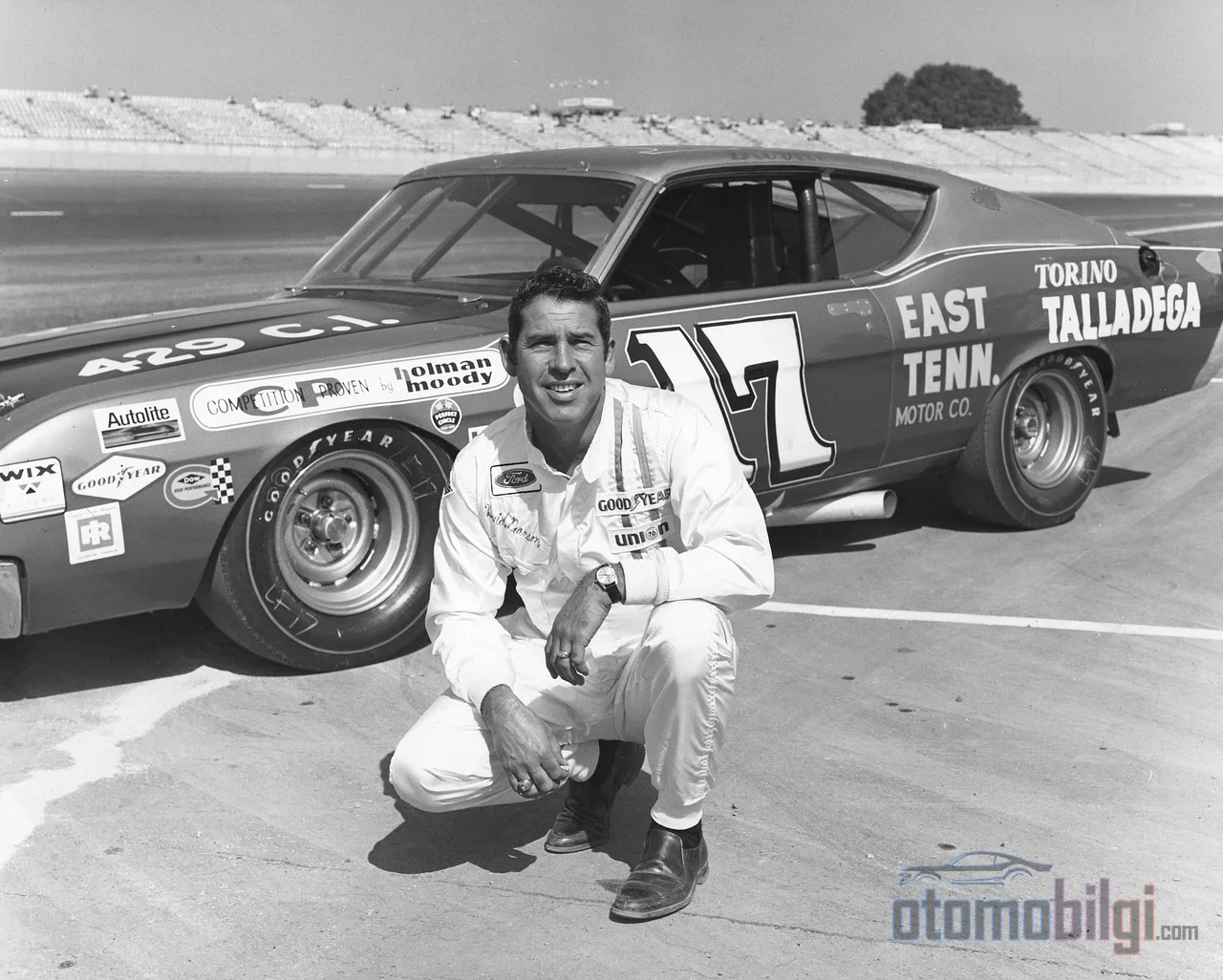
The final lap, Daytona 500, 1976. Richard Petty is a few car lengths ahead, victory is practically in the bag. Then in the last corner the two cars make contact, both spin, both slide off into the grass. Petty's engine stalls. But the man in the blue-and-white #21 Mercury ahead presses the clutch, keeps the engine alive, and crawls across the finish line through the grass in his damaged car. At about 20 mph. The man who won that Daytona 500 was David Pearson.
Now stop and think: Why is the second winningest driver in NASCAR history, a driver who won one out of every five races he entered, not as famous as Richard Petty? The answer is the real story of Pearson's career. If you're ready, let's take a close look at The Silver Fox's quiet legacy.
Who Was The Silver Fox? An Overview of Pearson's Career
David Gene Pearson was born in Spartanburg, South Carolina, on December 22, 1934, and passed away in the same city on November 12, 2018, at the age of 83. He appeared on NASCAR Cup Series tracks from 1960 to 1986, a full 27 seasons. In 1960 he was named Rookie of the Year; no one knew yet what was to come.
What came was this: 574 races, 105 wins, 366 top-10 finishes and 113 pole positions. The nickname that started as "The Fox" became "The Silver Fox" over the years, because he raced with cunning like a fox, and as his hair went gray the name fit him like a glove. The period Pearson is most identified with is 1972-1979, the years he drove the #21 Mercury of Wood Brothers Racing.
Career Highlights
- 105 wins in 574 starts, second on NASCAR's all-time list behind Petty
- Three Cup championships: 1966, 1968, 1969
- Career win percentage of 18.29% (Petty's was 16.9%)
- The 1973 season: 11 wins in 18 starts, the highest single-season win rate in history at 61%
- His only Daytona 500 win: 1976, with the last-lap collision
Three Championships: At the Top in 1966, 1968 and 1969
All three of Pearson's championships came in the years he ran a full schedule, and that was no coincidence. In 1966, driving a Dodge, he won 15 of 42 races that season; that was the second-best season win count in NASCAR history to that point. In 1968 he entered 48 of 49 races with the Holman-Moody Fords and collected 16 wins. An interesting detail: Petty had won exactly 16 races that year too, but the championship went to Pearson, who finished third; Petty finished third in the standings. In 1968-69 Pearson and his team collected a total of 27 wins; the Holman-Moedy operation of that era was practically a victory machine.
1969 was Pearson's last full-schedule season, but what a season: 11 wins in 51 starts, 42 top-5s and 44 top-10s. He also went down in history as the first driver to break the 190 mph barrier in Daytona 500 qualifying. With those three championships, Pearson took his place alongside Lee Petty in NASCAR's all-time championship table; the record of seven championships each held by Richard Petty, Dale Earnhardt and Jimmie Johnson is of course another league entirely, but three championships is nothing to sneeze at.
Petty or Pearson? The Greatest Rivalry in NASCAR History
Let's be honest: When NASCAR comes up, the first name that comes to mind is Richard Petty, The King, 200 wins, 7 championships. But when you look a little closer at the numbers, things get complicated. Petty posted 200 wins in 1,184 starts; a win percentage of 16.9%. Pearson posted 105 wins in 574 starts; a win percentage of 18.29%. So Pearson raced less than Petty yet won at a higher rate. He won roughly one out of every five races he entered. Think about just how maddening that level of efficiency is: not every week, but a one-in-five chance of winning whenever you showed up.
The two faced each other in 551 races over their careers, and they finished sharing the top two spots 63 times; Pearson took 33 of those head-to-head battles, Petty 30. In overall comparisons Petty finished ahead more often (290 to 261), but on the big tracks the balance shifted toward Pearson: on ovals longer than 1 mile Pearson led 13-9, and at Daytona he had put together a 4-0 streak against Petty.
What they said about each other sums up the level of this rivalry too. Petty had said that Pearson was a driver who could beat anyone on a short track, a superspeedway, a road course, even a dirt track, that beating him felt more valuable than beating the others, and that if Pearson had run a full schedule he could have reached the 200-win mark. Pearson, for his part, noted that he always saw passing Petty as passing the best. Like a table tennis rival, in other words; they made each other better players.
The 1976 Daytona 500: The Most Famous Final Lap in History
Pearson's only Daytona 500 win came in one of the most dramatic finishes in NASCAR history. In the 200-lap race in 1976, Petty led 40 laps and Pearson 37; the two legends essentially split the race between them. Petty entered the final lap a few car lengths ahead. Pearson closed in with the classic sling-pass move on the backstretch, the two cars made contact in the final turn, and both spun off into the infield grass on the front stretch, about 100 feet from the finish line.
Petty's car wouldn't start again. Pearson's did. The Silver Fox drove his damaged Wood Brothers Mercury across the grass, gently so as not to stall the engine, at roughly 20 mph, and won the Daytona 500. A victory that became legendary not because he won at near-zero speed, but precisely for that reason. In 2026, on the 50th anniversary of this race, the debate over "which was the greatest Daytona 500 finish, 1976 or 1979?" still rages; which is your guess?
That year Pearson didn't stop at Daytona: in the same season he also won the World 600 and the Southern 500, completing a trio regarded as NASCAR's Triple Crown. It was a season with 10 wins in 22 races, yet for reasons we'll see shortly he finished only ninth in the championship standings.
The Price of a Partial Schedule: Why Isn't He More Famous?
This is where the most interesting paradox of his career lies. Pearson, especially in his Wood Brothers years, ran not the full calendar but selected races. Since NASCAR's points system was based on total accumulation, a driver who raced less was mathematically out of the championship race, no matter how much he won. In 1973, Pearson took 11 wins in 18 starts, meaning he won 61% of the races he entered - the highest season win percentage in NASCAR history. The championship? Eighth place. But at year's end he was named NASCAR Driver of the Year. He finished ninth in 1976 with 10 wins, and third in 1974. That was the system.
During the Wood Brothers era between 1972 and 1979, he collected 43 wins; in 1972-73 alone, he saw the checkered flag 19 times in just 36 starts. So Pearson was not a driver who "raced every week and lost every week," but one who "focused on winning the races he chose." In today's language, he played for efficiency instead of volume. While Petty's 200 wins and 7 championships sit on the table, Pearson's card is more compact but gold, gram by gram: in the same period, with similar equipment, a higher rate from fewer opportunities.
King of the Tracks: Darlington, Michigan and Track Records
Pearson developed an almost special relationship with certain tracks. At Darlington, known as "Too Tough to Tame," he is the winningest driver of all time with 10 victories; he also has 12 pole positions at the same track. He collected 9 wins at Michigan and 13 poles at Charlotte (including a record 11 consecutive). The distribution of his wins also shows how complete a driver he was: 54 short track, 48 superspeedway, 23 dirt track and 3 road course victories. In short, he won on every surface. Each of his 27 seasons contains at least one top-10 finish, and in 1969 he was the driver who completed the most laps in a Cup season: 14,270 laps.
Even the first major win of his career sums up his character: In the 1961 World 600, his tire blew in the final two laps, but he dragged it across the finish line at roughly 20 mph to win. Fifteen years later at Daytona, the same composure, the same result. His final win came in 1980, at Darlington; 100th. 100th win at Rockingham in March 1978. In 1979, he parted ways with the Wood Brothers over a pit misunderstanding (the car had been sent out with the lug nuts not fully tightened), then ran four races for Rod Osterlund while Dale Earnhardt was injured, producing results that included the season's Southern 500; that year he was named NASCAR's Most Popular Driver. Late in his career, in 1986-87, he even won a Busch Series championship as a car owner.
The Legacy: The Pearson or Petty Debate and the Hall of Fame
So then, the clear answer: Why is David Pearson less well known? Because a partial schedule kept him low in the point standings, and it is the names at the top - not championship standings or win rates - that shape NASCAR's narrative. But when efficiency is the topic, the picture becomes clear: a win percentage of 18.29% versus 16.9%, 63 shared front-row starts, and a driving intelligence that even Petty admired.
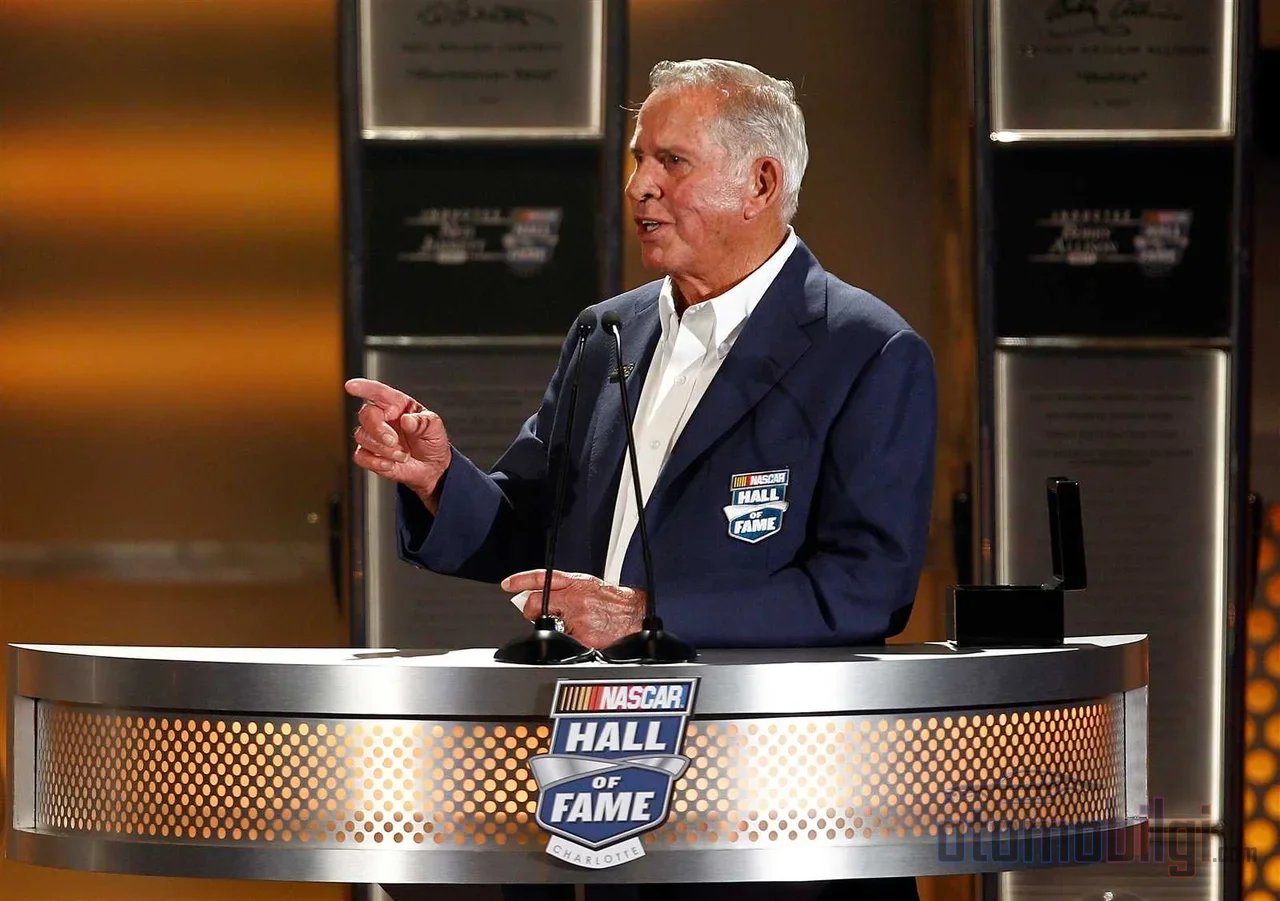
The honors were not delayed either. Pearson entered the NASCAR Hall of Fame's second class in 2011 with 94% of the vote, the highest vote count in his class. He was on NASCAR's 50 Greatest Drivers list in 1998 and the 75 Greatest Drivers list in 2023; his memberships in the International Motorsports Hall of Fame (1990) and the Motorsports Hall of Fame of America (1993) were additional honors. He was named Olsonite American Driver of the Year in 1976.
The sentence to be written into history like a daily entry might be this: David Pearson was one of NASCAR's most efficient champions; he raced little but knew how to win when he did, a fox who stayed in Petty's shadow yet asked his rivals the hardest question in every encounter. The quiet legacy of 105 victories still burns hot enough to ignite the "who was the best?" debate even in 2026.
Sources
- David Pearson (racing driver)
- 5 Facts About David Pearson
- David Pearson | NASCAR Hall of Fame
- 1976 Daytona 500: Petty Vs. Pearson - NASCAR Hall of Fame
- David Pearson - Driver
- David Pearson's career in photos
- Driver vs. Driver: Richard Petty vs. David Pearson
- Who Was Better? David Pearson vs Richard Petty