How Is the NASCAR Playoff Elimination System Shaping Careers?
Share This Page
The NASCAR playoff elimination system is a championship format in which drivers ranked at the top of the standings during a certain part of the season are progressively eliminated, and the champion is largely determined in a single final race. Applied in the Cup Series since 2014, this system reduced the reward for season-long consistency and made the fate of a single Sunday race decisive. January 12, 2026 With the decision announced on that date, NASCAR scrapped the elimination format and returned to The Chase format starting in 2026; now is the perfect time to evaluate the mark the system has left on careers.
Highlights
- The elimination format in the Cup Series from 2014, and in the Truck series since 2016 had been in effect.
- In the 2026 Chase, a win went from 40 points to 55 points ; no eliminations.
- Richard Petty, Dale Earnhardt, and Jimmie Johnson each won 7 championships under very different formats.
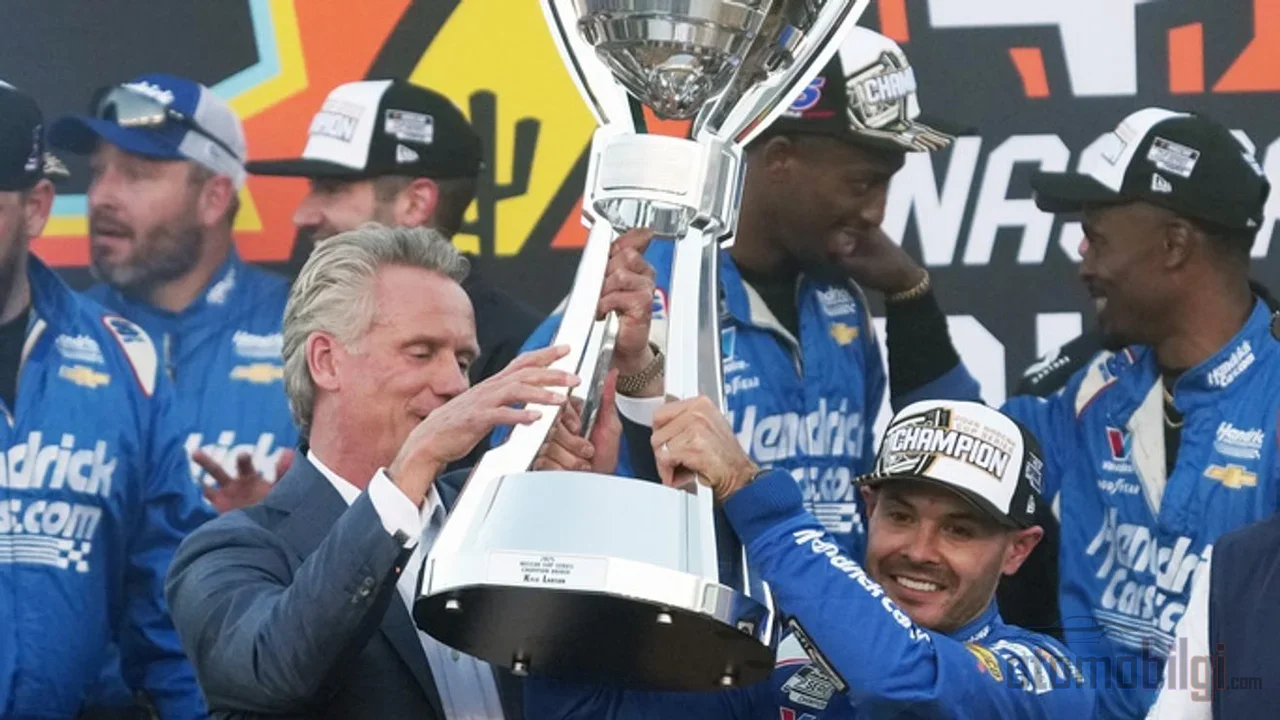
- In the 2025 Phoenix finale, Kyle Larson overtook Denny Hamlin in the final moments to become champion, and the fuse of change was lit.
- The 2026 Chase schedule begins on September 6 at Darlington , with the finale on November 8 at Homestead-Miami.
How Did the Elimination System Work and Why Was It Removed?
Think of the old playoff format like a tournament: after the regular season, 16 drivers entered the championship race, and then over three elimination rounds, one driver bowed out each round. In the end, four drivers remained, and the champion was the one who outpaced the rivals in a single final race. It wasn't a basketball playoff series, but a full Game 7 logic. It was exciting, yes. But was it fair? That's exactly where the debate exploded.
Because the format completely changed drivers tactically. With the importance of regular season points diminished, teams could experiment with experimental setups all summer long, and could even write off some races. The goal was one thing: to be in form when the playoffs began. A driver who cruised at the back in one race but won race after race in the playoffs could get closer to the championship than one chasing the podium every single week of the season.
The final straw was the 2025 Phoenix finale. Denny Hamlin dominated the race and was inching closer to the championship. A late yellow flag turned everything upside down: while Kyle Larson gambled on two tires on pit road, Hamlin chose four, and the position swap happened right there. Larson lifted his second championship. The same year, in the Hamlin and O'Reilly series, Connor Zilisch finished second in winner-take-all finals, while in Trucks only Corey Heim could win, in an overtime restart. A year in which the most dominant names of the season went home empty-handed was enough for NASCAR to sit back down at the table.
NASCAR chairman Steve O'Donnell announced that the decision came after discussions with a broad committee ranging from drivers to team owners, and from OEMs to broadcasters and fans. The goal had three headlines: a larger sample size, making every race matter, and protecting winning while rewarding consistency. Acknowledging that the elimination system had made drivers more aggressive, O'Donnell emphasized, on the other hand, that the format had degraded the value of every race. And his measure on simplicity was memorable: the format should be simple enough to be explained during a twenty-floor elevator ride.
The New Format in 2026: How Does The Chase Work?
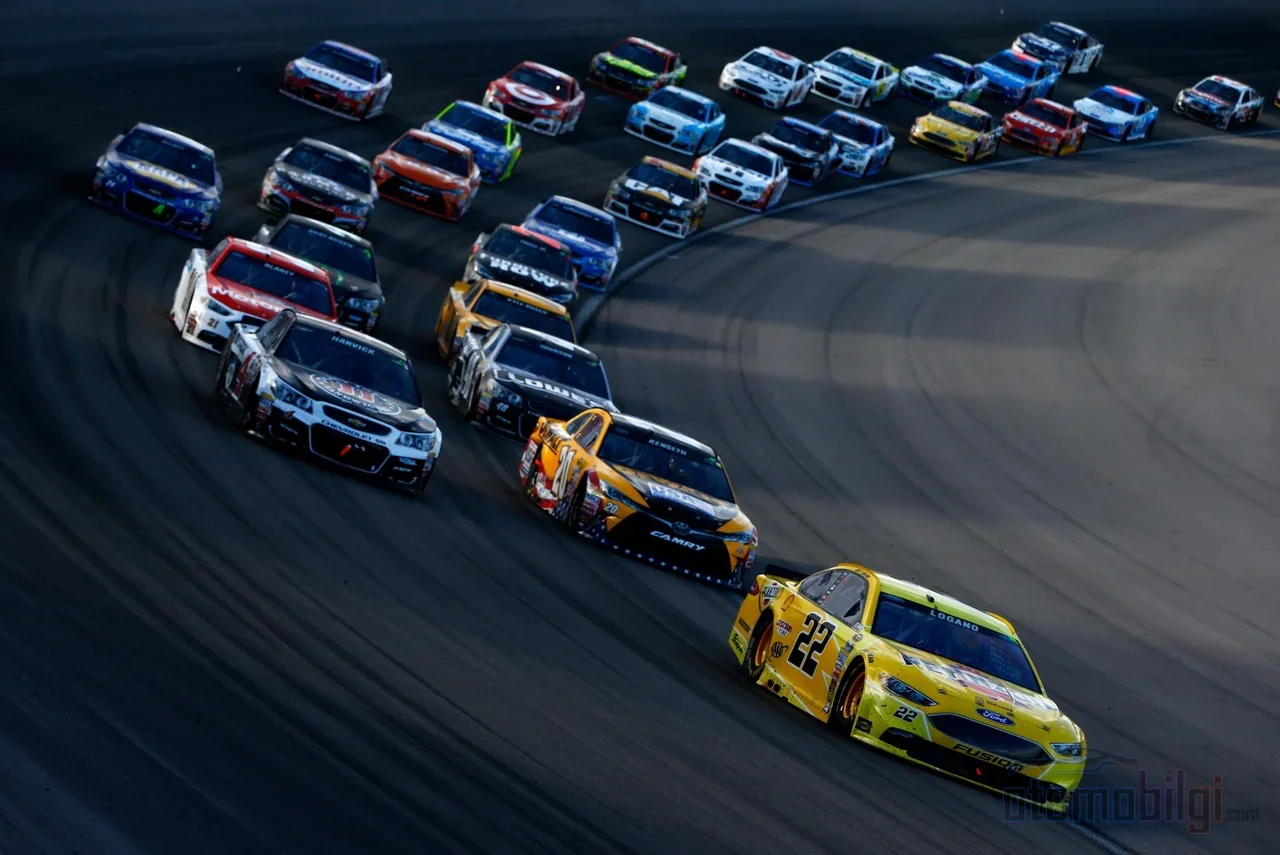
The Chase is based on the framework of the system used in the Cup Series between 2004 and 2013. So you don't have to strain your brain trying to follow the format; the rules really do pass the elevator test.
| Elements | 2026 Chase Format |
|---|---|
| Cup Series entries | 16 drivers |
| O'Reilly Auto Parts series | 12 drivers |
| Craftsman Truck series | 10 drivers |
| Elimination rounds | None, no one is eliminated |
| Regular season | 26 races |
| Chase races (Cup) | 10 races |
| Win points | 55 points (previously 40) |
| Champion | Most points at the end of the season finale |
Two details are particularly important. First, the win-and-you're-in rule has been removed: you can no longer win a race and punch your playoff ticket; it all comes down to the regular season points standings. Second, the so-called playoff points, which drivers accumulated in their pockets, have been removed. The value of a race win has jumped from 40 to 55 points; this is the first major points revision since 2017. So winning is still very valuable, but it's no longer enough on its own to secure a ticket.
Reset at the start of the Chase and seed differences
At the start of the Chase, the standings are reset once. The regular season champion starts with 2,100 points , second place with 2,075, third with 2,065, and there is a 5-point drop for each subsequent seed. So the leader carries a 25-point advantage over second place. This gap isn't so enormous that you'd be finished, but this much is clear: whoever does the best job throughout the season starts the finals in front, and no longer can a single bad week bring them to their knees. The 2026 playoff calendar opens on September 6 at Darlington, with the finale run on November 8 at Homestead-Miami. The season finale has been moved from Phoenix to Homestead; the playoff race at Charlotte will also be on an oval track instead of the Roval.
And to be transparent: some calculations wrote that the regular season champion would carry a gap of nearly 100 points over the last-place driver; according to NASCAR's own statement, the direct difference between seeds is 25 points. The two figures measure different things: one is the total gap between the first and last seed, the other is the step between neighboring seeds. Let's not confuse anyone - what matters is this: the advantage is real but not overwhelming.
Why Are Richard Petty's Championships Counted Differently?
This is the heart of this page. Richard Petty, Dale Earnhardt, and Jimmie Johnson: three names, 7 Cup championships each. It sounds like the same prestige, doesn't it? But the three championships were won in three completely different games. Petty's seven championships came under a pure points system counted throughout the season, with no elimination rounds. The most consistent driver of the year, without question, lifted the trophy. So much so that in 1975 Petty finished the season with 4,783 points, while second-place Dave Marcis remained at 4,061. The gap isn't even comparable to today's finals, where a few points make the difference.
Petty argues that modern elements, namely stage points and elimination-style playoffs, distort real performance, and he favors a return to the pure points system. In an interview he gave in 2025, he openly said he doesn't like the playoff system. From his point of view, the situation is clear: if you're the best throughout the season, you're the champion, not thanks to the luck of a yellow flag on a Sunday. Petty's criticism targets exactly what the 2025 Phoenix final showed. A championship where Hamlin, the most dominant figure of the season, came up empty - can that count as a real championship in the King's eyes?
Jimmie Johnson, on the other hand, tells a different story. Five consecutive championships between 2006 and 2010, followed by another in 2013. His seventh and final championship came in 2016, in the Championship 4 format at Homestead-Miami - a night that used the dramatic power of the single-race final to the fullest. During his dominance in the 2000s, he won 47 of his career's 83 victories; but the last trophy was the work of a Sunday evening. So are all championships equal? The format changed the answer in every era.
How In-Season Strategy Changed: Who Does the New System Reward?
You can liken the elimination era to a final exam: if you went into it and weren't on a good day, years of effort would evaporate in a single weekend. In the new Chase format, you score points every week; even if you bombed one exam, you could still get by with your term average. The winners and losers of this change are quite clear.
Winners: The kings of consistency
If past seasons had been run again with the Chase format, Kyle Larson would have won three championships: 2021, 2024, and 2025. Read that again, you didn't hear it wrong. Alongside the two trophies from the elimination system, three more sat in the consistency-focused system. Also, Christopher Bell would have lost to Larson by just 7 points in a final run with the Chase format in the 2025 season; with full-season points, he would have been the champion instead. Chase Elliott is also in the middle of this list: in 2024 he was the driver with the best average finish, and it's considered he could compete for a championship even with few wins. So now you can't lift the trophy with just a well-timed win streak; you have to stay at the table for the entire season.
Losers: Wildcard cards
The name hit hardest is probably Shane van Gisbergen. Under the old system, his road course expertise made him a nearly guaranteed playoff ticket; he won 5 road races in 2025 but now he needs to reach the top 16 through the points standings. Superspeedway surprise winners are in the same boat: Ricky Stenhouse Jr., Austin Dillon, and partially Brad Keselowski. Even if they win the Daytona 500, they now have to chain together good results for weeks. A single brilliant Sunday is no longer enough to save a season.
Criticism of the Playoff Format: Who Said What, and Who Defended It?
Looking a bit at the history of the playoff system, you see the change was to be expected. Its origins trace back to Matt Kenseth winning the championship in 2003 with few wins; NASCAR billed the format that year for letting a driver with so few victories take the big prize. But every format has produced its own criticism. In 2024, Joey Logano, with a season average of 17.1, became champion through playoff wins; in 2023, Ryan Blaney lifted the cup with wins at Talladega and Martinsville after a dim season. The drivers who saw this did not stay silent: Kyle Larson argued that a single race should not be enough to decide a champion, while Denny Hamlin said there should be no single-race championship and that NASCAR is the only series using this format, and therefore it does not deliver the right champion.
On the other side were those who defended the dramatization. The viewer value of Game 7-style finals, where everything comes down to a single race, was real; anyone who watched Phoenix 2025 will admit it. The handicap of the playoff format was also striking: a favorite winning in the first round could flatten the entire storyline. Moreover, even in the new Chase, there are scenarios where the champion could be mathematically settled before the final; for example, the 2017 Truex or 2021 Larson seasons would already have been decided in Chase scoring before the final week. So there is no perfect format, and there never was. There is only which flaw you prefer to live with.
What Does the New Format Mean for Driver Careers?
In terms of career planning, this change is a real earthquake in the garage. Under the old system, teams could nearly skip the regular season and focus on playoff preparation; setup experiments, track tests, and race strategies were all structured around a September target. Now, all 36 races are part of the points table. A crew chief's early-season plan has to be revised much earlier based on the results of the first few weeks. Think about it: no race anymore, not a single race, resembles a practice match.
Driver profiles will also change. Specialty-focused drivers, such as road course or superspeedway aces, will find a wide field of rivals; while all-around names capable of winning every week will come to the fore. The goals of young drivers on the development ladder are changing the same way: teams are no longer looking for a one-race flash, but for a season-long upward trajectory. Here's a question for you: which champion would you prefer, one who is the best every week throughout the season, or one who risks everything on the final Sunday and takes the trophy? NASCAR wrestled with this question for a full 20 years and in 2026 gave its answer once again: the champion is the driver who finishes the entire season the best. With the green flag waving at Darlington on September 6, we will all see the true face of this new old order together.
Sources
- NASCAR returns to Chase championship format for 2026
- The Chase 101: How new championship format works
- The major NASCAR playoff format change, explained
- NASCAR changes playoff format back to 'Chase'
- Richard Petty on NASCAR's evolution, the playoff format
- Richard Petty Takes Stand Against NASCAR Playoffs
- 50 Years Ago Richard Petty Ruled NASCAR Under a New Rules
- Jimmie Johnson proud of ending NASCAR career with 7 titles
- NASCAR Chase explained: Format, schedule and drivers
- Richard Petty