Are Winter Tires Mandatory, or Can You Get Through Winter on Summer Tires?
Share This Page
Are winter tires a must, or can you get through winter on summer tires? When the temperature regularly drops below 7 °C, summer tires cease to be a safe option: the rubber compound hardens, grip decreases, and braking distance can increase several times over on snowy surfaces. Winter tires are formulated for these conditions, while all-season tires offer a reasonable middle ground in mild winter conditions. Below you will find simple examples of what causes these differences, what the various thresholds mean, and when you practically need to change your tires.
Highlights
- Winter tire switchover threshold: when temperatures regularly fall below 7 °C
- While a vehicle on summer tires stops in about 47.5 m on snow, the same vehicle on winter tires can stop a full 24 m sooner
- Winter tire tread depth can reach up to 10 mm; on summer tires this value is around 6–8 mm
- On wet asphalt in mild weather, the braking distance of winter tires can be up to 20% longer than that of summer tires
- All-season tires are designed to operate in a range of approximately -10 °C to +30 °C
Can You Get Through Winter on Summer Tires? The Short Answer and Its Rationale
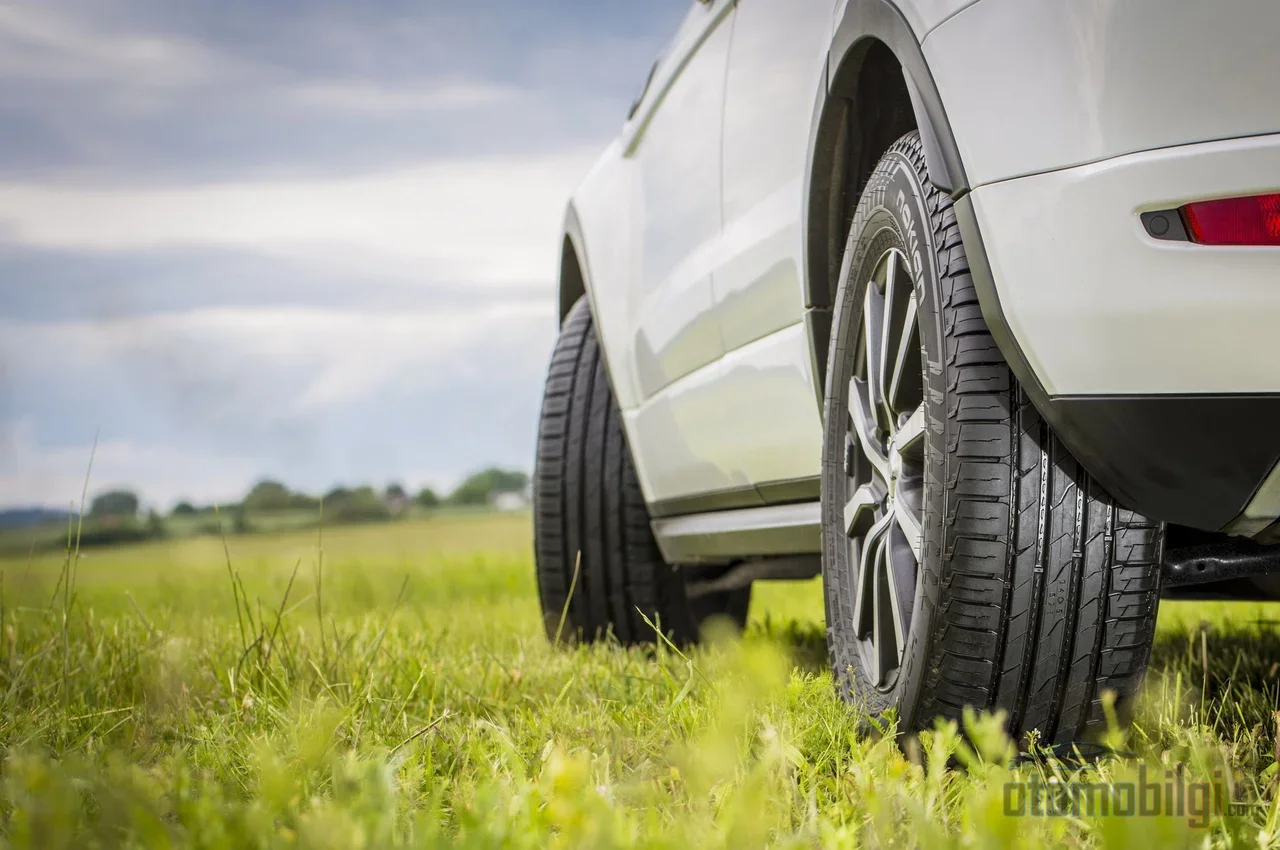
Technically the car will move, but from a safety standpoint the answer is no. The root of the problem lies in the tire's rubber compound. Summer tires are made with a harder compound to withstand hot weather without losing their firmness. As the air cools, this compound hardens even further, and the tire's ability to grip the road begins to decline. The common consensus among manufacturers is this: summer tire compounds are not designed for temperatures below 10 °C. In other words, you don't have to wait for the first snow; the drop in temperature alone already causes a loss of grip.
As someone who knows this business inside out, let me say: thirty years ago tire choice was far simpler than it is today, because there were fewer options. Now drivers standing in front of the shelf, wondering what the difference is between summer, all-season, and all-weather tires, are confused. Yet the issue is not marketing; it is chemistry and physics. Let's take a close look at what happens when the temperature drops.
Rubber Compound: Same Tire, Different Behavior
The rubber compound of winter tires is formulated to retain its flexibility at low temperatures. A flexible tire makes more contact with the surface and fits better into cracks and grooves. With summer tires, it's the other way around: the firmness and stability desired in hot weather turn into an unwanted rock in the cold. On an icy road, a hard tire behaves just like such a lump of ice.
Tread Pattern: Sipes, Grooves, and Evacuation
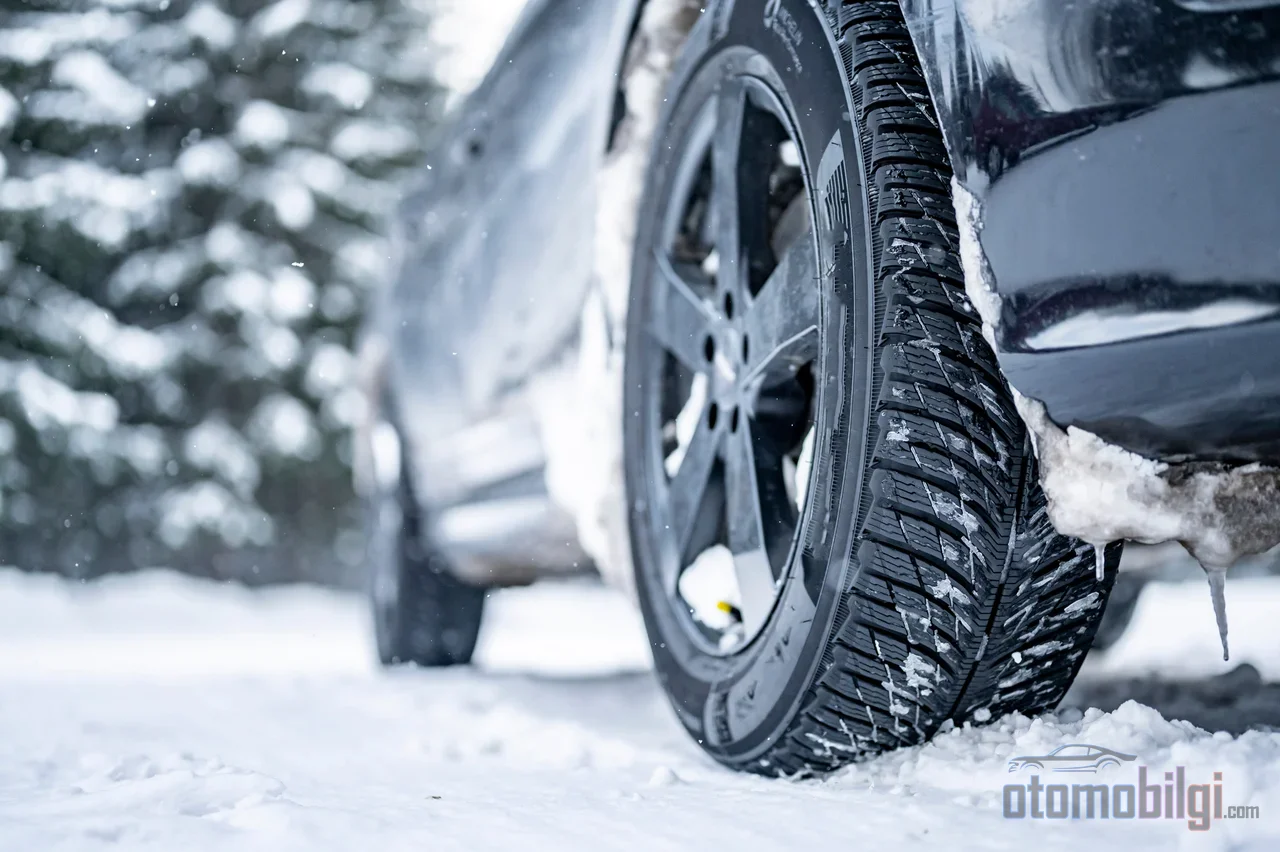
Winter tire tread depth can reach about 10 mm; summer tire tread height is around 6–8 mm. Winter tires also have far more sipes, i.e. thin slits. These thin slits evacuate snow and water from the tread surface, increasing grip on icy surfaces. Summer tires, on the other hand, have a fuller, less indented pattern; this is an advantage in terms of grip on hot asphalt, braking response, and water evacuation. Each tire is the right answer for the climate it was designed for; when used in the wrong season, it becomes the wrong answer.
Braking Distance: The Concrete Measure of the Difference
Numbers tell this difference best. A vehicle traveling at 50 km/h on snow needs approximately 47.5 meters to come to a complete stop with summer tires. The same vehicle with winter tires can stop at a point roughly 24 meters shorter than that distance. In other words, when driving at 50 km/h on snow with summer tires, the distance you travel up to the rear of the vehicle ahead can be almost twice as long as for the same vehicle with winter tires.
It should also be added that on snowy ground, the braking distance can extend three to four times compared to dry roads, and on ice, due to very low friction, five to ten times. In this scenario, the tire difference saves lives: on snowy or icy roads, winter tires can shorten the braking distance by up to thirty percent.
There is also the other side of the coin: winter tires are not superior in every condition. On wet asphalt in mild weather, the braking distance of winter tires is approximately twenty percent longer than summer tires, regardless of speed. Additionally, in hot weather, the soft compound of winter tires stretches too much, stability decreases, braking distance lengthens, and the tire wears faster. For this reason, timing the seasonal transitions correctly is as important as the tire choice itself.
| Condition | Summer Tire | Winter Tire | All-Season Tire |
|---|---|---|---|
| Hot, dry asphalt | Best grip and braking response | Stretches too much, wears quickly | Adequate, with lower rolling resistance |
| Wet asphalt (mild weather) | Short braking distance | Braking distance approximately 20% longer | Similar performance |
| Snow | Loss of grip, very long braking distance | Shortest braking distance | Manages in light snow, insufficient in heavy snow |
| Ice | Unsafe | Best traction | Limited; may be insufficient even in models with 3PMSF |
| Cold below 7 °C (dry) | Compound hardens, grip decreases | Remains flexible | Acceptable |
Is the All-Season Tire Really a Middle Ground?
All-season tires are designed to operate between approximately -10 °C and +30 °C. They are a reasonable choice for regions where snow is rarely seen or for drivers who occasionally encounter winter conditions; in mild conditions, they offer lower rolling resistance and better fuel economy than winter tires. However, they cannot match the performance of dedicated winter tires in severe cold, heavy snow, and ice. If frequent snowy roads, very low temperatures, or steep roads that are not regularly cleared of snow are in question, winter tires are still the right answer.
What Do the M+S and 3PMSF Markings Mean?
Pay attention to the markings on the tire sidewalls. The M+S marking is based only on tread geometry; it does not require passing a certified performance test. In contrast, the three-peak mountain and snowflake symbol, i.e. the 3PMSF marking, requires passing a standardized traction test on medium-density packed snow. So if you live in a region that actually gets snow in winter, a 3PMSF-rated all-weather tire is a more meaningful commitment than an ordinary M+S-rated all-season tire. Still, this rating does not cover pure ice and extreme conditions; it is no substitute for a dedicated winter tire at the low temperatures of a harsh winter.
It is also worth noting that this class has matured. In recent comparative tests, 3PMSF-certified all-weather tires perform very well on dry roads, close second on wet, and deliver solid results in snow. But all the test results confirm the same thing: in extreme conditions, a dedicated winter tire is still one step ahead.
When Should You Change Your Tires?
The answer lies not in the calendar but in the thermometer. The general consensus is this: switch to winter tires when nighttime and early-morning temperatures stay around or below 7 °C (45 °F). In temperate regions this usually coincides with late autumn. The same threshold applies to coming out of winter tires: when temperatures rise steadily above 7 °C, you can switch back to summer or all-season tires; some technicians recommend waiting for about 10 °C. Winter tires fitted early do not cause significant wear during the cold season, so there is no harm in acting a few weeks early.
- Switching to winter: when temperatures regularly drop below 7 °C, without waiting for snow
- Switching out of winter: when temperatures rise steadily above 7-10 °C
- Make the decision based on the daily low temperature, not the daytime peak
Tread Depth: The Legal Limit and the Safety Limit Are Not the Same Thing
In most countries the legal minimum tread depth is 1.6 mm (2/32 inch); for commercial vehicles this limit can rise to 3.2 mm for steering tires. However, this threshold is not a winter safety target. On snow-covered roads, it is recommended not to use tires whose tread depth has fallen to around 4 mm; it is good practice to aim for a tread depth of at least 4-5 mm for winter tires. In some mountainous regions, chain requirements or winter tire legislation require a minimum tread depth of 4.8 mm for compliance. In short, go by the safety limit, not the legal limit: a worn winter tire is not a winter tire, even if the word "winter" is in its name.
Chains or Snow Socks?
Fabric snow socks, which can replace snow chains, are much lighter and easier to fit than metal chains. They offer higher driving comfort and flexibility; To fit them, the vehicle needs to be moved a short distance. On the other hand, they provide less traction especially on ice and wear out faster than metal chains. Metal chains offer the best traction; cable chains, meanwhile, strike a balance between ease of fitting and traction. Whichever solution you choose, verify in advance that the product is compatible with your vehicle and tire size; you won't want to learn this by trial and error on a snowy road. In recent comparative tests, some fabric snow sock models deliver slightly more controllable results during braking than their rivals; nevertheless, on passes where chains are mandatory, check what the local rule allows, because not every region accepts fabric alternatives in the same way.
Conclusion: Look at the Thermometer, Not the Calendar
Getting through winter on summer tires means testing your luck with your tires. The threshold is clear: when temperatures regularly drop below 7 °C, the chemistry of summer tires starts working against you. If you rarely see snow and you have an all-weather tire with the 3PMSF marking, a middle path may be reasonable; with regular snow, ice, and low temperatures, winter tires are non-negotiable. Plan the timing according to the weather, keep tread depth well above the legal limit, and carry a suitable solution for passes that require chains. The summary of this business has not changed in thirty years: the tire is the only part of the vehicle that touches the road, and managing that contact according to the season makes more difference than any performance upgrade.
Sources
- Learn Differences in Types of Seasonal Tires
- Summer tires vs. winter tires
- All-Season vs. Winter Tires: The Differences of a Cold Climate Tire
- All-Weather vs. Winter Tires: The Definitive Test
- What is braking distance
- Snow Tires Guide 2026: Safety & Performance for This Winter
- Winter Driving Safety Info
- Comparison of Winter and Summer Tyres on Bare Roads
- Using winter tires - Transports Canada
- When to Use & Change to Winter Tires
- When to Switch from Winter Tires to All-Season Tires
- When Should I Change My Winter Tires?
- Minimum Tire Tread Depth: 2026 Safety & Legal Guide
- Check the tread depth of your tires before winter
- Vehicle & Tire Safety
- All-Weather vs. Winter Tires
- All-season tire buying guide
- Tested: Best All-Weather Tires for 2026
- Best Tire Chains and Tire-Chain Alternatives of 2026, Tested
- Can I Use Snow Socks Instead of Chains in California?
- Snow Chains vs. Snow Socks - the Pros and Cons
- How to Find the Correct Textile Snow Chains