Is It Time to Replace Your Tires? Wear and Lifespan Criteria
Share This Page
Four things decide whether a tire should be replaced: tread depth, sidewall health, the tire's age, and the pattern of wear. The legal tread depth limit 1.6 mm; a tire that reaches this level or becomes flush with the wear indicators should be replaced as soon as possible. Even if the tread is sufficient, if there is a bulge or visible cracks on the sidewall, or if the tire has passed 10 years since its production date, the debate is closed: it is time to replace it.
Highlights
- The legal minimum tread depth 1.6 mm; replacing earlier may be considered for the sake of braking distance on wet surfaces.
- Wear indicators are located at the bottom of the grooves, at six separate points along the tread.
- Tire age is read from the last four digits of the DOT code; manufacturers recommend replacement at 10 years .
- A sidewall bulge cannot be repaired; the only safe solution is replacement.
- A typical all-season tire 60,000-100,000 km promises a lifespan of between.
Tread depth: what does the 1.6 mm limit tell us?
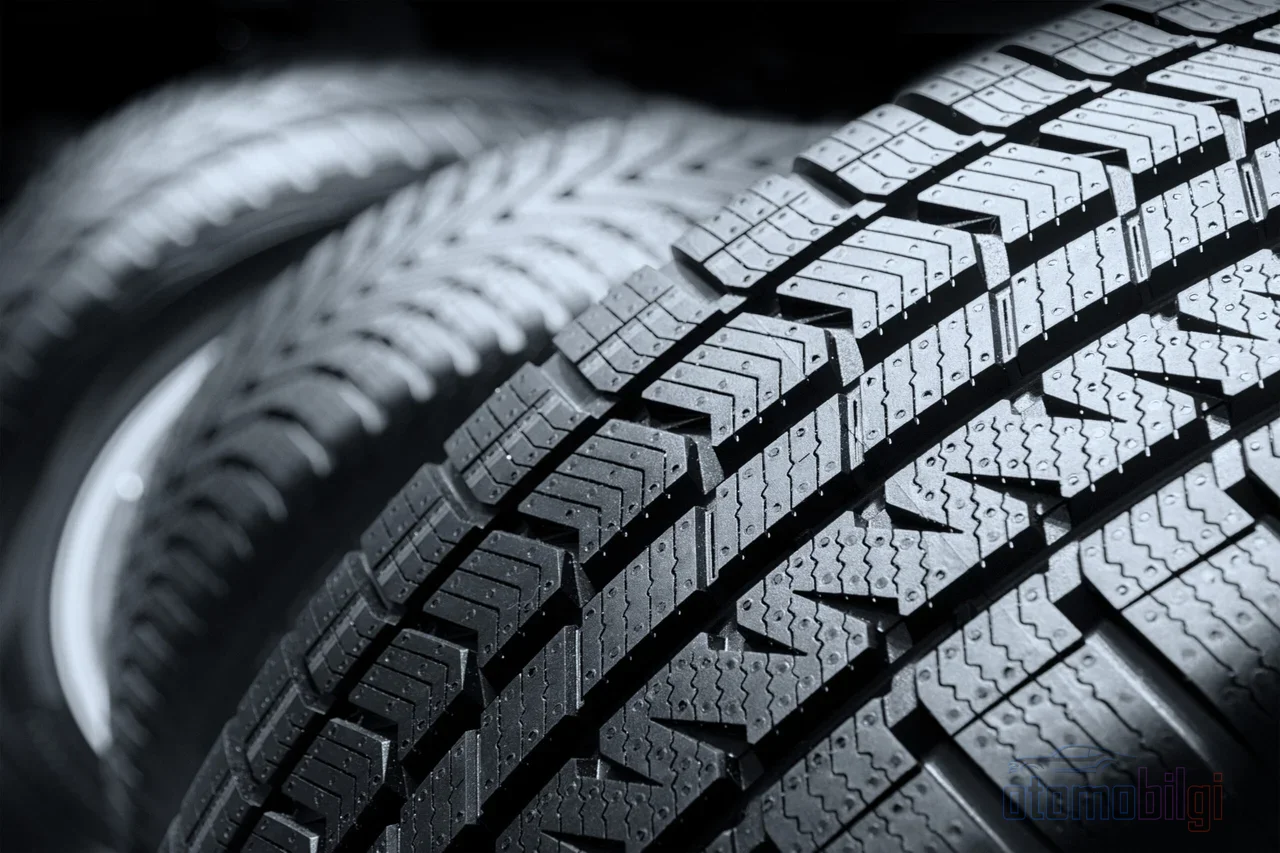
The job of the tread is simple but vital: to channel water on the road surface out through the grooves and ensure the tire grips the ground. As the tread wears shallow, this drainage capacity decreases; the risk of hydroplaning on wet surfaces begins early. That is why 1.6 mm is not just a bureaucratic number, but the final threshold of the tire's ability to perform in the wet. A tire below this level is neither safe nor legally usable.
Keeping track of the number by eye is not difficult, because manufacturers have not left the job to the driver. Every tire has wear indicators built into the tread, at the bottom of the grooves, at six separate points along the tread. These are thin, flat rubber strips rising from the base of the grooves. When the tread reaches the same level as these strips, the tire has reached its minimum depth. To locate the indicators, it is enough to look at the sidewall: some manufacturers mark the indicator position with a special symbol on the sidewall.
Practical methods for measurement
A simple tread depth gauge is sufficient for this task and can be obtained at a very low cost. The classic method is the coin test: place a coin into the most worn groove with the figure on it facing down; if the top of the figure is visible, the tire should be replaced. Keep two points in mind: take the measurement at multiple points on the tire, because wear may not progress at the same rate everywhere. Also, some manufacturers may position the indicators slightly above 1.6 mm; this information is found in the tire's sidewall markings.
So is the legal limit also a margin of safety? Not exactly. The difference between 4 mm and 1.6 mm means approximately 10 meters of extra braking distance on wet surfaces. For this reason, some experienced drivers prefer to replace around 2.5-3 mm; this is a completely reasonable choice. On the other hand, replacing a tire with full tread well above the legal limit is both an unnecessary cost and a waste. The balanced approach is this: as you approach the legal limit, tie it to the calendar, and never see the limit.
Tire age: how is the DOT code read?
Tires age regardless of tread depth. The rubber compound hardens over time and loses its flexibility; this process continues even while the tire sits in the garage. To find out the production date, look at the DOT code on its sidewall: for tires produced after 2000, the last four digits of the code are the date; the first two digits indicate the production week, and the last two indicate the year. For example, a tire whose last four digits are "3524" was produced in the 35th week of 2024. This date is more decisive than the purchase date; a tire that has waited a long time in storage is old even if it is new on paper.
As for hard age limits, the figures are as follows: regardless of wear, 10 years, is accepted as an absolute upper limit in terms of safety. Many experts recommend annual inspection of tires over 6 years old and considering replacement. Spare tires are a special category: those up to 6 years old should only be used in emergencies, and those over 10 years old should never be used. It is also worth adding: age alone does not determine everything; usage conditions, climate, and maintenance history shape the tire's actual condition. But the calendar wins in the end, no matter how much tread remains.
Sidewall damage: why do bulges and cracks admit no negotiation?
Tread wear is a slow and predictable process; sidewall damage is not. The sidewall is the region where the tire's structural skeleton is located, and damage here means the tire cannot be trusted as a whole. If a bubble or bulge forms on the sidewall after a hard contact with a curb, hitting a pothole, or a similar impact, the cords in the inner layers have been damaged. Such a tire cannot safely hold pressure and cannot be repaired; the only solution is replacement. This is not an optional suggestion but a technical necessity.
Cracks are more deceptive because they progress slowly. Fine cracks on the surface are a sign that the tire's hardening and aging process has reached an advanced stage. A crack on its own is also a serious warning; if a crack and a bulge are present together, this is a strong and clear signal for replacement. It cannot be neglected: a tire with bubbles can head toward total tire failure, including sudden or gradual air loss. Inspecting the sidewall for tears, cuts, discoloration, and bulges during periodic checks takes a few minutes, but it can prevent an expensive failure.
Irregular wear patterns and what they mean
A tire carries its wear like a kind of diary. If you read the pattern correctly, the problem is not in the tire but somewhere else. The following table summarizes the most common patterns:
| Wear pattern | Possible cause |
|---|---|
| Wear in the center of the tread | Overinflated tire |
| Wear on both edges | Underinflated tire |
| One-sided wear | Wheel alignment issue |
| Scalloped, cupped wear (cupping) | Worn shock absorbers or bushings; imbalance |
| Feathering | Toe angle misalignment |
The critical point is this: simply replacing an unevenly worn tire eliminates the symptom, not the problem. If the root cause is not fixed, the new tire will wear out just as quickly. Even a minor alignment issue leads to uneven wear, reduced traction, and a shorter lifespan. Getting a wheel alignment check and suspension inspection along with the replacement decision is where money turns into real savings. Pulling to one side, steering problems, and vibrations are also warning signs of the same problem; potholes and curbs silently throw the alignment off.
How many kilometers does a tire last?
Life expectancy varies significantly depending on the tire type. A typical all-season passenger tire 60,000-100,000 km offers a lifespan in that range. High-performance summer tires, due to their soft compounds, are short-lived: a reasonable expectation is between 30,000 and 50,000 km. Winter tires last 4-6 seasons with seasonal use. Some manufacturers even offer tread wear warranties of up to 80,000 miles. A driver covers an average of 12,000-15,000 miles per year; a quality all-season set will survive roughly 3-5 years at that pace.
What determines whether you fall below or exceed these figures is not luck but discipline: correct pressure and regular rotation. Every 10,000-12,000 km tire rotation and regularly maintaining the manufacturer's recommended pressure are the two most effective practices for extending lifespan. At the other end of the scale is harsh use: aggressive acceleration, hard braking, and sharp cornering accelerate wear. There is a striking example on the subject of pressure: an 8 psi (56 kPa) deficiency in a single tire can shorten tire life by roughly 9,000 miles and increase fuel consumption by 4%. Checking the pressure every time you refuel is the cheapest insurance for this job.
Practical check: when to replace a tire, step by step
You can reduce all these criteria to a fifteen-minute routine. Park in a flat, wide area away from traffic; turn off the engine and engage the parking brake. Then, in order:
- Locate the wear indicators in the grooves of each tire; if the tread is level with them, it is time for replacement.
- If necessary, measure with a tread depth gauge and check each tire at multiple points; that is how you catch uneven wear.
- Inspect the sidewall for bulges, blisters, tears, cuts, and cracks.
- Look for any unusual signs such as tread separation, visible cords, or discoloration.
- Note the age of the tires from the DOT code; keep a close eye on those over 6 years old and replace those over 10.
- Measure the pressures and bring them to the recommended value.
If these checks are done at least twice a year, at the change of seasons, your tires will not hold any surprises. If there is a situation you are unsure about, do not hesitate to have a professional inspection; a good service can find something to surprise you within seconds.
Conclusion: simple on paper, vital on the road
Let me say this as someone who has been in this business for over thirty years: deciding on a tire replacement may seem intimidating, but it is actually a matter based on clear criteria. If the tread has worn down to 1.6 mm or the wear indicators have surfaced, there is no debate. If there is a bulge on the sidewall, there is no debate. If the date on the DOT code exceeds 10 years, there is no debate even if the tread is full. If the tread is sufficient but the wear is uneven, find the root cause before replacing. The rest is earning every kilometer the tire gives you through regular pressure checks and rotation.
Sources
- How to interpret tyre wear indicator
- Tire Tread Depth: Legal Limits and What to Know
- How to Check Your Tread
- Tyre Wear Indicators & Minimum Tread Depths
- Tire Date Code: Reading a Tire's Manufacture Date
- When to Replace Tires: Wear, Age, and Safety Signs
- Tire Lifespan & Aging
- Tire Aging and Service Life
- How Old - and Dangerous - Are Your Tires?
- Tire inspection safety checklist
- Tire Safety Ratings and Awareness | TireWise
- Sidewall Problems
- What Do Tire Sidewall Bubbles or Bulges Mean?
- How To Diagnose Tire Wear Patterns
- Can Bad Alignment Wear Tires? What Drivers Should Know
- Alignment Symptoms & Causes
- How Long a Tire Lasts
- How Long Do Tires Last?
- How Long Should a New Set of Tires Last?
- Tire Replacement - Tire Industry Association