Load Index and Speed Rating: The Cost of the Wrong Choice in Vehicle Tires
Share This Page
The load index is a numerical code indicating the maximum load a tire can safely carry when properly inflated; the speed rating expresses, with a letter, the maximum speed at which the tire can safely travel while carrying that load. The 91V code in the sidewall example says this: the tire carries 615 kg per wheel, and being V-rated, it is certified for thermal endurance up to 240 km/h. Together, these two values define the tire's operating limit, and staying below that limit is directly a matter of safety.
Highlights
- The load index can never be lowered below the manufacturer's value; going above it is allowed.
- The speed rating is not just about maximum speed; it is also an indicator of the tire's heat resistance and structural integrity.
- 91 = 615 kg, 102 = 850 kg, 115 = 1,215 kg - a single digit means hundreds of kilos.
- A one- or two-letter decrease on winter and all-season tires bearing the 3PMSF mark is the only legal exception.
- Improper tires can put insurance coverage at risk after an accident.
How to Read the Sidewall Code: 205/55 R17 91V Example
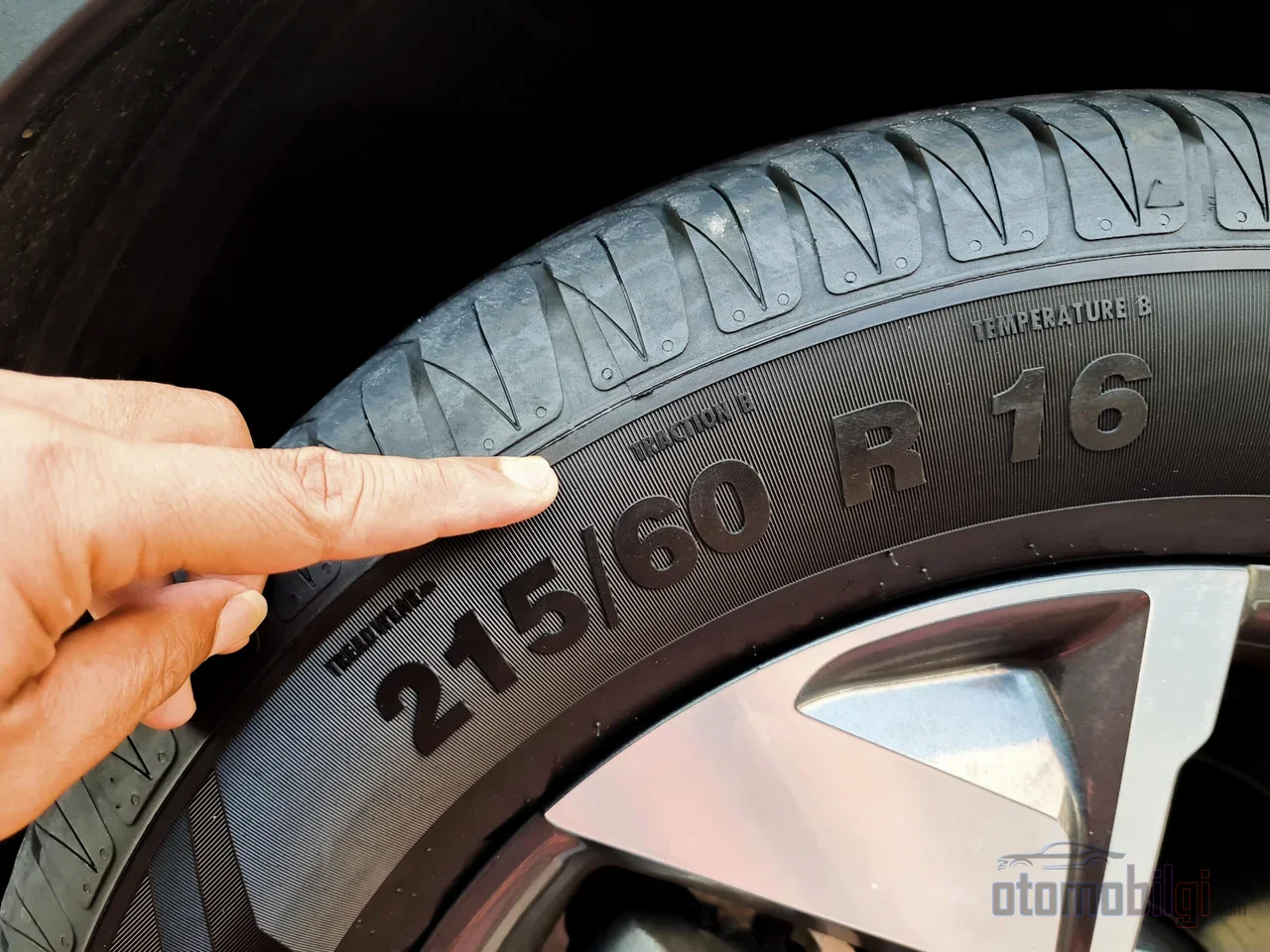
I have been in this business for over thirty years; the most common mistake I still see is reading the sidewall code as just the size and assuming the rest is decoration. Yet the last part of the code, the service description, is the tire's job contract. In the 205/55 R17 91V example, 205 is the width in millimeters, 55 the sidewall ratio, R radial construction, and 17 the wheel diameter in inches. The truly critical part is at the end: 91 load index, V speed rating.
The load index is not a direct weight; it is a row number in a table. Index 91 carries about 615 kg per tire; index 95 rises to 690 kg, and index 102 to 850 kg. Sedans are typically in the 85-95 range; a 91 on a compact sedan is normal. SUVs carry values like 102, while light commercial vehicles operate with indexes like 115, meaning up to 1,215 kg per wheel. The speed rating, which looks like a single letter, is not there for nothing either: H means about 209 km/h, V 240 km/h, W 270 km/h, and Y 299 km/h.
| Code | Meaning | Typical vehicle |
|---|---|---|
| 91V | 615 kg / 240 km/h | Compact and mid-size sedan |
| 102H | 850 kg / 209 km/h | Mid-size SUV |
| 115R | 1,215 kg / 170 km/h | Light commercial vehicle |
One more distinction deserves mention here: if the sidewall bears the XL marking, the tire has a reinforced structure that carries more load at higher pressure than the standard version. A vehicle that comes from the factory with XL tires should not be fitted with standard tires. The newer HL designation developed for heavy electric vehicles continues the same logic.
What Happens If the Load Index Is Lowered?
A tire with a lower load index is condemned to continuously carry loads above its design limit. The price of this comes first as heat: an overloaded tire builds up heat inside, the structure weakens, and the risk of sudden sidewall failure or blowout at highway speeds increases significantly. Manufacturers' owner's manuals and official safety organizations agree on this point.
Heat alone is not the end of it. Under load, grip deteriorates, wear accelerates and becomes uneven, and fuel efficiency drops. The bill grows on the vehicle side too: excessive load can lead to suspension and wheel failures, increased braking distances, and even brake failure. So a tire with the wrong load index is not just the tire's problem; it strains the entire chain of the vehicle's braking and carrying system.
Why Is the Speed Rating Not Just About Maximum Speed?
A driver who will never see 240 km/h in the city might think a V-rated tire is a luxury. It is not. The speed rating is a certification of the tire's capacity to safely manage the heat it generates at that speed; a lower-rated tire does not instantly blow out at high speed, but it is not designed to manage the heat generated by sustained high speeds, and risk accumulates over the long term. Long trips in hot weather further increase the risk of tread separation and blowouts due to consistently high temperatures.
On the other hand, a higher speed rating comes at a cost. Tires in higher classes generally dissipate heat better and perform better in corners and under braking; in return, tread life shortens, the sidewall stiffens, and comfort decreases. In the past, choosing between speed rating and comfort was a necessity with fewer options; now manufacturers determine that balance based on equipment level anyway. The driver's job is not to upset that balance.
A technical note: speed rating values do not apply to damaged, repaired, underinflated, or overloaded tires. An underinflated tire is one of the leading causes of heat-related blowouts and increases the risk of skidding and sliding in emergency situations. Correct pressure is a prerequisite for the load and speed rating to function as intended.
Insurance and Legal Aspects: Does the Wrong Tire Bring a Fine or Loss of Coverage?
In many countries, tires must legally match the load index and speed rating specified by the vehicle manufacturer. Improper tires can lead to fines; more importantly, they can shift the insurance side after an accident. Insurance companies may refuse to cover damage caused or contributed to by improper tires; a tire with a low speed rating may also affect warranty coverage.
It is true that in practice insurers do not question tire ratings in every accident; there is also debate among drivers on this topic. But remember that after an accident where the police report says "tire blowout," the insurer has the right to conduct a technical inspection. The rule is simple: do not go below the value stated on the manufacturer's driver's door sticker and in the owner's manual. The speed rating is also not an invitation to exceed speed limits; complying with legal speed limits is one matter, the tire's limit is another.
Which Values Must Never Be Reduced When Choosing a Spare Tire?
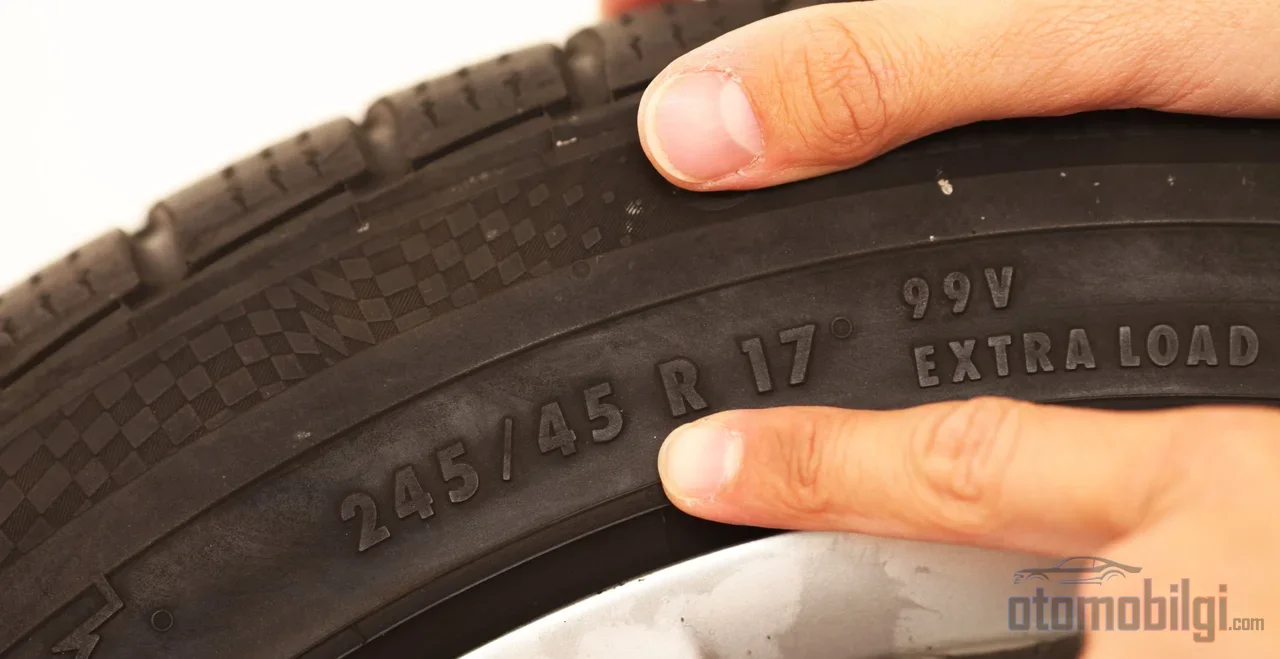
There are two golden rules when choosing an equivalent spare tire, and both are one-directional. For load index, you never go below the manufacturer's value; the same or a higher index is acceptable. For speed rating, the spare tire must also meet or exceed the rating set by the manufacturer. Fitting a higher rating is not a problem; a lower rating is a problem, with one single exception.
That one exception is winter and all-season tires carrying the 3PMSF snowflake mark. These tires are typically in lower ratings such as Q, T, or H, and the vehicle manufacturer's manual generally allows a drop of one or two letters for winter use. Even so, the driver must not drive the vehicle above the tire's rated maximum speed.
Does Fitting a Higher Index Make the Vehicle Carry More Load?
No, it does not. Raising the capacity per tire does not increase the vehicle's maximum load capacity; that limit is determined by the axle's structure and the manufacturer's specifications. A tire with an excessively high load index can also stiffen the ride and reduce comfort. So going up is safe but pointless, and sometimes uncomfortable.
Same Axle Rule: No Mixing
On the same axle, identical tires with the same brand, model, load index, and speed rating must be fitted for safety and balanced road holding. Mixing tires with different load ratings creates unstable handling, braking problems, and increased wear; all four tires should have the same load rating. Having all four identical in size, speed rating, and construction (radial/non-radial) is the most reliable approach.
A practical check can also be done: look at the maximum load in the owner's manual and multiply the capacity per tire by four; the result should be above the maximum load. One final warning: a spare tire fitted in place of a worn tire is not a permanent solution; you should not drive around for a long time on the spare.
A Short Checklist for the Right Choice
- Note the size, load index, and speed rating on the driver's door sticker.
- Never lower the load index or speed rating; going up is allowed but does not increase load capacity.
- A vehicle marked XL or HL must require the same rating on the spare as well.
- A drop of one or two letters on a 3PMSF winter/all-season tire is accepted only if the manual allows it and the rated speed is not exceeded.
- Always fit identical tires on the same axle; do not mix different constructions and ratings.
- Pressure must be kept at the label value; overinflating is the fastest way to make the rating meaningless.
Those two small characters on the sidewall - a number and a letter - are the entire summary of the tire's carrying and thermal limits. The most expensive tire failures I have seen in thirty years have come from downgrade decisions that seemed cheap. Keep the value the manufacturer specified; the rest is already on the road.
Sources
- Tire Load Rating & Speed Rating Explained
- Tire Load Index Chart | Tire Buying Guide
- Tire Load Index: Explanation and Importance
- Tire Safety Ratings and Awareness | NHTSA TireWise
- Interpretation ID: 2672y
- Tire load index (LI): Everything you need to know
- Tire Speed Rating Chart & Tire Tread Life
- Tire Speed Rating: What You Need to Know
- What Is Load Rating on Tires? (And Why It Matters)
- Tire Care and Safety Guide