Are Bigger Wheels More Stylish, Smaller Wheels Smarter?
Share This Page
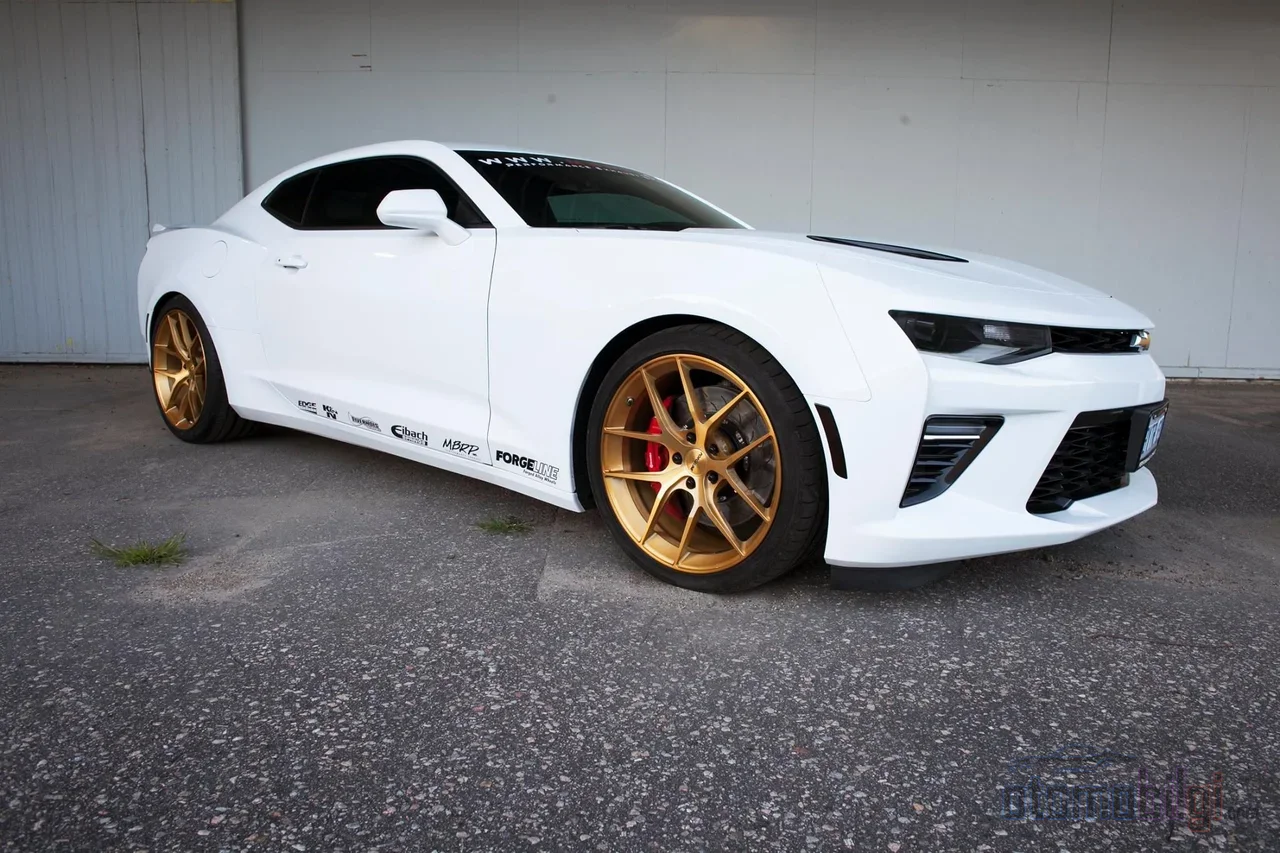
Short answer: if you are after style and road holding, larger wheels are the smarter choice; if you are after comfort, pothole resilience, and annual running costs, smaller wheels win. Choosing 19-inch wheels instead of 16-inch on the same model shortens the tire's sidewall height; this means a firmer ride, a higher risk of pothole damage, and noticeably more expensive tire replacement. The right answer, however, is not universal - it depends on your road conditions and budget.
Highlights
- As wheel size grows, fuel efficiency has been measured to drop by 4-10% .
- From the same tire brand, 17-inch tires are 250-400 USD cheaper per set than 19-inch.
- Low-profile tires with an aspect ratio of 45 and below are significantly more vulnerable to pothole damage.
- The per-kilometer cost of 19-inch tires is roughly twice that of 17-inch ones: 2.2 cents versus 1.19 cents.
- Owners widely report that wheel size makes no meaningful difference in braking distance and acceleration.
What Does Wheel Size Actually Change?
As the wheel's diameter grows, the tire's profile - that is, its sidewall height - is shortened to preserve the wheel's total diameter. The aspect ratio in the sidewall code indicates the sidewall height as a percentage of the tire's width; for example, on a 215/65R16 tire, the sidewall is 65 percent of 215 millimeters. When you switch to a 19-inch wheel, this ratio drops into the 40-45 range, and you can feel the difference when you place your hand on the tire's edge: the tire stops acting as a cushion made of rubber and starts behaving like a bandage.
In fact, this change affects both sides. The stiffer structure fitted into the shorter sidewall limits the tire's roll in corners and delivers a more agile response to steering inputs. In return, that long sidewall is the cushion that absorbs the road's potholes and joints; when you shorten it, you shrink that cushion. Let me say this as someone who has been in this business for thirty years: in the past, even performance packages did not go for exaggerated sizes; now, no matter how good the engineering under the hood is, you still have to return to your neighborhood over the potholes with those big showroom wheels.
Comfort: Does the Smaller Wheel Really Win?
Yes, it wins, and this is not an emotional preference but a matter of geometry. A long-sidewall tire absorbs road imperfections by flexing; a short-sidewall tire mostly transfers the same impact to the wheel and suspension. In independent tests, the smallest wheels deliver the best ride quality, while vehicles with 19-inch wheels exhibit a firmer, stiffer character. 19-inch is still more comfortable than 20-inch - the remaining sidewall, however short, continues to do some absorption work.
The difference should not be exaggerated. On the same model, the difference between 17 and 19 inches is clearly felt by some users, while for others it remains merely a nuance of "firmer and more responsive". The long experience discussions in electric vehicle owners' forums also summarize the picture: 18 inches means better comfort, 19 inches better road holding - while there is no meaningful difference in braking distance and acceleration. In other words, the performance premium of the large wheel beyond comfort is not as big as most drivers expect.
Road Holding and Noise: The Real Advantage of the Large Wheel
The stiff sidewalls of a low-profile tire provide a genuine contribution in corners: the tire leans less, the steering speaks more directly, and the car feels more agile. A wide tire and wheel combination can also increase stability and grip. For someone who enjoys sporty driving, this feeling is a value in itself and should not be dismissed.
On the other hand, this advantage comes with a bill. A wider tire produces more road noise and slightly reduces fuel efficiency. This trade-off between road holding and comfort is the essence of wheel selection: consciously choosing which end to prioritize is the best antidote to later regret.
Pothole Damage: Why Is a Low Profile So Fragile?
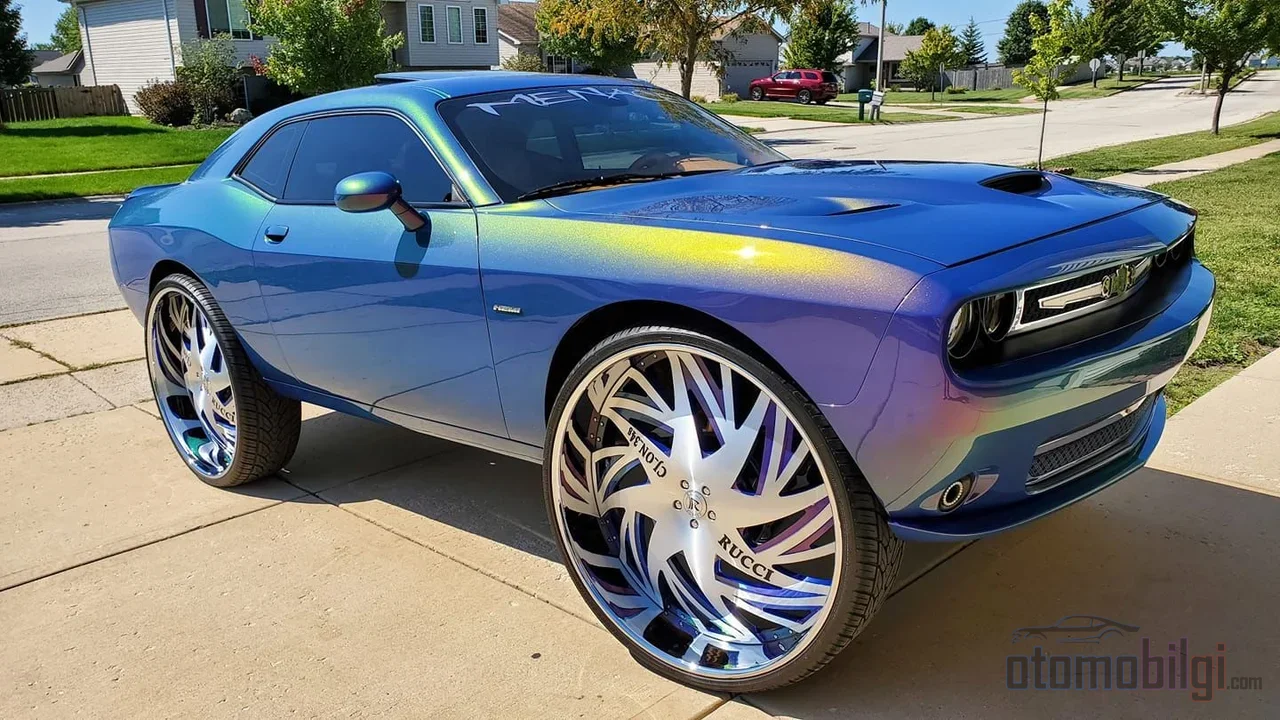
The pothole tests by consumer testing organization Consumer Reports offer the clearest data that concretizes the matter: the short and stiff sidewalls of modern performance tires do not have the flexibility to absorb and adapt when entering a pothole. As the rubber between the tire and the road decreases, the distance over which the impact must be absorbed also shortens; if the pothole is deep relative to the tire, the result is a bulge, sidewall damage, or a bent wheel. Tires with an aspect ratio of 45 and below are markedly more prone to this type of damage.
While low-profile tires provide a performance increase in steering and cornering grip, they are more vulnerable to pothole damage.
This makes a practical calculation mandatory under road conditions in Türkiye. If your routes include potholes, roadworks, and rural connections, the thick sidewall of a 16-inch wheel protects both the tire and the wheel. A single hard pothole impact on a larger wheel can single-handedly write off the tire; if the damage spreads to the wheel, things get even more expensive - finding and replacing a large spare wheel is also difficult.
Fuel Consumption: The Quiet Gain of the Small Wheel
A large wheel is generally heavier, and increasing rotating weight demands more energy, especially in stop-and-go traffic. The effect of this is measurable: when wheel size grows, a 4-10% drop in fuel efficiency is reported. Controlled tests show the effect is measurable but limited; it would not be right to take the very large difference claims circulating in individual anecdotes on the internet as a measurement.
Both details matter. First, the decisive factor is weight, not material: the "fuel saving" promise of alloy wheels is meaningful only if the wheel is genuinely light; otherwise the material itself makes no difference. Second, when you change the tire-wheel diameter from the factory value, the vehicle's gauge calculations can go wrong - because the rolling circumference changes, the consumption figure on the screen drifts. Especially EV owners need to take this into account in terms of range estimation.
Tire and Wheel Cost: Where the Difference Is Most Concrete
Discussing the comfort difference is enjoyable, but the wallet difference is pure math. For the same brand and model of tire, a 17-inch size costs per tire 60-100 USD, and per set 250-400 USD less than 19 inches. On a per-kilometer basis, 17-inch wheels come to about 1.19 cents/mile, while 19-inch ones cost about 2.2 cents/mile - meaning the per-kilometer cost of tires nearly doubles as the size grows. While common sedan sizes (e.g. 205/55R16) remain affordable in mid-range brands, large and premium sizes get expensive quickly; at 21-22 inch sizes, replacing a single wheel-tire combination can reach four-figure dollar amounts.
To sum up, the calculation the two sizes produce over the years is roughly as follows:
| Criterion | 16 inch | 19 inch |
|---|---|---|
| Ride comfort | Best; thick sidewalls absorb impacts | Firm, stiff; remaining sidewall absorbs little |
| Grip / agility | Adequate, slightly less agile | More direct steering, better grip |
| Pothole damage risk | Low | High; bulging and wheel damage are seen |
| Fuel efficiency | Better | 4-10% lower |
| Tire cost | Cheap, plenty of alternatives | Expensive; 250-400 USD difference per set |
| Tire noise | Less | More |
Which Size Is Right for You? A Practical Decision List
Aesthetics is a legitimate criterion; nobody enjoys driving a car they do not find pleasing for long. The problem is when aesthetics alone makes the decision. The following criteria let you test your preference against your own circumstances:
- Road conditions: If your daily route has many potholes and roadworks, stay on the small wheel side.
- Usage profile: If city stop-and-go dominates, the fuel difference accumulates over the years; long, smooth roads are more neutral.
- Budget: If you will replace tires as a set, you pay the 250-400 USD difference in several installments at once.
- Spare parts: Finding a wheel in a large size and replacing a damaged one is harder than in a small size.
- Driving pleasure: If you want a firm and responsive car, the feeling a large wheel gives is real value.
There is also a middle way: the sizes in between - 17 and 18 inches - are the most balanced point for most vehicles. An 18-inch setup offers cushioning close to a 16-inch on rough roads while approaching the agility of a 19-inch to a reasonable degree. If your model offers an option in this size, you get the least costly version of the compromise between comfort and sportiness.
Conclusion: Balancing Style with Budget and Roads
Wheel size selection is a single slider from one end to the other: as the wheel grows, aesthetics and agility increase, while comfort, durability and economy decrease. On potholed roads and for a vehicle used on a tight budget, 16 inches is still the smartest answer; for a user with smooth roads, a love of firm driving, and a comfortable tire budget, the price of 19 inches is acceptable. What matters is paying the price knowingly - it is enough to know that the showroom look does not always match the curb-side reality.
Sources
- How Bigger and Smaller Wheels Affect Ride, Handling and Performance - Road & Track
- Pothole Survival Guide - Consumer Reports
- Effects of Upsized Wheels and Tires Tested - Car and Driver
- 18 vs. 19-inch Wheels - Discounted Wheel Warehouse
- 17 vs 19 Inch Wheels Upgrade - Performance Plus Tire
- Tire Sidewall Damage - Performance Plus Tire
- How Wheel Size Impacts Ride, Handling, Fuel Economy - The Wheel Shop
- Those big wheels are costing you - MarketWatch
- The Hidden Cost of 21- and 22-Inch Wheels - Road Ethos
- Tire Replacement Cost in 2026 - AutoDoctors.ai
- Tire Size Explained - Les Schwab
- 18 vs 19 inch wheels - Tesla Motors Club