Corvette ZR1X: The Most Powerful Corvette in History
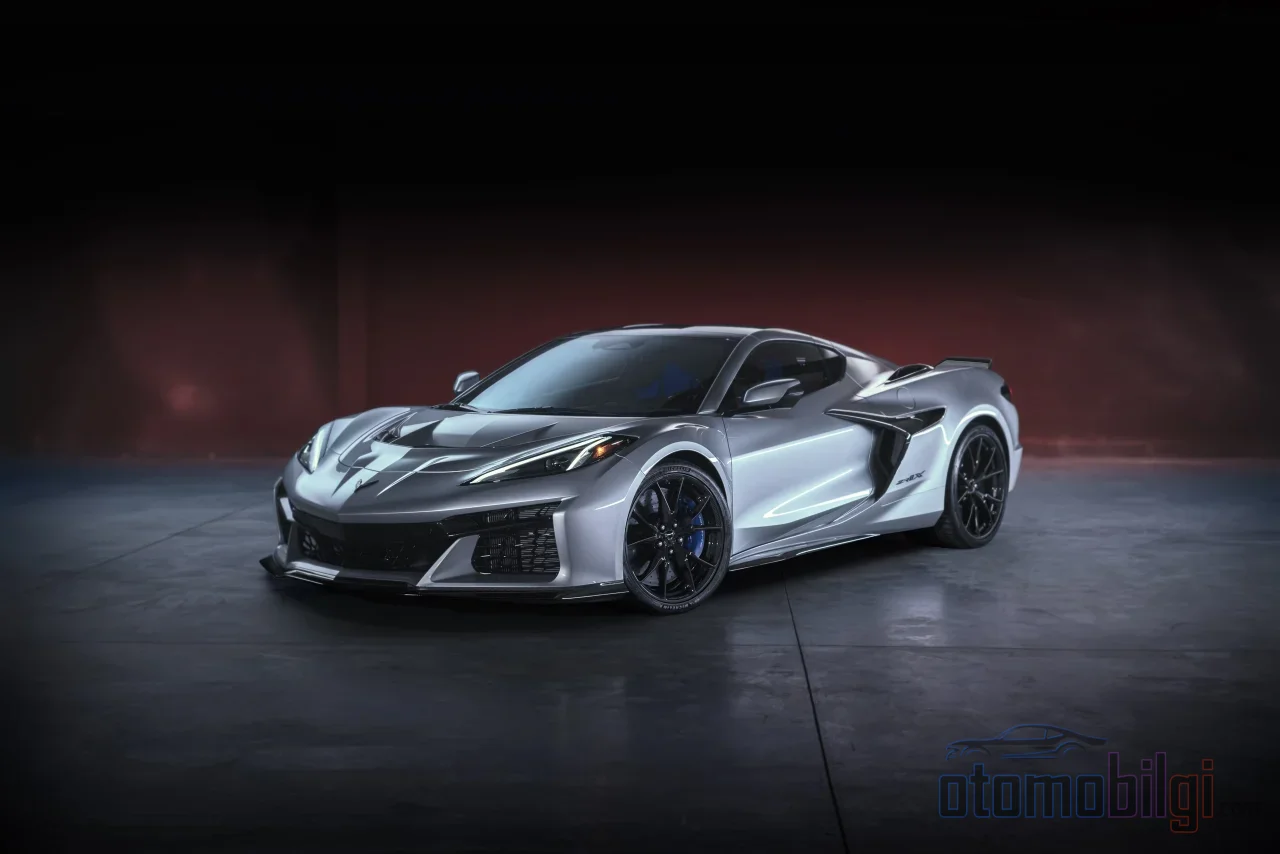
A four-wheel-drive road car had never existed in Corvette history. Chevrolet had even trusted the rear-wheel-drive ZR1's 1,064 hp, leaving the driver alone with the rear tires for half a century. With the 2026 model year, that tradition has ended: An electric motor was placed ahead of the ZR1's twin-turbo 5.5-liter V8, and the most powerful road car the brand has ever produced was born. What's more, its price tag is far below its million-dollar rivals in the same acceleration league.
On this page, we cover the ZR1X's powertrain, acceleration and track figures, braking and chassis hardware, and all the differences between it and the ZR1, using official manufacturer data.
How 1,250 Horsepower Comes Together: LT7 V8 Plus Electric Front Axle
At the heart of the ZR1X is the LT7: A 5.5-liter V8 with DOHC valvetrain, twin-turbo charging, and a flat-plane crank. On its own, this engine produces 1,064 hp (793 kW) at 7,000 rpm and 828 lb-ft, roughly 1,122 Nm of torque, at 6,000 rpm. A cast lead flat-plane crank, finger-follower valvetrain, dry-sump lubrication, and twin turbos of 76 mm each form the technical foundation familiar from the ZR1. The hot-side turbo design and the dynamic anti-lag system are part of the same heritage.
The real novelty is at the front. The electric front drive unit adds 186 hp (138.7 kW) and 196.6 Nm of torque. This unit is the same size as the one in the E-Ray, but with strengthened internal components; the result is 26 hp and 20 lb-ft more than the E-Ray motor. There is no physical connection between the two power sources: While the V8 drives the rear through an 8-speed dual-clutch automatic transmission, the front axle runs on its own electric motor, providing power up to about 257 km/h (160 mph) and then dropping out.
The energy storage system houses a 1.9 kWh battery; the capacity is the same as the E-Ray's, but usable energy has been increased. The battery sits in the middle of the chassis, requires no structural reinforcement, and charges through regeneration from the front drive unit. Total system output is 1,250 hp (932.1 kW). Combined torque is measured at 973 lb-ft at 6,000 rpm, roughly 1,318 Nm; Chevrolet has not officially published this figure separately in metric Nm.
Highlights
- Total output: 1,250 hp (932.1 kW), Chevrolet's most powerful production car
- 0-60 mph: 1.68 seconds (prepared surface), 1/4 mile: 8.675 seconds @ 159 mph
- Nurburgring Nordschleife: The fastest Corvette ever timed, with 6:49.275
- Starting price for 2027: $225,200 (1LZ coupe)
- 16.5-inch carbon-ceramic discs, the largest in Corvette history
Acceleration and Track Performance: What Do the Numbers Say?
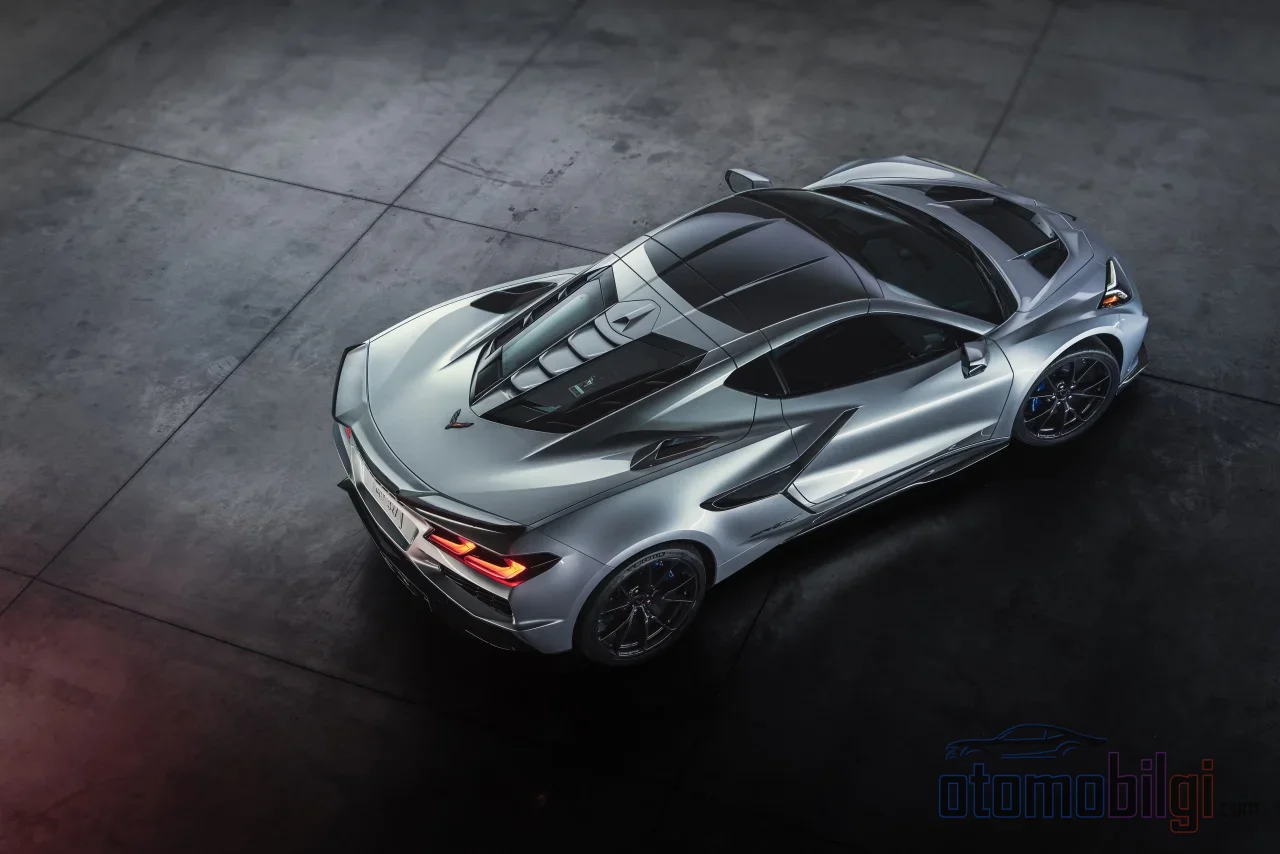
The ZR1X's acceleration figures yield two different results on two different surfaces, and this distinction needs to be read correctly. In Chevrolet's official test in October 2025 on a closed track, on a prepared surface, and with standard tires, the car completed 0-60 mph in 1.68 seconds; the 1/4 mile was covered in 8.675 seconds @ 159 mph (about 256 km/h). Peak acceleration was 1.75G. The official figures published by the manufacturer for the car offered for sale are 0-60 mph in 1.89 seconds and the 1/4 mile in 8.99 seconds @ 157 mph with the ZTK package on an unprepared surface. As for the metric 0-100 km/h value, the manufacturer has not made an official statement; so the primary figures are in mph.
Independent testing also confirms the story: Car and Driver, in its own stricter test procedure, measured 0-60 mph at 2.1 seconds and the 1/4 mile at 9.2 seconds @ 155 mph, and declared it the fastest car it had ever tested. The difference stems from surface and procedure conditions; it is not a contradiction.
On the track side there is more striking data: With GM driver Drew Cattell at the wheel, the ZR1X completed the Nurburgring Nordschleife in 6:49.275, becoming the fastest of the three Corvettes Chevrolet has timed on this circuit. Top speed on the track is 233 mph, roughly 375 km/h.
Its Place Within the C8 Generation
Chevrolet's own 0-60 mph figures draw a clear ladder: Stingray Z51 2.9 seconds, Z06 Z07 2.6 seconds, E-Ray ZER 2.5 seconds, ZR1 ZTK 2.3 seconds, and ZR1X ZTK 1.89 seconds. The traction the electric front axle adds at launch is the reason for the biggest jump in the lineup.
Brakes, Chassis and Track-Focused Hardware
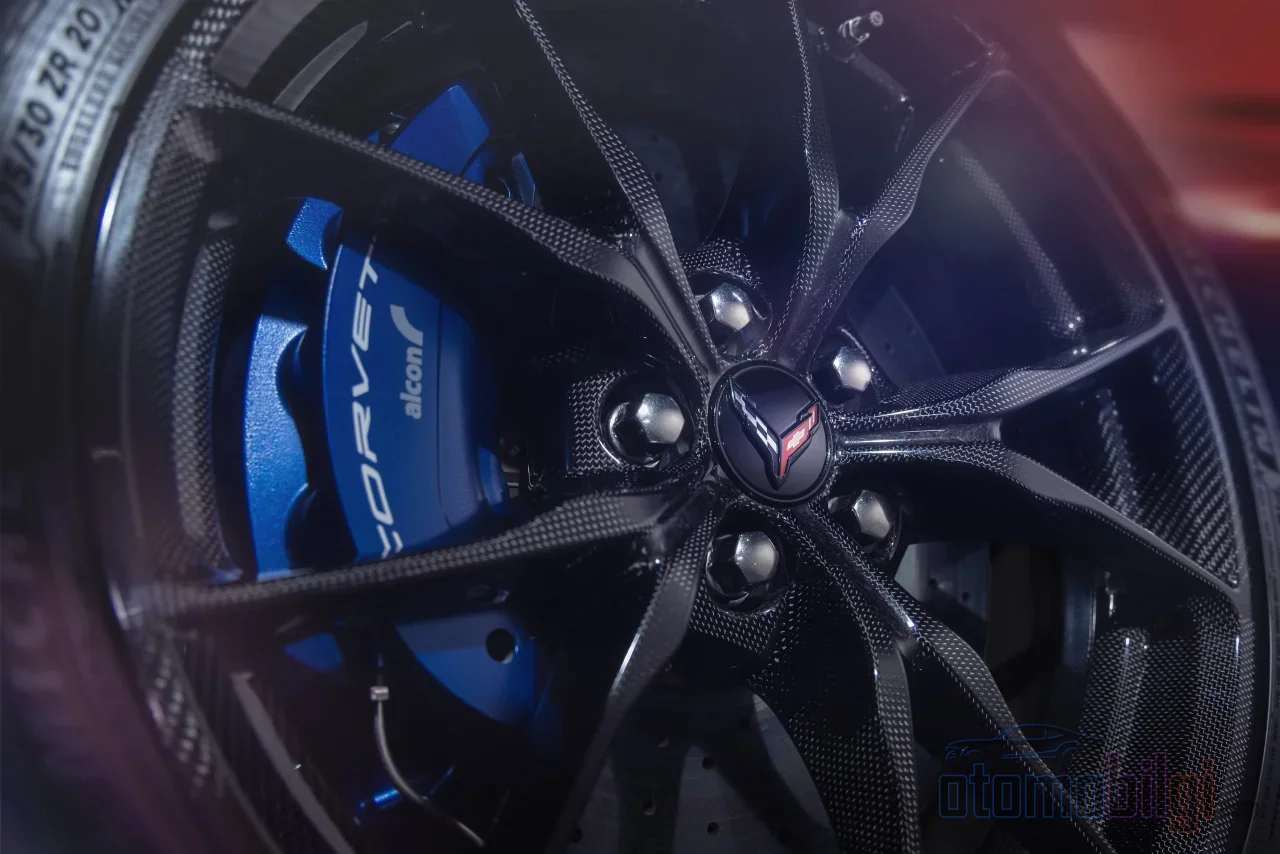
To stop 1,250 horsepower, the J59 brake package is standard on the ZR1X: Alcon 10-piston front and 6-piston rear calipers and carbon-ceramic discs 16.5 inches in diameter, the largest brake discs in Corvette history. In GM testing, the car produces 1.9G of deceleration in the 180-120 mph range.
On the chassis side, two setups are offered, both with magnetic ride control. The standard chassis comes with Michelin PS4S tires, while the ZTK Performance Package adds stiffer springs and Michelin Pilot Cup 2R tires; the package is priced at 1,500 USD. The Carbon Aero package produces approximately 544 kg (1,200 lbs) of downforce and is considered standard on ZTK cars; on other configurations it costs 12,995 USD. The 2027 configurator offers 10 exterior colors, 5 wheel designs, 6 caliper colors and 144 factory options.
On the software side, the PTM Pro mode that arrived on all Corvettes in 2026 turns off traction and stability control while keeping regenerative braking torque vectoring, Front Axle Pre-Control and Launch Control active. Three energy modes are defined for track use: Endurance (Charge+), Qualifying and Push-to-Pass.
Differences Between the ZR1 and ZR1X
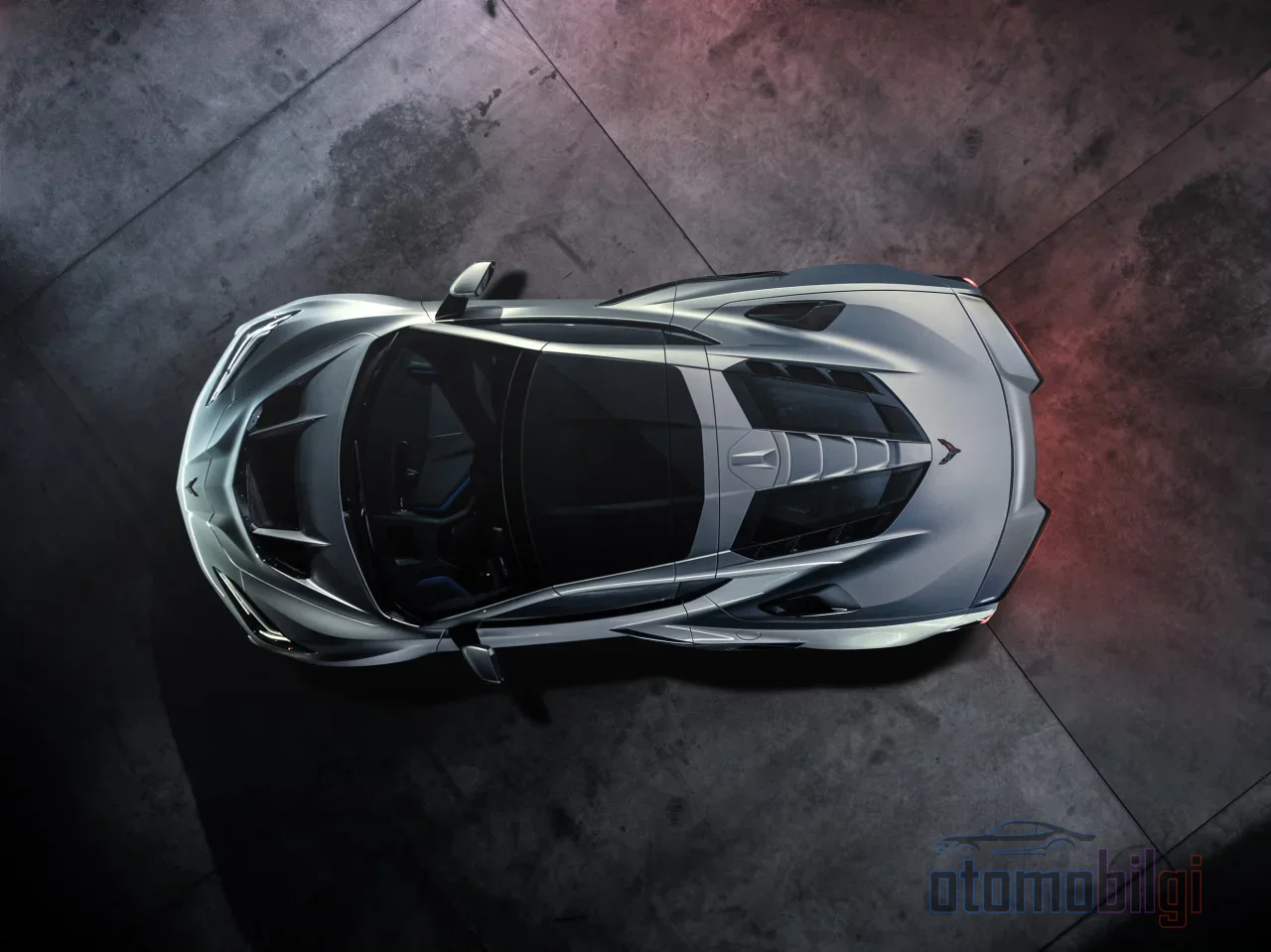
In short: The ZR1X is a higher version positioned as a separate model, with an electric front axle (eAWD) added on top of the rear-wheel-drive ZR1. The table below compares the two siblings using official 2027 Chevrolet data.
| Feature | Corvette ZR1 | Corvette ZR1X |
|---|---|---|
| Total power | 1,064 horsepower | 1,250 horsepower |
| Traction | Rear-wheel drive (RWD) | All-wheel drive with electric front axle (eAWD) |
| 0-60 mph (ZTK) | 2.3 seconds | 1.89 seconds |
| 1/4 mile (ZTK) | 9.6 seconds | 8.99 seconds |
| J59 brake package | Optional | Standard |
| 2027 price (Chevrolet page) | 198,000 USD | 227,800 USD |
On the daily-use side, there are also two electric modes. Stealth Mode provides 4-5 miles of electric-only driving up to 45 mph; Flying Start goes from silent launch to full V8 plus eAWD power, meaning a system with over 1,200 horsepower.
Price, Production and Competitive Position
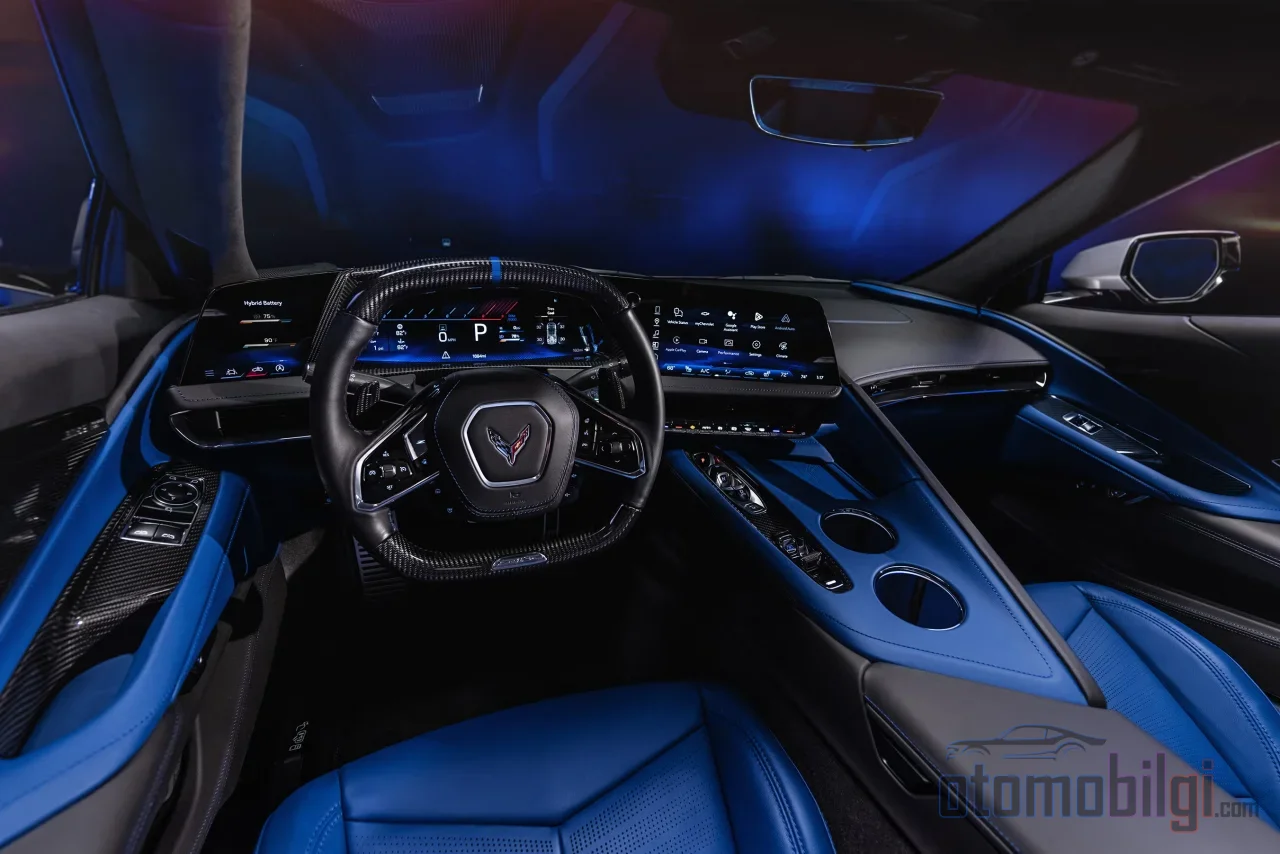
Production started in December 2025 at Bowling Green Assembly in Kentucky; each LT7 engine is hand-assembled at the Bowling Green Performance Build Center. The starting price of the 2026 model year was USD 209,700. For 2027, the 1LZ coupe is at USD 225,200, and the 3LZ coupe at USD 236,200; Chevrolet's ZR1X page shows USD 227,800, meaning about USD 29,800 more expensive than the ZR1. On top of the USD 2,495 destination charge, a USD 2,600 gas guzzler tax is added for 2027. Fuel consumption in the EPA cycle is 12 mpg city, 19 mpg highway, 14 mpg combined; against the ZR1's 12/18/14 figures, there is a 1 mpg improvement on the highway.
Chevrolet's own comparison table clarifies which league the ZR1X plays in: it is in the same acceleration class as the Rimac Nevera R (USD 2.5 million), Pininfarina Battista (USD 2.2 million), Koenigsegg Jesko Absolut (USD 3.4 million) and Bugatti Tourbillon (USD 4.6 million); at 8.675 seconds in the 1/4 mile, it is ahead of most of this group. The brand's positioning is clear: the fastest 1/4 mile car under a million dollars.
| Hardware / Data | Value |
|---|---|
| Engine | 5.5 L twin-turbo DOHC V8 (LT7) + electric front axle |
| V8 power / torque | 1,064 hp @ 7,000 rpm / 1,122 Nm (828 lb-ft) @ 6,000 rpm |
| Front electric motor | 186 hp (138.7 kW) / 196.6 Nm |
| Total power | 1,250 hp (932.1 kW) |
| Battery | 1.9 kWh, charged via regeneration |
| Transmission | 8-speed dual-clutch automatic |
| 0-60 mph | 1.68 s (prepared surface) / 1.89 s (official, ZTK) |
| 1/4 mile | 8.675 s @ 159 mph / 8.99 s @ 157 mph |
| Top speed | 233 mph (approximately 375 km/h) |
| Price (2027) | Starting from USD 225,200 |
A few pieces of data have not yet been disclosed by the manufacturer: the official Nm equivalent of the total torque, the vehicle's official weight and weight distribution, the 0-100 km/h metric acceleration figure and WLTP consumption. These are values explicitly stated in the text; they have not been filled in by estimation. As for body styles, a coupe or hardtop convertible can be chosen; coupe trunk volume is 9.1 ft³, fuel tank 18.5 gallons.
Assessment: What Is the Corvette ZR1X Like to Buy?
The ZR1X, as Chevrolet's first all-wheel-drive and first 1,250-horsepower road car in Corvette history, is a model in its own right, distinct from the ZR1: by adding a 186-horsepower electric motor in front of the 1,064-horsepower twin-turbo LT7 V8, it achieves an official 0-60 mph of 1.89 seconds and a 1/4 mile of 8.99 seconds, finishes the Nurburgring in 6:49.275, and does all this with a starting price of USD 225,200, in the acceleration class of million-dollar hypercars. In short, it is the fastest production American car sold today and the most radical step Corvette has taken in terms of powertrain architecture.