Kenny Roberts' Three Consecutive 500cc Championships
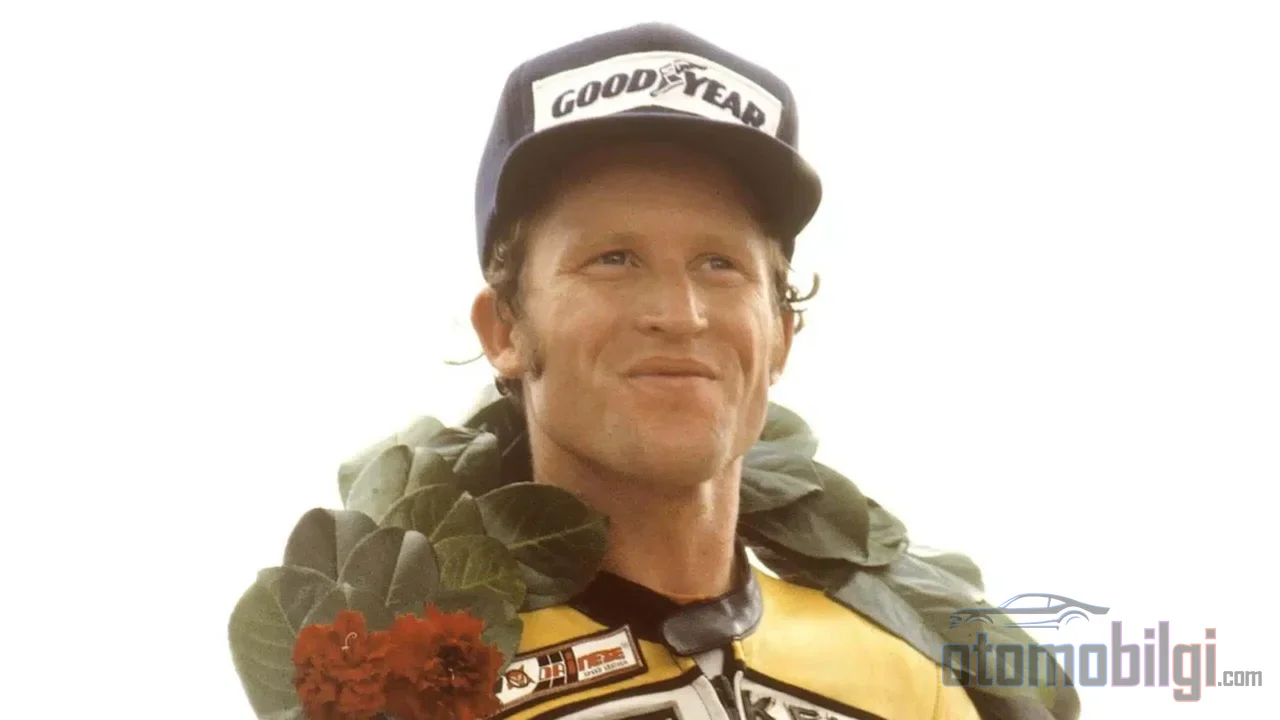
At the start of the 1978 season, everyone in the Grand Prix paddock was thinking the same thing: what is that American with the giant engine motorhome and the big mouth trying to do? He had brought a dirt-track style of "sliding through corners" into the midst of Europe's sharp, flawless racing lines. A year later, nobody was smiling; because Kenny Roberts had not only won, he had also rewritten how the 500cc class would be ridden in the future.
On this page, we will tell the story of Roberts' three consecutive 500cc world championships in 1978, 1979 and 1980, his partnership with Yamaha, and the birth of the riding style we see in every corner of MotoGP today. If you're ready, let's dive into the "King Kenny" story; because motorcycle racing was never the same after this man.
The Kid from the Dirt Track: Who Is Roberts?
Kenny Leroy Roberts was born on October 1, 1951, in Modesto, California. In 1965, at just 14 years old, he began racing amateur events and quickly became one of the most talked-about names on the American motorcycle scene. In 1973 and 1974, he won back-to-back AMA Grand National Championships; plus three 500-mile victories on the dirt track to boot.
The interesting part is this: Roberts achieved these successes on Yamaha dirt-track motorcycles that were noticeably less powerful than Harley-Davidson's mighty machines. In other words, to win he relied not on the engine, but on his own line and technique. We will soon see just how important this detail would later prove on the world stage.
1978: How to Win a World Championship in Your First Season?
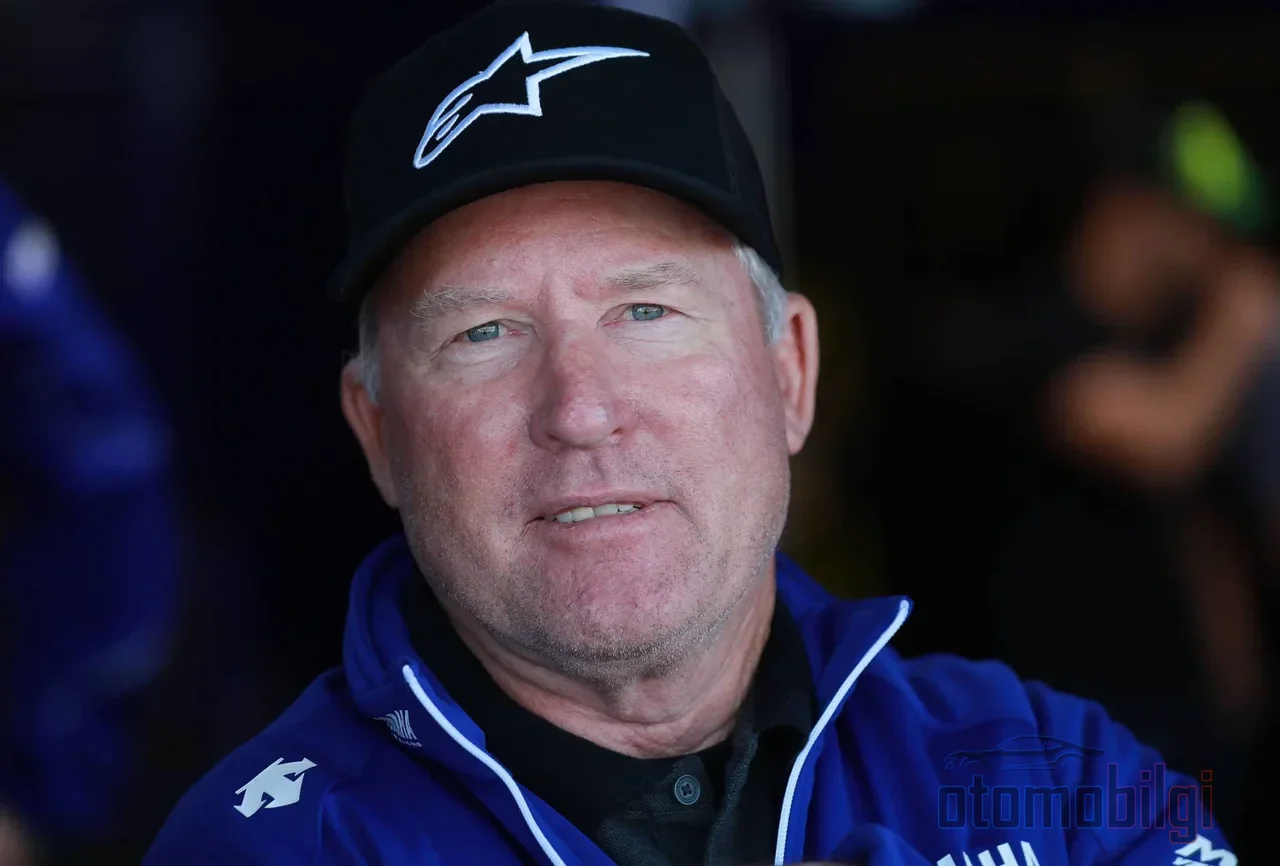
In 1978, Roberts joined Yamaha's factory team and began racing under the same roof as Johnny Cecotto. You know what was extraordinary? This was his first full season in the 500cc class. So the prospect of capping a rookie year with a championship was like acing an exam without ever studying; it seemed impossible, but Roberts did it.
Highlights
- Roberts became the first American 500cc world champion in 1978, and in his rookie season no less.
- He won the world championship three times in a row, in 1978, 1979 and 1980.
- Championship machines: YZR500 0W35K, 0W45 and 0W48/0W48R.
- In his GP career, just 24 victories from 60 race starts.
- His son, Kenny Roberts Jr., became champion in 2000, making them the first father-son world champions in GP history.
During the season he won four races, finished second three times, third once, and pocketed two pole positions. In the championship race, he showed remarkable maturity: rather than take risks, he saved the bike and crossed the finish line in second place, taking the trophy home. That same year he was not limited to the 500cc class either; he finished fourth in 250cc and second in Formula 750 with four wins. The man simply didn't know how to tire.
YZR500 0W35K: The Silent Killer
The 1978 championship machine was Yamaha's factory racing motorcycle, the YZR500 0W35K. These "OW series" machines were never sold to private racers; the full technical specifications were never fully published. So his rivals could only see what Roberts was riding during the race, and usually from behind. Yamaha's Power Valve technology also played an important role in the first championship.
1979 and 1980: Completing the Championship Series
One championship can be a fluke; two championships cannot be a coincidence; but three falls into the legend category. In 1979, Roberts defended his title with the YZR500 0W45, taking five pole positions and five wins. In 1980, with the 0W48/0W48R machine, he completed the hat-trick with two pole positions, three wins and consistent finishes.
Beyond the numbers, the statistics of 24 victories in 60 Grand Prix starts and at least two wins in each of six seasons show just how repeatable an advantage Roberts built. He spent a total of 13 years with Yamaha; it wasn't a contract, it was almost a marriage.
The story didn't end with the series either: he finished third in 1981 and fourth in 1982; and in 1983, with six pole positions and six wins, he fought a historic battle against Freddie Spencer but lost the championship by a narrow margin. That season is remembered as one of the most memorable duels in Grand Prix history. Even after retirement, he entered the Suzuka 8 Hours endurance race in 1985 and 1986; real racers never park themselves in the garage, I suppose.
How Was the Rear-Wheel-Slide Cornering Style Born?
This is the heart of this page. The biggest weapon Roberts brought when he came to Europe wasn't the engine; it was the cornering technique he had learned on dirt tracks. In dirt-track racing, you turn the motorcycle into a corner by deliberately sliding the rear wheel; you use the tire's grip not like a knife, but like a brush. Roberts carried this approach to the asphalt Grand Prix circuits, and the technique of placing the motorcycle into a corner with a controlled rear-wheel slide quickly became the talk of the paddock.
He also popularized the knee-down technique in 1978. Yes, that knee scraping the asphalt that we now consider normal when watching MotoGP. Before Roberts, Grand Prix riders didn't drag their knees on the asphalt; the hang-off riding posture and measuring distance with the knee were among the innovations this man brought to Europe. The roots of that aggressive, rear-tire-steered riding style that has now become the standard go back there, to the 1978 season.
So what was the result? The sport was never the same again. The great American wave of the 80s came and went through the door Roberts opened: Randy Mamola, Freddie Spencer, Eddie Lawson. Dirt-track culture merged with European circuit discipline, and modern Grand Prix riding was born. The next time you watch a MotoGP race and see a rider sliding the rear of the motorcycle before a corner, know that that scene was rehearsed on the California dirt tracks of the 1970s.
The Championship Machines: Why Is the OW Series So Mysterious?
Roberts' championship motorcycles were, in order:
- 1978: YZR500 0W35K - 2 pole positions, 4 wins
- 1979: YZR500 0W45 - 5 pole positions, 5 wins
- 1980: YZR500 0W48/0W48R - 2 pole positions, 3 wins
The OW series were inline four-cylinder two-stroke racing machines that were never put on sale; which is why they count among the most examined yet least understood motorcycles in GP history. In 1982, Yamaha shifted to a lighter direction with the 0W61, carrying its first V4 GP500 engine; the development line descended from this engine extends over the years to the YZR-M1, the ancestor of today's MotoGP Yamaha.
Another nice detail: The 1980 championship motorcycle 0W48 was purchased from Roberts himself by the Barber Vintage Motorsports Museum, and the legendary rider will ride this machine again years later at the Goodwood Festival of Speed. Not on the dusty shelves of history, but as a living legend.
After Racing: Team Owner Roberts
When he hung up his helmet, Roberts did not cut ties with the sport. He founded Team Roberts and carried Wayne Rainey and John Kocinski to world championships; meaning he accumulated three championships as a rider and three more as a team owner. From 1997 onward, he entered MotoGP with his KR team on his own uniquely built motorcycle. Membership in the Motorsports Hall of Fame is one of the official seals on a full and rich career.
And the sweet side of the coin: his son Kenny Roberts Jr. When he became the 500cc world champion in 2000, they earned the title of the first father-son world champions in Grand Prix history. The racing gene really does run in some families.
Why Is Kenny Roberts Still Important?
Let me answer briefly and clearly: Kenny Roberts is the first American rider to win three consecutive 500cc world championships from 1978 to 1980, starting this in his first 500cc season, and by bringing the techniques of sliding through corners and touching a knee to the ground to Europe, he laid the foundations of today's MotoGP riding style.
In other words, Roberts is not merely a statistic, but a turning point. Before him there was a European-style Grand Prix; after him, a modern, dynamic riding understanding blended with dirt track aggression. In every MotoGP race, in every rider sliding into a corner, there is King Kenny's signature. Motorcycle racing is like national football; those who change the rules are never forgotten, and Roberts is one of them.
Sources
- Kenny Roberts - Racing Information - Yamaha Motor Global
- 1978 Season Archive - Yamaha Motor Co., Ltd.
- Kenny Roberts Had A Special Weapon That Helped Him Win - Cycle World
- Three-Time 500cc Grand Prix World Champ Kenny Roberts to Ride His 1980 YZR500 at Goodwood - MotoAmerica
- Kenny Roberts didn't just win races, he changed Grand Prix motorcycle racing forever