The Bill for a Faulty LED Headlight Can Reach $2,500
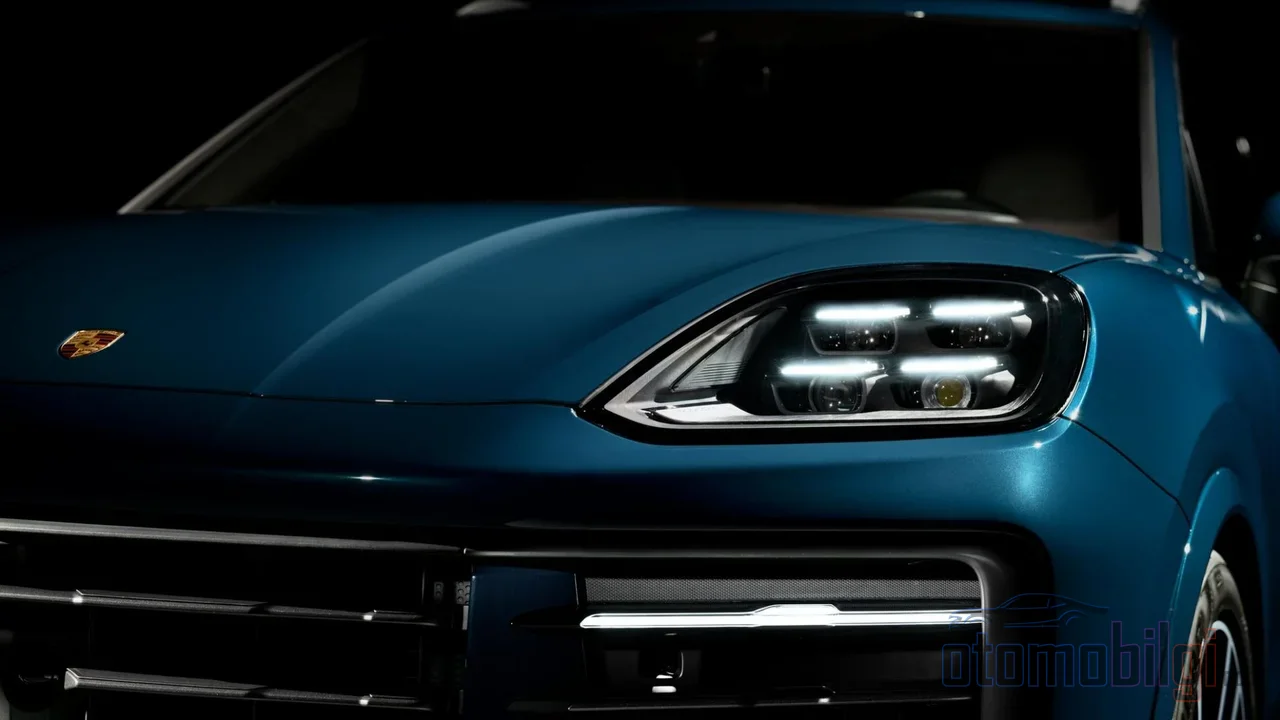
There was a time when fixing a blown headlight bulb was simple: you'd buy a bulb from the gas station, pop the hood, and swap it in five minutes. The total cost was about the price of a coffee. So why can't we do the same thing today? Because a modern LED headlight is no longer a box where a bulb gets replaced; it's an electronic system with its own driver circuits, control units, thermal management, and sometimes dozens of individually controlled LEDs. And when one part of this system fails, the bill can be dozens of times higher than for an old halogen bulb. Let's find out why, by looking at what has actually changed inside the headlight.
Why Was Troubleshooting Easy in the Halogen World?
The heart of a halogen headlight was a single part: the bulb containing a tungsten filament. The filament had a lifespan of roughly 500 hours, and when it burned out, all you had to do was twist it out and put in a new one. The part cost between 10 and 30 dollars; including labor, the job could be done for 25 to 100 dollars per side. The bulb socket was standardized, the twist mechanism was mechanical, and nobody disassembled the headlight unless it was necessary. In short, both diagnosing and fixing the fault were simple enough for the driver to do themselves.
Another reality of the halogen bulb was energy efficiency: it drew about 55 watts, but most of that power was wasted as heat, not light. An LED producing the same light gets by on just 10-15 watts. It was precisely this efficiency advantage that brought an entirely new engineering discipline into the headlight: thermal management, the necessity of protecting the electronics. Because although the LED itself runs cool, high-power LED chips operating in a compressed, small volume generate a serious amount of heat, and that heat has to be carried somewhere.
What's Actually Inside an LED Headlight?
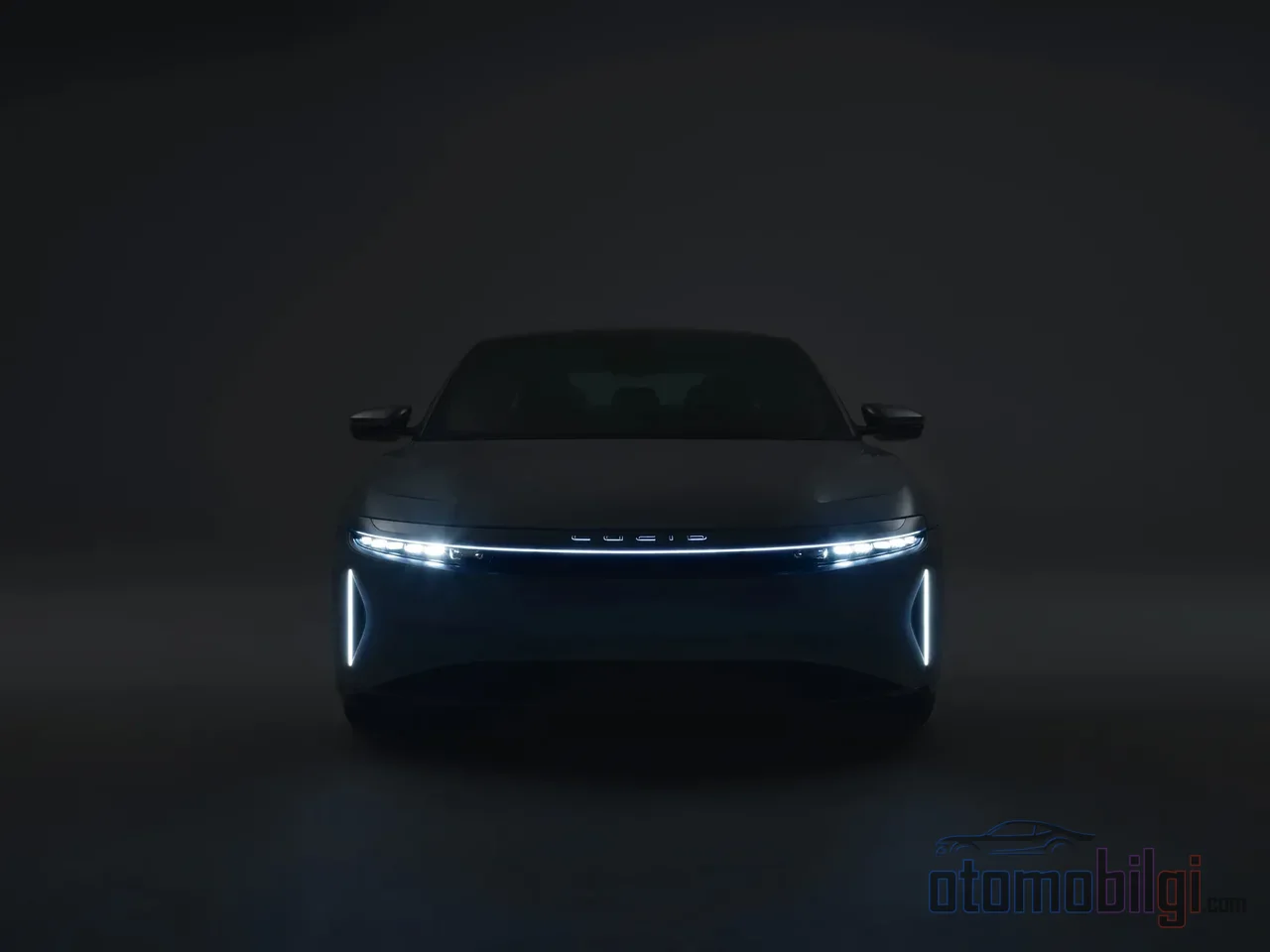
A modern LED headlight consists of several subsystems that communicate with each other. At the head of the LED modules that produce light are the LED driver circuits, which supply them with direct current and voltage. By limiting the current, drivers prevent leakage current; temperature-sensing types protect the LEDs from thermal failure. There is also a control unit: the brain that decides when and how brightly the headlight shines, and communicates with the vehicle's main electronic network. In diagnostics that require expertise, these control units can be read to run troubleshooting functions.
This structure is exactly why the bulb socket has disappeared: the light source is no longer a consumable plugged into a socket, but a sealed module integrated into the housing. From the manufacturer's perspective, this means lighting that requires no replacement throughout its life and lasts as long as the automobile itself. From the user's perspective, however, it means the options available at the moment of failure shrink dramatically.
Key Takeaways
- While a halogen bulb replacement costs 25-100 dollars, a luxury or adaptive LED headlight housing can run up to 800-2,500 dollars.
- Most LED headlight failures stem from insufficient thermal management.
- LED driver circuits usually fail long before the LEDs themselves do.
- On luxury brands, coding and calibration after headlight replacement bring additional cost.
Why Do LED Headlights Fail: The Silent War of Heat
What is thermal runaway?
The biggest enemy of the LED headlight is invisible: heat. If heat cannot be drawn away from the LED chip and the driver, the headlight begins to dim, flicker, and after overheating may shut down completely. The critical threshold is this: when the junction temperature exceeds the safe limit, a process called thermal runaway begins and the failure grows in a chain. According to industry reports, most LED headlight failures are based precisely on this thermal mismanagement.
And heat does not affect only the light-emitting chip. It also wears out driver circuits, solder joints, capacitors, and the cooling fan's motor. In fact, there is an interesting hierarchy: LED drivers most often fail before the LEDs do, due to heat, moisture, power fluctuations, and wiring errors. In other words, the headlight's 'brain' is more fragile than its 'eye'.
What is engineering doing about this problem?
The heat problem is approached from two fronts. The first is cooling: heat sinks and passive cooling fins play a critical role. The second is materials technology: thermal pyrolytic graphite (TPG) plates can reduce the total thermal resistance in automotive headlights from 5.9 °C/W to 3.0 °C/W; that is an improvement of roughly 27% compared to aluminum, and means more light in the same volume. Scientific studies from 2025 also confirm that high-power LED headlights perform well but are subject to thermal degradation. In short, the problem is not solved; it is a continuous engineering battle.
How Can You Tell If the Control Unit Has Failed?
The most common symptom of an LED headlight control module failure is flickering: the headlights pulse, occasionally produce a strobe effect, or go completely dark. One or two headlights not working at all, or loss of low or high beam, are also classic signs of module failure; in some vehicles a faulty module can lead all the way to total loss of light. At more complex ends, there are headlights controlled by digital motors: in such a system, when any one of the 6 separate motors loses the signal, the entire system can fail. Also, sensitive CANbus systems can respond with error codes when the wrong part is installed, and a resistor may need to be added.
The Repair-Substitution Economy: Why Is the Bill So High?
Now let's get to the crucial point. In the halogen world, the bulb-and-socket solution was at your fingertips. In the LED world, due to the sealed construction, replacing the entire headlight housing instead of component-level repair has become the standard service approach. When the lens cracks or the LED module fails, the most reliable solution is usually also a brand-new housing.
So what do the numbers say? Speaking in terms of the US market (the costs here belong to that market), HID/xenon bulbs range from $50-150, LED modules from $150-400 and up. The real shock comes at the housing level: full headlight assemblies for mainstream vehicles run 250-750 dollars, while luxury and adaptive LED systems can climb to 800-2,500 dollars; adaptive LED assemblies alone can exceed 1,500 dollars. The general picture is as follows: a simple bulb job starts at 30 dollars and can exceed 4,000 dollars depending on the vehicle.
| Procedure / Part | Approximate Cost (USD) |
|---|---|
| Halogen bulb (part) | 10-30 |
| Halogen bulb (labor included, per side) | 25-100 |
| HID/xenon bulb | 50-150 |
| LED module | 150-400+ |
| Full headlight assembly (mainstream vehicle) | 250-750 |
| Full headlight assembly (luxury / adaptive LED) | 800-2,500 |
| Headlight calibration / aiming | 50-300 |
| Electrical diagnostics (hourly rate) | 100-180 |
The labor side is no small matter either. Electrical fault diagnosis can take 0.5-1.5 hours. On vehicles with adaptive headlights or front cameras, aiming and calibration after replacement adds another 50-300 dollars. Some German premium brands' modules require 0.3-0.7 hours of coding after replacement; while this requirement burdens independent mechanics, it also exposes DIY enthusiasts to high voltage and coding risks. Real user experiences are striking: one driver was quoted 850 dollars for a single headlight; an electric vehicle owner found the cheapest online assembly for 1,000 dollars. As you may have noticed, headlight repair is no longer 'bulb money' but falls into the 'minor service expense' category.
What Can Users Do, and Where Is the Limit?
Not everything is bleak. Component-level repair is not impossible; it is just limited. For example, there is a LED repair module that fixes the DRL halo strip for the Land Rover Defender L663, or a DRL module spare part sold for the BMW F10. There are also cheap solutions: there are DIY examples showing a Toyota/Lexus LED headlight being repaired for about 20 dollars. So niche aftermarket parts and daring DIY repairers are managing to seep through the cracks of the sealed world.
But there are realistic limits too. Although the idea of fitting LED bulbs into halogen assemblies seems tempting, the expert opinion on forums is clear: when LED bulbs are installed in reflector housings designed for halogen, the light pattern can be distorted. Testing organizations also point out that LED does not always offer a clear advantage. So the 'let me install LEDs for better illumination' approach does not always align with engineering reality. In LED conversion retrofits, vehicle compatibility must be verified with the chassis number; some retrofits only work on vehicles within a specific year and equipment range. Also, when an LED bulb is installed and does not work, the most common causes are simple things: polarity, wiring, and socket incompatibility.
Reasonable steps users can take
- Take a flickering or intermittently going-out headlight seriously; it could be the first sign of a control module failure.
- Before replacement, research whether there is an aftermarket repair module suitable for the vehicle.
- Find out in advance about the coding and calibration requirements after replacement.
- Avoid fitting LED bulbs into halogen housings; the light pattern can be distorted.
This Picture Will Get Even More Complex
The period ahead is turning the headlight into an even more 'intelligent' device. Adaptive high beam systems use dozens of individually controlled LEDs that can be switched on and off and dimmed. Audi's Digital Matrix LED headlights are hitting US roads this year with the 2027 model year Q9 and SQ9; the system promises adaptive lighting, improved night vision and reduced glare for oncoming drivers. On the BMW front, Laserlight stands out in long-range visibility, while Matrix LED excels in adaptive functions. As of 2026, smart headlights have finally started reaching mainstream vehicles in the US.
When our perspective is engineering, the picture is clear: every new LED zone, every control motor, every software layer adds capability to the headlight while also expanding the failure surface. Safer night driving, lower glare and a longer-lasting light source are real gains. But the price is reduced repairability and rising service costs.
Conclusion: The Headlight Is No Longer a Bulb, It Is a System
So what is the clear answer to the question? In the LED headlight era, the practice of replacing a bulb has practically disappeared; because the light source is part of a module sealed together with the driver circuits and control unit. When this module fails, the standard solution is usually to replace the entire headlight assembly; and the cost moves from the $25-100 band of the halogen era to the $800-2,500 level, especially in adaptive and luxury systems. All a driver can do is recognize the early symptoms, look into niche repair modules, and act knowing the limits. The headlight is no longer a part we replace; it is a system we diagnose, calibrate, and unfortunately sometimes renew entirely. And the road is heading in this direction: at your next headlight failure, the conversation will probably not be about a bulb, but a software update or module coding.
Sources
- How Much Does a Headlight Repair Cost? - Jerry
- How much does it cost to replace a headlight? - AutoZone
- Headlights Burned Out: What's the Cost to Replace? - KBB
- Headlight Assembly Replacement Cost In 2026 - LOYO Light
- LED Headlamp Assembly Replacement & High Cost - Gen3 Insight
- $1500 to replace headlight? - InsideEVs Forum
- I was just quoted at $850 for a headlight - Reddit r/Cartalk
- How to repair or replace a car's LED module