The Original Datsun Z Returns with the New Z's Twin-Turbo V6
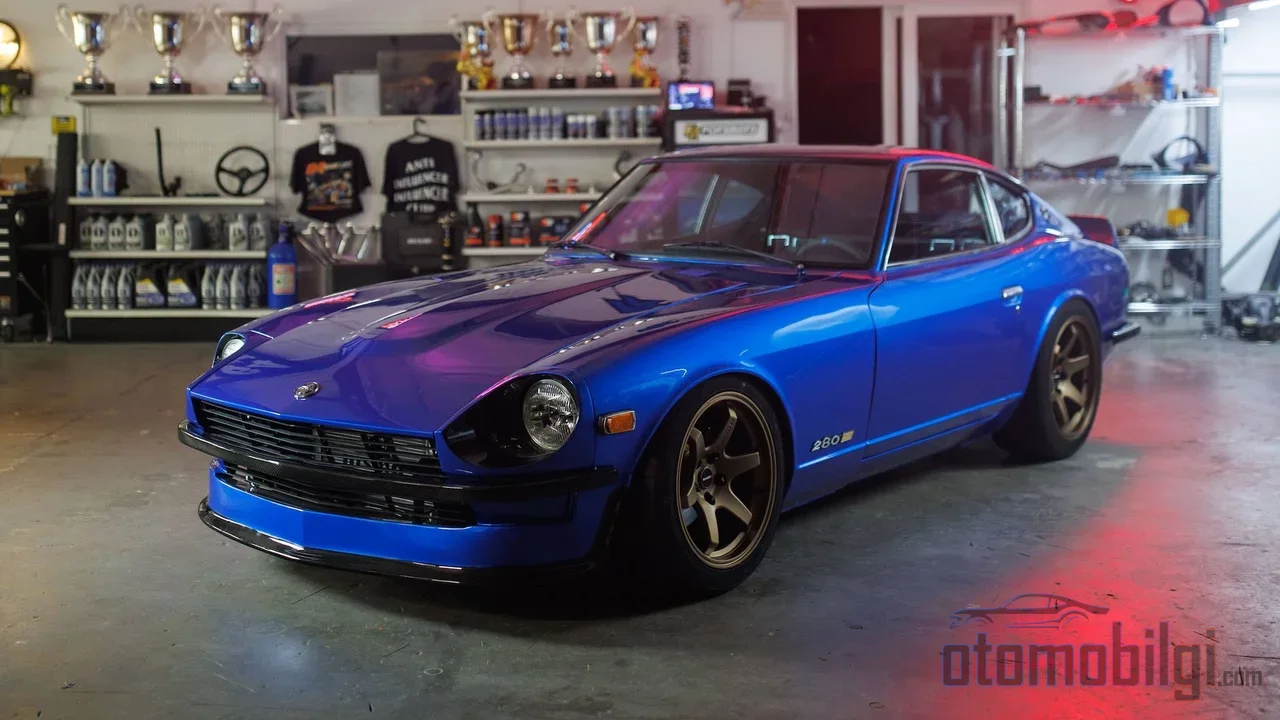
Imagine a classic: A 1969 body, original proportions, that legendary long hood... Then you open the hood and the new-generation Z's twin-turbo V6 greets you. At the 2026 SEMA Show, Nissan did exactly that: it introduced a concept that rebuilds the original Datsun 240Z body. But this isn't just a restoration; it's an engineering story and, in fact, the final chapter of a 56-year story? Let's go through it step by step.
How Was the Datsun 240Z Born? 1969's Bold Gamble
In the 1960s, Nissan was a relatively small manufacturer trying to break into international markets. In fact, in 1961 it developed a prototype called the YX-30 together with Yamaha, but the project was cancelled in 1964 when Yamaha's 2.0-liter DOHC engine failed to meet expectations. The interesting part is this: Yamaha took that engine to Toyota, and the world-famous Toyota 2000GT was born. So Nissan had let it slip through its fingers.
Then Yutaka Katayama entered the scene. This man, known in the automotive world as "Mr. K", had been working at Nissan since 1935 and persistently argued one thing: An affordable sports car would carry the brand to the top internationally. The engineering expertise of Prince Motor Company, acquired in 1966, was also added to the project. The design was drawn by Yoshihiko Matsuo; the concept was Mr. K's idea.
The launch story is also a good one: The model was first shown in Japan on September 30, 1968, under the name "Nissan Fairlady Z". But in international markets it would be sold as the Datsun 240Z, and an extraordinary venue was chosen for the launch: the Pierre Hotel in New York, on October 22, 1969. That day, one of America's most respected newspapers covered the story. To put it in a simple, clean sentence: The Datsun 240Z was the car that put Japan on the global sports car map.
Highlights
- The first Datsun 240Z was unveiled in New York on October 22, 1969; production began in October 1969
- The original US version produced about 151 hp with its 2.4-liter inline-six
- The new Z offers 400 hp and 350 lb-ft of torque with its 3.0-liter twin-turbo V6
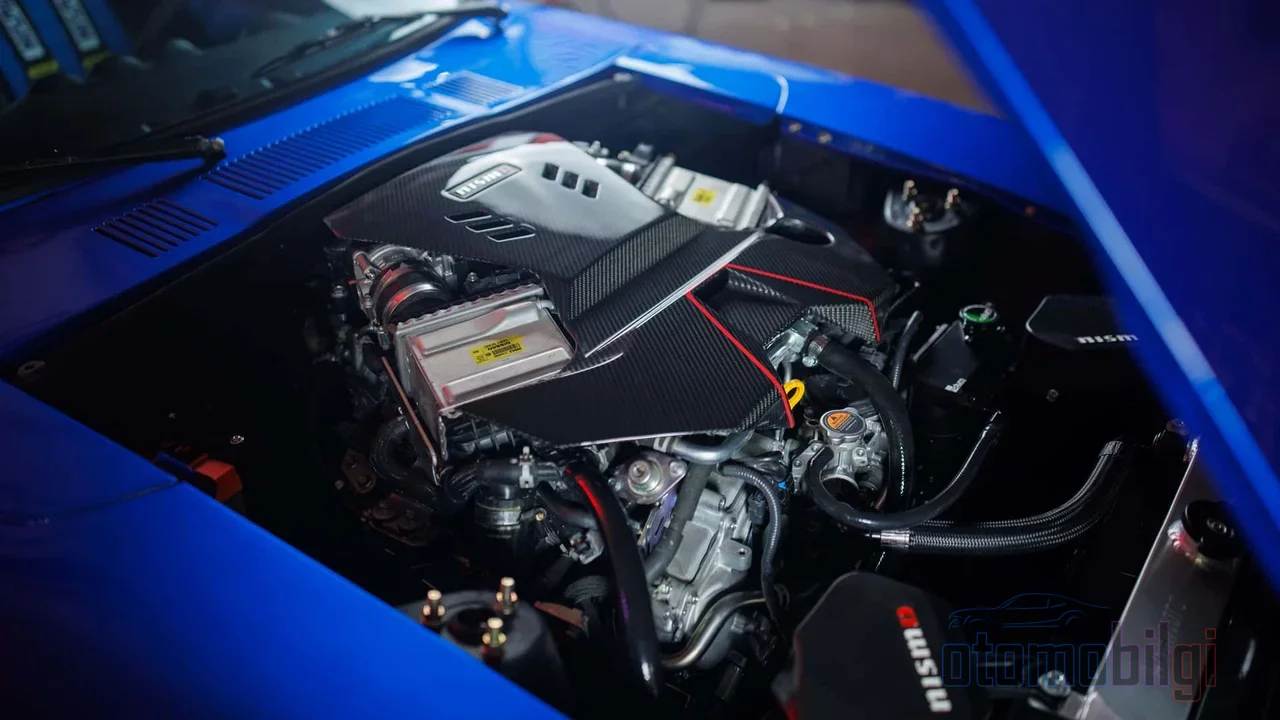
- The concept displayed at the 2026 SEMA Show carries the new Z's engine in the original 240Z body
- A 1971 240Z set an auction record with $315,000 including fees
What Kind of Car Was the First Z? The S30's Technical Report Card
Technically, the first generation, coded S30, came with different engines depending on the market. In Japan, the 2.0-liter SOHC L20A inline-six produced 130 hp JIS. The car destined for the US market, with its 2.4-liter L24 inline-six and twin Hitachi SU-type carburetors, delivered 151 hp SAE gross. There was also a rare Z432 version that shared the same S20 DOHC 2.0-liter engine as the Skyline 2000 GT-R. How do you describe a car as "consistent"? That was the secret of the 240Z: offering the quartet of style, reliability, performance, and price in a single package.
The numbers confirm it too. Nissan produced only 543 units of the 240Z between October and December 1969; almost all of them were sold in the US as 1970 model year vehicles. But demand exploded: More than 45,000 vehicles were sold by the 1971 model year, and sales exceeded 50,000 in 1972. In 1970, a test magazine wrote that the car's price was 3,601 dollars and rated it by saying it found it almost brilliant for the money. Looking at it in today's money, you understand the weight of that sentence better.
A brief technical summary of the first-generation Z
| Version | Engine | Power |
|---|---|---|
| Japan (Fairlady Z) | 2.0L SOHC L20A straight-six | 130 hp JIS |
| US (240Z) | 2.4L L24 straight-six, twin carburetor | 151 hp SAE gross |
| Z432 (PS30) | 2.0L S20 DOHC (shared with the Skyline GT-R) | High-revving, racing-derived |
Why Is the New-Generation Z So Special? The Arrival of the RZ34 and the 400
Let's fast-forward. The 2023 Nissan Z was unveiled in New York on August 17, 2021, and became the first Z whose model name carried no number; its chassis code is RZ34. The roadmap had actually been drawn with the Z Proto concept, unveiled on September 15, 2020: a retro design drawing direct reference from the 240Z.
We can seriously use the word "heart": The seventh-generation Z comes with a 3.0-liter twin-turbo VR30DDTT V6; 406 PS (400 hp) of power and 350 lb-ft of torque. On the transmission side, you can choose the Exedy-clutched 6-speed manual or the 9-speed Jatco automatic. When you compare, the picture becomes clear: while the original 240Z produced about 150 hp, the modern Z nearly triples that. Throughout the Z series, this power had reached 300 hp in the final 300ZX Twin Turbo; the new generation surpassed even that.
What Does the Concept at SEMA Offer? Classic Body, Modern Heart
Here is the real hero of this page: Nissan re-engineered a vehicle with the original 240Z body and displayed it as the Datsun S30 Concept at the 2026 SEMA Show. The engine bay houses the new Z's 3.0-liter twin-turbo VR30DDTT V6; as for the transmission, the current Z's FS6 6-speed manual and the NISMO R200 limited-slip differential were used. In other words, a classic body with today's drivetrain installed.
On the exterior, the original 240Z proportions were preserved while modern materials technology came into play: carbon fiber panels, reinforced suspension, and Nismo equipment. Nissan presents it as a "twin-turbo 240Z restomod" and a race-ready Z concept. If you're hearing the word restomod for the first time, let me explain briefly: it means rebuilding a classic car with modern technical and performance parts while restoring it. It's something like playing rock with a vintage guitar in a concert hall.
Where Does This Restomod's History Come From? The Interrupted History of the Z
To understand the concept, we need to look at a break in the Z's history. Nissan had paused Z production in the US between 1997 and 2002. Even back then, the brand sought to keep interest alive in the classic: in 1998, it launched a restoration program that restored original 240Zs and resold them for approximately 24,000 dollars. So the idea of giving the classic Z a modern touch had been tried before; The concept at SEMA is the most ambitious version of this idea.
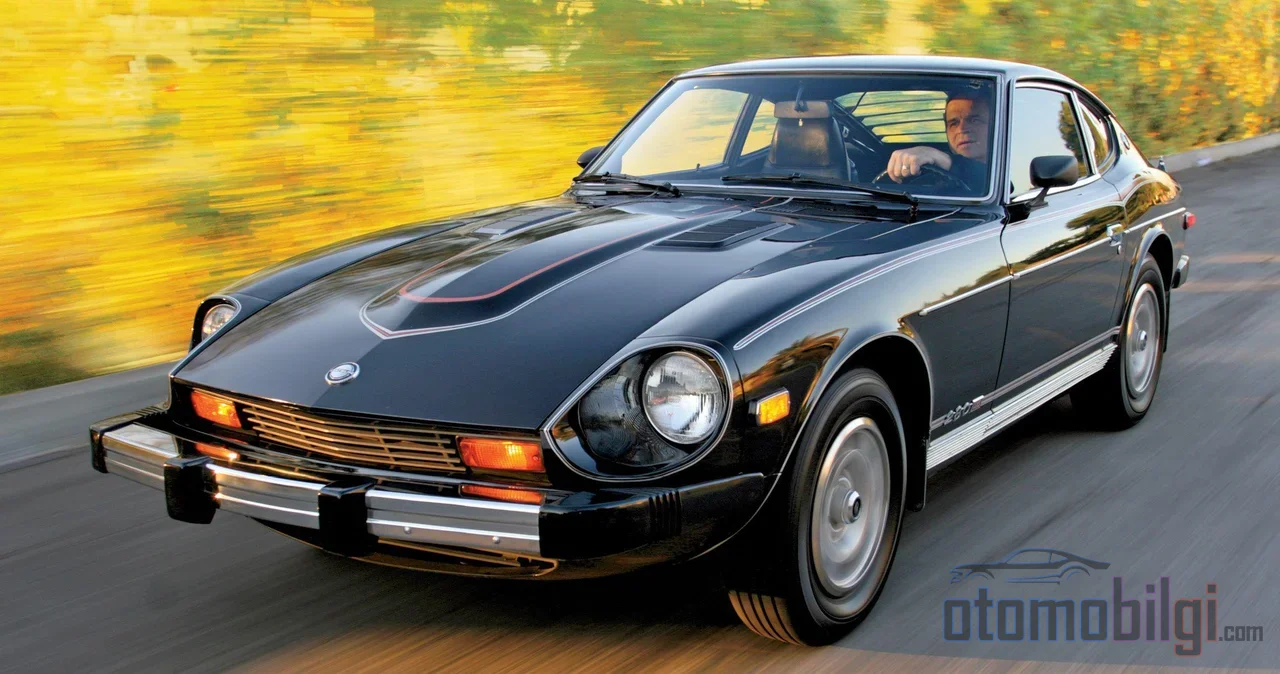
The Z's journey was not without its controversies either. The 280ZX set a Z sales record in 1979 with 86,007 units per year and was named Import Car of the Year; but enthusiasts criticized it, feeling that luxury had overtaken driving pleasure, and this tension continued in later generations. At the end of the 300ZX, rising prices, the yen's appreciation against the dollar, and the SUV trend ended US sales in 1996. The 240Z Concept of 1999, meanwhile, found no worthy successor because its 4-cylinder engine did not align with the 6-cylinder tradition of the Z. That is exactly why it is meaningful that today's concept has 6 cylinders.
Why Is the 240Z So Valuable Today? The Collector Market
The classic Z's standing in the market has raised the bar significantly in recent years. A 1971 240Z set a record at an online classic car auction, selling for $315,000 including fees ($310,000 plus fees). Experts say the 240Z has always attracted collector interest and has been loved across generations, from baby boomers to millennials. The reason people love a car this much is simple: its story, its design, and the smile it brings to everyone who touches it.
What engines do enthusiasts install in classic Zs?
Amateur and professional converters have been fitting modern engines into classic Zs for years. The two most popular choices are the RB26DETT from the Skyline and the VQ37VHR from the 370Z. Expert opinions point to the RB26 swap as the ideal restomod path, since it preserves Nissan's inline-six tradition. Nissan's new concept actually follows the same logic; it just does the job to factory standards.
Restomod or Original? The Classic-Z Modern-Z Balance
The classic car world's most beloved debate plays out here as well. In opinions shared on community platforms, most people say they prefer the 1970 240Z for its classic lines and original driving experience, while the new Z is seen as a nice tribute. This is not a contradiction, it is the nature of preference: a pure historical experience, or a classic aesthetic blended with modern performance?
So what exactly is the car at SEMA? Let's sum up the answer in a single paragraph: A re-creation of the original Datsun Z, a concept that preserves the iconic 1969 body while housing the new Z's 400 hp twin-turbo V6, its 6-speed manual transmission, and its NISMO differential. 56 years ago, Mr. A tribute, written with today's engineering, to the affordable sports car that K envisioned. By bringing together the classic and the modern in a single body, this car on its own proves why the Z story is still worth telling. If it were you, which side would you take: the pure original at the auctions, or this carbon-fiber-paneled monster?
Sources
- Nissan Z-car - Wikipedia
- Life and Times of Mr. K - Nissan Global
- INTRODUCING THE DATSUN 240Z 22 Oct. 1969 - Z Home
- Datsun 240Z: The DEFINITIVE History - Barchetta
- The Original Datsun Z Is Back-Now With the New Z's Twin-Turbo V6
- Tested: 1970 Datsun 240Z - Car and Driver
- Why exactly did this 1971 Datsun 240Z command a record $310K? - Hagerty
- This Datsun 240Z Is Packing Skyline Power - MotorTrend