Range Rover: The Brand That Gave Birth to the Luxury SUV Market
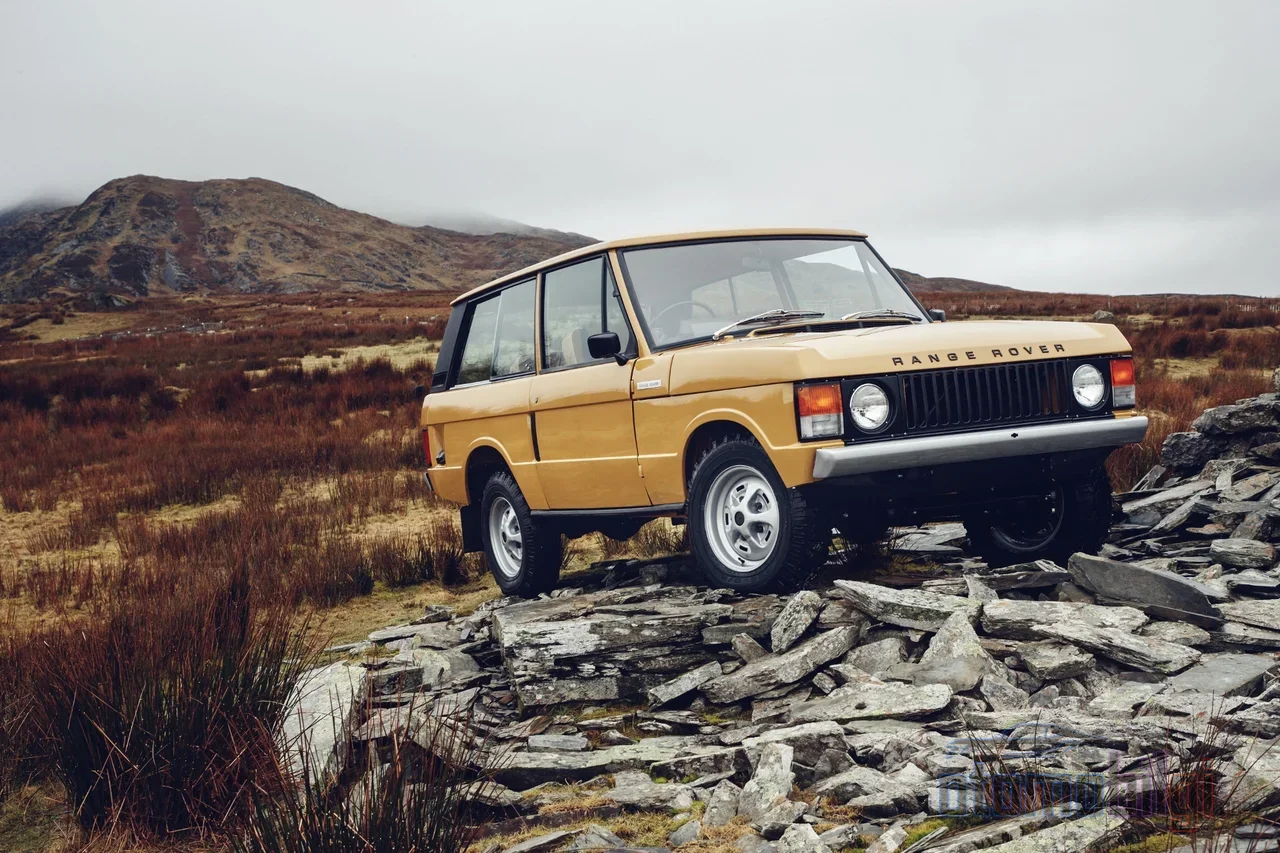
In June 1970, a group of journalists climbed into a strange vehicle at the old mine workings in Cornwall, England: mud on the outside, a V8 sound on the inside. The vehicle introduced that day was born as a farm workhorse, but it was soon exhibited at the Louvre, won Dakar, and was seen everywhere from the chic districts of Paris to the icy roads of Alaska. So how did the Range Rover become the world's first luxury SUV? The story lies hidden in the answer to exactly this question.
Back then, the term 4x4 brought only one thing to mind: a work vehicle. The vehicle of the farmer, the forester, the soldier. Comfort? Luxury? These were not in the off-road vehicle dictionary. The Range Rover completely changed this picture and planted the first seeds of the SUV revolution we see on every corner today. The idea of a car that could park both in a field and in front of a villa seemed crazy at the time. It wasn't.
The Project Began in 1966: "The 100-Inch Station Wagon"
The story goes back to 1966, to the desks of Rover engineers Charles Spencer "Spen" King and Gordon Bashford. The project's internal name was the "100-inch Station Wagon"; that is, a station wagon with a wheelbase of 100 inches (approximately 2.54 meters). The first prototype was completed in 1967. The vehicle was kept so secret that the hoods of the 27 pre-production vehicles built in December 1969 bore the name "Velar". This name came from the Italian verb "velare", meaning "to hide"; its purpose was to mislead curious eyes. The name "Range Rover", on the other hand, was devised by stylist Tony Poole.
King's goal was clear: to combine the comfort and handling of a Rover sedan with the off-road capability of the Land Rover. In the automotive world of that era, nobody was doing this. Nobody doing it meant opportunity. The project, developed under the British Leyland umbrella, was presented to the press in Cornwall on 17 June 1970. The press tests were carried out at the abandoned mines in St. Austell; that is, the vehicle had been in the mud since its birth.
Who Designed It?
King and Bashford determined the vehicle's basic lines. When management saw the flat-paneled prototype the engineers had prepared for testing, they asked Rover's first stylist, David Bache, to merely polish it. Bache was a name who had worked at Rover since 1954 and was known for the P6, SD1, and Land Rover Series II designs. By softening the prototype's functional lines, Bache is considered the co-author of the award-winning design. Behind that simple yet powerful silhouette that has become an icon today lie the functionality of two engineers and the touch of a stylist.
The Engineering Side: Coil Springs and Permanent Four-Wheel Drive
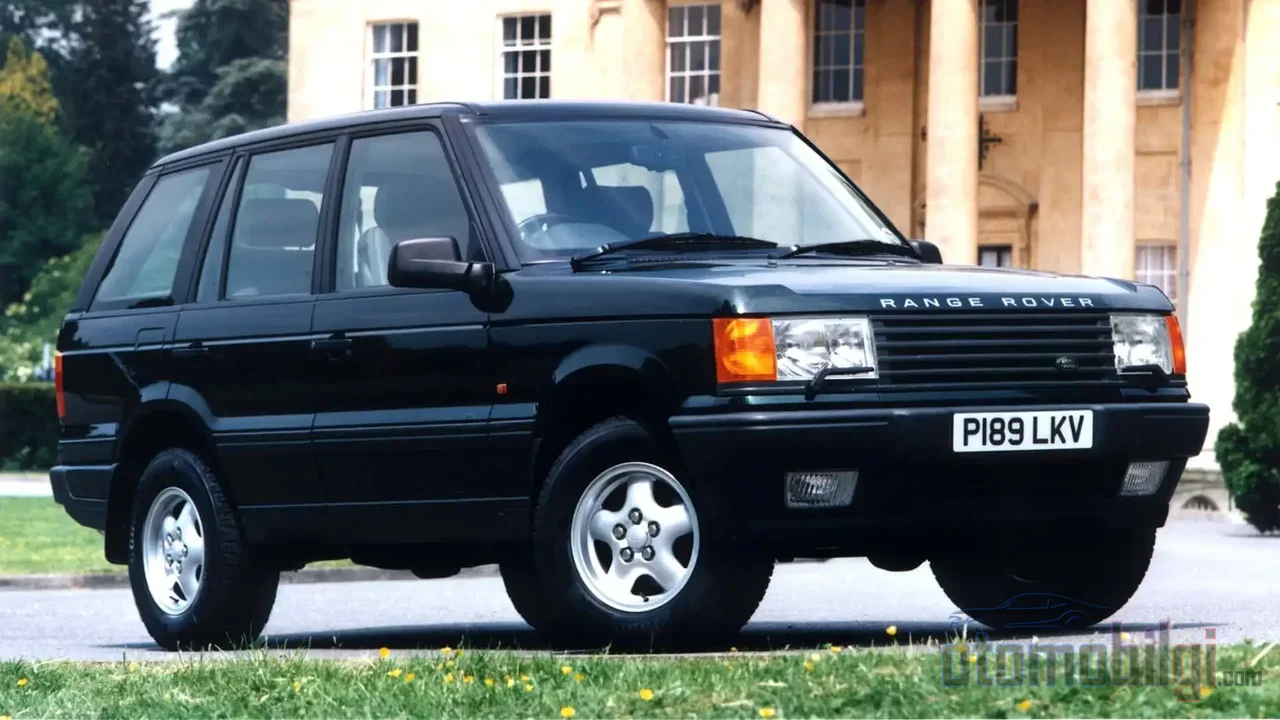
Now let's talk a bit technical, but don't worry, I'm explaining it in everyday terms. The off-road vehicles of that era used leaf springs; much like the stacked springs beneath an old truck. Spen King was actually an advocate of leaf springs in off-road vehicles, but he took a different path with the Range Rover: coil springs at the front and rear, long-travel hydraulic dampers, and axles located by radius arms and a Panhard rod. This allowed the vehicle both to keep its wheels on the ground in the field and to offer reasonable comfort on asphalt.
There is another first: The Range Rover is one of the first vehicles produced with a permanent four-wheel-drive system. So you don't need to stop and pull a lever to switch into off-road mode; all four wheels have drive at all times. The split tailgate, the clamshell bonnet, and disc brakes were also serious innovations for their era.
Highlights
- The Range Rover was introduced on June 17, 1970 and is considered the world's first luxury SUV.
- The 3.5-liter aluminum V8 engine produced 135 bhp and approximately 250 Nm of torque.
- In 1971 it became the first vehicle ever displayed at the Louvre.
- The first generation (Classic), between 1970-1996, was produced in a total of 317,615 units.
- Its launch price was only 1,998 pounds.
Engine: The Lightweight V8 That Came From Buick
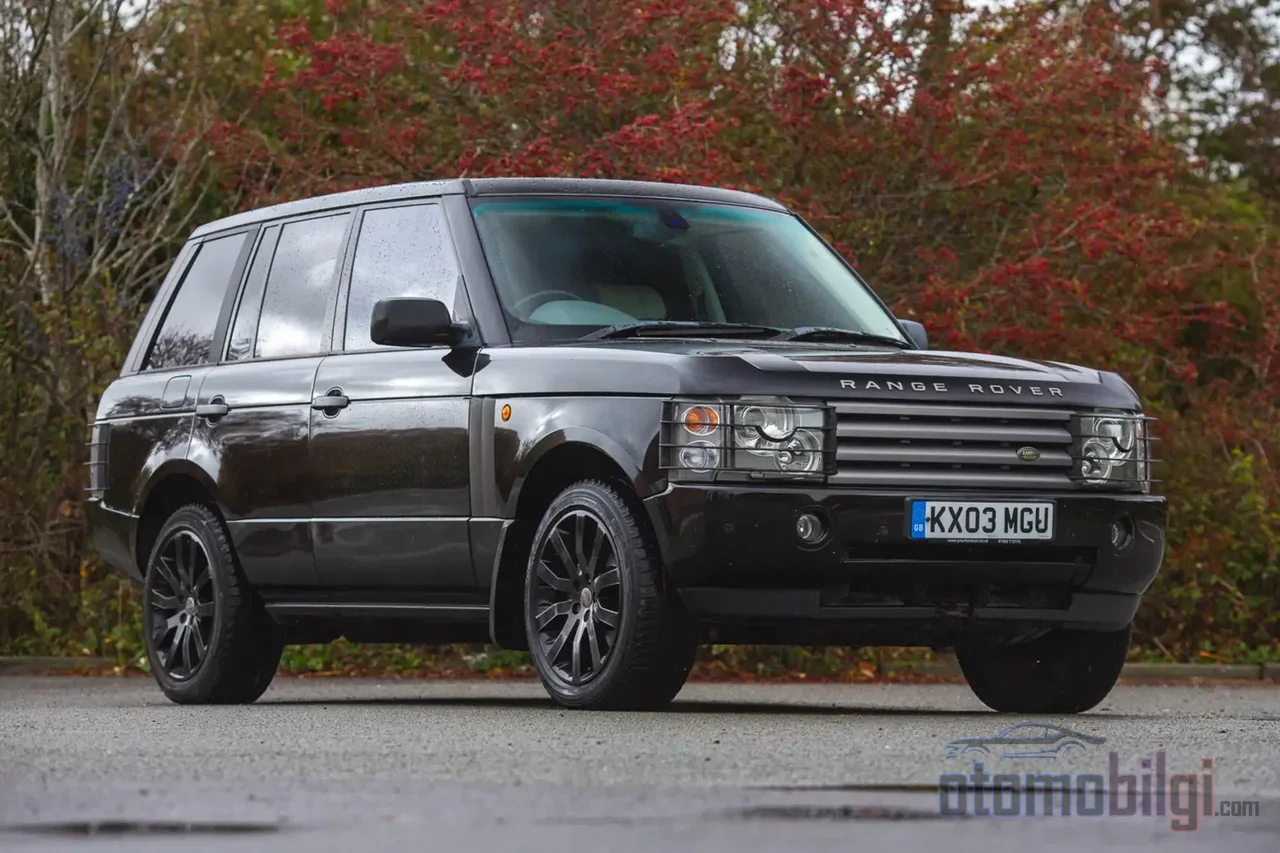
When you open the bonnet, what awaits you is a Rover V8. But this engine's story is interesting: this lightweight alloy (aluminum) V8 was licensed from Buick. In fact, the same basic engine had been used in the 1962 Oldsmobile Turbo Jetfire as history's first turbocharged production engine. The version in the Range Rover had a displacement of 3.5 liters (3,528 cc), was fed by a Zenith-Stromberg 175CD carburetor, and ran with a compression ratio of 8.5:1. The power was more than sufficient for the vehicle's weight; 0-100 km/h acceleration took about 16.6 seconds, which is not bad for an off-road vehicle weighing 1,758 kg.
Torque figures vary across sources from different periods between 250 Nm (official brochure) and 253 Nm, and even 205 lb-ft (approximately 278 Nm) in test measurements; this difference stems from differing measurement methods and rev ranges. Its top speed was measured at 91 mph (approximately 146 km/h) in tests.
| Specification | Value (1970 Range Rover) |
|---|---|
| Engine | 3.5 L (3,528 cc) Rover V8, petrol |
| Power | 135 bhp @ 4,750 rpm |
| Torque | 250 Nm @ 2,500 rpm (brochure value) |
| 0-100 km/h | Approximately 16.6 seconds |
| Top speed | Approximately 146 km/h (test) |
| Transmission | 4-speed manual + transfer case, permanent 4WD |
| Kerb weight | 1,758 kg |
| Launch price | 1,998 pounds (tax included) |
Fuel consumption varied between approximately 14-16.8 liters per 100 kilometers depending on test conditions. Yes, it drank plenty, but nobody was buying it expecting it to be an economy champion anyway.
The First Vehicle Displayed at the Louvre
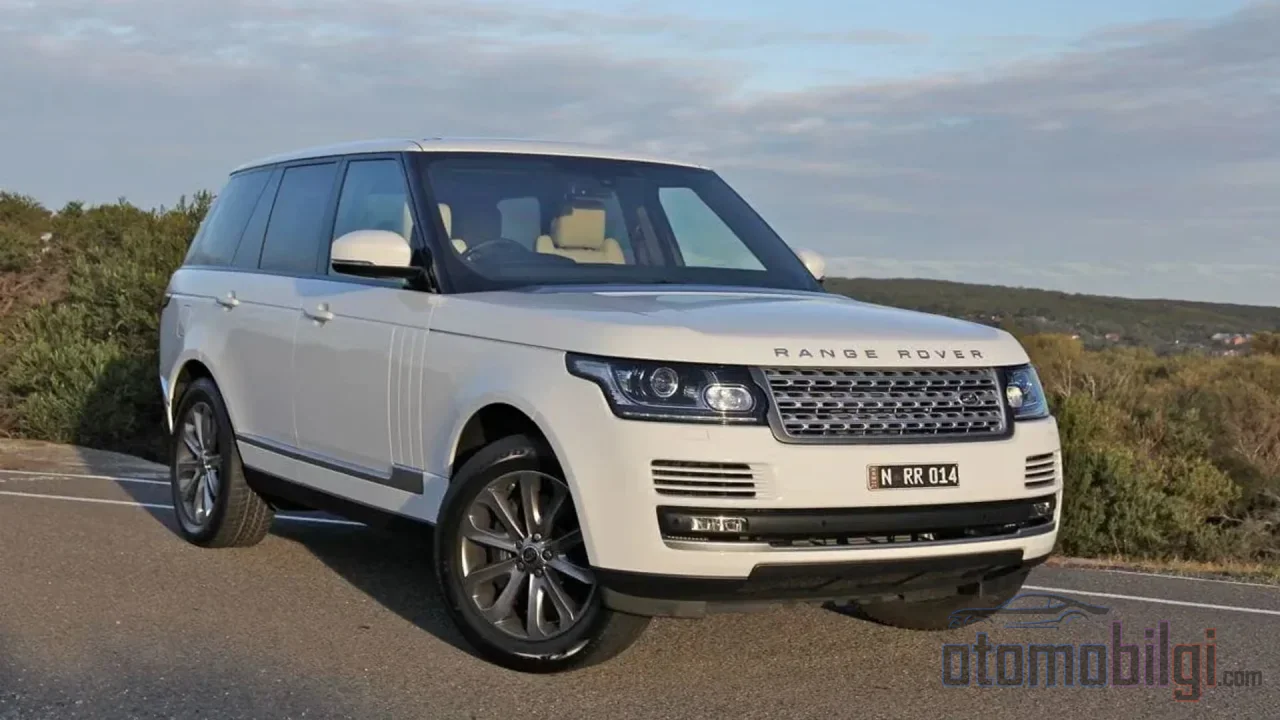
Here is the most surprising part of the story. In 1971, the Range Rover became the first vehicle ever exhibited at the Louvre Museum in Paris. Let's put it plainly: it took its place in the museum as an example of an industrial design work. The production model was displayed at the entrance, while a quarter-scale model was displayed inside. An off-road vehicle born in the mud gaining the status of design in the world's most famous art museum summed up the brand's destiny.
The vehicle did not settle for proving itself in art salons alone. In the 1971-72 British Trans-Americas Expedition, it traveled from Alaska to Tierra del Fuego. The team led by John Blashford Snell, joined by members of the 17th/21st Lancers regiment, became the first team to cross the 250-mile Darién Gap - covered in forest and swamps between Colombia and Panama - by vehicle. In 1979 and 1981, the winner of the inaugural Dakar Rally was also a Range Rover. In other words, it had iron claws; only its shadow was stylish.
From Farm to Villa: How Did Luxury Creep In?
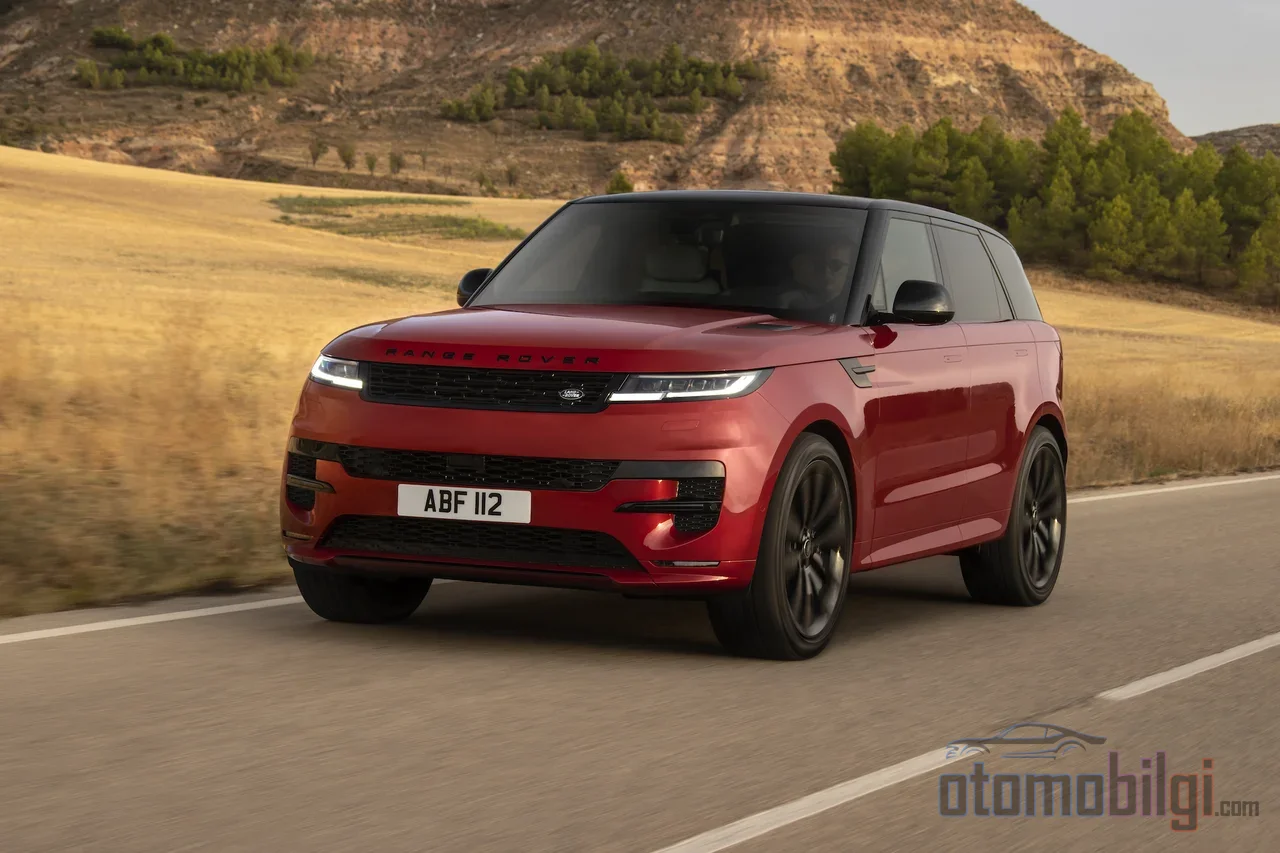
The irony here is delightful: The Range Rover was actually designed not for a wealthy person, but for a more prosperous farmer. The concept was a more civilized Series Land Rover: a floor you could wash with a hose, vinyl seats, a plastic dashboard. So the design philosophy was entirely practical - no luxury whatsoever.
But the market had other plans. Once wealthy customers began buying the vehicle, the interior quickly got nicer: carpets arrived, wood trim arrived. There was even feedback from the palace that led to a luggage compartment lining being added; travel equipment was not supposed to injure the royal family's corgi dogs. In 1974, a car magazine wrote that a country estate could not be completed without this vehicle, and in 1975 another magazine described it as the only vehicle that could be used on the city's most stylish avenue, in the Sahara, and in the Darién Gap alike. This chain of demand culminated in 1981 with the first special edition, named "In Vogue"; the one-off vehicle made for Vogue magazine went into limited production at readers' request, and the Vogue later became a permanent model. That same year came the four-door body, and in 1982 the automatic transmission. By the late 1980s, electric seats, windows, and a sunroof had already been added.
Spen King's Objection
Designer Spen King later voiced a complaint: he believed the vehicle had not been designed as a status symbol, but that later versions were produced as one. Some critics also wrote that the finest export ever to come out of Solihull had permanently parted ways with the farm. In other words, luxury gradually eclipsed the vehicle's utilitarian roots. Someone looking at today's flashy Range Rovers would find it hard to imagine the 1970 model's hose-washable floor.
How Was Today's SUV Revolution Seeded?
So let us return to the original question: Is the Range Rover the pioneer of luxury SUVs? Yes, it is accepted as such. The vehicle was the first production car to combine genuine off-road capability with comfort in a single body, and it carried the 4x4 market from work vehicles into the luxury segment. All the giant luxury SUVs we see in cities today count as grandchildren of this idea planted in 1970.
Subsequent generations continued to innovate: the first 4x4 with ABS, the first vehicle with electronic traction control and automatic electronic air suspension - both came from this family as well. In 2012, the fourth generation became the world's first all-aluminum SUV, and in 2010 the Evoque opened the luxury compact SUV class. In 2015, a hybrid state ceremonial vehicle was produced for Queen Elizabeth II. The fully electric Range Rover, meanwhile, is being introduced in 2026, with deliveries also starting that year; That farm vehicle idea from 56 years ago reached into a silent, electric future.
Longevity of the Generation
The first generation, known as the "Classic," was produced from 1970 to 1996 with a total of 317,615 units. Until 1981, only the 2-door version was sold; the 4-door body came only under the pressure of demand. In 2020, the 50th anniversary special edition was produced in exactly 1,970 units. A vehicle remaining essentially the same for 26 years while being loved this much shows just how right the design and engineering were.
Conclusion: The Car That Unites Two Worlds
The secret of the Range Rover's success is hidden in a single sentence: it was the world's first and most convincing adventure capable of traveling both to the farm and to the villa. It was tested in mud in mines, counted as a work of art at the Louvre, crossed the Darién swamp, won Dakar, and today it glides along the most elegant streets of cities. Behind every luxury SUV stands the silhouette of the 1970 model. Spen King and his team thought they were designing a farmer's vehicle; in fact, they had launched the most enduring segment in automotive history.
Sources
- The Range Rover Story - Land Rover (official)
- Range Rover Marks 50 Years - JLR Media (official)
- The history of Range Rover - Goodwood Road & Racing
- Range Rover Mk1 (1970) retro road test - Autocar
- Range Rover Classic - Wikipedia
- Range Rover 1970 official catalog PDF
- 1970 Range Rover performance - automobile-catalog
- Land Rover Range Rover V8 Specs - Ultimate Specs
- History: Range Rover timeline - AROnline