Two Wallboxes in One Home: Dynamic Load Sharing
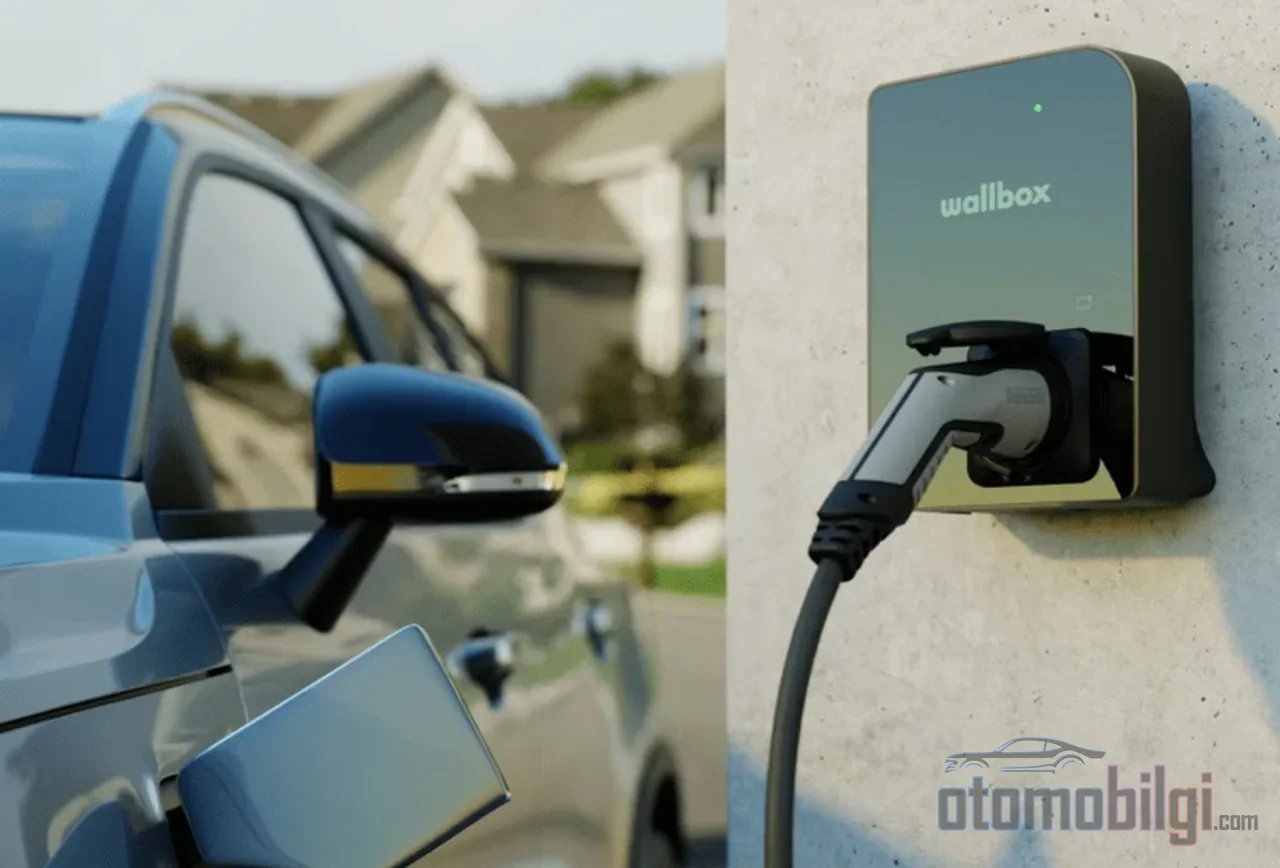
Charging even a single electric vehicle at home with a 7.4 kW wallbox creates a familiar strain in most residential installations: when the electric shower, induction cooktop and charger all kick in on the same evening, tripping the breaker is a matter of time. Once you move to a household with two electric vehicles, this strain turns into a math problem. Two chargers, one installation - and a seemingly inevitable overload. The solution, however, lies somewhere most drivers never think to look: rather than giving chargers a fixed amount of power, sharing in real time whatever power the house is not using at that moment.
In this guide, we cover the practical method for safely running two wallboxes on a single installation, the working logic of dynamic load sharing, how it differs from static power limiting, and how to calculate the duration of alternating overnight charging for two vehicles, with example numbers.
How Does Dynamic Load Sharing Work?
Dynamic load balancing (DLM) is, in short, the continuous adjustment of charging power according to the electrical power available in the installation at that moment. The system revolves around three components: a measurement sensor attached to the home's main supply line - usually a current transformer, commonly known as a CT clamp due to its ring shape - a controller that processes this measurement, and smart chargers capable of adjusting the power. The measurement is taken at the grid connection point, per phase, every few seconds. The controller compares this value against the configured connection limit and calculates the share allocated to the chargers.
With a concrete example: let the home's connection limit be 31 A (about 7.2 kVA at 230 V single phase). If, during evening hours, the home draws 19 A while the shower and cooktop are running, the remaining share for the charger is 12 A - roughly 2.76 kW. When the shower turns off, the household load drops to 3 A and the charger automatically rises to 28 A, about 6.44 kW. At no point does the total draw exceed the limit; the breaker never kicks in at any point. A combination such as shower + charger could theoretically reach 77 A; load balancing brakes this total before it ever happens.
Sharing Between Two Wallboxes
When the second charger comes into play, the same logic expands one step further. The available capacity is divided not only between household appliances but also between the two vehicles. In setups with two chargers fed from a single 60 A circuit, typical behavior is as follows: when both vehicles are charging, the circuit allocates 24 A to each charger; if only one is plugged in, that charger can go up to 48 A. In other words, the system both protects the installation and does not waste idle capacity - when only one vehicle remains, it automatically ramps up to full power.
In practice, this means two chargers can be connected to the same electrical circuit and the load distribution is automatically balanced by software. In multi-charger setups, manufacturers recommend structures that take measurements via an energy meter and manage power between the chargers and household appliances; some ecosystems support up to 15 chargers in a single cluster, which is a generous starting point for residential use.
Highlights
- Dynamic load balancing monitors the home's real-time consumption and redistributes the remaining power to chargers within seconds.
- Two chargers from a single 60 A circuit: 24 A per charger when charging simultaneously, 48 A when charging alone.
- Electric vehicle chargers typically have a minimum charging current of 6 A (approximately 1.4 kW); charging stops when the remaining margin falls below this and resumes when capacity becomes available.
- CT clamp-based systems work without internet, completely locally and in real time.
- Adding dynamic load management is a low-cost alternative to upgrading the grid connection.
The Difference Between Static Limitation and Dynamic Sharing
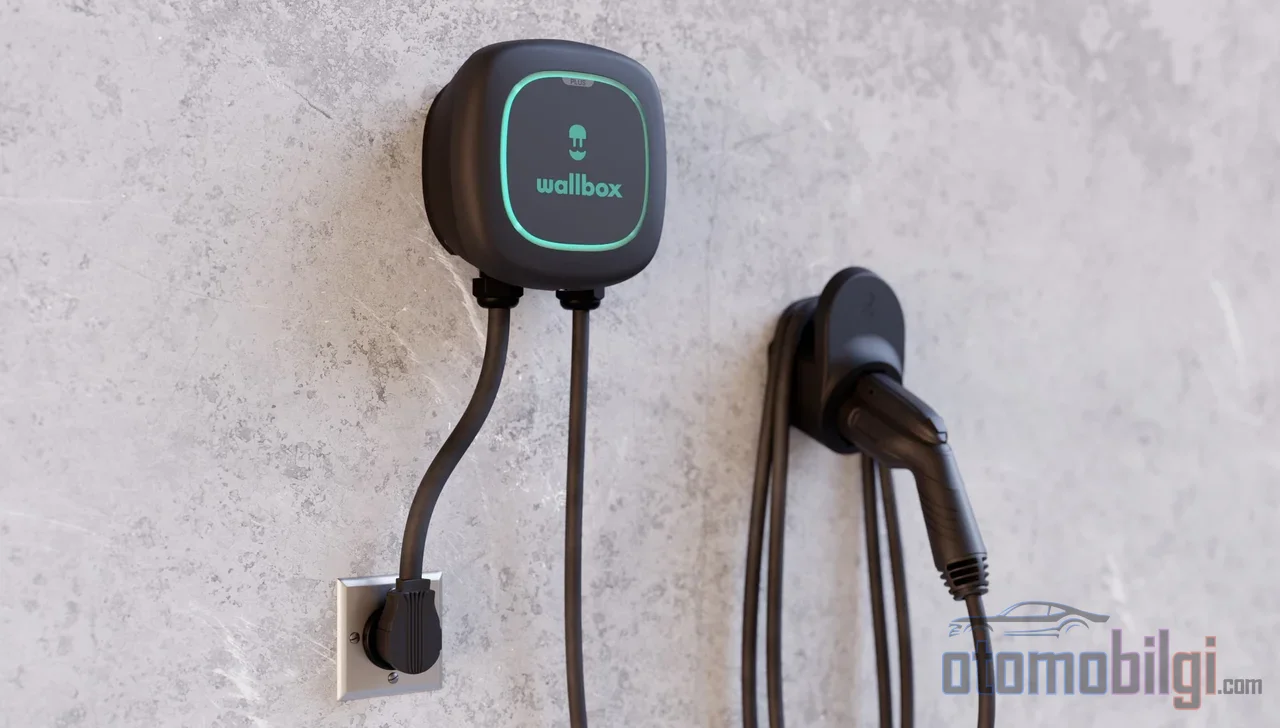
Static load management (SLM) is a simpler approach: a fixed upper limit is assigned to the charging power based on the calculated grid capacity. For example, two chargers share a cluster limit of 32 A per phase - regardless of what the building is doing. It is easy to install and sufficient in scenarios where consumption is stable and the number of vehicles is low.
The difference emerges when the home is quiet. With the static method, the power delivered to the vehicle does not increase even if the building is completely empty; if you have a fixed share of 16 A, you charge at 16 A even at midnight. The dynamic method, on the other hand, uses capacity far more efficiently by taking the building's other demands into account, and can delay the need for a grid upgrade. That said, dynamic management is not a substitute for proper electrical design: the wiring and protection elements must be correctly sized from the start.
| Feature | Static Load Management | Dynamic Load Sharing |
|---|---|---|
| Power allocation | Fixed cluster limit | Variable according to real-time consumption |
| When the home is quiet | The share does not increase | Charging power increases automatically |
| Additional hardware | Usually not required | CT clamp / meter + control module |
| Suitable scenario | Few vehicles, stable consumption | Many vehicles, variable home load |
| Measurement frequency | None | Per phase, every few seconds |
Is It Necessary in Every Home?
The honest answer: no. In an installation with ample dedicated capacity, three phases, and a large connection, dynamic load management may not be necessary. For homes that charge at low power locked to nighttime or that have a high-power connection in rural areas (for example, 15 kVA), it is beneficial but not essential. A household with two electric vehicles is precisely the scenario this system was made for: two loads, one connection, variable home consumption.
The Reality Check of Capacity: kW, kVA and Amps
Before getting to the numbers, let's clarify two basic concepts. Charging power is expressed in kilowatts (kW); a single-phase wallbox delivers a maximum of 7.4 kW at 230 V and 32 A. The most common residential solution on a three-phase 400 V supply is 11 kW, which significantly shortens charging times. On the vehicle side, in AC charging, the vehicle's own converter (on-board charging unit) converts the grid's alternating current (AC) into the direct current (DC) the battery needs; charging speed is limited by the smaller of the station's power and the vehicle's acceptance capacity. In DC fast charging, this conversion takes place at the station, but in home installations the subject is always AC.
Consider the size of power-consuming devices on the household side: an electric shower draws 8-10 kW, an induction cooktop 3-7 kW, a dryer 2-4 kW, and an electric oven 2-3 kW. On a single-phase connection, even a single 32 A charger alone exceeds the limit in a home with a 7.2 kVA (31 A) main fuse. In North America the picture is different: a 40 A Level 2 charger draws 9.6 kW of continuous power, and home panels typically have a capacity of 100-200 A. A three-phase connection, on the other hand, is the most comfortable side of the equation: on three phases, an 11 kW charger draws only 16 A of current per phase, which allows a thinner cable cross-section and less stress.
For a household with two wallboxes, the realistic goal is not to increase total connection capacity, but to use idle capacity wisely. On a single-phase 31 A connection, it is not possible to charge two vehicles at full power during daytime hours; on a three-phase connection, however, two 11 kW chargers easily take turns on most nights thanks to dynamic sharing.
Protection and Hardware Selection During Installation
No matter how smart the load management is, basic electrical safety cannot be skipped. Every wallbox requires a dedicated independent line run from the fuse box to the charger; standard outlet lines (typically 2.5 mm² cable) are not suitable for this job. The EV charging circuit is typically protected by a 32 A circuit breaker (RCBO). Residual current protection (RCD) and surge protection are critical headings; a whole-home surge protection device mounted on the main panel can be planned to protect the entire installation, including the charger. Before installation, the suitability of the existing installation must be reviewed, and existing high-power loads such as air conditioners and ovens must be accounted for.
What Is Available on the Hardware Side?
Dynamic load management ecosystems are offered at different levels of depth on the market. Some manufacturers offer separate balancing modules mounted on the consumer unit, fitted with CT clamps on the main supply line, that manage multiple chargers wirelessly; in Europe, the price range for this type of module is approximately 150-250 euros, while CT module-based solutions cost around 100-200 euros. The CT clamp itself costs around 30-80 euros; adding dynamic load management including labor costs roughly 200-450 euros in total. These figures belong to the Irish market and do not translate one-to-one to other markets, but compared with the cost of upgrading the grid connection, they clearly represent good value. On some chargers designed for solar surplus detection, CT monitoring is standard; but in multi-charger scenarios, a separate balancing module is a more advanced solution. Models that rely on timing rather than real-time CT measurement are not the right choice for a two-wallbox scenario.
An important practical advantage: CT clamp-based load management works entirely locally. Even if the internet goes down, the system continues its measurement and sharing functions. A smart meter is not mandatory either; most systems work with their own sensor or a compatible meter. Adding load management to your existing charger afterwards depends on the manufacturer - on some models a balancer can be added later, on others it cannot; you should ask the manufacturer before buying.
Sample Calculation: Can Two Vehicles Fully Charge Overnight?
Now for the calculation promised from the beginning. The formula for charging time is simple: the energy to be added equals the battery capacity multiplied by the difference between the target and starting charge percentages; the time is found by dividing this energy by the power. In practice, charging between 0 and 80 percent happens at full power, and after 80 percent the vehicle reduces the charging power on its own side.
Scenario: Two vehicles with 60 kWh batteries come home in the evening at 30% charge; each needs 42 kWh added (from 30% to 100%). Assume a single-phase setup with dynamic load sharing enabled: the house's nighttime base load is low and the two chargers share roughly 3.3 kW of low power after 23:00. In this case, each vehicle receives its 42 kWh in about 13 hours - meaning vehicles plugged in during the evening are full by around midday the next day. The same vehicles on a three-phase connection, with two 11 kW chargers working overnight at a reasonable share (5-6 kW per vehicle), fully charge in 7-8 hours: both vehicles plugged in at 23:00 are full by around 06:00-07:00 in the morning.
The key point here is this: load balancing deliberately slows down charging when the house load is high - but during overnight charging this is barely noticeable. A vehicle plugged in at 19:00 in the evening charges at low power until 23:00, then at full power throughout the night and is full by morning. Most electric vehicles accept 32 A and add roughly 25 km of range per hour; so an eight-hour night means hundreds of kilometers of range in total for both vehicles. Also, since the vehicles automatically reduce their current as the battery fills, the actual draw of the two chargers stays below the sum of the peak values. Charging falling short by morning is a situation seen only in households with exceptionally high nighttime loads.
Making the Right Installation Decision
The clear answer is: in a household with two electric vehicles, two wallboxes can safely operate on a single installation with dynamic load sharing; the system measures the house's real-time consumption, redistributes the available power between the two chargers within seconds, and never exceeds the connection limit - even without requiring an internet connection.
The decision roadmap becomes clear in three steps. First, find out your connection type: a single-phase ~7.2 kVA connection cannot carry two vehicles at full power during the day, but manages with alternating overnight charging; a three-phase connection easily feeds two 11 kW chargers. Then choose the hardware: get two chargers from the same ecosystem, verified to support multi-charger load management; if necessary, add a separate balancer module and CT clamp to your budget. Finally, set up protection completely: a dedicated line for the charger, a circuit breaker of the correct rating, residual current protection, and if needed whole-home surge protection. These three steps make it possible for both vehicles to leave home every morning with a full battery - without tripping the breaker.
Sources
- Dynamic Load Balancing EV Charger Ireland 2026 | Smart Solar
- Dynamic load balancing for EV chargers - Amina Charging
- Dynamic load management for EV charging explained - Episensor
- Dynamic Load Management in Multiple-charger Installations - Wallbox Support
- Static vs Dynamic Load Balancing in EV Charging - Teltonika Energy
- Technical Details of Home Wallbox Installation - WAT Mobilite
- EV Charging Time Calculator - En-Plus Tech