What Does the Color of Smoke From the Exhaust Tell You?
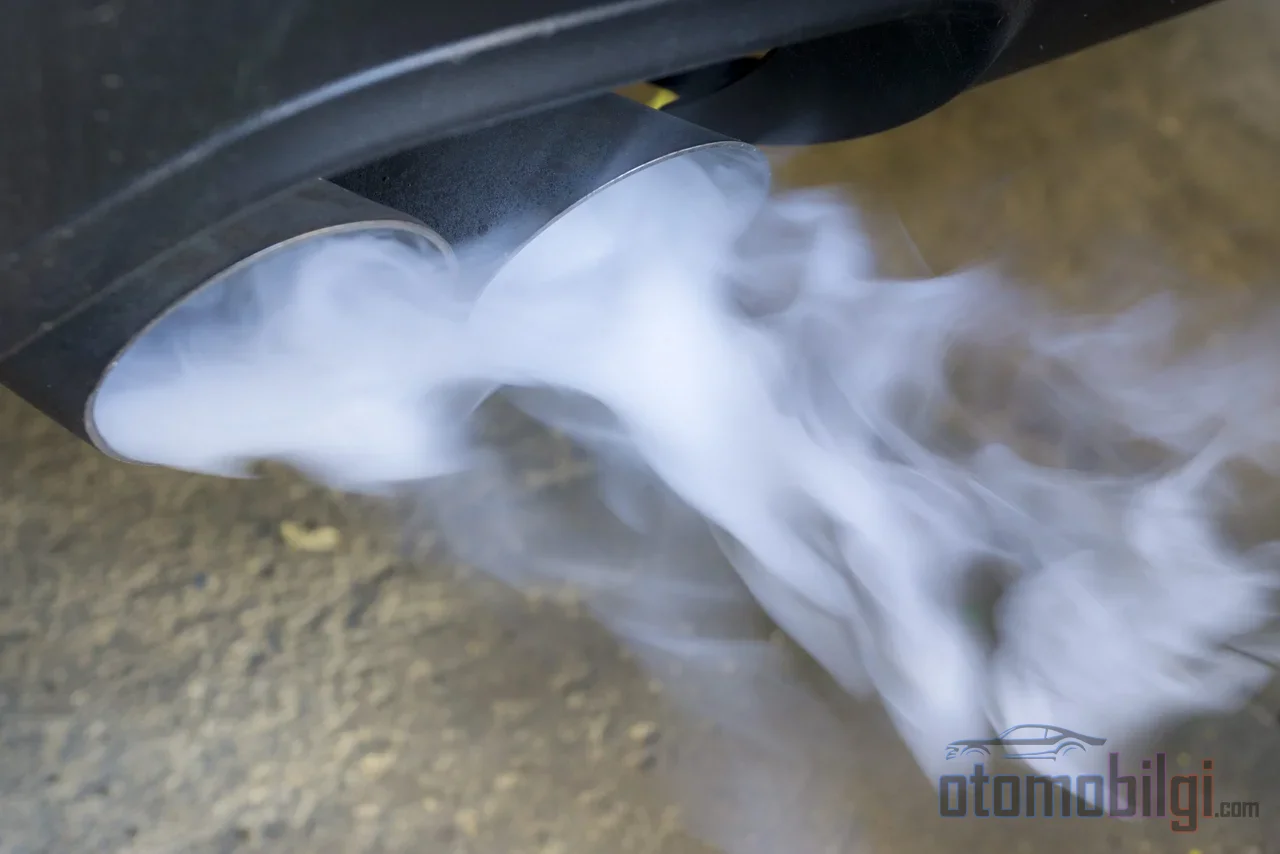
On a cold morning, the white cloud rising from the exhaust when you start the car is not a sight that grabs most drivers by the heart. But the real question is this: if the smoke disappears within a few seconds, that is the end of it; if it is still there hours later, the exhaust is trying to tell you something about the inside of the engine. I have been in this business for over thirty years, and I can say this with confidence: the color of the smoke is one of the oldest and most reliable diagnostic methods for engine faults. The type of liquid burning determines the color; by reading the color, you can close the door on serious expenses early.
White Smoke: Steam or Coolant?
The distinction here determines everything. Thin, water-vapor-like white smoke seen in cold weather, especially at the first start in the morning, is mostly harmless. Moisture accumulated in the exhaust system evaporates when heated, and as the engine warms up, the smoke disappears in a short time. This is less a fault than the laws of physics at work; it is normal for every vehicle to run with a bit of steam in the winter months.
The SCARY situation is different: thick, persistent white smoke with a sweet, syrup-like smell. When antifreeze burns, this characteristic smell forms, and it means coolant is leaking into the combustion chamber. The most common cause is a blown cylinder head gasket; in worse scenarios, a cracked cylinder head or a cracked engine block produces the same symptom.
Key Takeaways
- Thick, sweet-smelling white smoke is a sign of a coolant leak, and therefore a risk to the head gasket.
- Blue smoke indicates that the engine is burning oil; the average repair cost is roughly in the £800 range.
- Black smoke points to a rich mixture running on excess fuel; the usual culprit is a faulty O2 sensor or a dirty air filter.
- If overheating and white smoke occur together, the vehicle should not be driven; continuing can lead to a cracked block.
Other warning signs of a blown gasket
White smoke does not speak on its own; also check the dipstick and the oil cap. If coolant has mixed with the oil, the oil takes on a frothy, milky-coffee-like appearance. Constantly dropping coolant in a seemingly sealed engine, unexplained bubbles in the radiator or expansion tank, recurring overheating, misfiring, and loss of power are all parts of the same picture. If a vehicle whose gasket has been replaced still emits white smoke, it can be assumed that another underlying problem, such as a cracked head surface, has not been resolved; at this point the job should definitely be left to a specialist.
To be clear about the urgency: continuing to drive a vehicle that has overheated or is emitting thick white smoke can go as far as a warped cylinder head or a cracked block. A problem that could have been stopped with a small gasket repair thus turns into an engine replacement. When you see thick, sweet-smelling white smoke, do not wait; take the vehicle to a service center as soon as possible.
Blue Smoke: Where Is the Engine Oil Going?
The meaning of blue smoke is clear: the engine is burning oil in the combustion chamber. The culprits usually fall into three categories. The first and most costly is worn piston rings; when the rings cannot scrape oil off the cylinder wall, the oil mixes into the combustion chamber. The second is worn valve stem seals; the classic clue is smoke increasing especially at idle and when the hot engine waits at a traffic light. The third is turbo oil leakage in turbocharged engines. Less commonly, PCV ventilation issues and a gasket failure leaking from oil passages can also be cited.
The good news is that light blue smoke seen at startup does not render the vehicle undrivable in the short term; the bad news is that in the long term the oxygen sensors and catalytic converter can be damaged, with a risk of permanent damage to the engine itself. Repairs are generally expensive; ring or seal work can cost around £800 on average, while smaller jobs like a turbo oil seal stay below that band, and a full bottom-end engine rebuild can go far above it. If thick blue smoke is accompanied by a low oil pressure warning, overheating, serious power loss, or unusual engine noises, stop at the first safe place.
And one practical detail: oil burning does not always look blue. Synthetic oils sometimes produce a whitish-gray smoke; so when reading the color, you should also look at how quickly the oil level drops.
Black Smoke: Too Much Fuel, Too Little Air
Black smoke is a sign that fuel is being expelled from the exhaust unburned or partially burned; in technical terms, a rich mixture. We have seen it in carbureted and injected old engines, and we still see it in modern diesels; black smoke accompanied by a strong diesel fuel odor is especially familiar. The causes are a limited and familiar list: a faulty oxygen (O2) or MAF sensor, a clogged or dirty air filter, leaking injectors, damaged piston rings, and engine deposits. When the oxygen sensor dies, the brain unit enriches the mixture with inaccurate data; the check engine light coming on along with black smoke is the most common combination of this scenario.
The good side of black smoke is that it is usually less alarming than blue smoke; causes like a sensor replacement or air filter are cheap and quick solutions. Fuel consumption pays its penalty with every liter, so there is no point in delaying.
Three Colors, Three Different Stories: Summary Table
| Smoke color | Burning fluid | Common causes | Urgency |
|---|---|---|---|
| Thin white (in cold weather) | Water vapor | Condensation, when the engine is cold | Normal; not expected |
| Thick white | Coolant | Blown gasket, cracked head, cracked block | Very high; service immediately |
| Blue | Engine oil | Rings, valve stem seals, turbo leak | High; early intervention reduces cost |
| Black | Fuel | O2/MAF sensor, air filter, injector | Medium; should be resolved quickly for fuel economy |
Simple Checks You Can Do Before Going to the Service
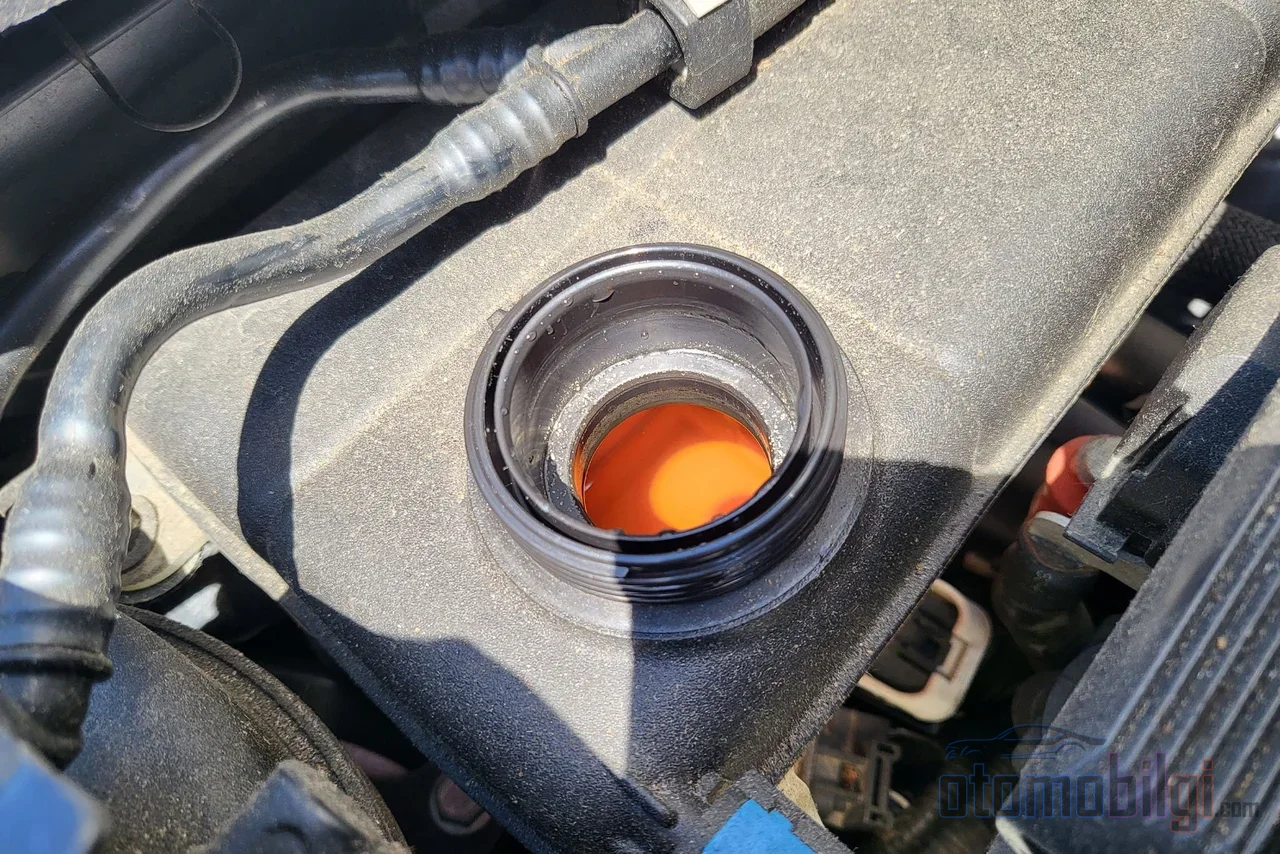
Holding a white paper towel in front of the exhaust is a quick test that has long been in practice: if the paper gets wet but stays clean, it is steam; if it leaves an oily or colored mark, something else is burning. Then open the hood and read the fluids. The best clue to the source of the problem is which fluid is dropping at an abnormal rate.
- Engine oil: Check its level and appearance; a milky, foamy consistency is a sign of coolant mixing in.
- Coolant: Check whether the level is dropping and whether there are bubbles in the reservoir.
- Brake fluid: A little-known detail; with a master cylinder leak, brake fluid can be drawn in through the vacuum hose and burn, producing white smoke.
- Air filter: A dirty filter is the cheapest explanation for black smoke; look at it first.
Also record the nature of the smoke correctly: is it thin or thick, temporary or persistent, does it have an odor? In the past, notes were written by hand in a maintenance log; now the car reminds you of its own intervals, but a driver who follows neither ends up facing the same costs. During the diagnostic process, steps such as compression and leak tests, fuel pressure measurement, and MAF sensor cleaning are evaluated in order; knowing which fluid goes where shortens this chain.
The Way to Not Produce Smoke: Preventive Maintenance
Most of these scenarios are preventable. Do the oil changes at the intervals specified by the manufacturer; high-quality or synthetic oil provides better protection under heat and pressure. Check the coolant regularly, and the system should generally be flushed and renewed once every five years; using the wrong type of fluid is an invitation to corrosion and clogging. In the past, service intervals were noted by hand in the maintenance logbook; now the vehicle reminds you of its own intervals, but a driver who ignores both ends up facing the same costs.
Let me add two more habits. Glance at the temperature gauge from time to time; never keep driving an overheating car - pull over and let it cool down. Driving only short distances in cold weather, on the other hand, prevents the engine from reaching its operating temperature, causing moisture to build up in the exhaust. Repairing small leaks and hose failures right away removes the steps along the road to a blown head gasket one by one.
What to Do Depending on the Color of the Smoke? Short Answer
Exhaust smoke diagnosis by color is as follows: thin, temporary white smoke in cold weather is harmless steam; thick, sweet-smelling, persistent white smoke points to a coolant leak - that is, most likely the danger of a blown head gasket - and requires going to a service center without delay. Blue smoke indicates oil burning, and early intervention significantly reduces the repair cost; black smoke points to a rich mixture, and therefore usually to problems that can be solved quickly, such as a sensor or air filter. Read the color, check the fluid levels, and catch the symptom before it grows.
Sources
- Spotting Blown Head Gasket Symptoms [How to Prevent or ...
- What Does White Smoke from the Exhaust Mean?
- Big Clouds of White Smoke and Not Head Gasket!
- HOW TO CHECK FOR A BLOWN HEAD GASKET
- I changed the head gasket but the car smoke is white. How ...
- white smoke coming out of exhaust (not blown head gasket ...