Why Did the Fisker Karma Sink? The Anatomy of Battery Failure
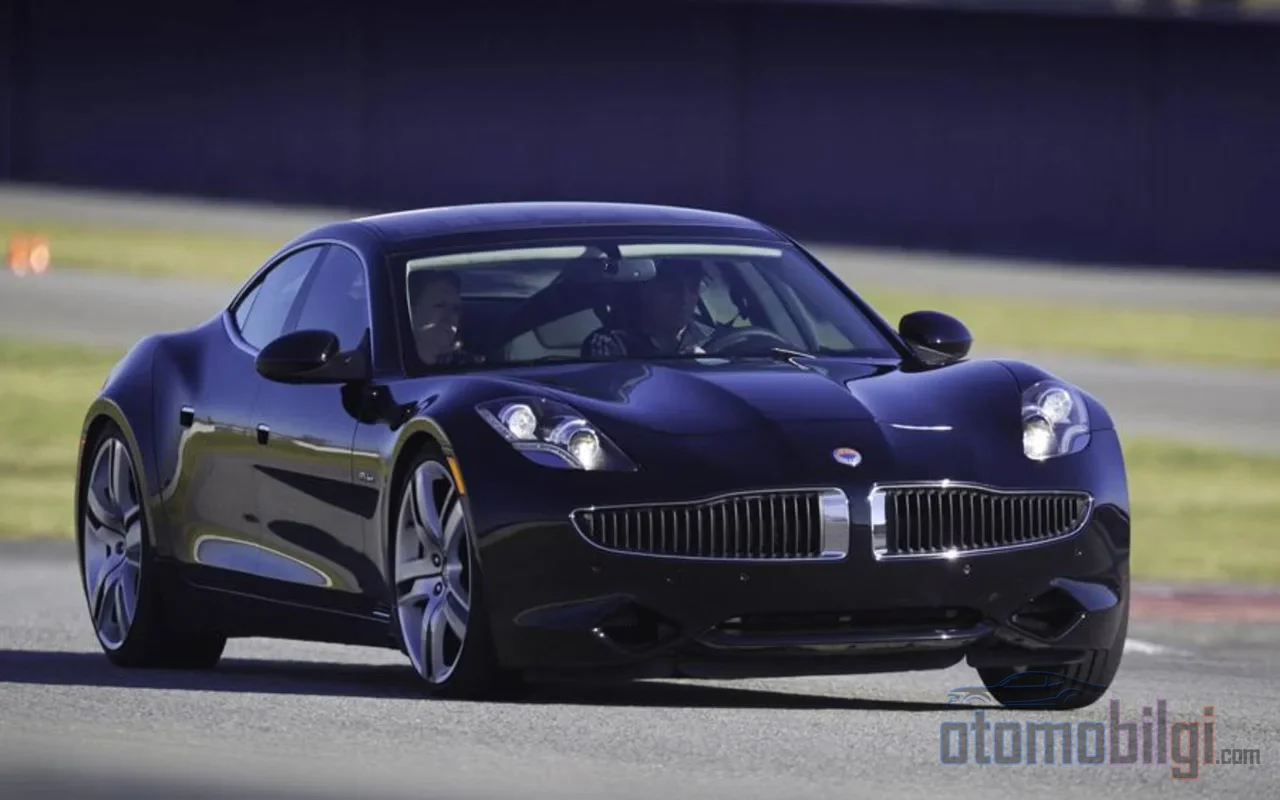
In October 2010, at the heart of the Paris Motor Show, stood the first Fisker Karma to leave the factory after a year-long delay. The company called the car the world's first premium plug-in hybrid, and this claim was technically defensible: 403 hp of total power, 1,300 Nm of torque, a solar roof, a six-figure price tag. Two years later production had halted, the battery supplier had gone bankrupt, and with total production of roughly 2,450 vehicles this luxury sedan would fade into history. Although the Karma's story is the downfall of a single company, the lesson it tells belongs to the structural problems of the early plug-in hybrid era.
What Is the Fisker Karma and What Did It Promise?
Fisker Automotive was founded on September 5, 2007, in Anaheim, California. Founder and designer Henrik Fisker was a name who had penned BMW and Aston Martin designs in the industry. The Karma was a full-size luxury four-door sedan operating on the range-extender principle: two 120 kW (161 hp) electric motors were the only things driving the wheels, while the 2.0-liter supercharged GM Ecotec gasoline engine kicked in as a generator when the battery ran out or the driver selected Sport mode.
The car was first unveiled at the 2008 Detroit Auto Show. In November 2008, a production agreement was signed with Valmet Automotive in Uusikaupunki, Finland, and pre-orders began being taken in the US and Europe. The initial plan envisioned sales starting in the US in the last quarter of 2009 and in Europe in 2010. By the end of 2009, 1,300 orders had been reported.
Highlights
- Total power 403 hp, total torque 1,300 Nm; two electric motors drive the rear wheels
- the first production Karma was shown at the 2010 Paris Motor Show with a year-long delay
- the battery supplier's October 2012 bankruptcy of A123 Systems halted production; total production remained at ~2,450 vehicles
- In November 2013, Fisker Automotive filed for Chapter 11 bankruptcy
Fisker Karma Technical Specifications: The Range Extender in Numbers
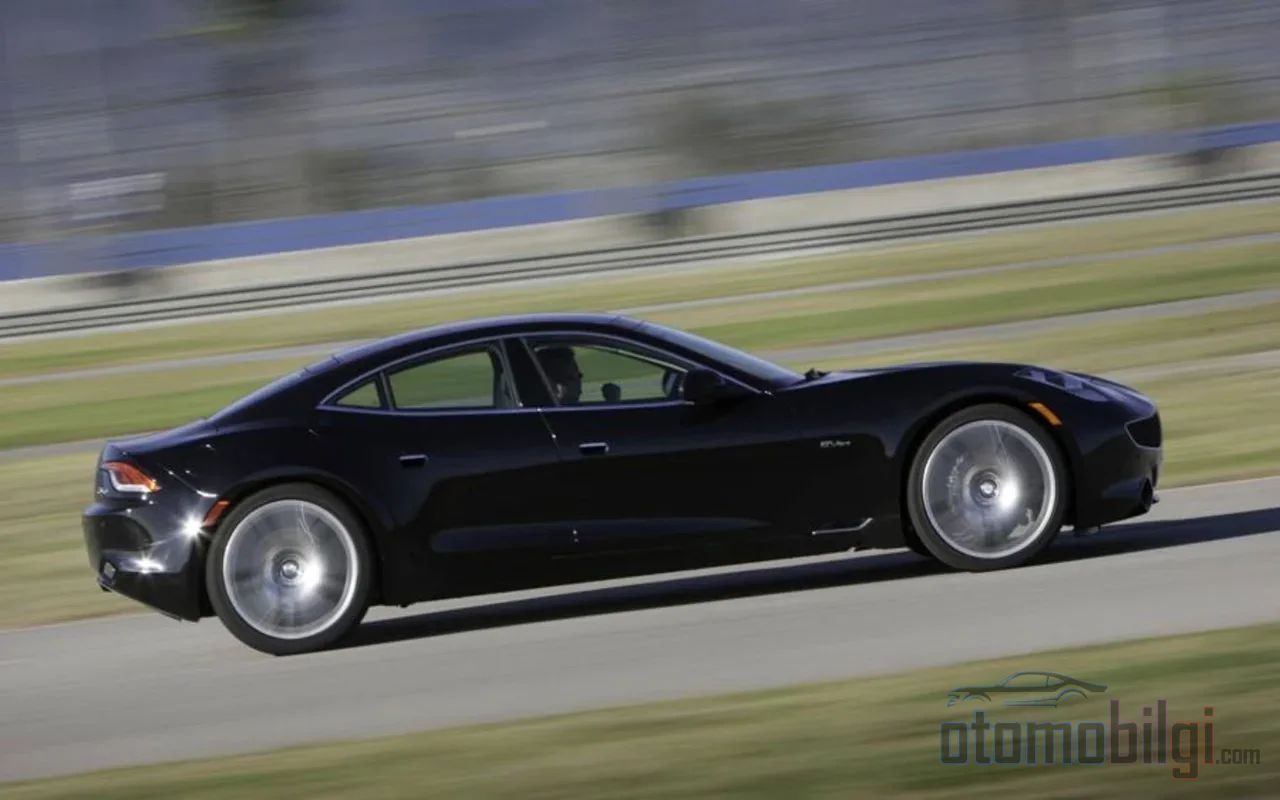
The Karma's drivetrain is built on GM's E-Flex platform, and the drive system was developed partly with Quantum Technologies. The supercharged 2.0-liter Ecotec engine produces 260 hp, but this power never goes directly to the wheels under any circumstances; the engine is only a generator. The transmission is single-speed and the car is rear-wheel drive.
| Specification | Value |
|---|---|
| Total power | 403 hp (301 kW) |
| Total torque | 1,300 Nm |
| Electric motors | 2 x 120 kW (161 hp), 479 Nm each |
| Generator engine | 2.0 L turbo Ecotec, 260 hp |
| Battery | 20.1 kWh lithium-ion (A123 Systems) |
| EPA electric range | 51 km (32 miles) |
| Total range | ~370 km (230 miles) |
| Top speed | 201 km/h |
| 0-100 km/h | Manufacturer figure 5.9 s (Sport mode) |
| Curb weight | ~2,400 kg |
There is variation in the acceleration figure depending on measurement conditions: while the manufacturer reports 5.9 seconds in Sport mode, independent evaluations yield results in the 6.3 to 8 second range. The vehicle's 2,400 kg weight explains this spread.
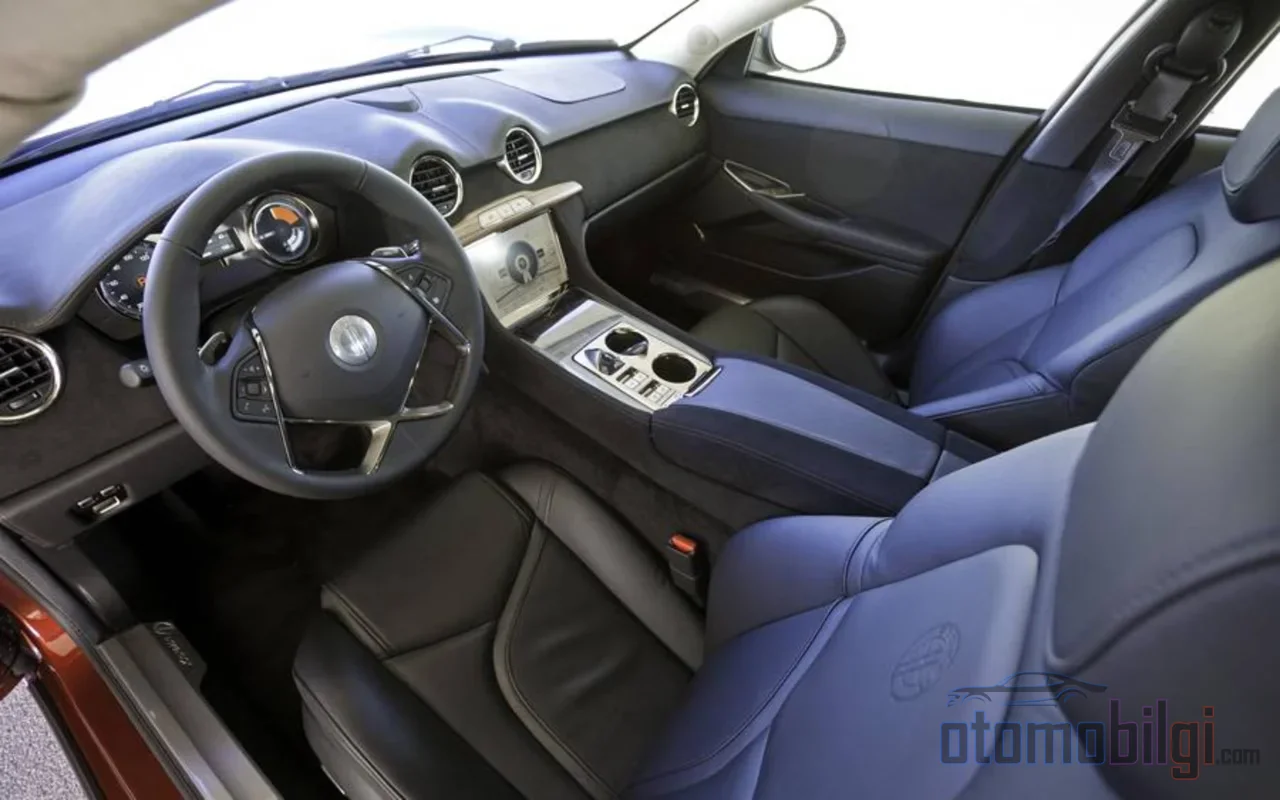
Because the battery pack runs between the seat rows, the rear seats are not a bench, and the car seats four. The 3.3 kW on-board charger is fed from the SAE-J1772 inlet. The standard solar roof, however, is an interesting case: the launch materials projected half a kWh of production per day and an extra 4-5 miles of range per week on continuously sunny days, but the delivered panel in practice charged only the 12-volt accessory battery.
Why Is There Such a Big Difference in the Consumption Figures?
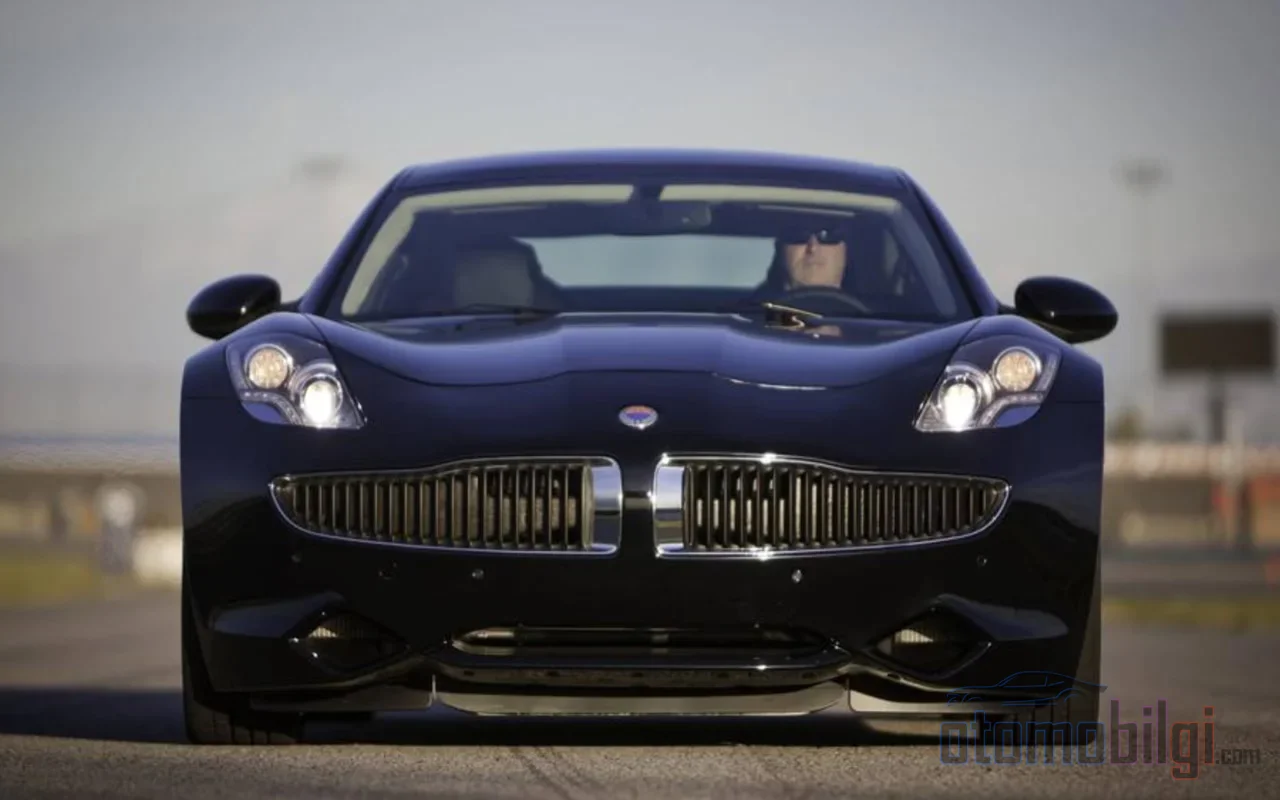
A typical problem of the early plug-in hybrid era was that consumption figures changed dramatically depending on the measurement method, and the Karma is the textbook example. On the NEDC cycle, a combined equivalent of 2 L/100 km and 51 g/km CO2 was reported. The EPA, on the other hand, measured 52 MPG-e in electric mode and 20 mpg (12 L/100 km) on gasoline alone; the independent TUV test found 9.2 L/100 km in Sport mode, 112 MPG-e combined. Even the electric range varied depending on who defined it: the EPA said 51 km while TUV measured 83 km.
This difference stemmed less from a defect in the car than from the very nature of the plug-in hybrid definition: a Karma with a full battery and a Karma with a depleted one, as the same vehicle, produced two completely different economy profiles. Under the range extender principle, gasoline consumption depended on how often and at what load the generator ran. These widely divergent figures in consumers' hands in the early days were a small but instructive slice of the segment's reliability problems.
Delays, Recalls and Safety Incidents
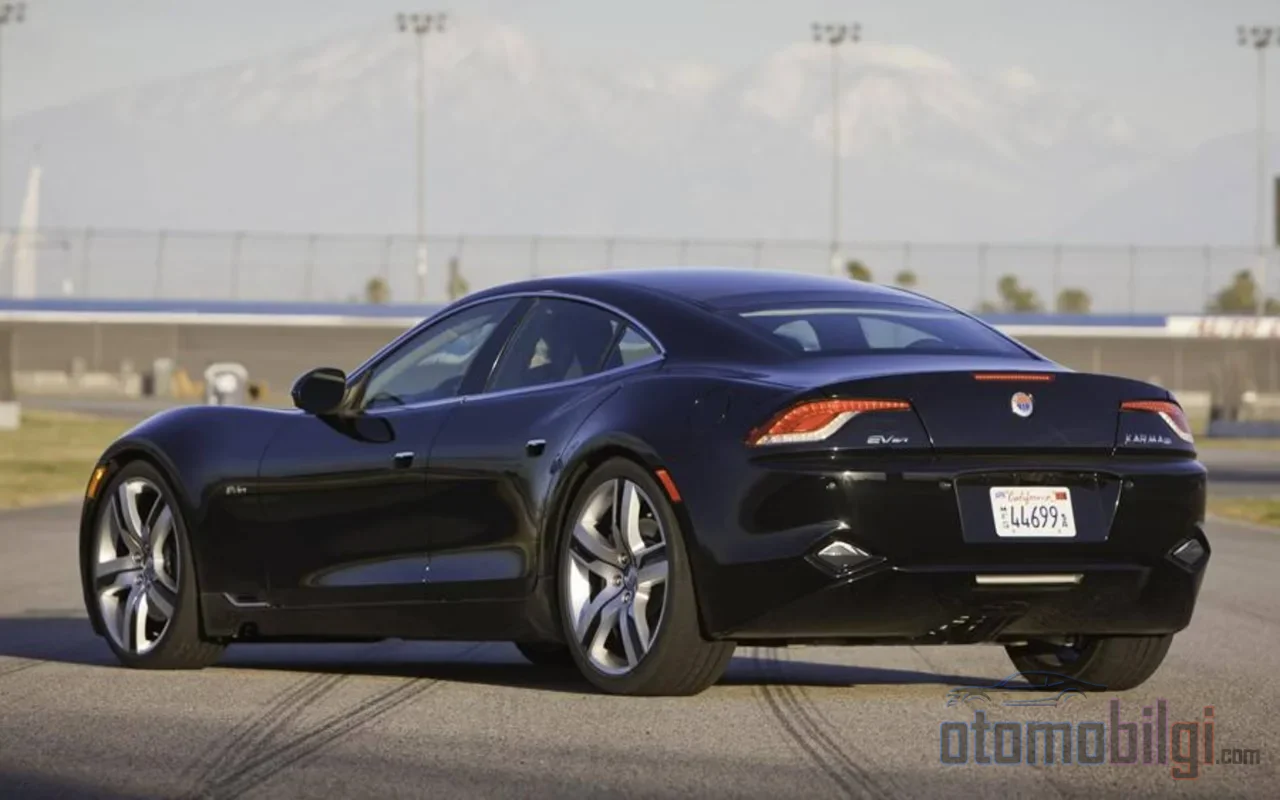
The launch plan slipped from late 2009 to July 2011. Production began on the Valmet line at five vehicles per week; in December 2011 output reached 25 units per day. The first two US deliveries were made on 26 July 2011, and retail deliveries began in November 2011. At the 2011 launch, 3,000 pre-orders were announced, and the order list was reported to be filled out until early 2012. But this picture was shadowed by a string of technical incidents.
- December 2011: The first 239 vehicles were recalled due to coolant leaks and fire risk from incorrectly positioned hose clamps; the problem was discovered at the Valmet factory on 16 December.
- 7 March 2012: The test car bought by the consumer magazine for $107,850, with under 200 miles on the odometer, broke down on the track and never ran again. The cause was faulty battery cells from a misaligned welding robot at the A123 factory; A123 replaced the affected packs at a cost of $55 million.
- May 2012: A Karma alleged to be the source of a house fire in Texas was not charging and its battery appeared intact; no definitive cause could be determined, and NHTSA opened a field investigation.
- August 2012: Around 2,400 vehicles were recalled due to a faulty cooling fan; that fan unit was the cause of a fire in California.
- 29 October 2012: Hurricane Sandy flooded the shipment of roughly 330 vehicles arriving from Europe at Port Newark; 16 Karmas burned. The fire was caused by a short circuit due to corrosion inside the Vehicle Control Unit, which had been submerged in salt water; the lithium-ion packs were ruled out. Flood losses are estimated at over 30 million dollars.
How Did the A123 Battery Break the Chain?
In January 2010, Fisker reached an agreement with A123 Systems as the exclusive supplier of the Karma's high-voltage battery pack. The single-supplier model was an understandable choice for a manufacturer with small volumes but limited capital; the price, however, was tying the system to a single point of failure. In July 2012, a package recall was carried out due to defective cells at the new battery plant in Michigan, and following this incident, A123 filed for bankruptcy in October 2012.
In November 2012, Karma production was suspended and never resumed. The company cited an attempt to renegotiate the Valmet production contract and A123's bankruptcy proceedings as the reason for the halt. Total production remained at approximately 2,450 vehicles. In March 2013, US employees were temporarily laid off and Henrik Fisker resigned.
Then the financial dominoes also fell: By February 2012, approximately 190-200 million dollars of the 529-million-dollar Department of Energy loan had been drawn, but the loan had been frozen because the company failed to meet its milestones. In November 2013, the Department sold Fisker's debt at auction to Hybrid Technology LLC for 25 million dollars; On November 22, 2013, Fisker Automotive filed for Chapter 11. In February 2014, the assets were purchased by China's Wanxiang, and in September 2016, the vehicle re-entered production as the Karma Revero under the Karma Automotive brand.
What Happened to Sales and What Was the Price Range?
In the US market, the Karma entered its first sales with the base model at 95,900 dollars and the top trim at 109,850 dollars. Following the price increase in December 2011, the EcoStandard rose to 102,000 dollars, the EcoSport to 110,000 dollars, and the Animal Free EcoChic trim to 116,000 dollars. This price range put the vehicle in a segment where it competed directly with the Tesla Model S; the tension between the two companies went back to a lawsuit Tesla filed in April 2008 claiming that the hybrid technology developed for the Model S had been stolen; the case was decided in Fisker's favor, and Tesla paid 1,144,285 dollars in cost compensation.
The delivery figures are as follows: By December 2012, approximately 1,800-2,000 vehicles had been delivered in North America and Europe; nearly 1,600 of these were in the US. In Europe, 533 units were sold by December 2014; the leading market was the Netherlands with 166 vehicles, followed by Switzerland (55), Belgium (52) and France (44). Awards also came from the design community: Time's 2011 best inventions list, Automobile Magazine's 2012 Design Award, and Top Gear Magazine's 2011 Luxury Car award are among them. The awards did not manage to change the delivery table.
Comparison with the BYD F3DM: The Common Problem of First-Generation PHEVs
To understand the Fisker Karma, one needs to look at the landscape of the era. The BYD F3DM, launched for sale in China on December 15, 2008 as the world's first mass-produced plug-in hybrid car to government agencies and companies, offered a 480 km range extension in addition to its electric range. At one end was an affordable sedan from a Chinese manufacturer with Warren Buffett as a shareholder, at the other end was a $100,000 California luxury car; both drowned in the cost-demand balance of early plug-in hybrid technology. GM's Chevrolet Volt entered the market in 2010 as the first large-scale commercial plug-in hybrid.
The common structural problem was clear: plug-in hybrids were relatively expensive to produce, creating a cost challenge for manufacturers. Battery technology was not yet mature, and the per-kilometer cost of the lithium-ion pack was far higher than today's. BYD's own announced timeline is also striking: the company spent 13 years to reach its first million new energy vehicles. This picture shows that the Karma's sinking cannot be explained by the bankruptcy of a single battery supplier.
Why Did the Fisker Karma Fail?
The short answer is this: The Fisker Karma rested on immature battery technology in a luxury-priced product, a single-supplier supply chain, and a business model incapable of volume production; a 2-year delay, consecutive recalls, A123 Systems' bankruptcy, and a frozen $529 million government loan brought down this fragile structure in a short time.
In the long answer, the causes are more widely distributed. The A123 bankruptcy was the trigger that broke the chain, but assessments also highlight management mistakes, numerous missed production deadlines, and evaluations around the Energy Department of the time that the vehicle was not suitable for mass production. The luxury segment is the market with the least tolerance for error: a customer paying $100,000 did not expect to put up with limited electric range and conventional performance. The battery tunnel that reduced the rear seat to four passengers, the fuel consumption reaching 12 L/100 km in EPA measurement, and the cost of the 20 kWh package widened the angle between the luxury promise and engineering reality with every line.
Viewed from a historical perspective, the framework becomes even clearer. Ferdinand Porsche first made the hybrid idea functional with the Lohner-Porsche in 1900, the 1997 Toyota Prius carried the hybrid into mass production, and the 1999 Honda Insight followed with a parallel mild hybrid. The Prius settling for its 1.78 kWh nickel-metal hydride battery was no coincidence: the technology was maturing with small and safe steps. The Karma, however, was the first luxury attempt to push the lithium-ion pack to the 20 kWh scale and bury it in the price, and its collapse showed that the plug-in hybrid could only survive commercially when battery costs fell and volume production became possible.
Although the Karma's design legacy was revived as the Karma Revero during the Wanxiang era, the original Fisker Automotive experience remained a milestone of the early plug-in hybrid era: the technology was right, the timing and business model were wrong.
Sources
- Fisker Karma - Wikipedia
- Paris Motor Show 2010: Fisker Karma - Autocar
- Bankrupt battery maker A123 stalls Fisker Karma production - CSMonitor
- Production Fisker Karma press release (Paris 2010) - Autoevolution PDF
- 2012 Fisker Karma Specs - KBB
- 2013 Fisker Karma Review, Pricing, and Specs - Car and Driver
- BYD F3DM - Wikipedia