Electric Vehicle Batteries Are 90% Cheaper After 14 Years
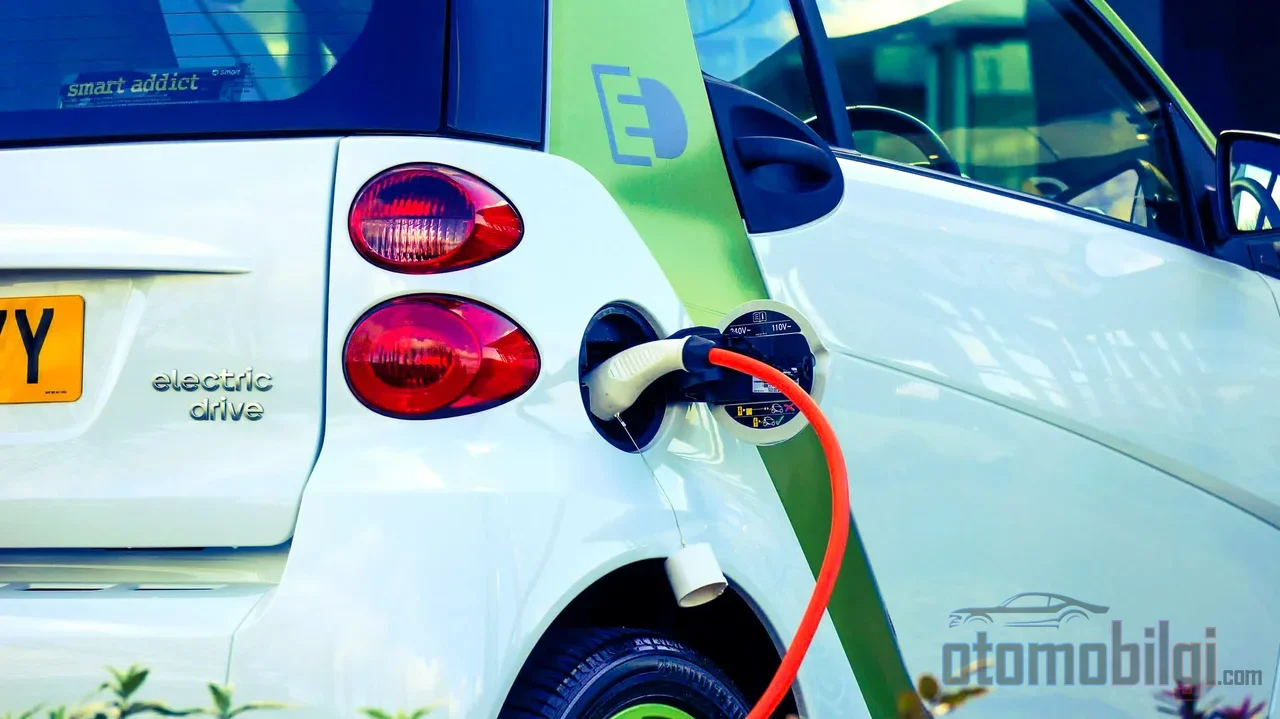
In 2010, the battery pack of an electric vehicle cost roughly $1,100-1,200 per kilowatt-hour. In 2025, the global average pack price fell to $108. A drop of roughly 90 percent over fifteen years. This is not the story of a single revolutionary invention; it is the cumulative result of scale, chemistry and manufacturing discipline. Understanding the economics of battery cost is the same thing as understanding the price tag of electric vehicles: because the pack typically makes up 30-40 percent of the vehicle's total cost.
So where does this decline come from, which material item inside the cell actually determines the price, and what is the prediction that electric vehicles will be cheaper to produce than their gasoline counterparts in 2027 based on? This page examines the anatomy of the cost per kWh step by step.
The Cost Decline per kWh from 2010 to Today
The global volume-weighted average battery pack price fell 8 percent in 2025 to $108/kWh; in 2024 the figure was $115. In the automotive segment, battery electric vehicle (BEV) packs averaged $99/kWh, slipping into their second year below the nominal $100 threshold. By contrast, stationary energy storage packs fell to $70/kWh, and the cell average across all segments dropped to $74/kWh.
Over a longer time scale, the picture is even more striking. Lithium-ion cells stood at roughly $9,200/kWh in 1991; in 2024, they were $78/kWh. A decline of more than 99 percent over thirty-three years. Today the cells of a typical electric vehicle -63 kWh, delivering 350-400 km of range- cost about $5,000; a decade ago the same cells were over $20,000, and in 1991 they stood at roughly $580,000.
Highlights
- While the average pack price was $1,100-1,200/kWh in 2010, it reached $108/kWh in 2025: a drop of roughly 90 percent.
- Materials are the largest single cost block in a mature cell factory; cathode active material accounts for more than a third of cell cost in nickel-based chemistries.
- 2025 segment prices: LFP pack at $81/kWh, NMC pack at $128/kWh.
- The battery pack typically accounts for 30-40 percent of an electric vehicle's total cost.
- The Gartner prediction: by 2027, next-generation BEVs will be cheaper to produce than gasoline equivalents.
The learning curve: production doubling, prices falling
The mechanism behind the decline is the same as the one seen in solar panels: manufacturing experience. Since 1998, prices have fallen roughly 19 percent every time global cumulative production doubled; different studies measure this learning rate in a range between 7.5 and 29 percent. Cumulative production increased 27 millionfold between 1991 and 2023. In other words, batteries became cheap not through one great breakthrough, but through thousands of small improvements. This is a critical distinction in terms of the durability of the decline: the gains are embedded in processes and cannot easily be reversed.
Over the same period, energy density also rose from 200 Wh per liter to over 700 Wh. The cost decline and the performance gain went hand in hand; this means the price per unit of energy is eroding at double speed.
Cost Inside the Cell: Material Breakdown
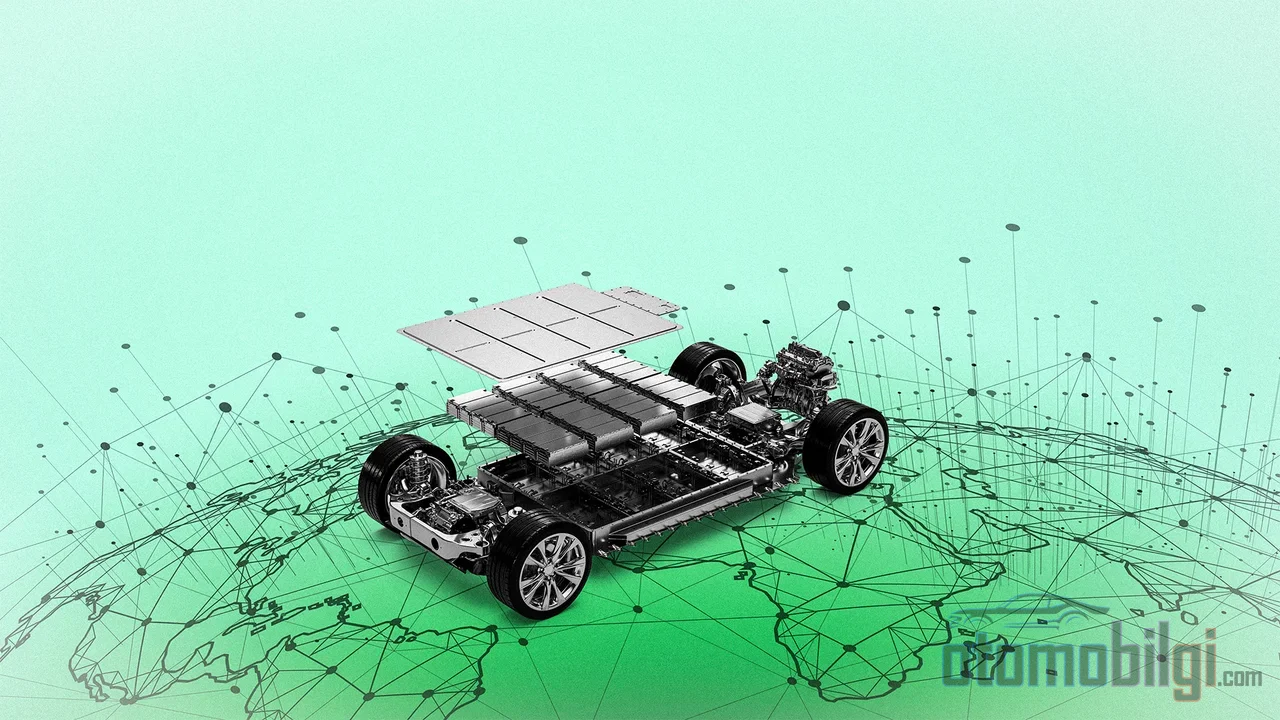
When a cell factory matures, material sits at the center of the cost table. The inputs entering the cell account for a large share, ranging from roughly two-thirds to three-quarters of total cell cost in a well-run plant; different measurement methods give different ratios, but the order remains unchanged. After material come the anode, electrolyte, separator, current collector foils and the casing. The remaining cost blocks - depreciation, scrap rate, the energy consumption concentrated in drying and dry rooms, labor, overhead and warranty - are extremely sensitive to utilization rate and efficiency.
The heart of the breakdown is the cathode. In nickel-based chemistries, the cathode active material alone accounts for more than a third of total cell cost, more than half of cell material cost, and roughly 30 percent of total pack cost in the NMC811 and graphite scenario. That is why anyone who wants to read the $/kWh price looks first at the cathode chemistry.
The price difference between NMC and LFP
As of 2025, the average LFP pack is priced at 81 $/kWh and the NMC pack at 128 $/kWh - a difference of 47 dollars per kWh, larger than several years of average price decline. On the LFP side, the lowest observed pack price has fallen to 50 $/kWh, and the lowest cell price to 36 $/kWh. The main reason for this difference is that the lithium-iron-phosphate chemistry contains no nickel or cobalt; however, the sensitivity is not zero: LFP pack prices are the group most exposed to copper, aluminum and lithium hydroxide costs.
| Segment | 2025 average price ($/kWh) |
|---|---|
| Battery electric vehicle packs (BEV) | 99 |
| LFP packs (all segments) | 81 |
| NMC packs (all segments) | 128 |
| Stationary storage packs | 70 |
| All-segment cell average | 74 |
The regional breakdown shows the same reality: In China, the average pack price is 84 $/kWh, while North America is at 121 and Europe at 131 dollars. That is why a single "battery price" figure is misleading; price comparisons given without specifying segment, chemistry, region and the cell-to-pack boundary remain incomplete.
From Cell to Pack: Integration Cost
The difference between cell price and pack price arises from integration. Module hardware, battery management system, wiring, contactors and fuses, thermal management, enclosure and assembly labor are added on top of the pack. Cell-to-pack designs exist precisely for this reason: to reduce this extra cost by eliminating the module layer.
Under overcapacity conditions, the picture becomes even more complicated. China alone has annual cell capacity of roughly 557 GWh for stationary storage; that is about twice the segment's global demand. In such an environment, some manufacturers are selling on thin, even negative margins. In other words, 2025's record-low prices are partly the transaction prices of a price war; assuming each figure represents a permanent production cost, the business plan becomes open to an identifiable failure mode.
Metals Got More Expensive, Packs Got Cheaper
The most instructive data of 2025 is this contradiction: Lithium supply risks in China and the Democratic Republic of the Congo's cobalt export quotas pushed metal prices up, but pack prices kept falling. The industry absorbed this shock through the shift to LFP, long-term contracts, and hedging.
On the lithium side, the wave was harsher: battery-grade lithium carbonate bottomed out in mid-2025 at around $8,000 per ton, then rebounded sharply; in the first half of 2026, Chinese spot prices traded in a band of roughly $21,000-25,500. At the start of 2026, lithium prices were more than double a year earlier but still about 70 percent below the 2022 peak. When and to what extent these prices will pass through to the pack -as contracts are repriced and hedging positions close- is the most open question in cost economics.
How Much Does the Battery Cost in the Vehicle's Price?
McKinsey's analysis shows that the battery pack is the largest cost item of a BEV and typically accounts for 30-40 percent of total vehicle cost. This ratio means that electric vehicle prices cannot be understood without discussing battery cost - but it alone is not sufficient either. As cell prices fall, the pack is ceasing to be the single dominant cost driver as it was in 2015; powertrain integration, software, and manufacturing scale increasingly determine the delivered price.
A concrete example: In mid-2024, in the US, the cell cost of a base Tesla Model 3 corresponded to about 7.5 percent of the vehicle price. The difference between the 30-40 percent pack share and the 7.5 percent cell share stems from definitional differences both in the model and at the cell-pack calculation boundary; the two figures do not measure the same thing.
The 2027 Cost Parity Prediction: What Is Gartner's Claim Based On?
Gartner's assessment published in March 2024 predicts that by 2027, next-generation battery electric vehicles can be produced on average more cheaply than comparable internal combustion engine vehicles. The rationale is not mysterious: improved manufacturing methods. In other words, parity is tied not to a miracle in the battery but to the accumulation of improvements in factory processes.
Another analysis sets the numerical threshold more concretely: Goldman Sachs researchers predict that average battery prices could fall to around $80/kWh by the end of 2026, and that this level would achieve subsidy-free BEV-ICE cost parity in the US. The $100/kWh line is therefore not symbolic, but a calculable parity. Automotive packs have already been below this threshold for two years; the expectation for 2026 is for the average to fall somewhat further, to around $105/kWh.
The limit of the prediction
Two common-sense notes should be added. First: today's $108/kWh figure is a transaction price formed under conditions of overcapacity and a price war; it may be below the sustainable production cost of some manufacturers. Secondly: In BEV packs, the nominal price rose from $97 to $99 in 2025; although there was a slight decline in real terms, the rate of decline has come to a standstill. A forecast built on the assumption that metal input costs will never rise has an identifiable failure mode. Another detail in the Gartner report is interesting: despite cost parity, the average repair cost after a major accident is predicted to increase by 30 percent. Cheaper production does not automatically reduce every item of ownership cost.
Conclusion: Where Is Battery Cost Heading?
The summary of the summary is this: since 2010, battery packs have become about 90 percent cheaper; the engine of this decline was the learning curve that produces a price erosion of about 19 percent with each doubling of production. Since more than one third of the cost is concentrated in the cathode material, the chemistry choice - LFP or NMC - makes a difference of $47/kWh today. Since the pack makes up 30-40 percent of the vehicle's cost, every dollar in the battery translates directly into the vehicle's price line. The 2027 cost parity prediction rests on the assumption that this trend can be carried forward with improvements in factory processes. The roadmap for the next wave is also clear: silicon and lithium metal anodes, solid-state electrolytes, and new cathode materials. Even if parity is achieved, this is not the end of the race; it will be the beginning of new questions such as repair costs, metal cycles, and capacity consolidation.
Sources
- Lithium-Ion Battery Pack Prices Fall to $108 Per Kilowatt-Hour, Despite Rising Metal Prices
- Battery costs have declined by 99% in the last three decades
- Battery Cost per kWh in 2026: What Drives It
- Gartner Outlines a New Phase for Electric Vehicles
- EVs will be cheaper to produce than gas-powered vehicles by 2027, Gartner says
- Electric vehicle battery prices are expected to fall almost 50% by 2026
- The future of affordable EVs: Breakthroughs in battery pack costs
- Electric vehicle batteries - Global EV Outlook 2026
- Estimated Cost of EV Batteries 2019-2024
- Learning by Doing and Government Policies in the Global EV Battery Industry