Why Isn't LFP Battery Recycling Profitable?
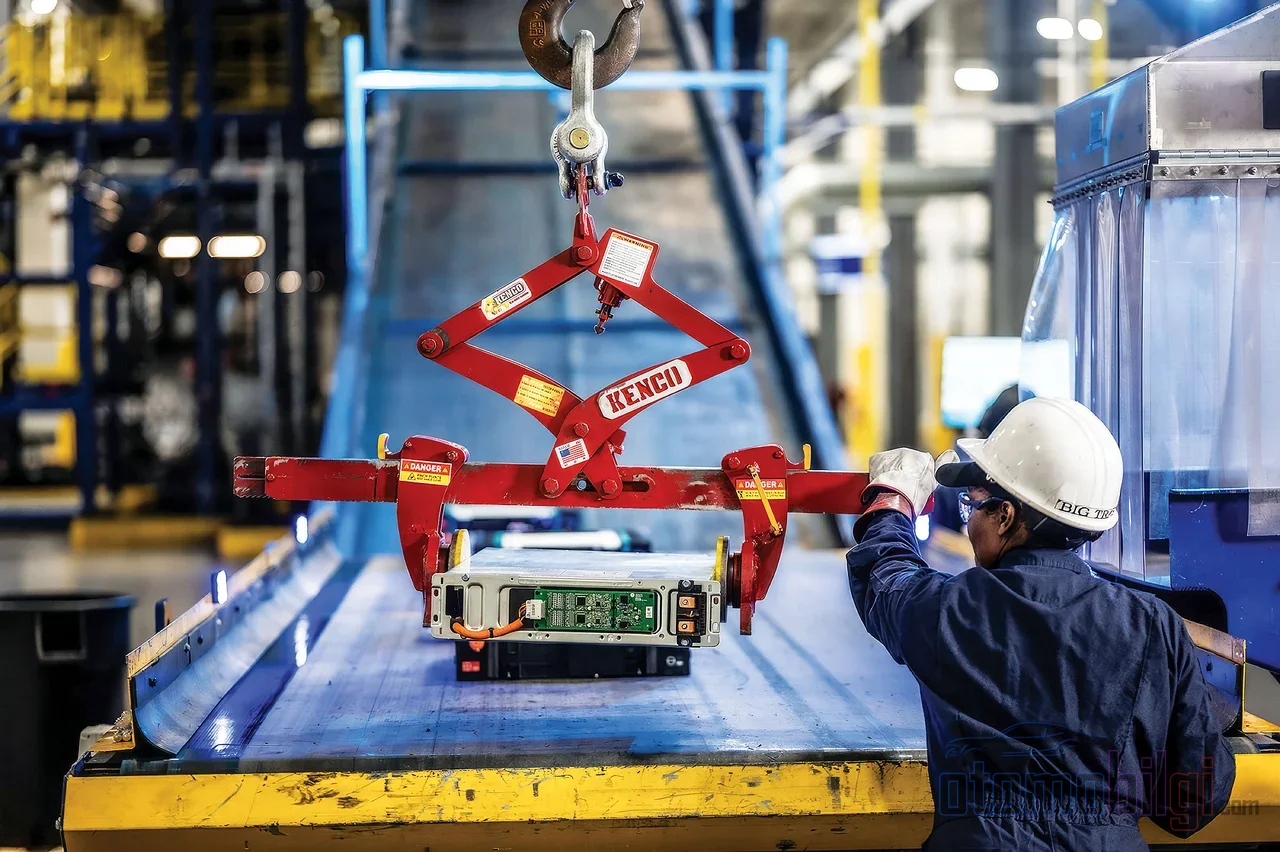
Lithium iron phosphate is today the fastest-growing battery chemistry in the electric vehicle market: As of 2025, more than 55 percent of electric vehicle batteries put into use worldwide were produced with LFP chemistry; in 2024 this figure was around 50 percent. So when this enormous volume reaches the end of its life, will it be a fortune or a burden for recycling facilities? The numbers point to the second answer, and the reason lies hidden in the chemistry itself.
Most recycling discussions revolve around recovering the valuable metals inside lithium-ion batteries. Yet LFP's entire character stems from the fact that it contains no cobalt or nickel. In chemistries like NMC, the recovered cobalt and nickel are the economic engine of the process; in LFP, that engine is absent. The result is an equation that turns negative in many scenarios. On this page, we break down that equation piece by piece.
What Does Low Value Mean: Not Performance, but Material Value
First, a terminology clarification: The low value discussed in the LFP context is not a judgment about the battery's performance or use value. LFP cells are known for their long cycle life, high thermal stability and low cost. The low value here refers entirely to the market value of the recoverable material.
When you break down an NMC cell, the cobalt and nickel you obtain are scarce and expensive metals on the world market. Recovering them from scrap rather than buying them from mining creates a significant saving; this saving carries the recycler's profit margin. In LFP, however, the cathode consists of iron and phosphate, and the unit value of the recovered material is low. The mining-avoidance saving remains limited and the revenue side weakens. That is why recycling facilities today are dedicating their capacity primarily to NMC batteries; LFP's recycling rates lag behind due to low unit economics.
Highlights
- In 2025, more than 55% of the world's electric vehicle batteries were deployed with LFP chemistry
- In a low metal price scenario, LFP recycling can produce losses of up to 105%
- For breakeven, NMC811 needs $309 per ton and LFP approximately $2,012 in support
- Direct regeneration on an LFP cell can go as low as $2.1 per kg; pyrometallurgy is $3.4
- In Europe, 2026 battery feedstock is only ~27% of the installed pre-processing capacity
Why Can the Economic Equation Turn Negative?
Triple bottom line (economic, social and environmental benefit) analyses reveal the scale of the problem with numbers. In a high metal price scenario, the profit margin of lithium extracted from miners reaches 88 percent, while for recycled lithium it remains at 19 percent. The most striking difference is in the low price scenario: while the mining margin falls to 23 percent, recycling can produce losses of up to 105 percent.
The need for a support mechanism is also asymmetric. NMC811 needs only $309 per ton of credit support, a mere 4 percent, to reach the break-even point in a low-price environment. For LFP, the same threshold is around $2,012, requiring 28 percent support; if a 7 percent profit margin is targeted, this figure rises to $2,250, or 32 percent. The difference between the two chemistries is not a matter of fine-tuning by a few points; it is a different economic category.
The cost side must not be forgotten either. Recycling of vehicle batteries in Europe is still not profitable today, and transport can account for up to 70 percent of costs; that rate depends on how the battery is classified as a hazardous material. Since tightening safety rules will make this item even bigger, small pre-processing facilities with a radius of roughly 500 kilometers are being discussed as a prominent solution.
Can Environmental and Social Benefits Change the Picture?
A purely profit perspective gives an incomplete picture. Analyses estimate that the total economic value of battery recycling in the US could be between $11.3 and $40.3 billion; they project that social and environmental benefits could provide a net present value contribution of $13.5-14.4 billion by 2040 and offset the negative profit pools in the low metal price scenario. In other words, even though LFP recycling may look like a loss on the accounting ledger, it can remain net positive on the societal account. Moreover, experts agree that their recycling is a regulatory necessity due to the risk that these batteries could pollute landfills as hazardous material. The issue is not the existence of the benefit, but to whom and when the benefit accrues.
Direct Recycling or Hydrometallurgy?
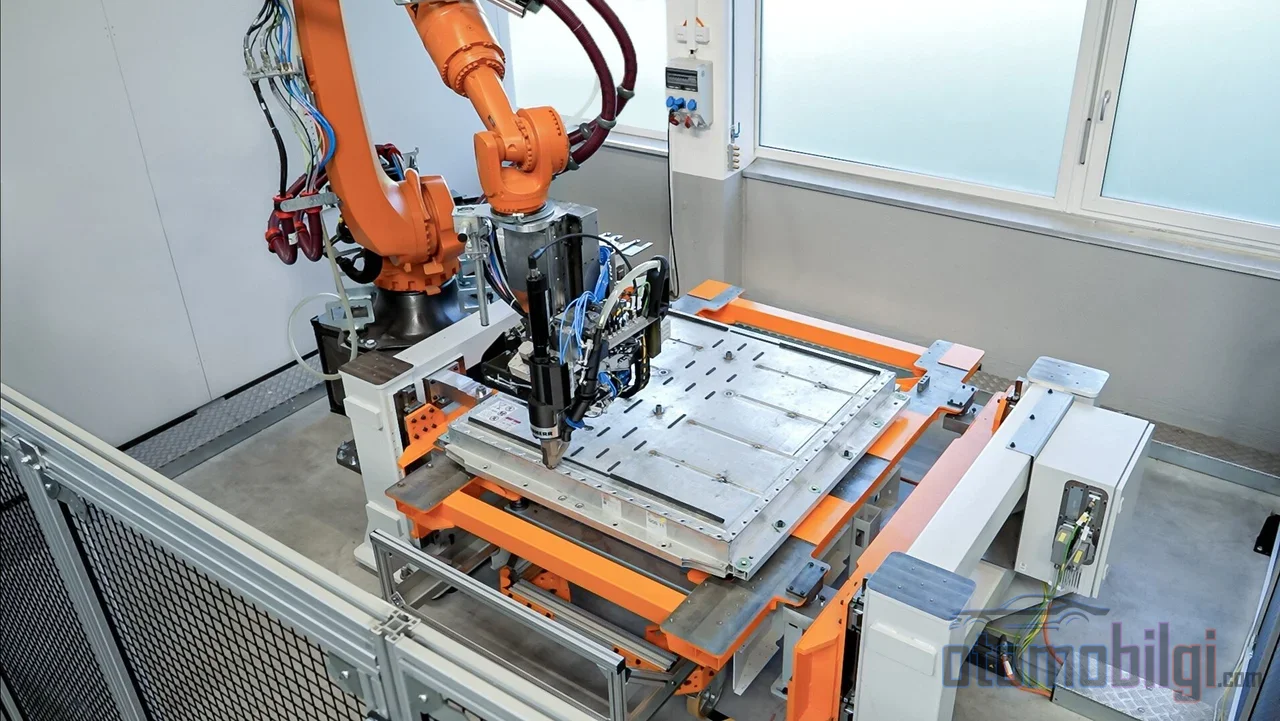
Today there are three main routes for recycling used LFP: direct regeneration, pyrometallurgy, and hydrometallurgy. For LFP's economic problem, the most technically promising branch is direct recycling. This method involves recovering and regenerating the battery components without destroying their chemical structures and reusing them; rather than breaking the material down into its elements, it seeks to renew it by preserving the cathode chemistry.
| Method | Feature | Cost / Yield |
|---|---|---|
| Direct regeneration | Regeneration with chemical structure preserved | ~$2.1/kg, 98% recovery |
| Hydrometallurgy | Solution-based element recovery | $3-8/kg |
| Pyrometallurgy | High-temperature melting | ~$3.4/kg |
The numbers favor the direct method. In a comparative analysis, the cost of direct regeneration drops to $2.1 per kilogram for a used LFP cell, while pyrometallurgy stays at $3.4 and a hybrid method remains at $2.4. Industry comparisons also show that direct recycling achieves 98 percent recovery with minimal losses; biological leaching stays in the 85-95 percent range, and while hydrometallurgy costs $3-8 per kilogram, the direct method operates in the $1-4 range. Modeling studies also show that direct recycling creates a significantly smaller environmental impact than hydrometallurgical methods. Current academic assessments highlight direct cathode recycling as the most cost-effective process and show that it can generate positive revenue even for LFP.
The levers of hydrometallurgy, however, are different: a robust and adaptable technique that is easy to scale to larger operations. Although the scarcity of valuable transition metals in LFP strains this economics, it remains a proven path for high-volume industrial facilities. In short, the choice of method cannot be reduced to a single answer; cell form factor and scale of operation are decisive together. While direct regeneration becomes more applicable in standardized, easily opened cell formats, at large scale hydrometallurgy's reliability stands out. The adhesive-heavy structure of pouch cells and the rigid casing of cylindrical cells pull disassembly and pre-processing costs in different directions; form factor is as much a part of the equation as chemistry.
How Is LFP's Market Share Suppressing the Recycling Balance?
Here the question of timing comes into play. LFP was about 10 percent of the existing battery feedstock in Europe in 2024; it is expected to approach one-third toward the end of 2030. A more striking threshold: around 2032, LFP feedstock alone will reach a volume equivalent to all of Europe's battery feedstock today. If an increasingly larger share of the growing volume is low in material value, fixed-cost facilities are forced to operate with less revenue per ton.
There is also a structural dimension to the issue. The existing battery feedstock in Europe fills only about 27 percent of the pre-processing capacity installed in 2026; even in 2035, this rate is expected to reach only 65 percent. Whether plants run full or half empty, they carry personnel, permits, maintenance, energy and capital costs. At low utilization rates, the gross revenue earned per ton is not enough to cover fixed costs. The argument advanced in this framework is that LFP does not create the problem but exposes the existing inefficiency: high-value chemistries can better absorb the same structural inefficiency.
China Has Built a Different Model
In China, the picture is reversed. LFP scrap has a functioning market there and is currently changing hands at a higher price than lead-acid scrap. Chinese material recovery companies are paying about 2 dollars per kilogram for LFP black mass delivered to their facilities. The main reason is that recyclers are integrated with pCAM, that is, precursor production: the recovered material enters their own production chain directly, reducing the intermediary layer and price risk. In Europe, by contrast, there is no commercial LFP pCAM/CAM production at a meaningful scale; LFP's value cannot be realized because of this deficiency, and a similar deficiency explains the sale of NMC black mass to South Korea and China. In Europe today, the number of well-capitalized recyclers openly committed to LFP recycling does not exceed the fingers on one hand.
Is Second Life a Real Solution?
One advantage of LFP batteries is that they are particularly well suited to second-life applications: a low-risk, long-lasting and stable chemistry. Their low-value material content makes it sensible to direct them toward applications such as stationary energy storage rather than scrapping. Indeed, at laboratory level it has been demonstrated that used electric vehicle batteries can be converted into upgraded battery material that stores more energy than the original LFP while retaining its durability and safety.
However, second life does not eliminate the recycling burden; it postpones it. Since the prices of batteries that have served for more than 15 years fall rapidly, reuse loses its economic appeal and recycling is becoming the most likely fate for many batteries. Moreover, when the second-life sector also takes on the future recycling burden, the price it would pay drops, so transactions may fail to happen. In short, second life is a valuable waypoint, not a final solution.
How the Problem Can Be Solved: Three Scenarios and Redesign
Europe's recycling industry is thought to have three paths ahead of it: a spontaneous liquidation of capacity, a publicly funded waiting-period subsidy bridge, or a redesign of the value chain. The third path is also being discussed with concrete tools: modular pre-processing, chemistry-specific routing, direct LFP regeneration, design for easily detachable recycling, and long-term purchase commitments with CAM producers. The European Union's black mass export ban also enters the equation: it is expected to increase the bargaining power of hydrometallurgy plants while squeezing pre-processors' revenues. The need for specialized business models, such as toll-based recycling based on processing fees, is also clearly emphasized in the reports of international energy agencies.
The debate on the design side is perhaps the most enduring one: it is thought that recycling should be placed at the very beginning of battery design criteria; rather than the goal of how to recycle batteries more efficiently, the question of how batteries produced today will preserve maximum value at the end of their first life should be raised. With its low residual value, LFP makes this question particularly urgent.
The Clear Answer: Is LFP Worth Recycling?
Purely economically, with today's processes and price environment, LFP recycling remains below break-even in most scenarios; at low metal prices, the loss can reach up to 105 percent. But that is not the whole page. When environmental and social benefits are factored in, the picture turns clearly positive, the hazardous material risk creates a regulatory obligation, and China's integrated pCAM model proves that LFP can be a tradable scrap within a properly established value chain. The problem with LFP recycling is not the chemistry itself, but a value chain that was not built for this chemistry; the solution will come through direct regeneration, integrated production, and preserving value at the design stage.
A note on market size estimates: Forecasts for the lithium-ion recycling market in 2026 range widely, from $416 million to $16.44 billion; this spread calls for a cautious approach to industry data. A more consistent forecast points to the market growing 15 percent annually to reach a global $50 billion by 2033. Growth is certain; which business model will win is not yet.
Sources
- LFP is not the problem. The economics of battery recycling are - Hans Eric Melin
- Battery Recycling: How Accounting for Social and Environmental Benefits Boosts Returns - RMI
- Economic and structural challenges of lithium-ion battery recycling - ScienceDirect
- Sustainable Hydrometallurgical LFP Battery Recycling - PMC
- European LFP recycling vital for future but facing economic barriers - Fastmarkets
- Lithium-Iron-Phosphate battery recycling - Worley
- How can LFP recycling be profitable? - CRU Group