Fatih Basoglu's Handmade Shamil 1 and Shamil 2
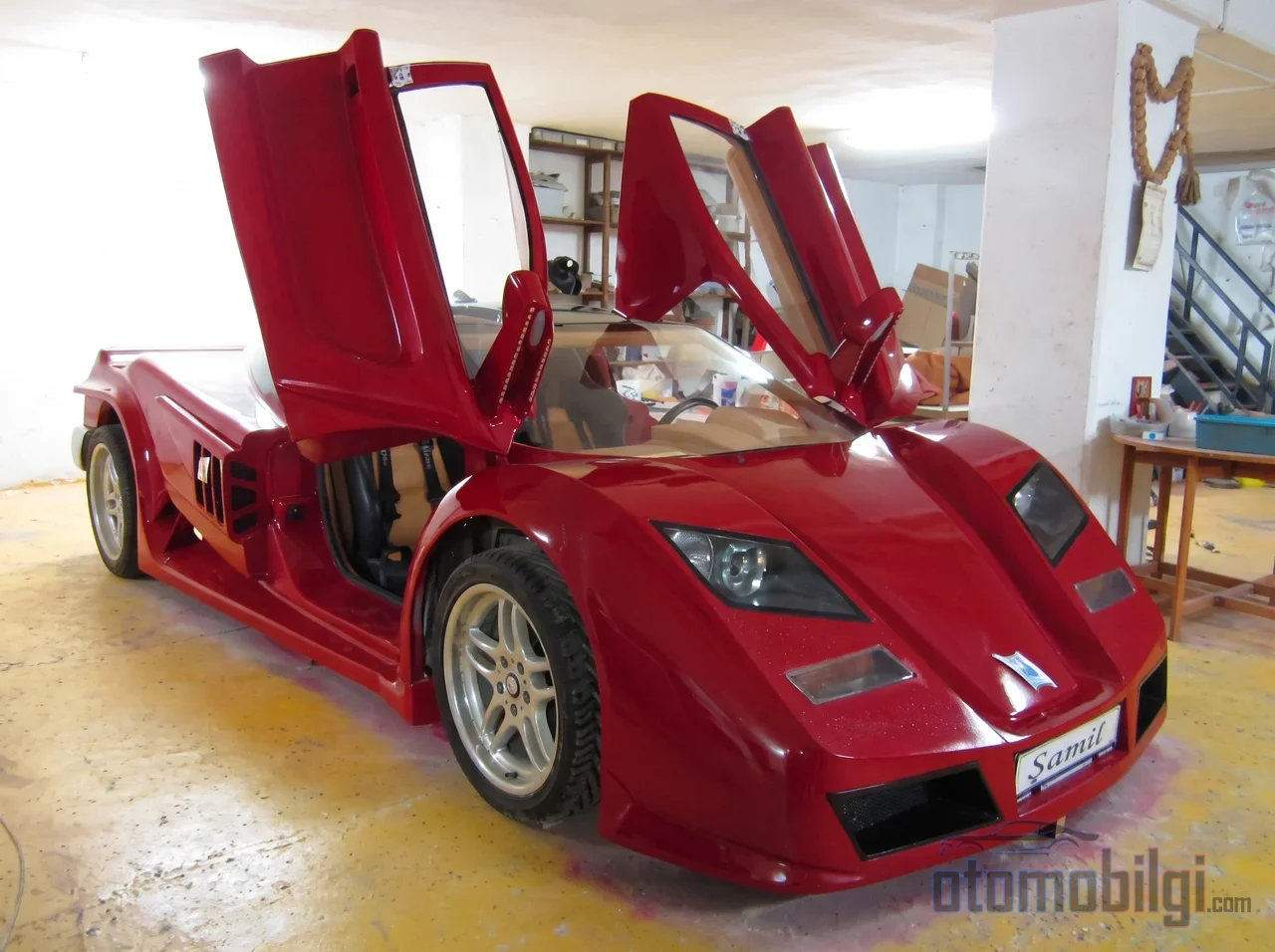
How does a super sports car coming out of a shoemaker's workshop sound to you? A bit impossible, a bit like an adventure movie, right? But Fatih Basoglu did exactly that: He registered his handmade cars, named Samil 1 and Samil 2, in 2007 and became a little-known link in the history of Turkiye's individual domestic car attempts. Are you ready? Because in this story there is no state budget, no massive factory; just one man's decision, a production marathon that lasted five years, and a small but big-hearted team of 15 people.
What Is Samil, Who Is Fatih Basoglu?
First, let's meet the hero of the story. Fatih Basoglu is an entrepreneur who made his living manufacturing shoes in Istanbul. In other words, he is not someone who comes from the automotive industry in the usual sense; he started his business life turning a sewing machine, not a steering wheel. But when his passion for cars outgrew the walls, he rolled up his sleeves, registered the Samil brand in 2006, and began production. Completing the vehicle took a total of five years; so we are talking about a process as long as an entire high school life.
Let's clarify one detail, because the dates might confuse you: What was registered in 2006 was the Samil brand and name, and what was registered in 2007 was the Samil 1 and Samil 2 vehicles themselves. So two separate registrations, two separate stages. The brand was born, and then the vehicles gained official status. Paying attention to this duality is important for understanding the story correctly.
Highlights
- The Samil name was registered in 2006, and the Samil 1 and Samil 2 vehicles in 2007
- The vehicle's development took about 5 years
- In production, a team of 15 people, including engineers, took part
- In 2012, the vehicle was put up for sale on a classifieds site for 280 thousand Euros
- Technical values such as engine power and torque were not disclosed in any source
Handmade Production: What Does It Mean to Build a Car from Scratch?
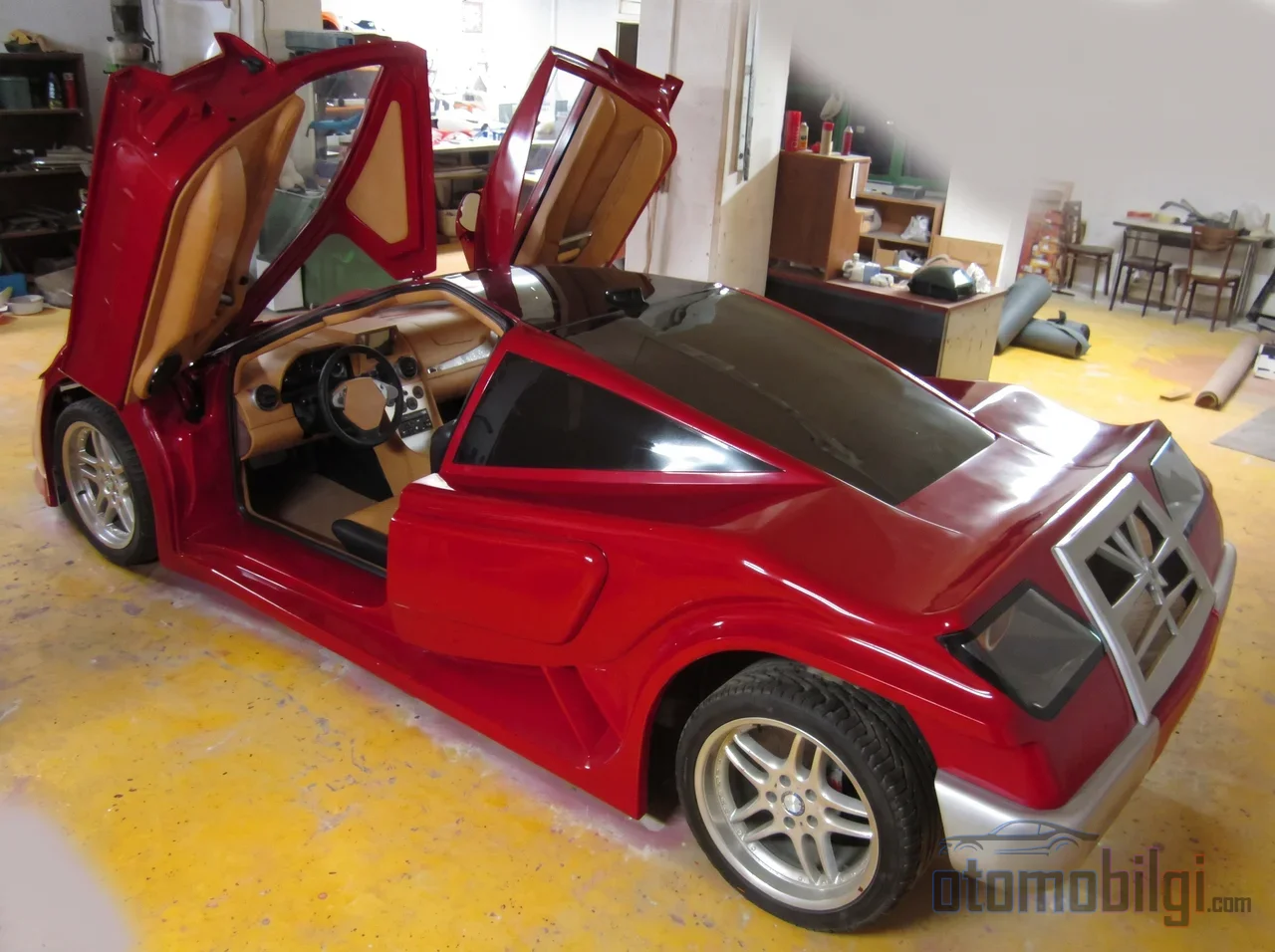
Now let's move on to the most interesting part. Samil's production approach does not follow the path chosen by most entrepreneurs with limited budgets. In other words, the chassis of a ready-made car is not taken and fitted with a new body. The approach explained at the brand's 2009 introduction was this: Without using the infrastructure of any produced or in-production vehicle, every detail was individually designed and custom-built from scratch. Let me explain this with an analogy from daily life: Instead of making a cake with a ready cake mix, it's like grinding your own wheat and collecting the eggs from the farm; in other words, an entirely labor-intensive path.
There is another point the designer emphasized with care: It is stressed that Samil is neither a design stolen from another brand, nor a replica, nor merely a bodywork job, and that the industrial design registration has also been completed. In fact, the logic is very clear: A copied design cannot be registered in the first place. Therefore, the registration certificate stands out as official proof of the design's originality.
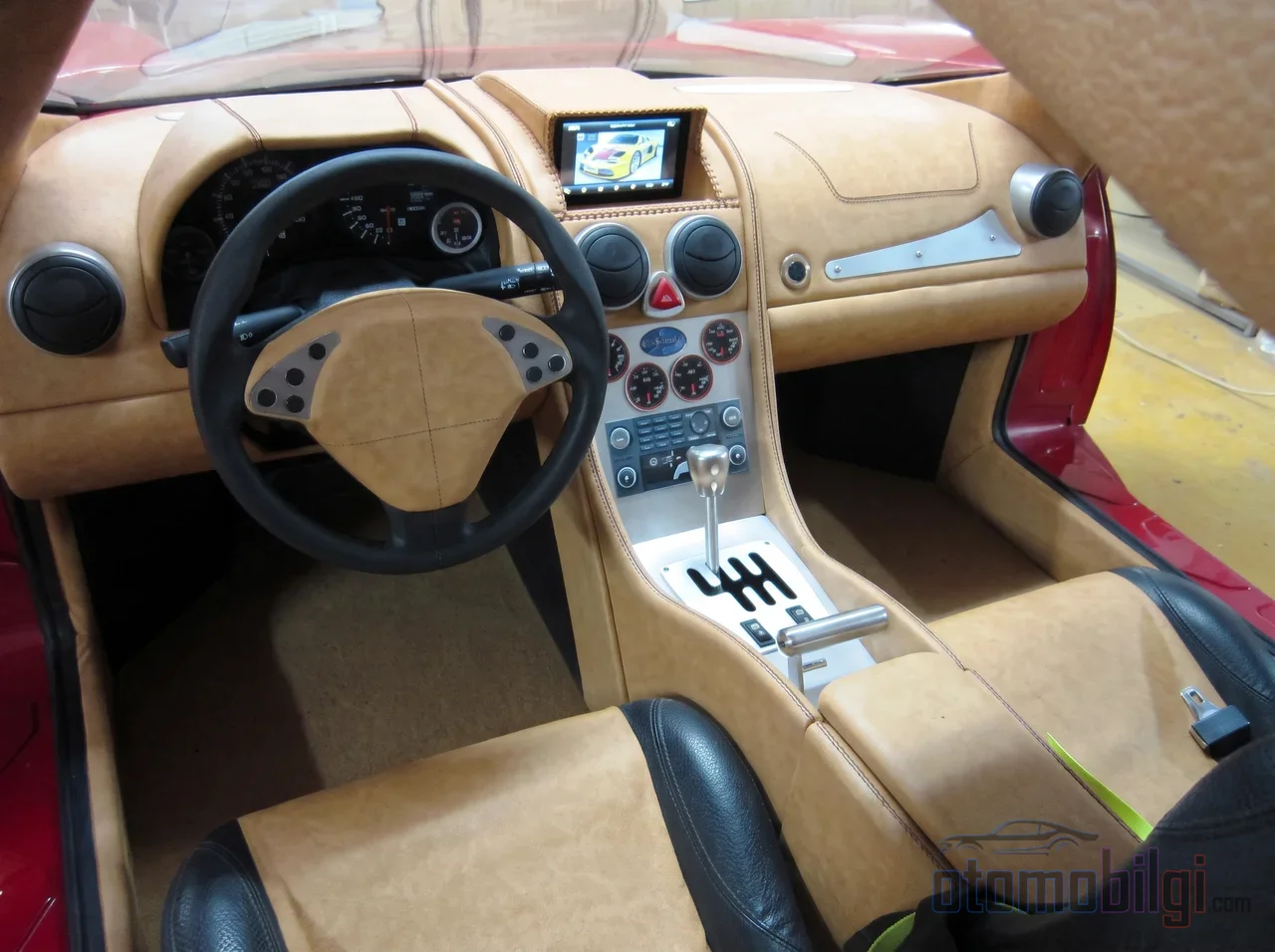
Almost everything other than the engine was left to customer preference: equipment, color, wheels, even upholstery leather... So Samil, rather than being an honestly mass-produced series car, can be thought of more like a bespoke project shaped by custom order. As of 2009, the displayed vehicle was a full-scale prototype, and a fully finished production version ready to move was still missing. This shows us just how early a stage of the story was brought to the public.
The Performance Claim: Aimed for 4 Seconds, But...
Now let's get to that eye-catching figure: According to the designer, the engine prepared for high performance can take the car from zero to 100 km/h in under 4 seconds. It sounds incredible, doesn't it? Here I need to put on an honest editor's hat: This figure is not a value verified by independent testing; it is directly the designer's own claim. Technical values such as engine power, torque, or consumption were never disclosed in any source either. So the reason you don't see a technical table on this page is not secrecy, but the absence of data; the manufacturer never published these figures.
Still, the claim itself clearly conveys the project's goal: Samil set out not as a gentle city coupe, but with the identity of a super sports vehicle specially built for high speed and design enthusiasts. In fact, one news report described it as Turkiye's first super sports vehicle. There is no shortage of debate around that title either; the positioning of Etox as the second Turkish sports car after the Anadol STC-16, and the existence of prototypes like the Onuk Sazan, complicate the question of who the "first" title belongs to. Yet Samil's own unique place is quite different: Unlike the others, it carries a registered trademark and a registered industrial design.
The Sales Journey: From 280 Thousand Euros to Classified Ad Pages
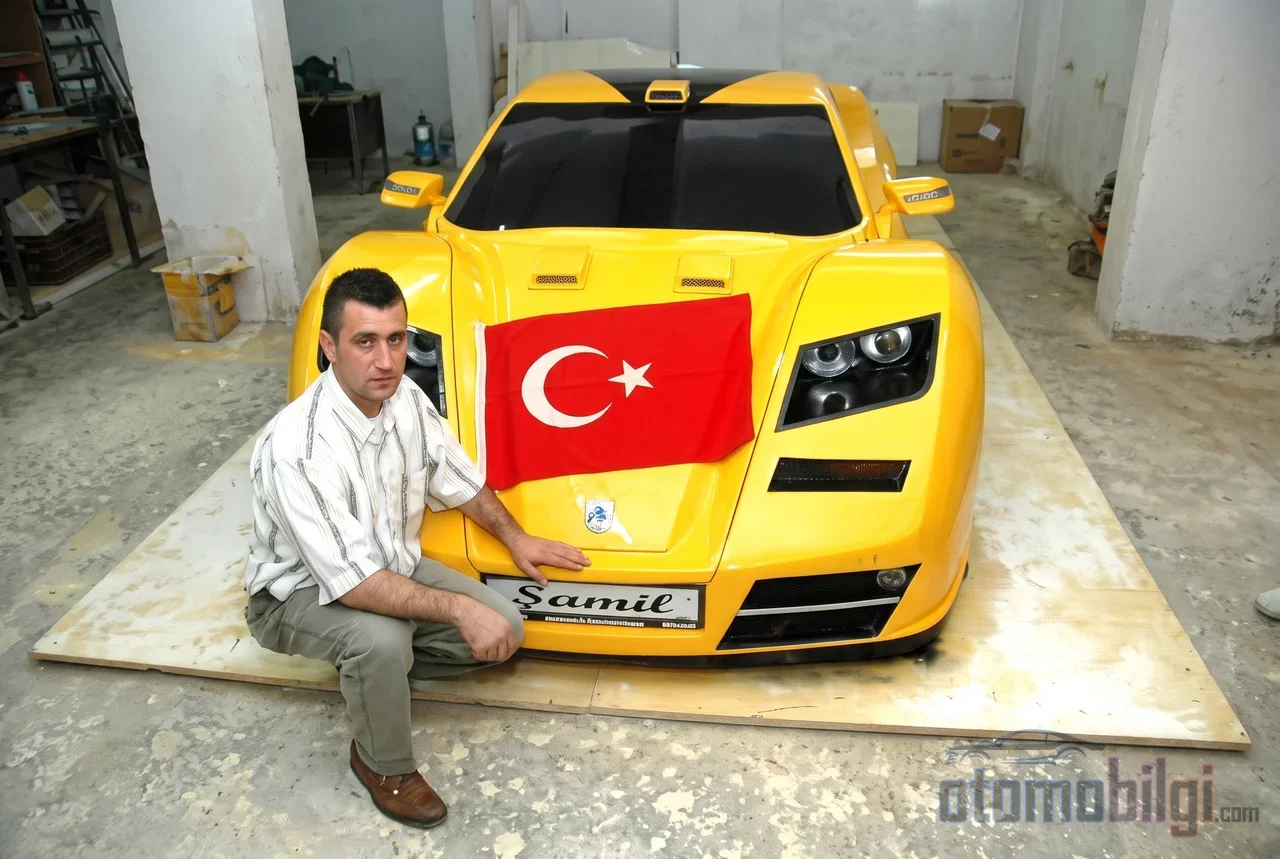
The most talked-about part of the story was the car being put up for sale. In November 2012, Samil was listed for sale on a classifieds site for 280 thousand euros, and the news quickly found a wide echo. Just imagine: seeing, on an ordinary classifieds page, a listing whose photos belong to a hand-built super sports car... Everyone who saw it had the same question in mind: Would it really be sold, and would a buyer appear?
The story also has a recent continuation. In the following years, Samil appeared on classifieds pages once again; this time the price was 750 thousand TL, and all the photos of the car's construction phase were shared in the listing. So the prospective buyer was offered not only the finished product, but also a documentary-style visual archive of how the car was built from scratch. As for how many units were produced, no clear figure appears in the sources; the available images and listings revolve around a single vehicle.
Samil's Place Within Turkiye's Individual Domestic Car Endeavors
Evaluating Samil on its own means seeing only half of the story. The dream of building your own car in Turkiye is nearly a century old, and along this road there have been both massive state-backed projects and stubborn ventures carried forward by a single person or small teams. The Shamil belongs exactly to the second group.
From State Projects to Carpenter Workshops: A Brief Historical Background
We can roughly sketch the timeline as follows: The assembly plant established in Istanbul in 1929 through an agreement with Ford was the first serious step toward automobile production, but it closed after the economic crisis of the 1930s. In 1961, the Devrim was a legendary attempt designed and produced by Turkish engineers at the railway factory in Eskisehir in a surprising span of about four months, but it never entered series production. In 1966, the Anadol went down in history as the first domestic car to enter series production, with its fiberglass body and Ford-sourced mechanical parts. The 2000s were the golden age of individual ventures: The Etox prototype, Yonca-Onuk's Onuk Sazan and Onuk S-56 attempts, the Diardi with an Italian engine whose name means "little feisty cat" in Italian, and Turkar, the first domestic 4x4 jeep attempt in 2009... And in this chain there is the Shamil, which appears in most chronologies as nothing more than a single-line registration entry.
Actually, if you look closely, the Shamil is one of the least discussed but most personal links in this chain. The Devrim was a state project, the Anadol a project of a major industrial group; the Diardi operated under the umbrella of a private company. The Shamil, however, was a dream realized by a single entrepreneur, using the wealth he had earned from shoe manufacturing and with a small team. Having completed its intellectual property registrations and managed to exist legally as well, it sets the Shamil apart from many anonymous garage projects.
The Shamil's Legacy and the Reality Before Us
So what should we conclude from this story? The Shamil 1 and Shamil 2 are hand-built sports cars registered in 2007, designed and developed from scratch, with their design and brand officially protected; they backed their claim of design originality with an industrial design registration, appeared on listing pages in 2012 with a price tag of 280,000 Euros, and were later offered for resale along with photos of the build. They remained a project whose technical values were never disclosed, which never passed independent testing, and which never turned into series production; but they were entirely real as a story of a car that gained official status through one person's determination, with its name and design registered.
In my view, the real message is this: While telling the history of the Turkish automobile, walking along the main road that stretches from the drama of the Devrim to the Togg's series production, this small signpost at the side of the road always whispers something. Factories, budgets and consortia are the visible actors of history; but sometimes a shoe manufacturer can put forward five years and 15 people and get his own super sports car registered. The Shamil perhaps never conquered the roads; but it had its name written in the registry, and no one can erase it from there. Who do you think will be the next to come out of a garage with a story that surprises us all?