Three Milestones of Turkish Automotive Before the Anadol
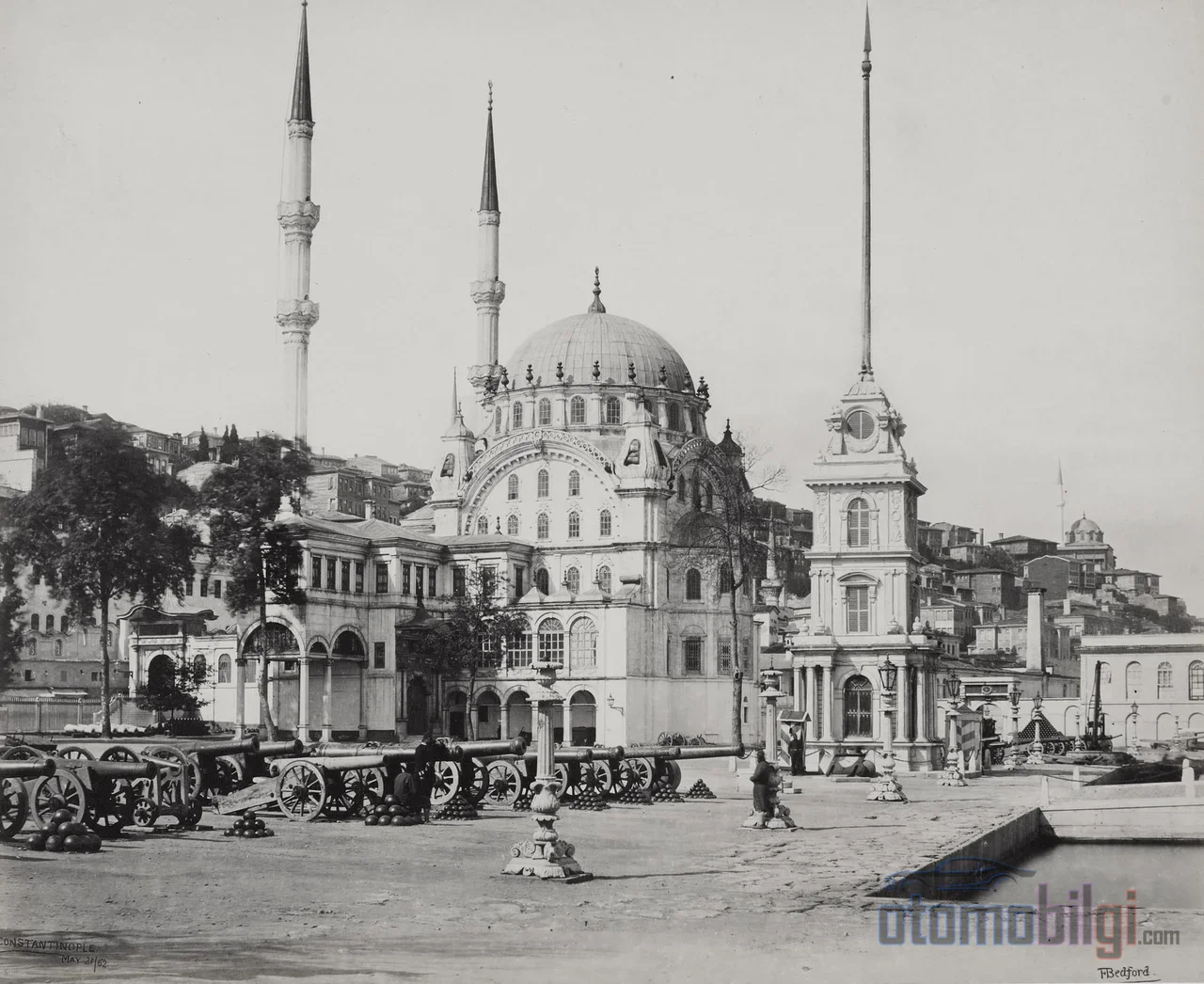
Let's take a stop and head back to Istanbul in 1929, to the Tophane waterfront. Inside the old warehouses along the sea, a busy assembly line is running; automobiles, trucks, tractors and even aircraft parts are being put together here, and about 400 workers earn their living from it. Yes, a full 37 years before Anadol, Ford had built a factory in Turkiye. So why does almost nobody know this story as well as they know Anadol and Devrim? The answer is hidden in a depression, a ship leaving a port, and a truck line in Cayirova.
Turkish Automotive Industry Began Far Earlier Than Anadol
Most people start Turkiye's automotive journey with the Devrim of 1961 or the Anadol of 1966. Yet the first foreign automotive investment based on assembly was made in 1929, in Istanbul. Then came a jeep factory in Tuzla in 1954 and a truck line in Cayirova in 1955. These three experiences show how long and bumpy the road to Anadol actually was. If you're ready, let's go through them one by one.
Highlights
- 1929: Ford established an assembly plant in Tophane; between 1930 and 1933, over 10,000 motor vehicles were assembled.
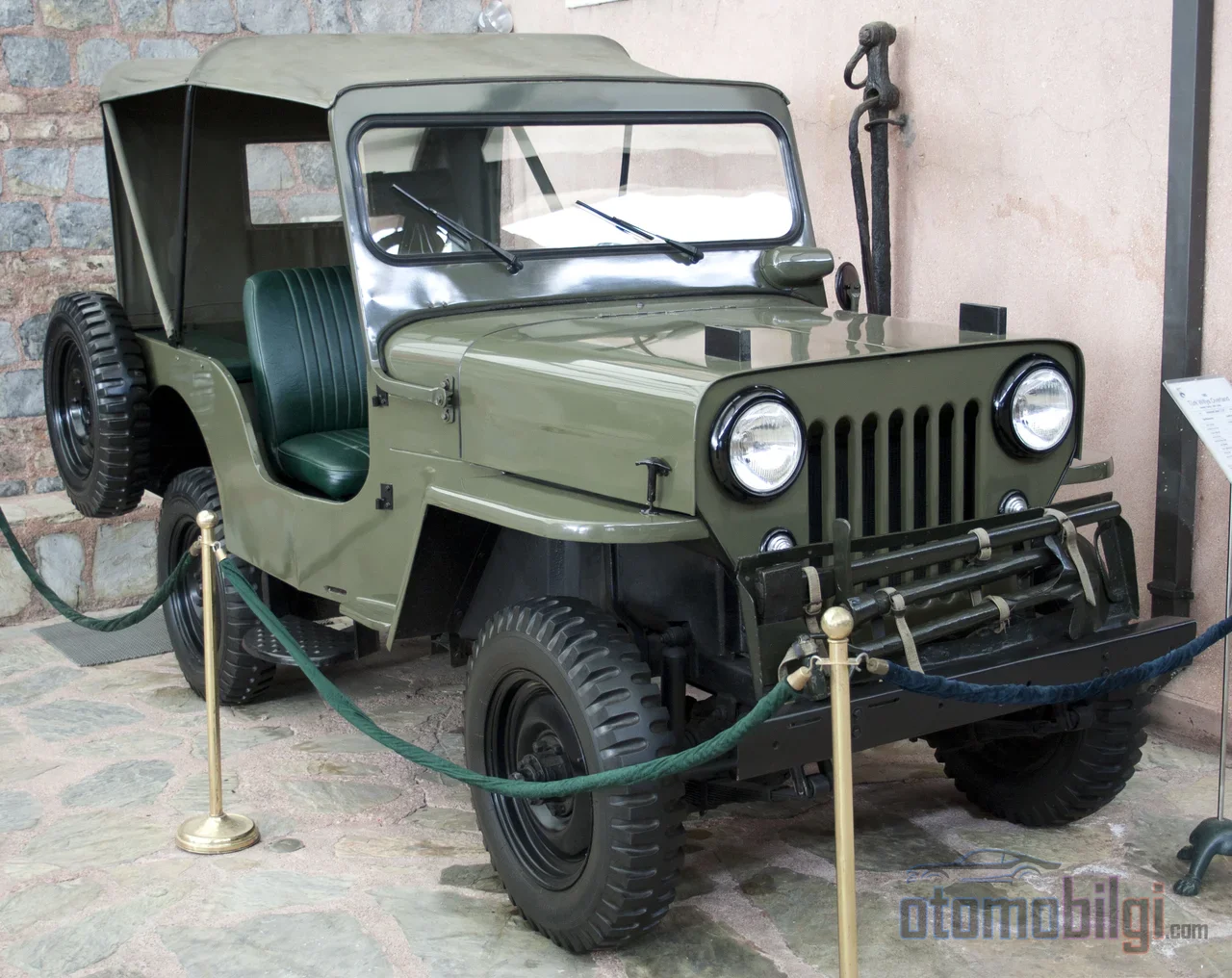
- 1954: Jeep production began in Tuzla under the name Turk Willys Overland.
- 1955: Federal Turk Kamyonlari was founded in Cayirova; due to foreign currency shortage, production was pushed to 1958.
- Anadol, which entered series production on December 19, 1966 as the first automobile to do so, is the continuation of this legacy.
1929: Ford's Tophane Experiment and the Bill for the Great Depression
Ford's idea of building a factory in Istanbul goes back to 1925. Henry Ford had contacted the Ministry of Finance and envisioned the facility he planned not only for Turkiye's small market, but as a production center that would also supply Greece, Romania, the Caucasus, Iran and Afghanistan. In other words, the logic was simple: Istanbul would become the region's automotive depot.
Another important detail is the first Free Zone Act of 1927. In the competition among the ports of Alexandria, Trieste and Piraeus, Ford chose Istanbul, and with a separate law passed in 1929, known among the public as the Ford Law, it obtained full free zone rights. The Seyri Sefain warehouses on the Tophane waterfront were converted into an assembly plant with series production lines. In April 1929, the warehouses were handed over to Ford's representatives, and assembly production began soon after.
Although the figures seem small by today's Turkiye scale, they were enormous for the era: Over 10,000 motor vehicles were assembled between 1930 and 1933. In the 1927 industrial census, only 155 of 65,245 enterprises employed more than 100 workers, while Ford's workforce of about 400 made it one of the country's largest industrial employers. This investment is regarded as the first foreign investment in the Turkish automotive industry.
How Did the Great Expectation Collapse?
The fate of the plan was determined by the 1929 global economic depression. When global trade contracted, the dream of regional exports fell into the water. And then an unexpected competitor emerged: The Soviet Union filled the expected big market not with vehicles coming from Istanbul, but by purchasing the technology directly and producing its own copies. When Ford England became the regional center for Europe, it took over control of the Istanbul investment in 1931 and assumed its losses. The assembly line and machines in Tophane were sent on their final journey from the Galata Wharf in 1934. The company officially left Istanbul in 1944 and returned to Turkiye only with the Otosan-Ford partnership in 1959.
There is also a historiographical side to why this story was forgotten: Because the economic history of the Republican era focused on linear success stories, topics such as the first assembly line in Tophane and the first free zone experience were long ignored. Yet this factory was also the ancestor of modern Turkiye's free zone practices.
1954: Turkish Willys Overland and Jeep Production in Tuzla
In the period after World War II, the scene moved to Tuzla. Founded in 1954, the facility began operating under the name Turkish Willys Overland, within the framework of a partnership established with the Willys company. The Turkish production version of the jeep, which had become the world's most famous off-road vehicle during the war, was produced here in both civilian and military versions through the assembly of imported parts from America with domestically produced parts.
The later story of the factory is not clear in the records: There are also records stating 1960 as the year of establishment, and it is known that the facility was transferred to the Turkish Armed Forces in October 1986, after which domestic production jeeps continued with the T-Model project. What is certain is this: Tuzla, as one of the facilities considered Turkiye's first automotive factory, made possible the on-site production not of ordinary vehicles but of working vehicles, a decade before the Anadol.
1955: Federal Turkish Trucks in Cayirova and TOE
There is one more story, and it is about trucks. Federal Turk Kamyonlari A.Ş. was founded in 1955 in Cayirova, part of Gebze, by ten partners. Turkiye's first commercial truck assembly was carried out at these facilities; Alongside the Federal brand, COMMER brand vehicles also came off the line. The staff was entirely Turkish.
But note, there is a historic surprise: Although the company was founded in 1955, due to the foreign currency shortages of the time, trial production could only begin in 1958 and the first vehicle was brought to market in 1959. In other words, there was a three-year wait between establishment and production. After the 1955-1960 period in which American-origin trucks were produced under the Federal brand, the company was purchased by Turk Otomotiv Endustrileri (TOE), which operated between 1955 and 1993 and settled into the industrial memory of the region.
The Pre-Anadol Era and Its Contribution to the Anadol
So what did these three attempts accomplish? Consider this: Ford, Tuzla and Federal were all teaching the same lesson. An automotive industry could not be built merely by bringing in parts and bolting them together; but each attempt left behind a workforce, a facility experience and an accumulation of parts industry know-how. Devrim was completed in 129 days at the Eskisehir Railway Factory in 1961, on Cemal Gursel's orders, with a budget of 1,400,000 liras and a 60-horsepower engine, and hit the road; but it never entered series production. Anadol, however, began series production on December 19, 1966 at the Istanbul factory that Otosan had established through the Koc-Ford partnership; its first models carried a 1198 cc Ford Anglia engine, and 1,750 units were produced in its first year. The design bore the signature of Britain's Reliant, meaning the Anadol was our first series-production car, but it was not a fully domestic design.
In short, the clear answer to the question is this: The story of Turkiye's series-production car did not begin in 1966, but in 1929 with the assembly industry; the 1954 Tuzla Jeep and 1955 Federal truck lines were the bridges of this transition, and when the Assembly Industry Directive of the 1960s made parts imports difficult and grew the domestic parts industry, the Anadol became possible. Each step rose by standing on the shoulders of the one before it.
Looking Back from Today: Why Is This Story Important?
If someone tells you that automobile production in Turkiye is a story limited to the 1960s, remember that assembly line in Tophane. We can summarize the difference as follows: The 1929 Ford was a free-zone experiment leaning on exports, and it went out when the Great Depression arrived. The Tuzla and Federal experiences of the 1950s, on the other hand, were more realistic steps targeting the domestic market. The Assembly Industry Directive process that followed them enabled the transition from assembly to a genuine manufacturing industry. Although Turkiye's automotive production is going through turbulent days today, this accumulation continues to form the foundation of domestic car stories from now on.
Sources
- Tophane Dock, from the Free Zone to the American Market: Ford Motor Company Exports Inc., Istanbul Automotive Assembly Factory (1925-1944)
- An Industrial Geography Study: Ford's Assembly Factory in Istanbul
- The 1929 World Economic Depression and Its Effects on Türkiye
- Claims about the Tuzla Jeep Factory established in 1954
- Why Did the Tuzla Jeep Factory Close?
- Türk Otomotiv Endüstrileri (Turkish Automotive Industries)
- TOE Türk Otomotiv Endüstrileri A. Ş. (1955-1993)
- A study on the Assembly Industry Directive in the 1960s
- A Success Story | The Devrim Car
- The Anadol's story on the roads