The Story of Türk Otomotiv Endustrileri A.Ş. (TOE)
Think of a factory: thousands of vehicles, from trucks to minibuses, have come out of its gates, a domestic car project at its center has reached the launch stage, and then one day everything stopped. That is exactly the story of Turk Otomotiv Endustrileri, or TOE. Its name is not as famous as Devrim, and I don't know if it was loved as much as the Anadol, but when I read this story I was genuinely surprised: why is it talked about so little, what do you think?
In this article I will tell TOE's entire journey: from its birth with truck assembly in 1955 to the OYAK era, from the stalled Volvo negotiations to the Zafer project carried out with Triumph, and even to that vehicle entering the production line in Israel. And finally, to the closure of the factory. If you're ready, let's begin, because this story is one of the most striking stops on the long road from Devrim to Togg.
Federal Turk Kamyonlari: A Beginning in Gebze in 1955
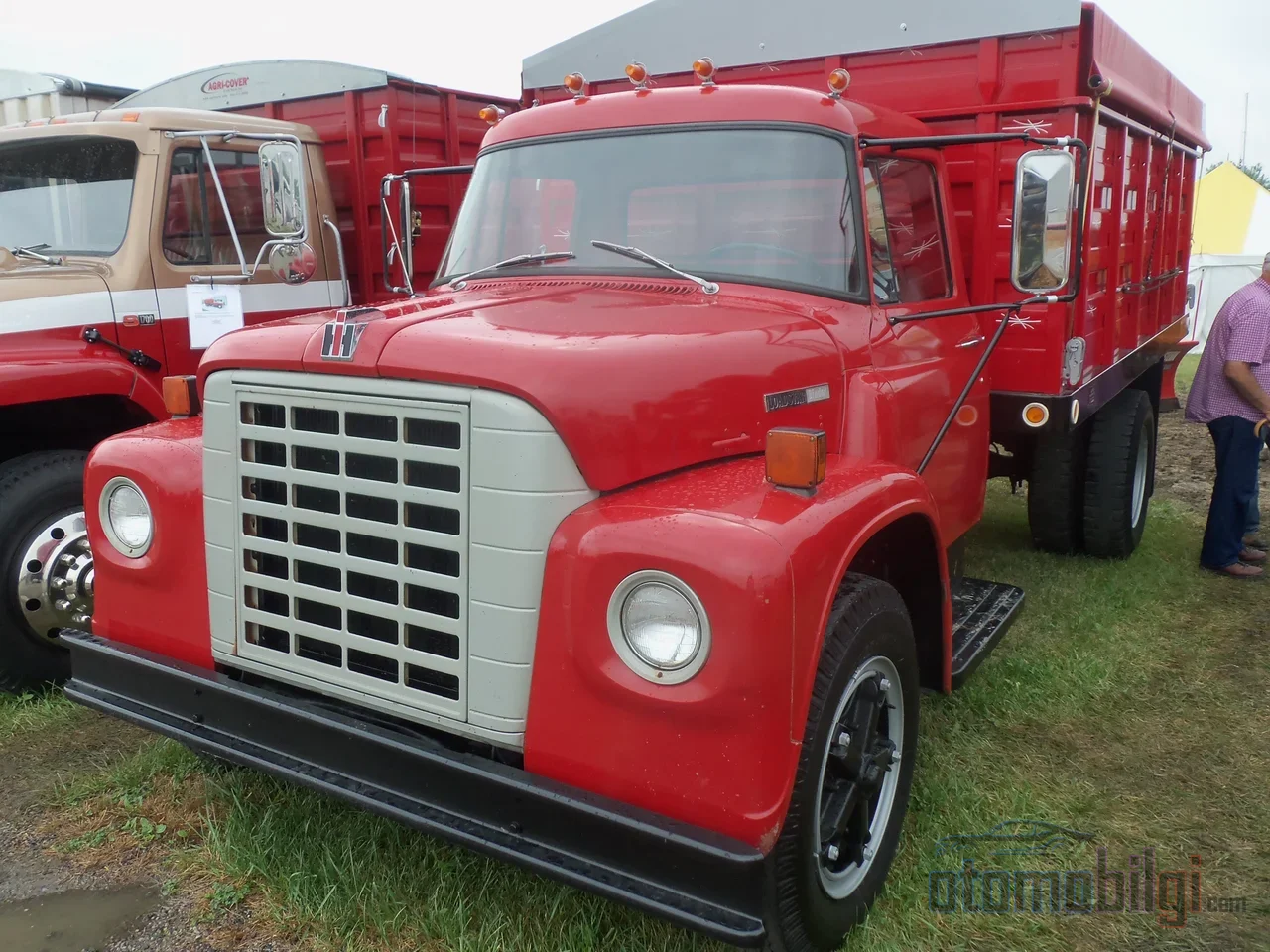
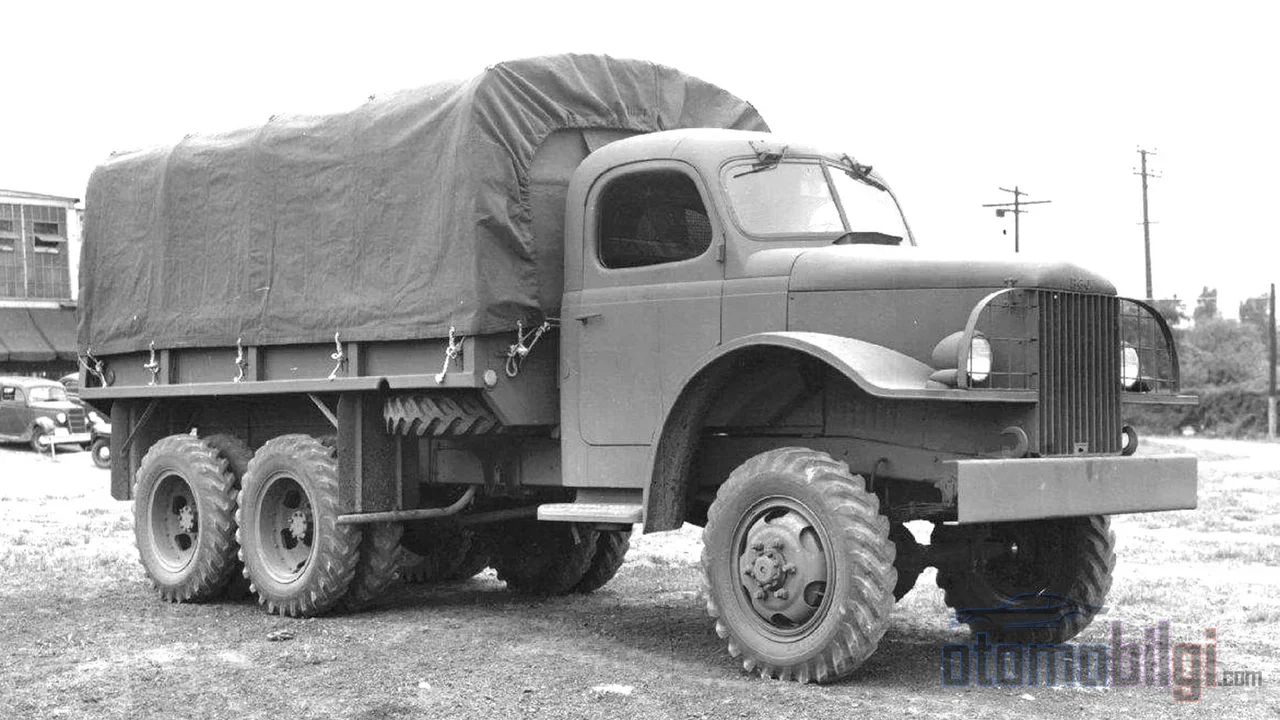
The story begins in 1955. Ten partners come together and Federal Turk Kamyonlari A.Ş. is founded at the facilities in Gebze Cayirova. The goal is clear: to produce trucks, light trucks, buses, chassis, minibuses and pickups, along with their components, under International Harvester's license and brand. At these facilities, Turkiye's first commercial truck assembly is also carried out; COMMER brand light trucks also pass through the same lines.
But things don't always move as fast as we might think. Due to the foreign currency shortage of the era, trial production could only begin in 1958. In other words, the company remained largely a dream for three years. As we will see, waiting and stagnation will always be a theme in TOE's story. In 1960, when the license agreement with American Federal Truck Company was terminated, the company's name was also changed: it became Turk Otomotiv Endustrileri A.Ş. - that is, TOE.
Highlights
- TOE was founded in Gebze Cayirova in 1955 under the name Federal Turk Kamyonlari A.Ş. under the name of it, was founded in Gebze Cayirova.
- The company passed to OYAK in 1962; 93.5% of its shares were purchased.
- Joint vehicle production negotiations with Volvo ended without result.
- The Zafer car reached the launch stage in 1968 through the Triumph partnership, but production was cancelled.
- The vehicle was later produced in Israel under the names Gilboa and Carmel until 1981.
The OYAK Era: A New Stage in 1962 and the International Harvester Partnership
1962 is a turning-point year for TOE. OYAK purchases 93.5% of the company's shares, and TOE in a sense joins the OYAK family. That same year, a 20% stake is sold to International Harvester Company and a license, partnership and cooperation agreement is signed. So now they are no longer working with outsiders, but in partnership. What does this model remind you of? Yes, the template of the many licensed assembly companies established in Turkiye in later years is actually present here too.
During this period, TOE's production basket was quite full. In its final years, the International brand 1230 light truck, the CO 1860 – CO 1830 Panter trucks and the Mater (M-1230) minibus came off the lines. And there is one small but important detail: 1200 D Minibus. Produced under International Harvester license on the 1200D pickup platform, this vehicle became the first bonnet-type vehicle with a profile frame structure to be manufactured in Turkiye. With Mater entering production in 1981, it gave way to the new model.
So how long did production continue? According to official figures, a total of 54,496 motor vehicles were produced between 1963 and 1993; the figures for 1955-1963 are unfortunately unknown. In 1991-1992, a small number of IH CO1860 Panter, IH M-1230 minibus and FC 330 type 4x4 pickups were produced, and these were sold in 1993. So the final years were a strained period in terms of both production and sales.
Why Was No Agreement Reached with Volvo?
Now we come to the most intriguing part of the story. In the mid-1960s, TOE sat down at the table with Volvo for joint vehicle production. Volvo! A partnership with the brand from Sweden - not Switzerland, Swed... pardon me, Sweden - the maker of one of the world's most reliable cars! These negotiations came to nothing and no agreement was reached.
So why? Here I have to be honest: the sources do not contain detailed information on why these negotiations failed. All that is known is that no agreement was reached. Perhaps the terms did not suit both parties, perhaps the political and economic balance did not align; the definitive answer will come from the archives. But this much is clear: When the Volvo door closed, TOE did not give up. On the contrary, it knocked on an even more ambitious door. And the project behind that door was the move through which TOE sought to write its name into history: Zafer.
The Zafer Project: A Domestic Car with the Triumph Partnership in 1968
In 1968, TOE began efforts to produce a domestic car under the Zafer brand in partnership with British Triumph. The plan was comprehensive: first a sedan, followed by station wagon and pickup models. In other words, not a single-vehicle experiment, but an attempt to build a model family. You can already sense the British partner's style: just imagine Triumph's classic design language on a Zafer sedan body!
So what happened? Although the vehicle had reached the presentation stage, production was abandoned. The reason officially given is therefore somewhat alarming: pressure from certain individuals and circles. In other words, not a technical failure, not an engineering problem; the human factor halted the project. When I first read this sentence, I was truly disheartened, because the mind immediately asks three questions: Who applied the pressure? Why? And who made the decision? In the absence of detailed primary sources, all of these remain debated to this day.
Zafer's First Detailed Fate: A New Life in Haifa
Zafer's story does not end in Turkiye, and for me this is the most fascinating part of the article. The project was acquired from Triumph by the Israeli company Autocars. In other words, that partnership structure and the vehicle found a second life in another country. Production began in Haifa and continued under the names Gilboa and Carmel until 1981.
Pause and think about that for a moment: A car that was cancelled in Turkiye during its launch phase has been produced, sold, and driven on the roads in another country for years. This picture is one of the clearest examples showing that domestic car production in Turkiye was not technically impossible at that time, and that what was possible was so often cut short by political and commercial decisions.
Why Was a Domestic Brand Not Established? A Look at the Place of Zafer, Devrim, and Anadol
Reading TOE's story in isolation would be unfair; its true meaning emerges when placed alongside the other ventures of that era. Turkiye's first attempt at car manufacturing was tried as early as 1929 with the assembly line Ford set up in the Istanbul free zone, but the economic crisis of the 1930s prevented any results. Then comes Devrim: In 1961, on the orders of President Cemal Gursel, a car completed at the Eskisehir Railway Factory in 129 days and unveiled on October 29, 1961, with a domestic chassis, transmission, and engine. Devrim never enters series production, but it goes down in history as the first car designed and built in the country.
After Devrim, it is time for series production: Anadol starts production on December 19, 1966 and goes on sale on February 28, 1967. Built by Otosan with a fiberglass body, this vehicle becomes the first car designed and mass-produced in Turkiye, and its production continues from 1966 to 1991. So, as you can see, these two examples prove that none of the obstacles TOE faced were actually absolute barriers. Ministry of Industry officials had made production of the Anadol conditional on it being done within 10 months and at a price below 30,000 TL; in other words, the targets were clear, and Anadol met them.
Where Zafer stood was different. While Anadol came into play and put its production plan into action, Zafer was cut off during the launch phase. And this, within the long narrative stretching from Devrim to Togg, tells us something essential: The biggest obstacle to the domestic car in Turkiye was never just technology; it was the manipulations in decision-making mechanisms, the pressure of vested interests, and negotiations that stalled in the search for partnerships. TOE's story is one of the most striking examples of this problem.
The Road to Factory Closure: From the Ziraat Bank Era to the 1993 Privatization
After Zafer's cancellation, there are no good years for TOE. In 1983, the company is transferred from OYAK management to Ziraat Bank, and the unnecessary investments of the era's managers push the company into losses. From then on, a period of outright attempts to sell the company begins: In 1988, a sale to Case IH comes up but does not materialize. In 1992, it is included in the privatization program; Mazda wants to buy the company and produce cars, but once again no agreement is reached. The same scenario, isn't it? No deal was reached with Volvo either, nor with Mazda. Do you think this is a coincidence?
The outcome comes in 1993: TOE is privatized and sold to the Rumeli Group, 450 workers are laid off, and the factory is closed. And so, a thirty-eight-year story comes to an end. The land was later used as a cement supply center and a SEAT spare parts warehouse. Let's say the production equipment was preserved out of charity; the factory, which had not produced anything until 2006, passed to the TMSF during the Imar Bank liquidation; after the equipment was sold, the land and buildings were sold to Karen... sorry, to Karadeniz Holding. Forget the end of the story - even the very stones of the factory were turned into a commercial transaction.
| Period | Development |
|---|---|
| 1955 | Federal Turk Kamyonlari A.Ş. was founded |
| 1960 | Its name was changed to Turk Otomotiv Endustrileri A.Ş. was changed to |
| 1962 | OYAK acquired a 93.5% stake |
| 1968 | The Zafer project began in partnership with Triumph |
| 1981 | The vehicle was produced in Israel under the names Gilboa and Carmel |
| 1983 | Transferred from OYAK to Ziraat Bank |
| 1992 | Brought under the privatization program |
| 1993 | Sold to the Rumeli Group, the factory was closed |
What Does the Zafer Project Tell Us? The Legacy Left Behind by TOE
TOE's story is not merely one of a factory closing. We are talking about a company that produced 54,496 motor vehicles between 1963 and 1993, built Turkiye's first profile-framed cab-over minibus, and carried a domestic car project to the promotion stage. This sentence is, for me, the essence of this article: Zafer is one of the clearest examples showing that Turkiye's inability to produce a domestic car was not a technical problem, but a problem of decisions and politics.
Today we see Togg driving on the roads, and it makes us happy. But without knowing this story, understanding Togg is also difficult. Because on that long road there are hundreds of stories of missed opportunities, obstacles, persistence, and being stopped by pressure; TOE and Zafer are among the most memorable of them. So, in your opinion, if Zafer had made it to the production stage, how would Turkiye's automotive history be written today? I think asking exactly this question is the best way to understand the past. I'll be waiting in the comments!