Made in Europe Decision May Become Clear by the End of November
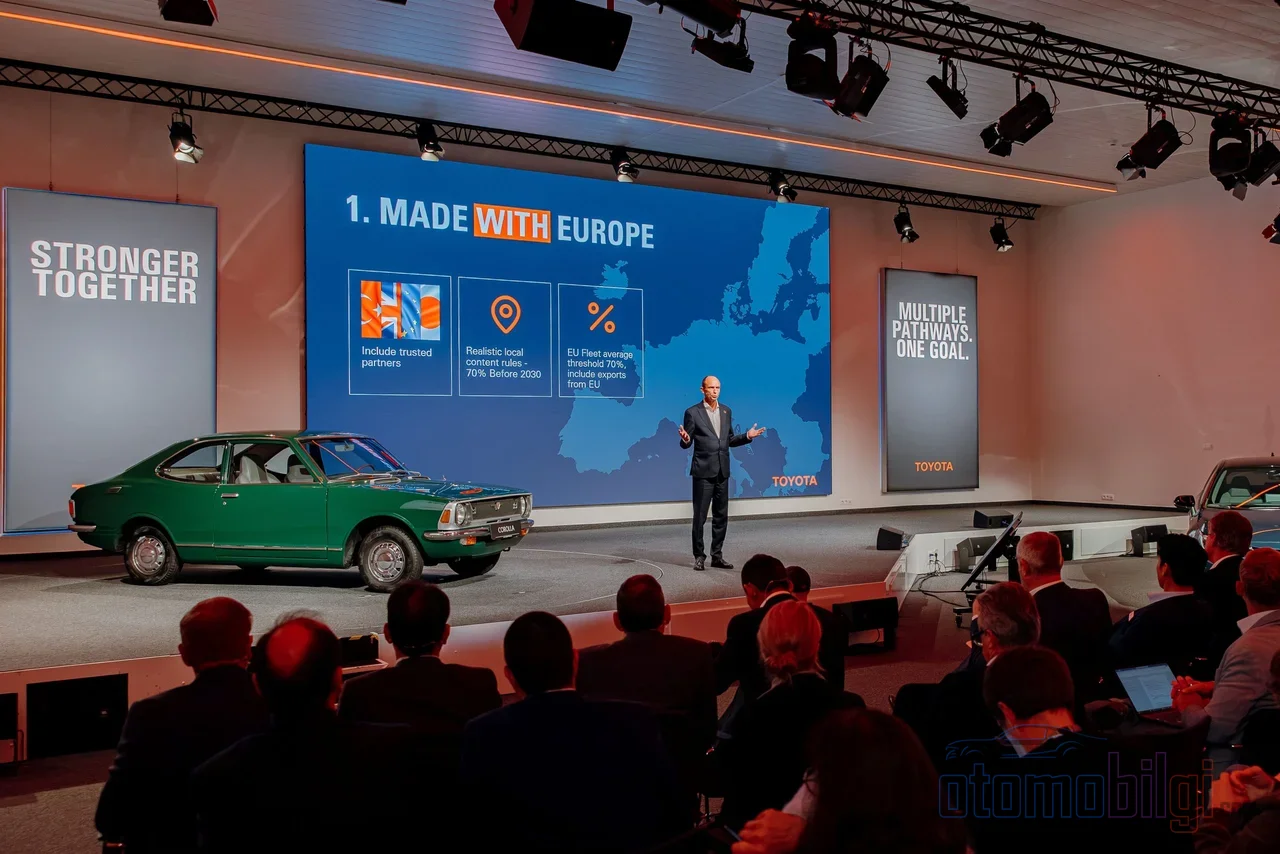
One of the stages prepared within the European Union's industrial policy is the "Made in Europe" approach, which directly concerns the automotive industry: the idea of restricting electric vehicle incentives and some industrial incentives to vehicles produced only within EU borders. Trade Minister Omer Bolat said, in his assessments on November 12, that a decision on this regulation could become clear by the end of November. For a country with thirty years of Customs Union integration, this decision marks a threshold that could redefine not only a multi-billion-dollar export balance but also the positioning of manufacturers and brands in the Turkiye market.
What Exactly Does the Made in Europe Regulation Bring?
The core of the regulation is simple, but its consequences are far-reaching: Within the framework of the industrial policy it has prepared against China, the European Union aims to apply electric vehicle incentives and some industrial and automotive incentives only to vehicles produced within EU borders. The draft design foresees that public procurement and some industrial incentives will require at least 70 percent European-origin parts and assembly, that is, the "Made in Europe" criterion.
A common misunderstanding needs to be corrected here: the regulation is not a provision that directly bans automobile exports from Turkiye to Europe. However, incentives and public procurement conditions that prioritize European production have the capacity to indirectly affect the competitiveness of the Turkish automotive industry. As emphasized in the IKV assessment of the current draft, vehicles assembled in Turkiye are not considered "assembled within the Union"; on the other hand, thanks to the Customs Union, vehicles produced in Turkiye continue to enter the EU duty-free.
Highlights
- Trade Minister Bolat: The Made in Europe decision may become clear at the end of November.
- Turkiye's January-September 2026 automotive exports are $31.1 billion; $22.9 billion of that goes to EU countries.
- The draft includes a requirement of at least 70 percent European-origin parts and assembly for some incentives.
- About 75 percent of automotive production in Turkiye is carried out by European companies.
Minister Bolat's End-of-November Expectation and Ankara's Argument
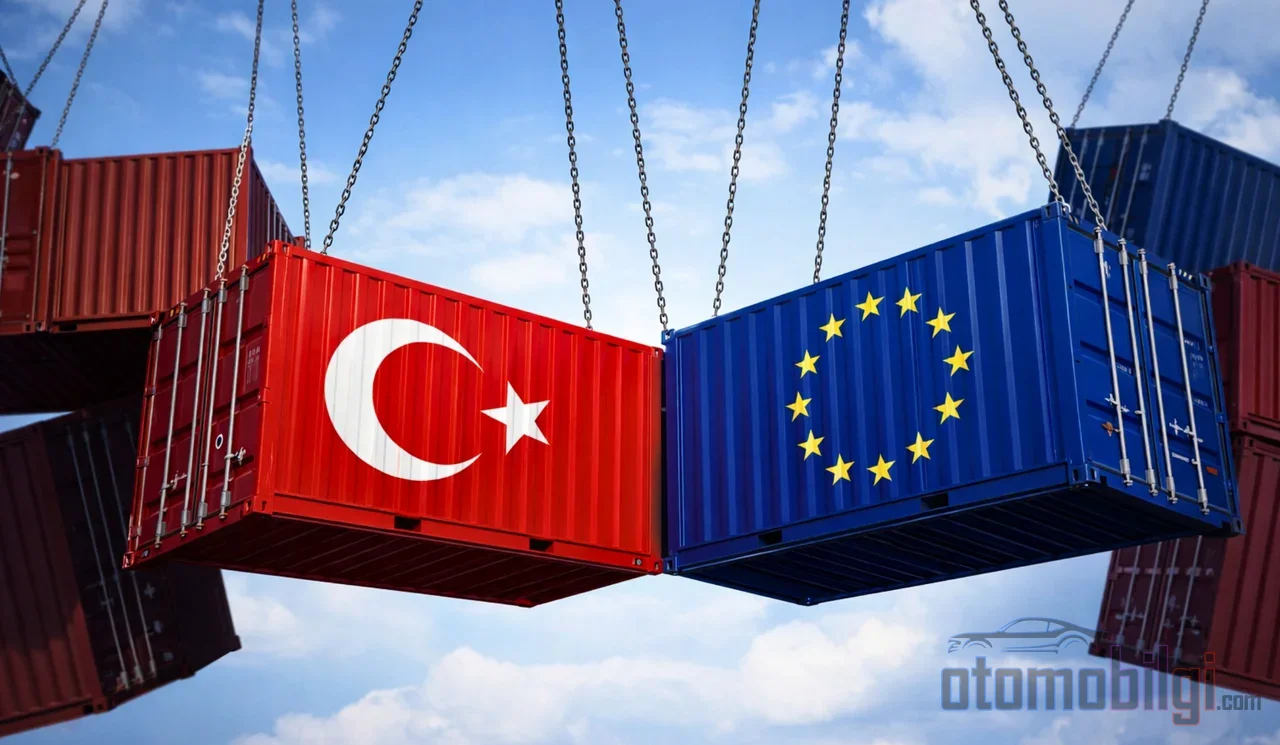
Bolat's statement came at a time when the Ministry of Trade's budget was being discussed in Parliament. It was noted that the adopted bill assessed Turkiye within the scope of the Customs Union and Made in EU, but that discussions in the European Parliament and the Council of Ministers were continuing. The Minister pointed to Turkiye's thirty-year Customs Union integration with the EU, recalling that there is free movement of goods in the industrial and steel sectors.
Ankara's main argument is two-fold. First, that excluding Turkiye from the scope of the regulation could also harm Europe's own automotive industry; Bolat clearly conveyed the message that the European side would suffer if Turkiye were excluded. Secondly, approximately 75 percent of automotive production in Turkiye is carried out by European companies. This ratio turns the demand for inclusion not only into Turkiye's interest but also that of European manufacturers. Indeed, the European Automotive Sector supports Turkiye's inclusion in the "Made in EU" approach; Volkswagen and Stellantis have also called for a public program that would encourage manufacturers to use local content. Sensitivity is also clearly visible on the market side: Automotive stocks rose after news spread of the study being conducted for Turkiye on the EU side.
On What Ground Will the Decision Actually Take Shape?
The end-of-November expectation is a political forecast; the technical framework of the regulation will become clear with the EU's Industry Acceleration Act (IAA) proposal, which will shape the EU's overall industrial policy. France is maintaining its "Made in Europe" insistence in the preparations for this law as well. On October 16, Germany and France had agreed on a common framework for a new approach aimed at protecting the European automotive industry.
Despite all these initiatives, there are also assessments that the likelihood of Turkiye being included in the program is weak; it is interpreted that Turkiye is excluded from the current consensus text. In other words, the end of November may not be where the decision is finalized; the critical threshold is the IAA proposal, which will take its final form in the coming months. In the past, such regulations would proceed through bilateral agreement between two countries; now the Germany-France alignment compresses the negotiations in Brussels into a single major axis. This narrows the negotiating space rather than strengthening the hand of partners like Turkiye.
What Does Turkiye Represent for Chinese Brands?
There is a figure that shows the magnitude of the pressure behind the regulation: Within a single month, 606 thousand electric and hybrid vehicles were exported from China to Europe. The EU's "Made in EU" agenda is largely a product of the concern created by this influx.
In this equation, Turkiye is both a market and a gateway. The scope of the additional 40 percent customs tariff imposed on electric cars imported from China in 2023 was expanded. Despite this, Chinese manufacturers have not abandoned Turkiye; on the contrary, they announced production in Turkiye. It is reported that brands like BYD moved their Turkiye investments forward due to low labor costs and want to overcome the tax barrier applied to Chinese manufacturers in Europe with the "Made in Turkiye" label.
The executive level of the industry approaches this flow cautiously. OSD President Cengiz Eroldu conveyed the message that a common policy with the EU should be followed regarding Chinese investments, and, stating that Turkiye does not need a new assembly plant, responded to concerns that Turkiye would become "China's backyard." Industry representative Saim Asci, on the other hand, raises the demand for lasting guarantees for existing and future investments. In other words, the position of Chinese brands in Turkiye is determined not only by customs tariff policy but also by the choice of an industrial strategy coordinated with the EU.
Why Are the Export Figures So Critical?
In the January-September 2026 period, Turkiye carried out $31.145 billion in automotive exports; of this, $22.948 billion went to EU countries. This dependence on the EU explains why the "Made in Europe" requirement, as a regulation that leaves Turkiye out of the equation, would directly affect around $30 billion of automotive exports.
On the other hand, creating an atmosphere of panic would be an exaggeration. As long as the Customs Union conditions continue, vehicles produced in Turkiye keep entering the EU duty-free. The problem is not that exports will stop; it is the risk that the incentive advantage granted to production within the EU will leave Turkish production behind on the cost side. Long-term investment decisions are also affected by this uncertainty; this is exactly where the demand for a permanent guarantee comes from.
Its Effect on the Domestic Market and Local Production Incentives
How the regulation will affect Turkiye's domestic market is not as clear as the export side. Whether EU-sourced vehicles will become more expensive in Turkiye is among the topics under discussion; there is no definitive conclusion yet. To be honest about the data as well: the available material contains no numerical indicator of the regulation's concrete effect on the market share of Chinese brands in Turkiye or on vehicle imports from the EU. Until this page becomes clear, the domestic market impact remains a realm of possibilities.
The structural picture, however, is this: The EU is moving toward a framework that rewards vehicles produced within its own borders with incentives. If Turkiye is included in this framework, Turkish production facilities become production centers considered of European origin; the investments of Chinese brands in Turkiye then gain a new meaning in this context. If Turkiye is left out, even though the Customs Union preserves duty-free entry, the incentive advantage is lost and Turkiye's thirty-year production relationship with European manufacturers enters a new cost calculation.
What Does Waiting Until the End of November Mean?
The short answer is this: According to Minister Bolat, a decision on "Made in Europe" could become clear by the end of November, but the definitive framework of the regulation will take shape in the coming months with the EU's Industrial Accelerator Act proposal; if Turkiye is included, Turkish production will be considered of European origin; if excluded, exports will not stop but the incentive advantage will be lost.
Those who have been in this business for thirty years know; regulations of this kind rarely conclude in a single day. The end of November should be read as the date when the positions on the table will become clear. The real test will be the course of the IAA proposal within the EU institutions and Turkiye's place there. Ankara's strongest card is that European manufacturers' own industrial chains depend on Turkiye; the biggest risk is that the Germany-France rapprochement pushes this bond to a secondary plan. The coming weeks will show which force prevails.
Sources
- Minister Bolat: A decision on Made in Europe may come by the end of November
- The EU's "Made in Europe" plan could leave Türkiye out of automotive investments
- A "Made in Europe" concession from Germany to France: Türkiye is being left out of automotive incentives
- Chinese car brands announce production in Türkiye
- The 'Made in Türkiye' tactic: Is BYD's Türkiye factory locked onto the European market?
- A message of joint action with the EU against China in automotive: Türkiye does not need a new assembly plant