Classic Mistakes Made When Buying Your First Car
Share This Page
Classic mistakes made when buying your first car usually stem not from the vehicle itself but from the decision-making process: calculating the budget based only on the down payment, skipping the test drive, avoiding the pre-purchase inspection, and acting on emotion. This guide addresses one by one the mistakes first-time buyers make most often and offers a practical safeguard for each. The goal is to help you make your first car something you will use with confidence for years, not a regret.
Highlights
- An extra margin for non-vehicle expenses should be added to the budget: 10-15% an additional fee must be applied.
- Test drives should last at least 15-20 minutes and should not be skipped even for brand-new vehicles.
- Damage and replacement part records can be checked via the SBM's 5664 SMS inquiry using the plate number or chassis number.
- It is estimated that first-time car owners' comprehensive insurance premiums can be 30-50% higher than those of experienced drivers.
- Do not trust a seller who demands payment via a deposit agreement without seeing the car; a deposit agreement has no official legal value.
There Is No Bargain Here: Being Realistic in the 2026 Market
I have been in this industry for more than thirty years; the character of buying a first car has not changed, only the picture has become harder. In the past, the biggest obstacle was finding a car; now the biggest obstacle is price. Due to customs duties and market conditions, vehicle prices in Türkiye have remained high for years, and this squeezes the first-time buyer from two directions: either exceeding their budget or rushing into a wrong decision.
A high-price environment also makes mistakes more costly. The number of buyers victimized by vehicles with rolled-back odometers or hidden damage is far from negligible; as the price rises, the bill for a wrong decision grows too. For this reason, the approach you follow when buying your first car is more decisive than the make and model of the vehicle you choose.
First Mistake: Calculating the Budget Based Only on the Vehicle Price
This is the warning I have repeated most over the years: the sticker price is not the cost of the car. A buyer who sets the budget based only on the sale price gets squeezed by the end of the first month. Items such as fuel, motor vehicle tax, traffic insurance, comprehensive insurance, periodic maintenance, tires, and inspection push the monthly and annual total cost of ownership to a very different place than the sticker price. For example, annual tax and fuel expenses differ significantly between a 1.6-liter and a 1.0-liter vehicle; engine displacement affects both taxes and insurance.
The right method is simple but requires discipline: first, prepare a monthly income-and-expense inventory, determine the maximum monthly amount you can allocate to the car, and do not exceed it. Then add to your budget the initial purchase costs beyond the sale price: notary and registration fees, mandatory traffic insurance, motor vehicle tax, plate, inspection, and comprehensive insurance if applicable. Setting aside 10-15% extra in the total budget for these items provides a buffer that largely absorbs surprises.
The comprehensive insurance reality of your first car
Another item first-time car owners overlook is comprehensive insurance. The comprehensive insurance premium offered to inexperienced drivers with no insurance history can be 30-50% it may be calculated to be higher. You may need to set aside a share exceeding thousands of lira for the annual comprehensive insurance budget; include this amount in your budget from the start, don't discover it after delivery. Don't settle for a single quote for comprehensive and traffic insurance; get quotes from different companies, don't limit yourself to the package the dealer puts in front of you.
Second Mistake: Skipping Past Records and the Inspection
In used car purchases, an inspection is not a legal requirement; but as someone who has done this job, let me tell you, signing without an inspection report is like going out to sea without insurance. It is essential that the report is prepared independently and by an organization of the buyer's own choosing. Take the car to the place you choose, not the one the seller takes you to. The report examines the engine, brakes, and running gear; also be sure to check whether the chassis and engine numbers match each other.
The inspection alone is not enough; also query the vehicle's history. Nowadays this is much easier than before: thanks to the 5664 service, you can access vehicle damage, vehicle details, and replaced parts information via SMS using the license plate or chassis number, without needing the vehicle itself. As a practical method, first pull the accident dates from e-Devlet and run a 5664 parts query for each date; this clarifies the damage history. Also, don't set off before researching the vehicle's lien, seizure, and traffic fine status through notary and e-Devlet queries.
And use your senses. Inspect the car during the day, in open air; don't fall for an early evening appointment. Start the engine cold and listen for about 15 minutes: unusual sounds, smoke, and fluid leaks are easiest to catch in this window. I'm sure you're now looking for a new car, but the old methods are still the shortest path.
Third Mistake: Making an Emotional Decision and Neglecting the Test Drive
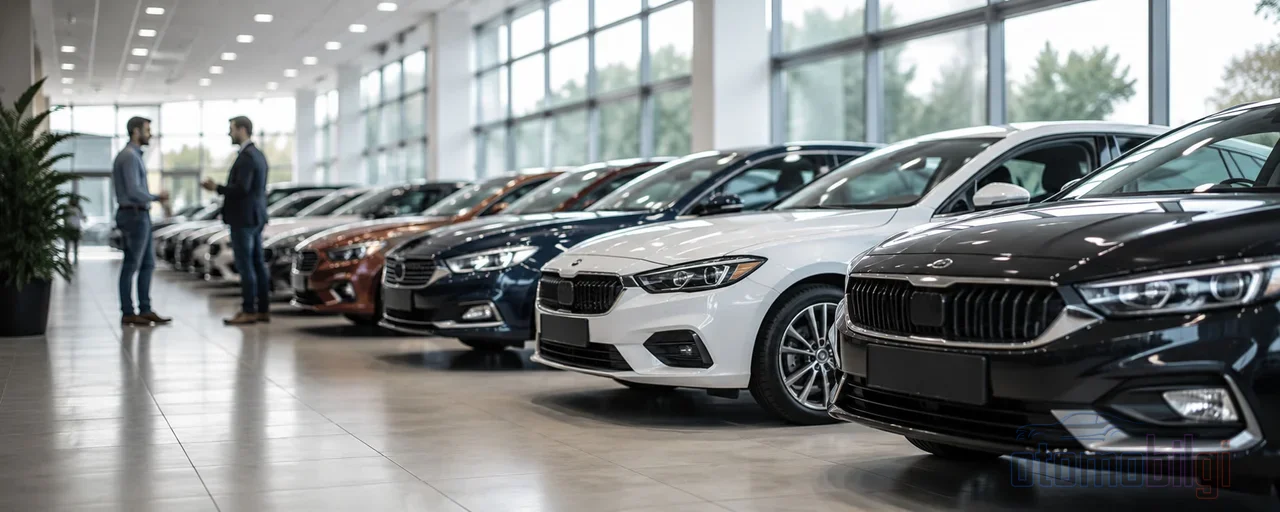
Sales pressure, end-of-season campaigns, and that now-or-never feeling make rational thinking difficult. My generation's biggest mistake was excitement, the new generation's is impatience; the result is the same. Use this measure: after deciding, wait at least 24 hours. If you still want it the next day, that car is yours. And know this: a one-year-older but clean and well-maintained car is often a more sensible choice than a newer model that pleases the eye with its looks.
As for the test drive, it can never be skipped under any circumstance. The inspection gives you the technical detail; only a test drive tells you whether the car suits your driving style - even for brand new cars. The ideal drive should be at least 15-20 minutes and include city traffic, a ramp, and a highway trial; brake response, steering control, and suspension comfort can only be tested this way. Keep the radio off throughout the test; you need enough silence to hear the sounds. Also remember to make an appointment with the dealer or seller in advance for the test drive.
Fourth Mistake: Deciding Between New and Used Based on Emotions
The new versus used debate is the oldest question in this industry, and the right answer is constant: it depends on your budget and your priorities. If we put the two options side by side with real data:
| Criteria | New Vehicle | Used |
|---|---|---|
| Price | High | Lower |
| Warranty | Manufacturer warranty | Limited |
| Depreciation | High in the first year | Depends on previous use |
| Risk of breakdown | Low | Depends on previous use |
| Additional risk | High insurance and motor vehicle tax expenses | Possibility of loan denial, hidden damage |
A new vehicle offers you warranty and trouble-free ownership but suffers serious depreciation in the first year; with a used one, you can get into a higher segment with the same budget, but in return you have to thoroughly investigate its history. It is also a reasonable reason for a novice driver to drive a used car until they gain experience. You will find advocates of both views in forums; these are not expert reports but shared experiences. Let the table above and your own budget make the final decision.
Fifth Mistake: Setting Up Financing Based Only on the Term
The mistake I made most often in financing is being repeated exactly by the new generation: thinking that if the installment is small, the debt is small. Extending the term eases the monthly payment but inflates the total repayment amount; no matter how much you look at the term, calculate the total amount you will end up paying. Remember, as vehicle prices rise, the maximum term offered by banks is also getting shorter.
Typical conditions for a vehicle loan include active social security registration, the vehicle being free of liens, a sufficient credit score, and installment payment capacity. The loan origination fee is around 5.75 per thousand of the amount (including banking and insurance transaction tax), and the lien establishment fee is low but does exist. Used vehicle loans are generally given to vehicles up to a certain age; the term, interest rate, and limit are shaped according to income and the vehicle's value. Vehicle sales by promissory note, which those unable to get loans due to bank records turn to, also stands as an alternative; however, in this route too, proceeding with a notary and documentation is essential.
Sixth Mistake: Carelessness at Delivery and Opening the Door to Fraud
The most dangerous sign in the used car market is this: demanding payment without seeing the vehicle. A deposit has no official value; keep as much distance from a seller who asks for money on the pretext of a deposit as you would from the vehicle in front of you. Meet with the registered owner in person, go to the notary together, and transfer the money only after the document is issued at the notary. The money-first, document-later order pleases not you but the other party.
With a new vehicle, the risk lies not in fraud but in carelessness. Before delivery, check the vehicle's paint, bodywork, and interior; look for any fluid leaks, and make sure the engine bay is clean - engine oil, coolant, and brake fluid are the headings of this check. Document everything you find lacking at delivery in a written record; a vehicle accepted without such a record turns into a problem that cannot be proven later.
A Short Checklist for Your First Car
- Prepare a monthly income-expense inventory; add an extra 10-15% margin to the budget.
- Start with a small-engine, easy-to-control model; engine displacement determines taxes and insurance.
- For used cars, an independent inspection, a 5664 SMS query, and a lien-seizure check are essential.
- Do not keep the test drive under 15-20 minutes; do it even for a new vehicle.
- After it gets dark, wait 24 hours; do not sit down to negotiate before the inspection is complete.
- Get quotes from at least a few companies for comprehensive and traffic insurance.
- Make the payment only at the notary, after the document has been issued.
Buying your first car is one of the few major purchases in life, and major purchases are never made in a hurry. All mistakes stem from a common root: impatience. When you carry out the process step by step, staying faithful to the list, your first car will serve you well for years; but if you rush, it will teach you lessons for years. I think I know which one you would prefer.
Sources
- Common Mistakes Made When Buying a Car - Gerçekçi Haber
- Car Buying Guide - Otopratik
- Inquiry via SMS - Insurance Information and Monitoring Center (SBM)
- What Is a Vehicle Damage Record and How to Check It? - Hangikredi
- All Expenses Incurred When Buying a Vehicle - Hangikredi
- The Hidden Costs of Owning a Car - Allianz Sigorta
- What Is a Test Drive? - Toyota Blog
- Test Driving a New Car Is Still Very Important - Pilot Garage
- Things You Should Check Before Taking Delivery of a New Car - Arabam.com
- Buying a car with credit: 2026 vehicle loan guide - Hesap.com
- Vehicle Loan Terms - Denizbank
- Vehicle Loan Calculation and Explanations - Akbank
- Vehicle Loan Calculator 2026 - Toyota
- Selling a Car with a Promissory Note - Hesapkurdu
- Checking a Vehicle's Damage Record by License Plate - VDF Sigorta
- First Car Second-Hand Guide - Mucars