Range and Consumption
Share This Page
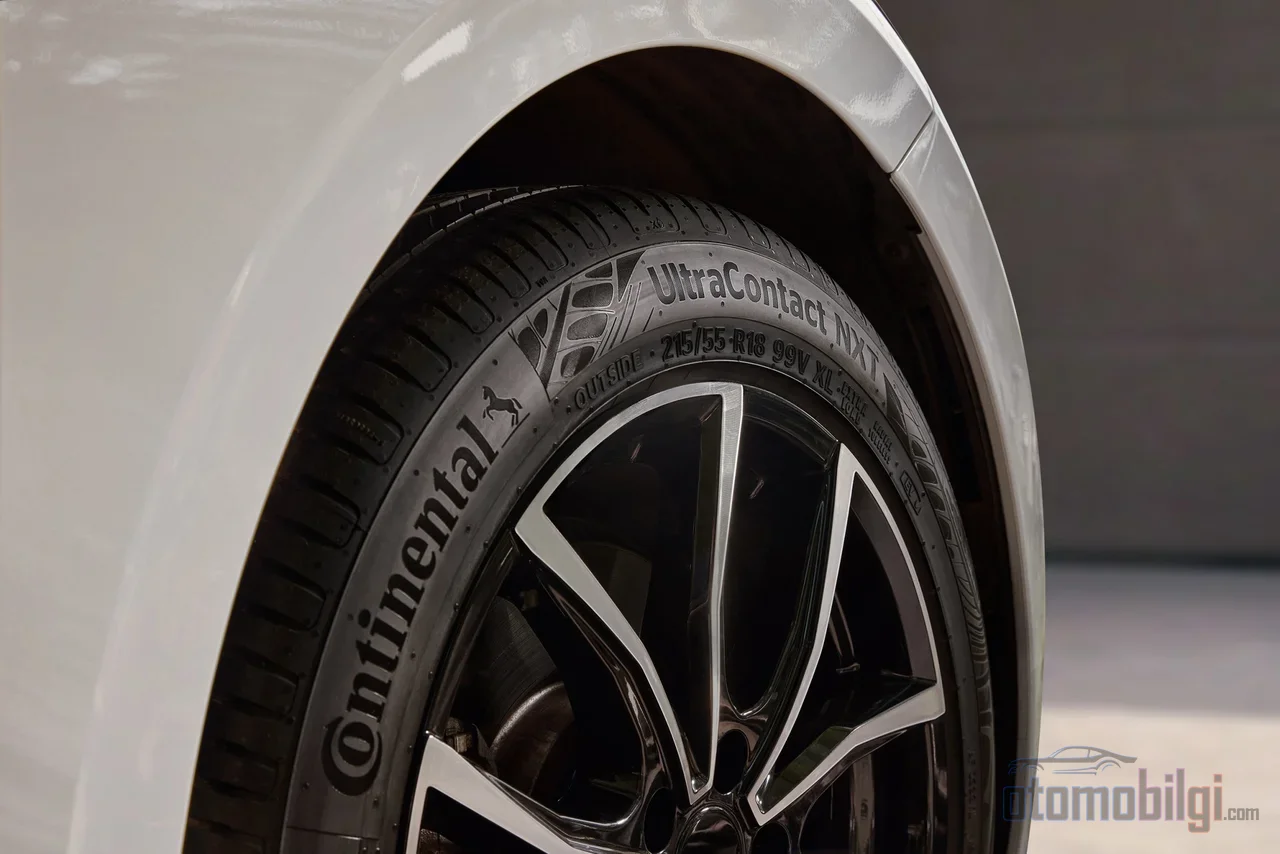
How Much Does Tire Selection Affect an Electric Vehicle's Range?
Tire selection on an electric vehicle is a concrete factor that typically changes range by between 3% and 10% ; incorrect pressure, high rolling resistance, or a heavy-sized tire set will push you toward the upper end of this range, while the right c…
Read More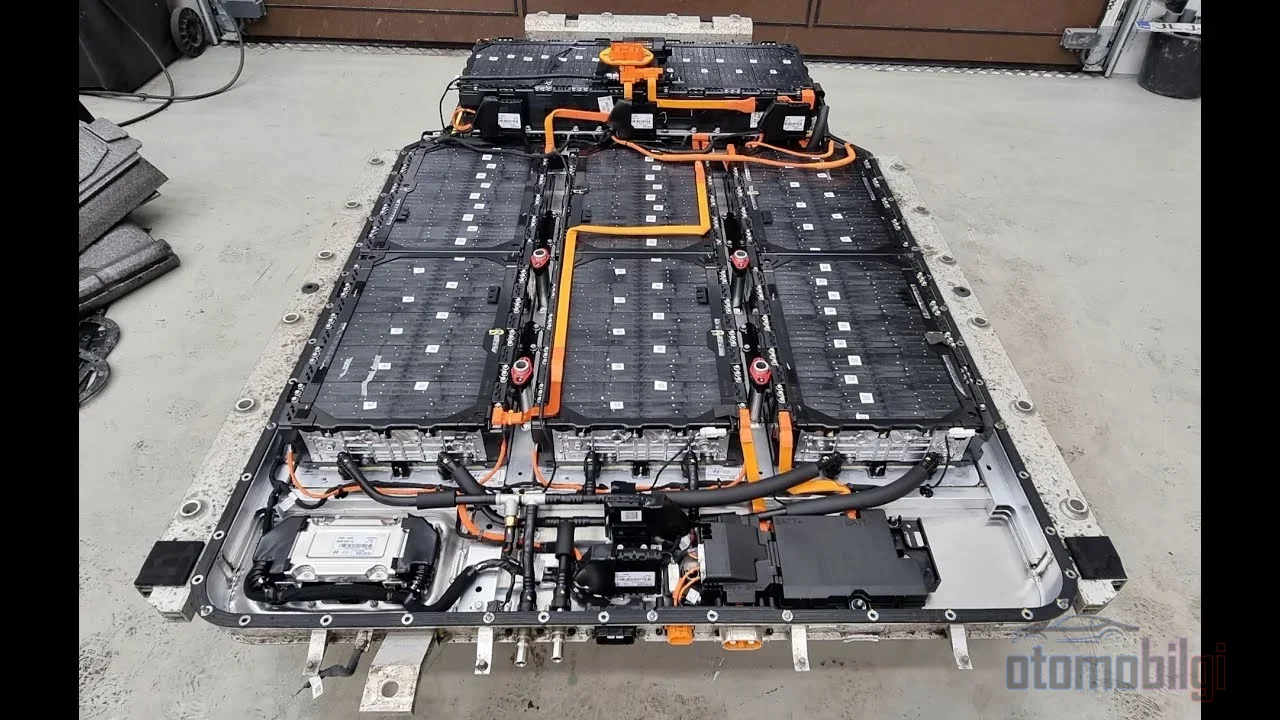
How Much Does Range Decrease as the Battery Ages?
An electric vehicle's battery loses an average of between 1.8% and 2.3% per year in capacity over the years; this means that after roughly 8 years, the battery retains just over 80% of its original capacity. Range loss should not be confused with the…
Read More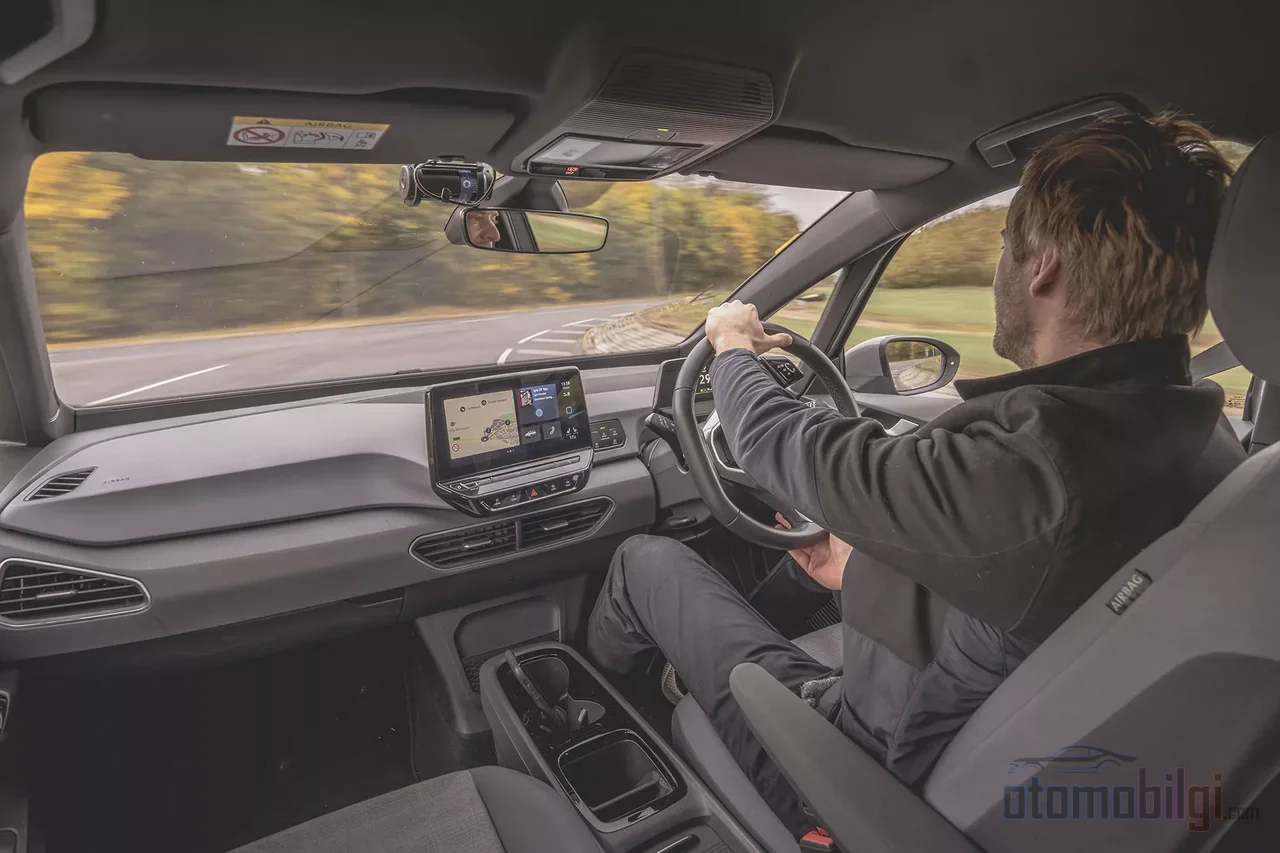
Why Does It Use Less Fuel in the City? The Difference Between City and Long-Distance Consumption
Electric vehicles consume less in the city because in stop-and-go traffic they recover energy through regenerative braking the moment they slow down, and at low speeds air resistance stays at a minimum level. On the highway, braking rarely happens, a…
Read More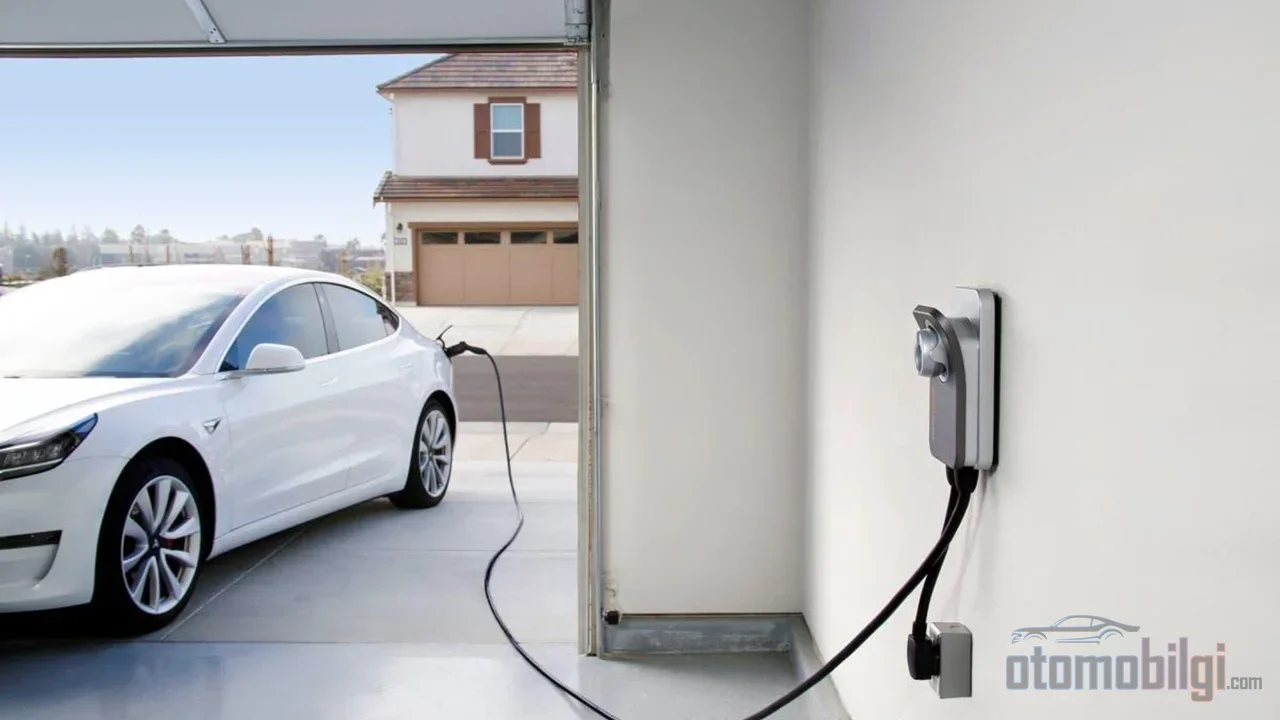
What Is a Good kWh/100 km Figure? Reading Your Electric Vehicle's Consumption
Short answer: as of 2026, in real-world use, consumption of around 16 kWh/100 km is good for a compact electric vehicle, below 14 kWh is efficient, and above 20 kWh is generally considered a sign of a large and heavy body. This figure shows how much …
Read More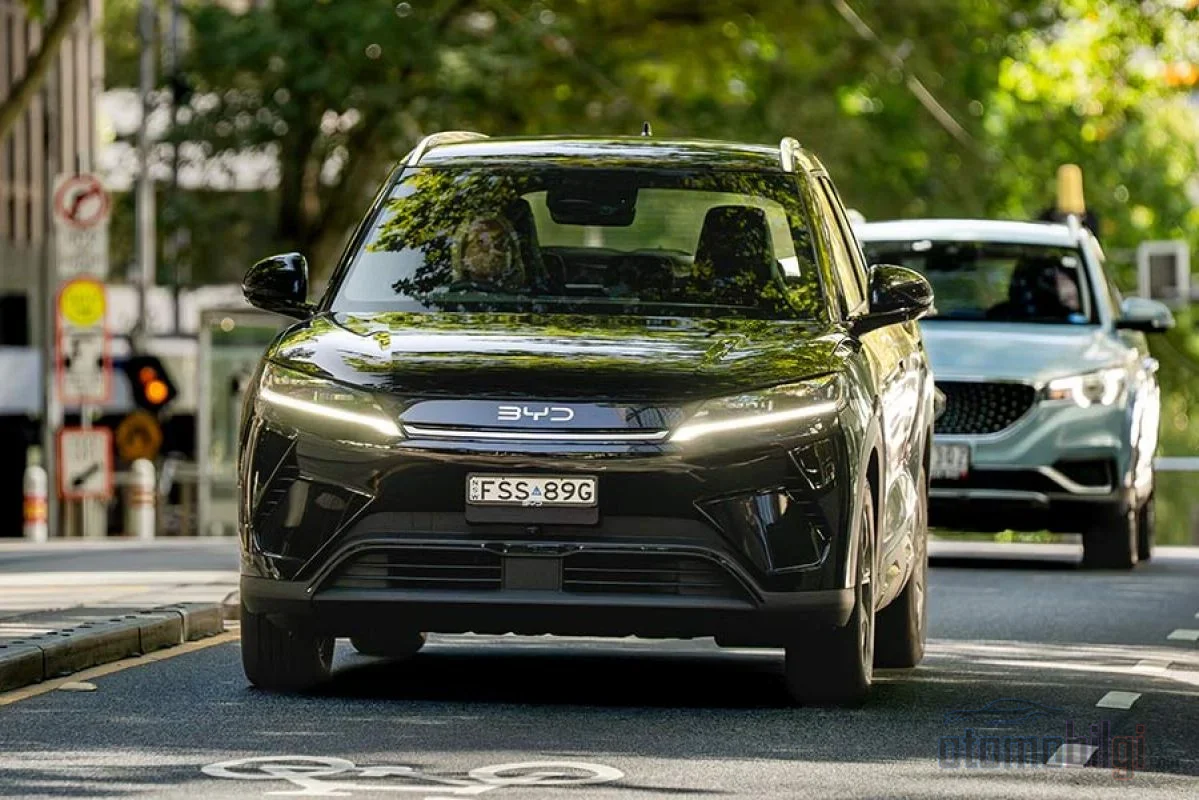
Is Range Anxiety a Real Problem, or a Mindset?
Range anxiety is the fear of an electric vehicle's charge running out before reaching a destination; in daily use it is mostly a cognitive bias carried over from gasoline car habits rather than data. However, on long trips and in winter conditions it…
Read More
110 or 130 on the Highway? How Speed Affects EV Range?
The short answer to the question of whether you should drive at 110 or 130 km/h in an electric vehicle on the highway: your speed choice is what truly determines your range, and measurements show that the most efficient long-distance band is 90-110 k…
Read More
Cold in Winter, Air Conditioning in Summer: How Many Kilometers of Range Melts Away?
In electric vehicles, cold winter weather typically reduces range by 20-35% ; in summer heat, however, air conditioning-related loss remains in most cases only around 5% . What determines the difference is not the temperature itself, but how the cabi…
Read More
Charging Planning and Efficient Driving for Electric Vehicles on Long Journeys
Driving long distances in an electric vehicle requires replacing the familiar gas-station "fill-up and go" habit with two simple calculations: your vehicle's real range under the actual trip conditions and the charging points along your route. A driv…
Read More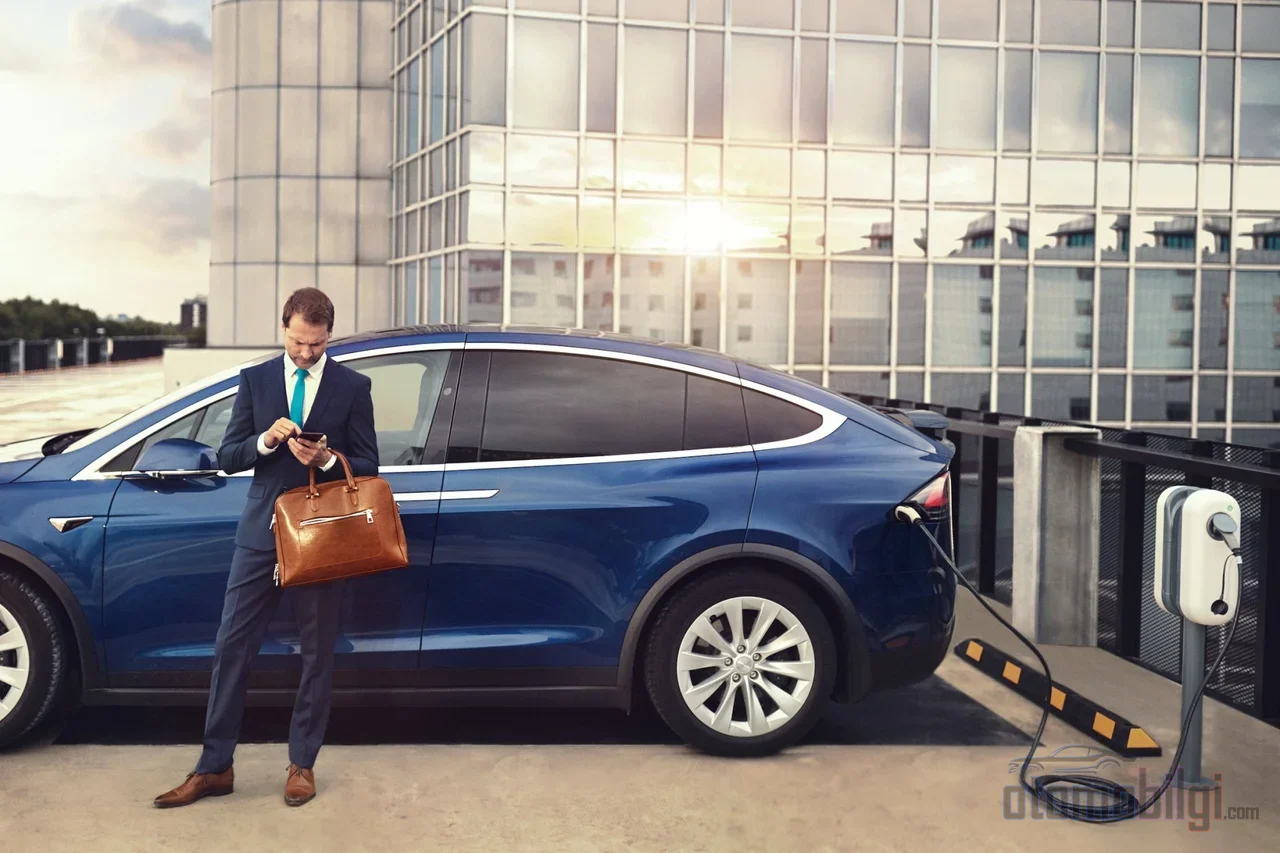
The Differences Between WLTP and Real-World Range
The WLTP value is not a guarantee of an electric vehicle's real-world range, but a comparison reference measured under standard laboratory conditions. In real-world use, range is typically 10-20% lower; at low temperatures this loss can exceed 40%. T…
Read More