Autonomous Driving and Artificial Intelligence
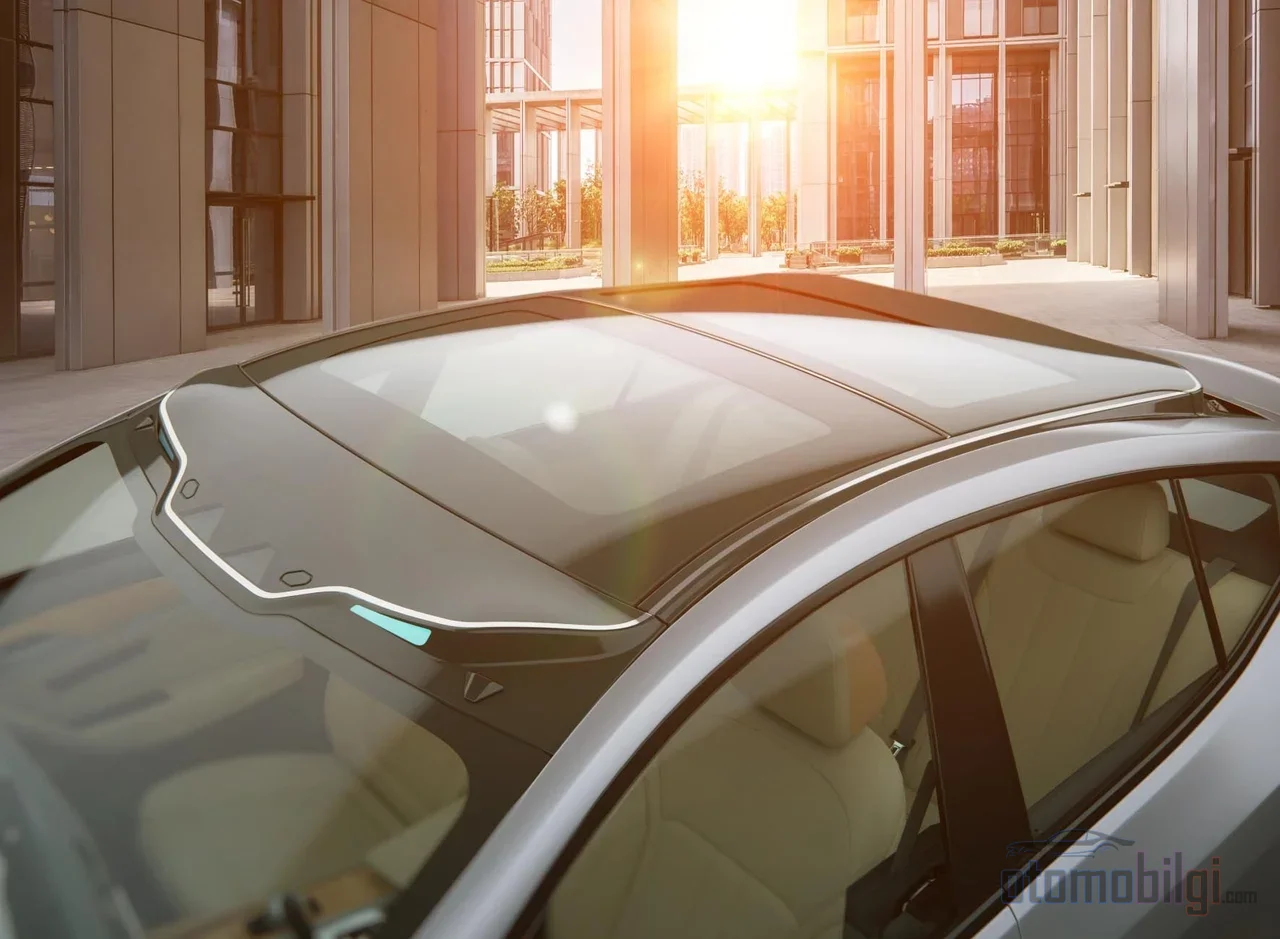
Why Can Autonomous Cars Go Blind in Snow and Rain?
Autonomous vehicles can go blind in snow, fog, and heavy rain, because lidar, radar, and camera sensors seriously lose detection performance in these conditions, and the AI doesn't know which data to trust. That's why robotaxi companies are suspendin…
Read More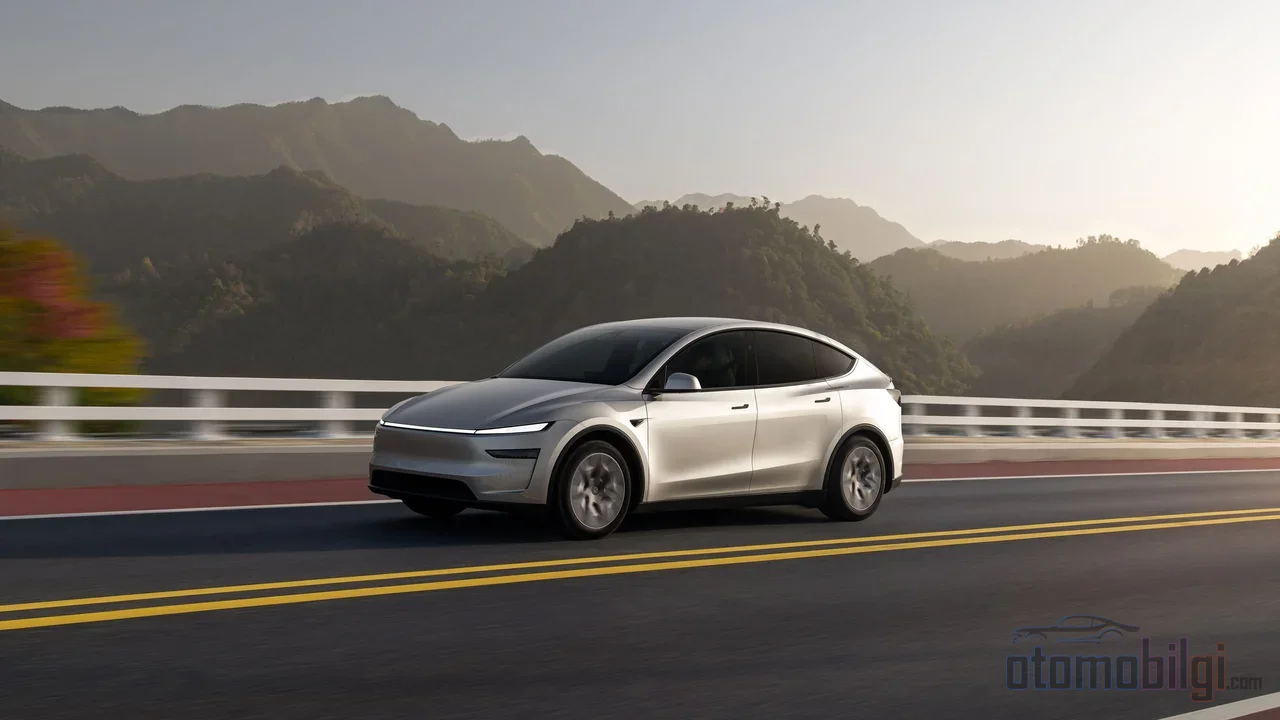
Is It Sensible to Pay a Monthly Fee for Autonomous Driving?
Short answer: for most drivers, at today's prices, yes - but not every month. Tesla's Full Self-Driving subscription costs $99 a month and, despite its name, is not fully autonomous; Mercedes' Drive Pilot really is Level 3 but barely works under any …
Read More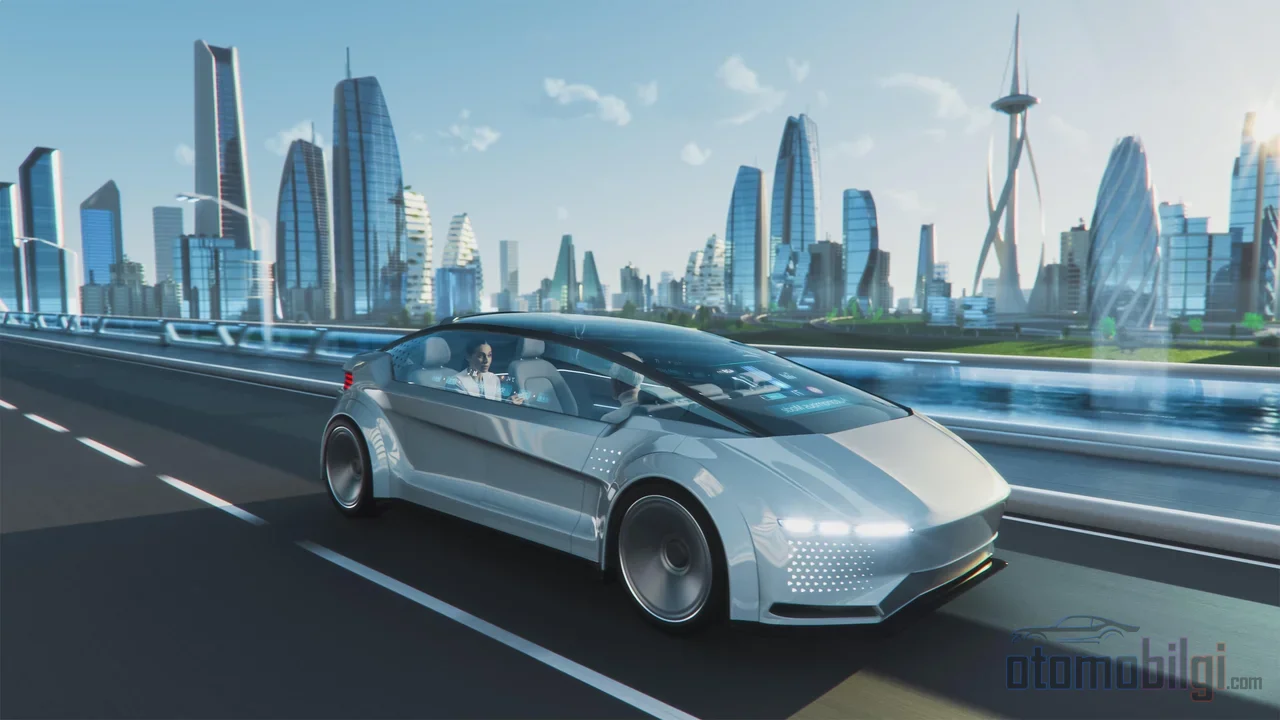
How Do Autonomous Vehicles Learn to Drive? The Shadow School of Simulation
Autonomous vehicles learn to drive largely in simulation, not on real roads: an artificial intelligence that tries and fails millions of times in a virtual world spanning billions of kilometers learns to make decisions in everyday traffic when combin…
Read More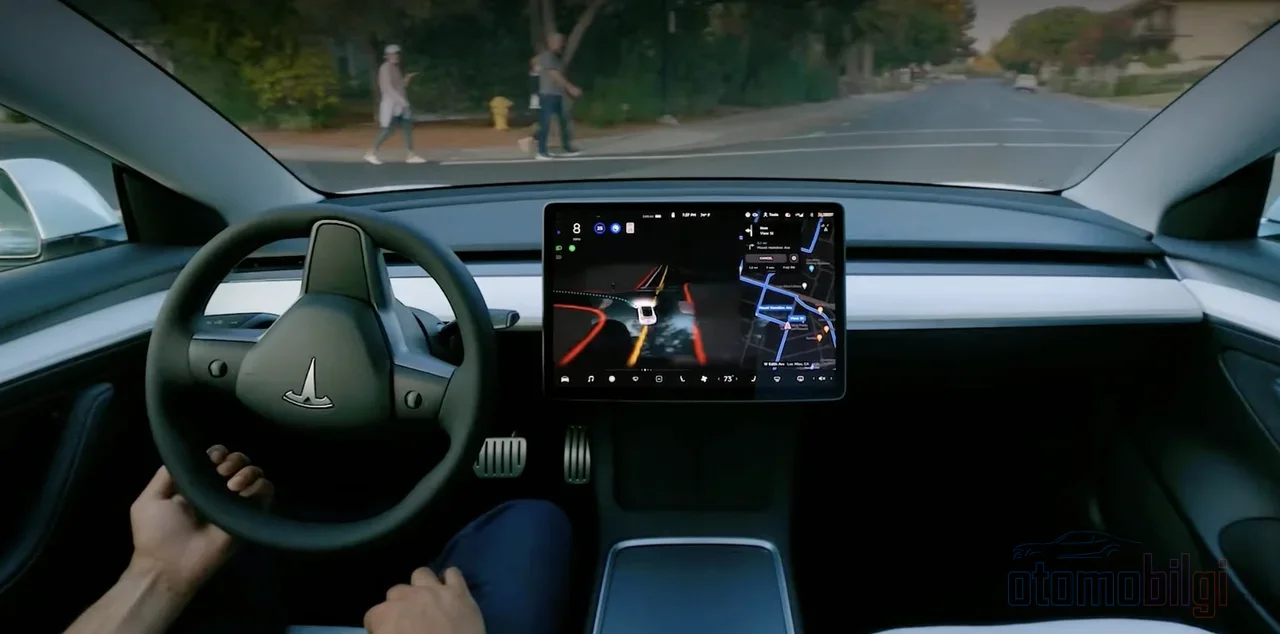
The Postponed Promises of Autonomous Driving Since 2015
Since 2015, dates given for full autonomy and robotaxis have been systematically postponed; while Level 2 driver assistance systems are widespread on the roads today, true full autonomy is serving only in narrow conditions and limited areas. This art…
Read More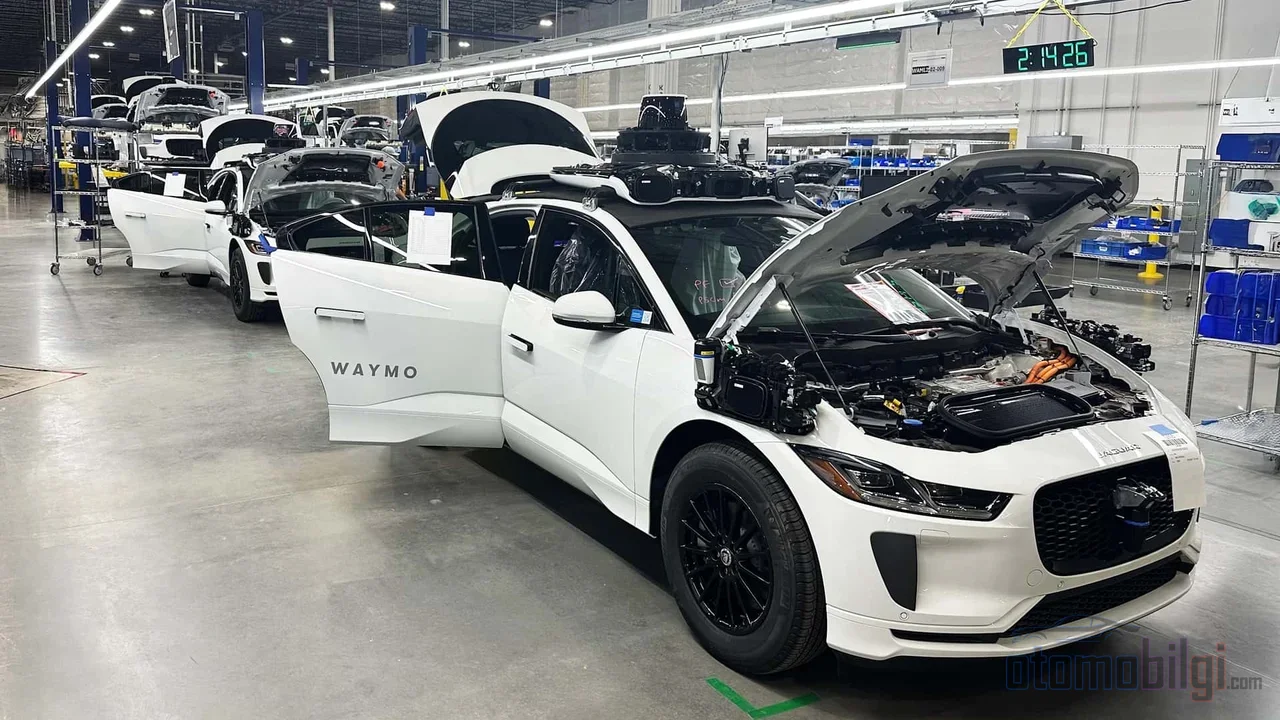
Are Autonomous Vehicles Really Safe? What Do the Accident Statistics Say?
Should the answer be clear-cut? For driverless robotaxis like Waymo, the independent evidence is genuinely positive: they have significantly fewer crashes per mile than human drivers. But this result does not yet apply to all autonomous vehicles - ho…
Read More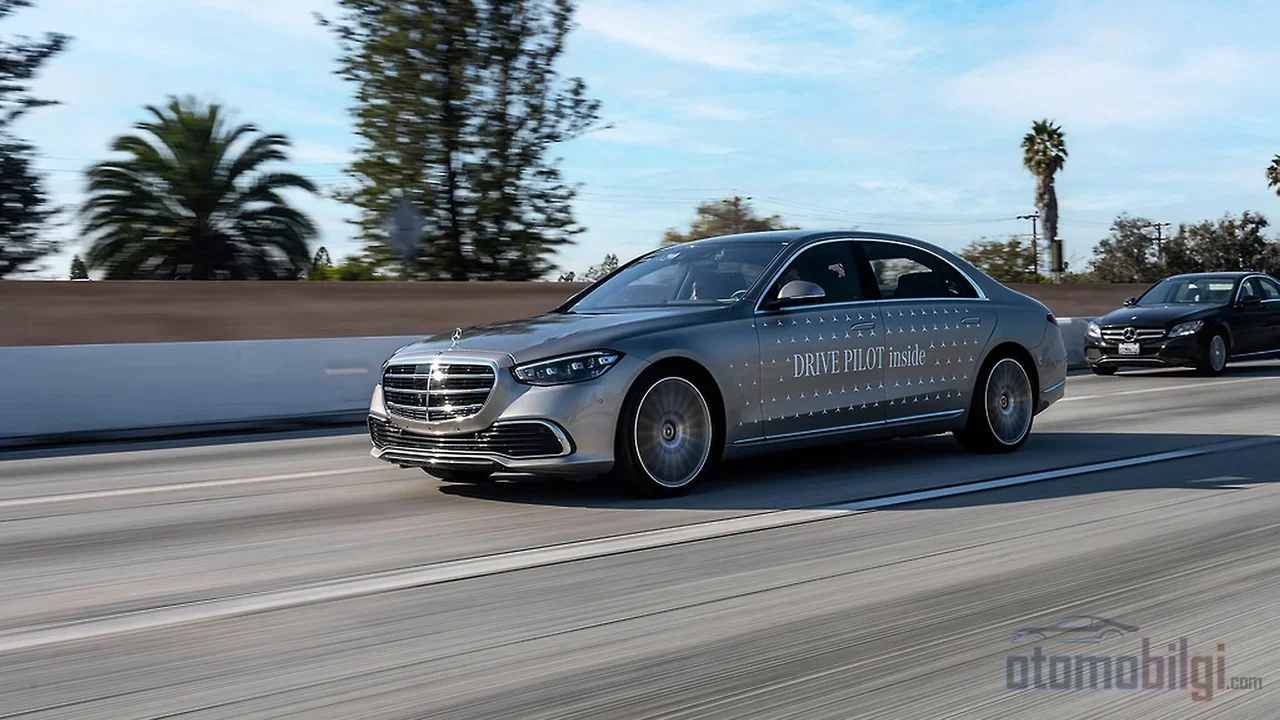
How Do Autonomous Driving Systems Hit the Road?
No matter how impressive an autonomous driving system looks in its manufacturer's advertising, it only truly reaches the road when an approval authority legally clears it for traffic. So here is the essence of the matter: it is not the system's techn…
Read More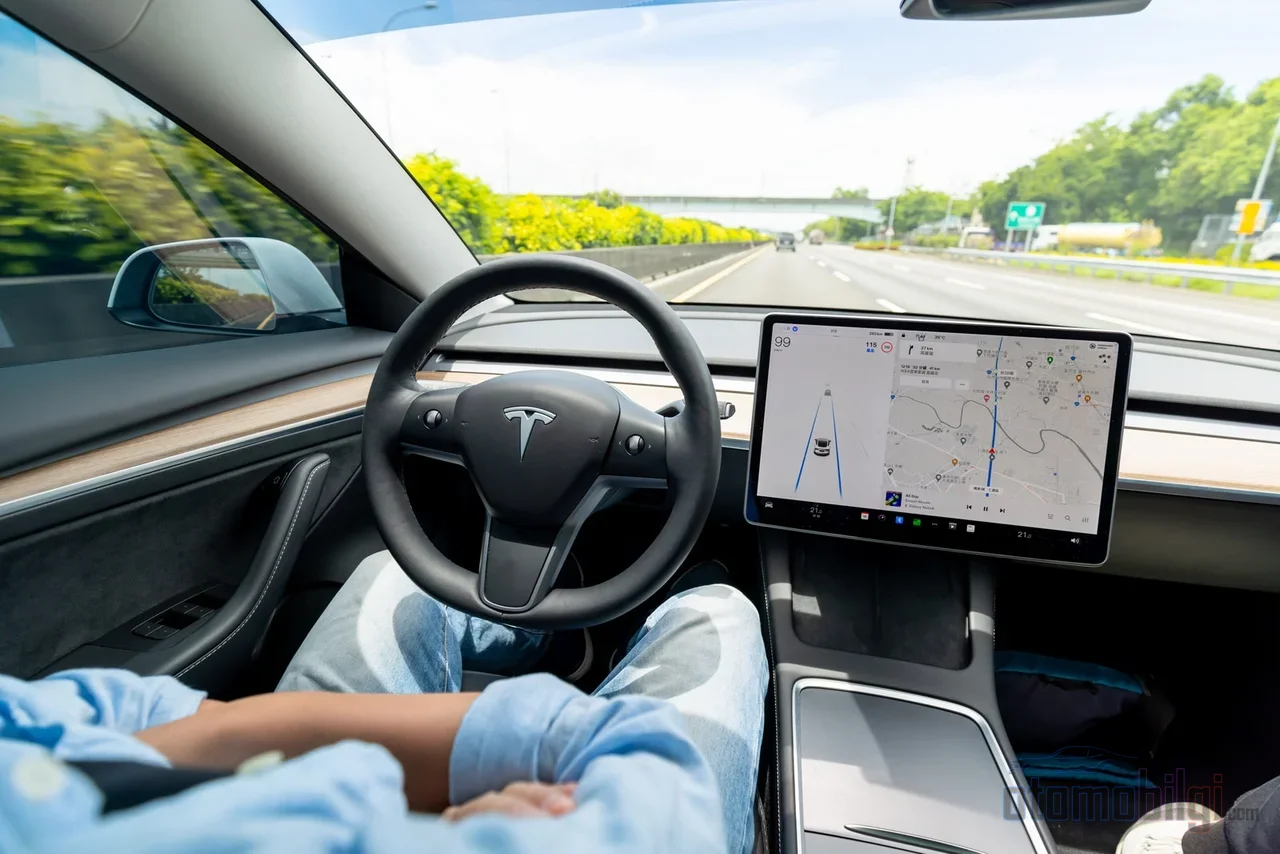
Does the AI Inside Your Car Really Understand You?
In-car AI assistants today can genuinely understand natural language, plan your route, and recognize you - but much of the promise of controlling everything from the air conditioning to navigation still remains just that: a promise. Mercedes MBUX and…
Read More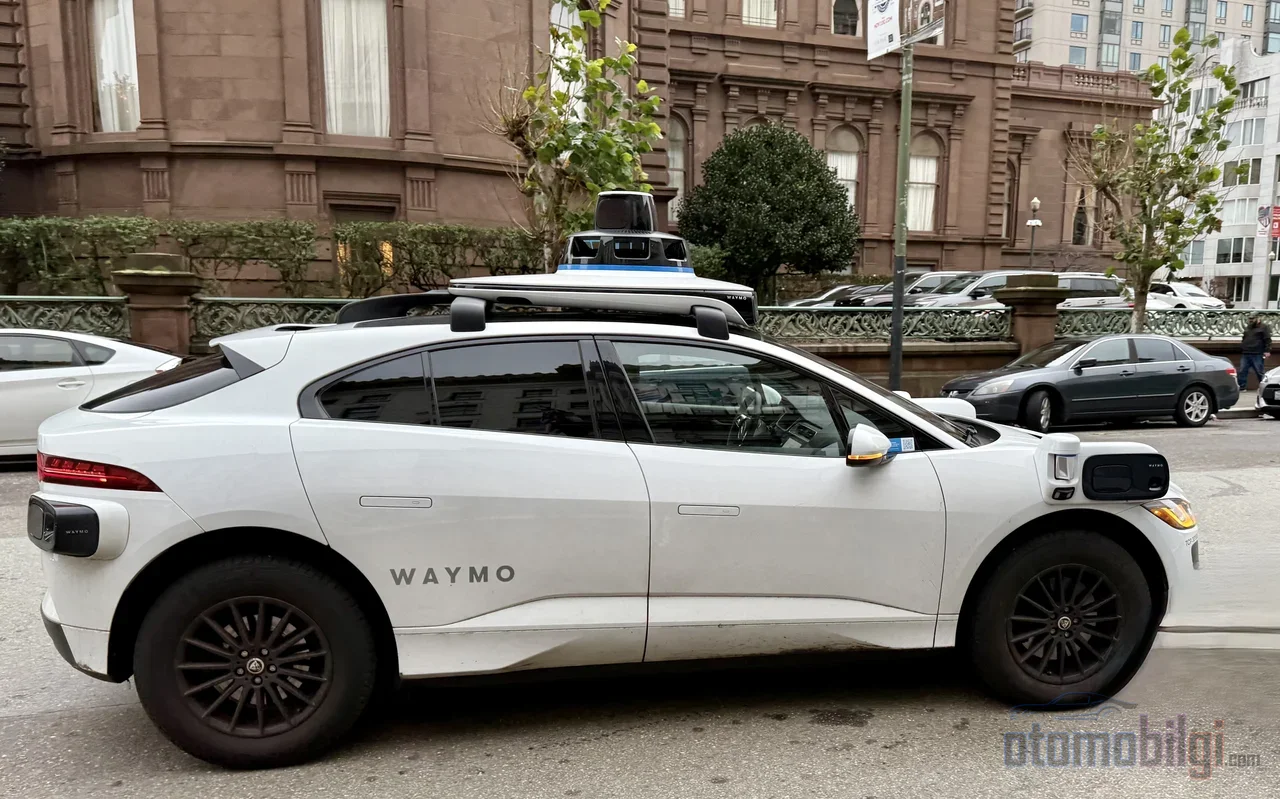
What Happens When You Ride a Robotaxi? Real Experience and Safety
Robotaxi means boarding a fully driverless vehicle via an app, and today it is practically usable in dozens of US cities and in China. The short answer is this: the service is real, passengers really do ride it and are satisfied - but the safety data…
Read More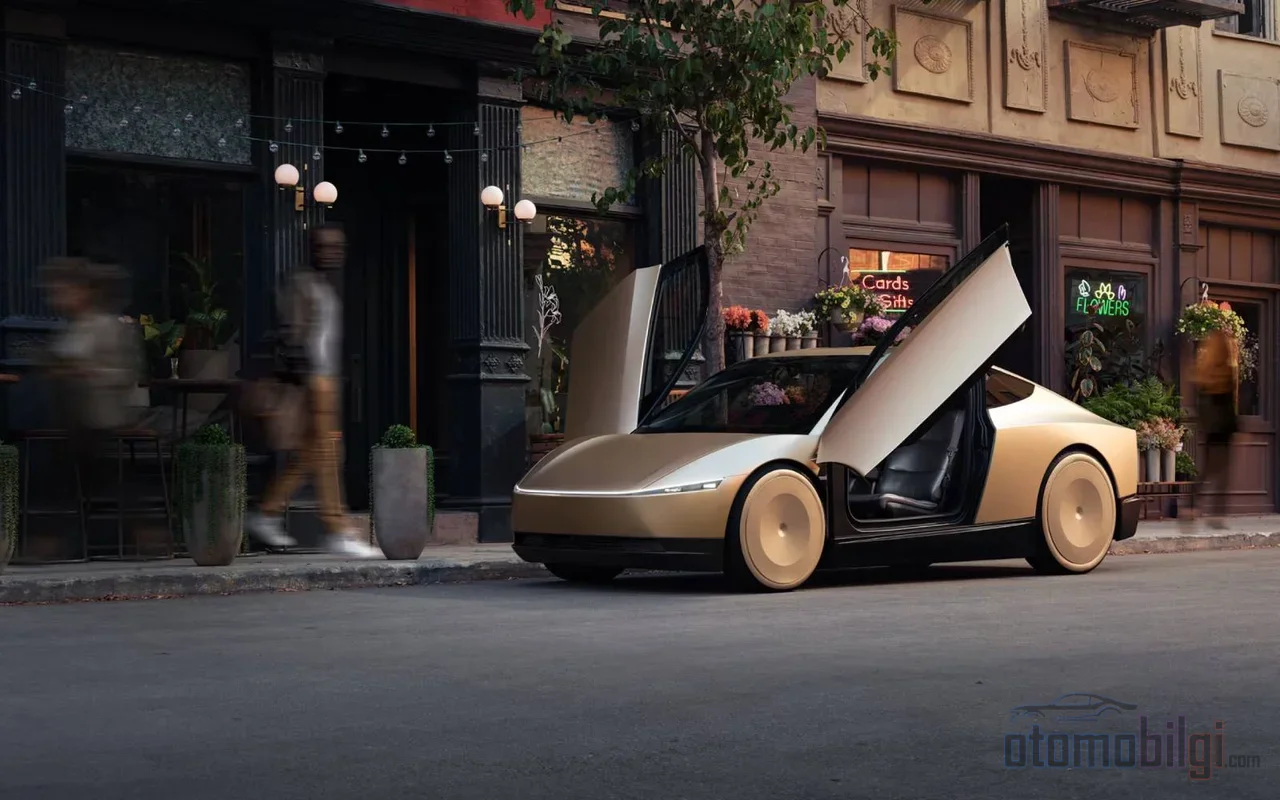
Why Does Tesla Still Want a Driver While Waymo Roams the City on Its Own?
Waymo and Tesla approach autonomous driving through two completely opposite doors: Waymo is a Level 4 system operating driverless robotaxi services in lidar-mapped, geographically limited areas; Tesla is a software strategy distributing a Level 2 Ful…
Read More
If an Accident Happens When No One Is at the Wheel, Who Is at Fault?
If a vehicle crashes with no one at the wheel, the one at fault is often not the driver but the company that developed the system: In Level 3 and above autonomous systems, legal liability shifts to the manufacturer, but in practice, who pays is divid…
Read More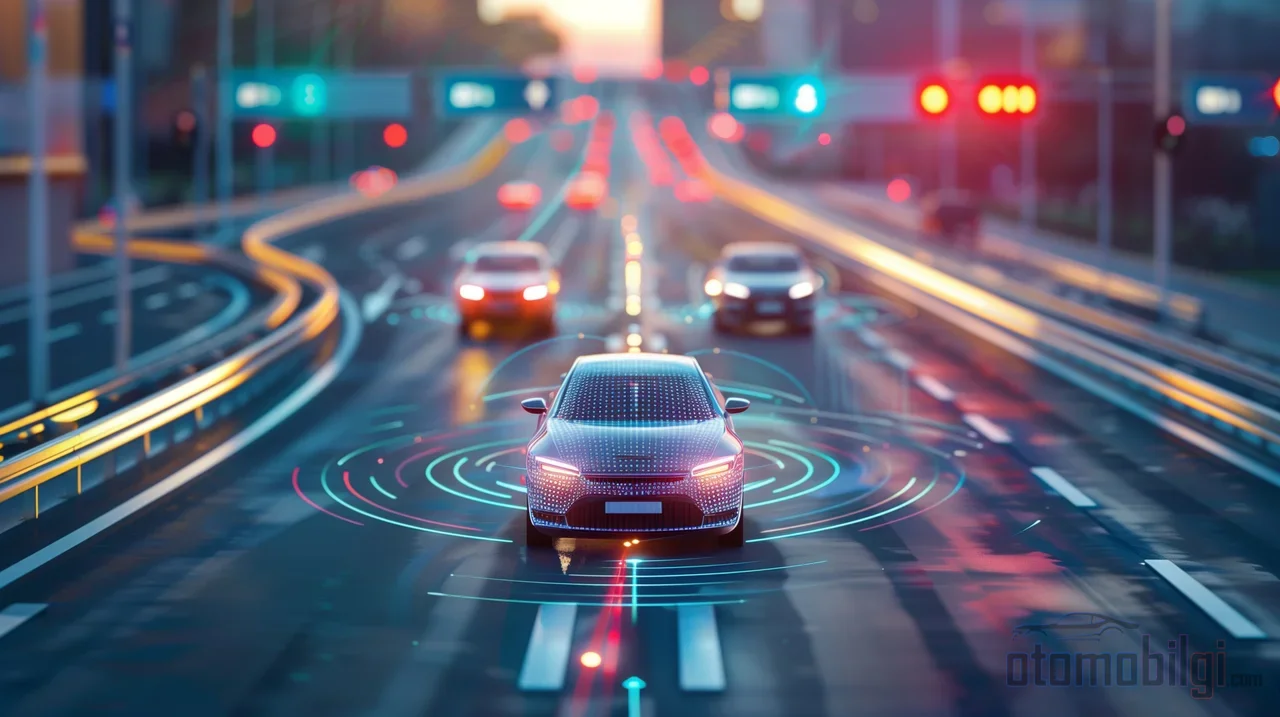
Lidar or Camera? The Scorecard of the Sensor War in Autonomous Driving
Lidar or camera? In short: there is no single right answer - Tesla is moving forward with cameras and neural networks, while Waymo and Mercedes rely on multi-sensor redundancy with lidar at the forefront; which one wins depends on the balance of cost…
Read More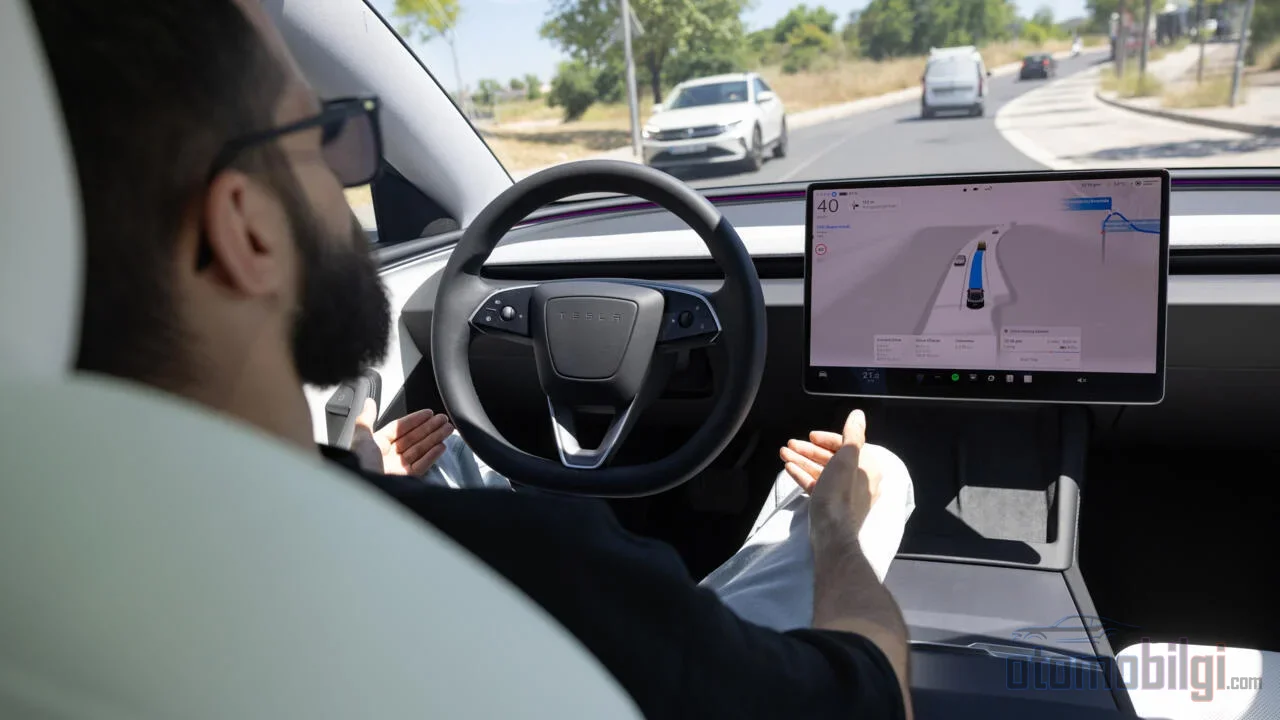
Level 2 or Level 3? Promise vs. Reality in Autonomous Driving
In short: No, there are no fully self-driving cars on the roads today. Tesla's Full Self-Driving is still Level 2, meaning you are legally the one behind the wheel; Mercedes Drive Pilot, on the other hand, is a rare system with approved Level 3 statu…
Read More