How Turbo-Hybrid Engines Changed F1
Share This Page
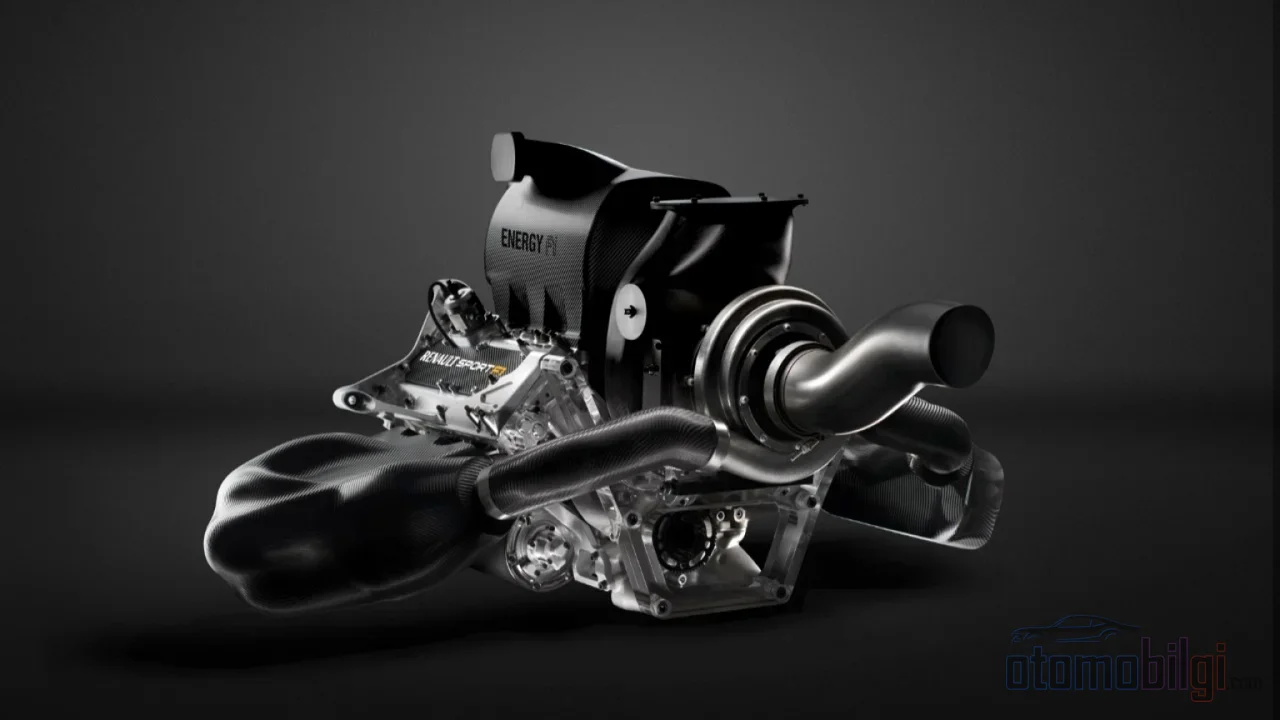
Since 2014, F1 cars have had 1.6-liter turbo V6s and two motor-generator units in place of the... sorry, in place of the naturally aspirated V8. So today's F1 car isn't just an engine on its own; it's an entire power unit made up of an internal combustion engine, a turbocharger, two energy recovery systems and a lithium-ion battery. This system produces roughly 1,000 hp and runs with an efficiency the old V8s couldn't even dream of: thermal efficiency above 50%. So what exactly did this transformation do to F1's speed, sound and race strategy? Let's take it step by step.
Highlights
- Since 2014, F1 has used 1.6-liter V6 turbo engines + MGU-K and MGU-H.
- In 2017, a power unit exceeded 50% thermal efficiency on a dynamometer for the first time.
- MGU-K harvests energy under braking, while MGU-H generated electricity from exhaust heat - as of 2026, the MGU-H is history.
- In 2026, MGU-K power rose from 120 kW to 350 kW ; power is split nearly 50/50.
- The rev limit was removed in 2026, but the fuel flow rule keeps revs at around ~12,800 rpm in practice.
2014: Why Turbo-Hybrid Replaced the Naturally Aspirated V8?
In the late 2000s, F1 engines were like an incredible concert: in 2007, the rev limit went up to 19,000 rpm, and in 2009 it was lowered to 18,000. But when the sport chose efficiency and technology, a completely different formula arrived in 2014: 1.6-liter, direct-injection, single-turbo V6 engine and two energy recovery systems. Along with it, the rev limit dropped to 15,000 rpm.
The most striking change was the fuel: 2014 cars raced with 35% less fuel than the previous season, and fuel flow was limited to 100 kg per hour. Think of it this way: you have to cover the same distance, but with nearly a third less gasoline. Managing the engine with intelligence rather than raw power became the real job. The sport's leaders began calling this system a "power unit" instead of an "engine" - because the petrol engine and the electric motors were now parts of a single integrated system.
MGU-K and MGU-H: What Do These Two Systems Do?
Both are "motor-generator units," meaning they can work as both an electric motor and a generator. But their tasks are completely different. Let me explain briefly:
- MGU-K (Kinetic): Connected to the crankshaft. When you brake, it converts the car's kinetic energy into electricity and charges the battery; when accelerating, it does the reverse and delivers extra power. According to the regulations, the maximum 120 kW power, 50,000 rpm and 200 Nm torque limits applied. A maximum of 2 MJ of energy can be sent to the battery per lap, and a maximum of 4 MJ could be used from the battery.
- MGU-H (Heat): It sat on the same axis as the turbocharger's shaft and generated electricity from the heat of the exhaust gases. Its real superpower was this: running in reverse, it could spin up the turbo in advance. So you didn't have to wait for the turbo to "wake up" when you pressed the throttle - that delay we call turbo lag was virtually eliminated.
MGU-H's power was unregulated; it only had 125,000 rpm rev limit and the turbo shaft could spin up to ~150,000 rpm. Such high technology naturally brought cost and complexity with it - I will return to this topic in the 2026 section.
Efficiency from 29% to 50%: What Do the Numbers Say?
The old naturally aspirated V8s could only peak at ~29% thermal efficiency; meaning nearly two-thirds of the energy you burned was wasted as heat. In 2017, however, a power unit demonstrated over 50% thermal efficiency on the dyno for the first time. In the world of internal combustion engines, that is a number straight out of science fiction. It is now a confirmed fact that modern power units operate above this level. Honda's development story also shows just how detailed this competition is: in 2017, they moved and enlarged the compressor outside the V-bank, solving the pressure problem at high-altitude tracks like Austria (750 m) and Mexico (2,300 m); they overcame bearing and shaft problems with the turbine team, and from the 2019 French GP onwards they increased the compressor pressure ratio.
Energy Management: Can You Win Without Managing the Battery?
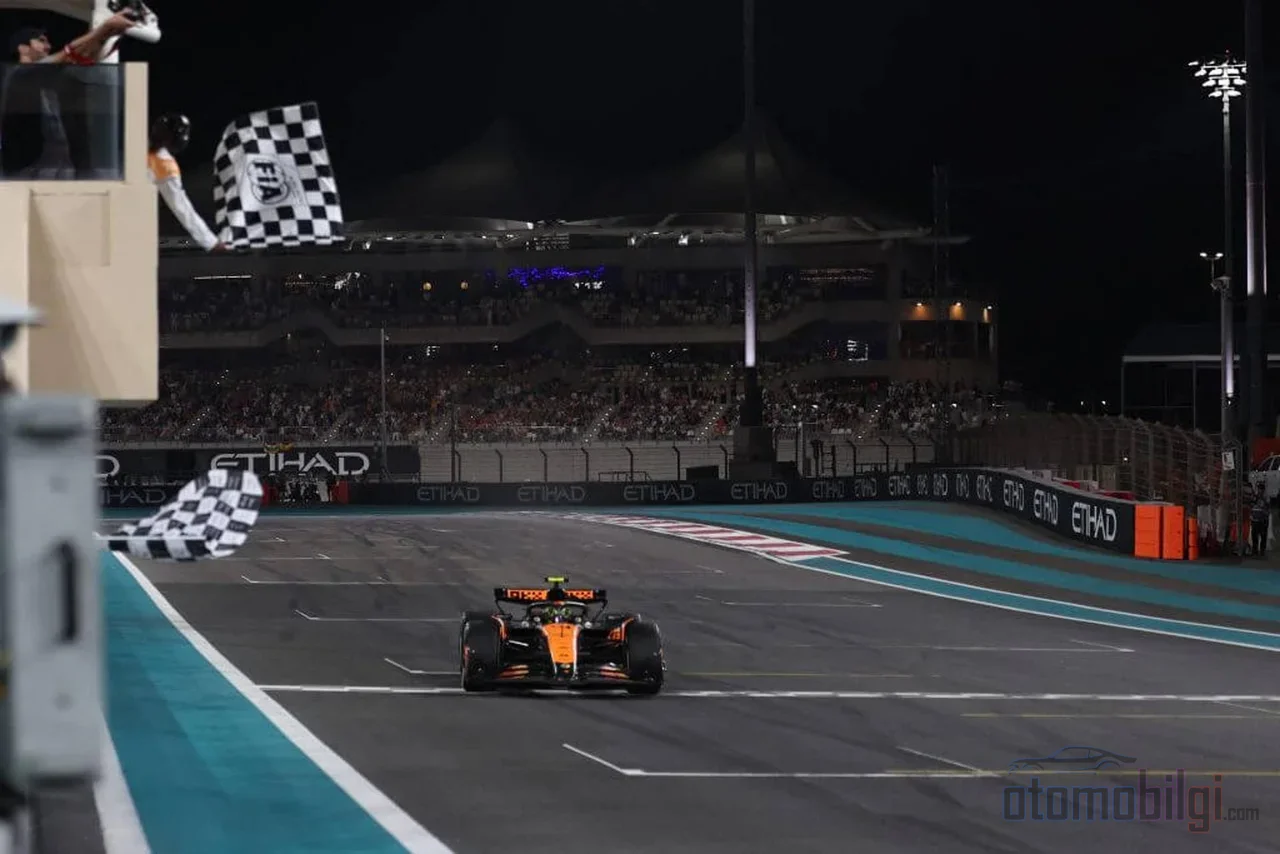
Here is the least talked about but most decisive aspect of the hybrid era: racing is no longer just "press the throttle and brake." If the battery runs empty, the raw engine is left on its own while rivals have electric support. That's why energy management has become as critical as fuel strategy. The 2026 rules make this even more pronounced: the battery is now charged in four different ways:
- Braking: The MGU-K switches to generator mode, harvesting energy by slowing the rear axle.
- Part-throttle overload: Redirecting the excess from the internal combustion engine to the battery while at partial throttle.
- Lift-and-coast: Lifting off early before a corner to fill the battery - affectionately known as "Li-Co," and deservedly so.
- Super clipping: Redirecting power from the ICE to the battery up to 350 kW even at full throttle. The car automatically slows down, but active aerodynamics stay open. Expensive, but sometimes worth it.
The usage side has also changed: in 2026, per lap you can use up to 4 MJ, that is, with full MGU-K power for approximately 11.5 seconds, splitting the available energy across multiple deployments. Remember when there was only a single deployment window? Even in qualifying, battery rules change track by track: at Monza the charging limit is 5 MJ, while in Monaco, Singapore and Hungary it's 9 MJ. So in Monaco, with plenty of braking, the battery fills up easily, while on Monza's long full-throttle sections it is harder to charge.
Now there are two sides to this. Some say performance now fluctuates greatly based on energy management rather than raw ability. Others rightly respond: choosing when to boost and when to lift - that's called driving, too. In my view both are right; the best do both at the same time.
Why Is F1 Now Quieter?
Let me be honest with you: this is the most emotional debate since 2014. The howling sound of atmospheric V8s gave way to the quieter tone of the 1.6-liter turbo V6s. Hybrid engines run at lower revs, turbo pressure softens the exhaust character, and it also makes microphone work harder. At the start of the 2014 season, the "isn't it too quiet?" debate flared up seriously; some drivers said the sound resembled the turbo era of the 70s and 80s.
The interesting thing is: since the regulations pushed almost everyone toward the same technical solutions, there is almost no sound difference between teams anymore. Everyone goes with a similar V6 sound. There are some fans, of course - opinions preferring the current V6 sound over the V8s have also been written. My take: the loss of sound is real, but in return we gained 50% efficiency and hybrid technology. We paid the price, and we got the product.
Competitive Order: From Mercedes Dominance to the Rise of Red Bull
Engine eras are not only technical but also strategic turning points. In 2014, the team that best solved the turbo-hybrid transition was Mercedes, and its consequences lasted for years. When the right power unit met the right chassis, the result was years of dominance. In the following period, Red Bull became the side that rose to the top with its development on the power unit front.
2026 reshuffled this order, and the manufacturer front reached its largest state in history. Audi joined the grid as a new power unit manufacturer; Ford is working with Red Bull; Honda is alongside Aston Martin, while Cadillac (GM) races with Ferrari engines. One of the main reasons behind this is the removal of the MGU-H: it was a very expensive and complex part, a huge entry barrier at the door of new manufacturers. Once it was removed, the barrier fell and the manufacturers came.
Red Bull Powertrains, meanwhile, achieved a historic first: it became the first F1 team to develop its own engine as well as its chassis. In the 2026 season, while Mercedes carried both championships with a big lead, it even received permission from the FIA for an engine upgrade. Even among those in the Mercedes camp who believe they are 2-4% behind Red Bull-Ford in the power unit rankings, there are those who say "I have the strongest engine" - the engine race continues along with the track race. Mercedes and Red Bull together supply power units to a total of 6 teams, meaning this duo duel runs underneath the entire garage.
2026: MGU-H Is Gone, 350 kW of Electricity Arrives
The 2026 rules represent a major reset in F1's energy architecture. Let's look at the main headings together:
| Topic | 2014-2025 | 2026 |
|---|---|---|
| MGU-H | Present, power unregulated | Completely removed |
| MGU-K power | 120 kW / 200 Nm | 350 kW / 500 Nm |
| Power split | ~80% ICE / 20% electric | ~50/50 (ICE ~400 kW) |
| Rev limit | 15,000 rpm | None; the fuel limit effectively holds it around ~12,800 rpm |
| Energy recovery per lap | 4.5 MJ | 8.5 MJ (7 MJ on some tracks) |
| Fuel | 100 kg/hour flow limit | 3,000 MJ/hour energy flow limit, sustainable fuel mandatory |
| Overtaking device | DRS | DRS removed, Overtake Mode introduced |
The most striking rule is the speed-dependent reduction of electrical power: the full 350 kW is only available up to 290 km/h, dropping to 100 kW at 340 km/h and zeroing out above 345 km/h . At launch, the MGU-K also only comes into play from 50 km/h onward. So on tracks with long straights like Monza, electric support diminishes; this directly determines how overtakes, defenses, and energy planning have changed. On the recovery side, too, the character of the track is decisive: recovery potential varies significantly from track to track, and tracks with plenty of braking zones are places where the battery fills more easily.
There is also a new tool for overtaking: Overtake Mode. A driver approaching within 1 second of the car ahead is given approximately 0.5 MJ of extra electrical energy - think of it as an energized version of DRS. And there is another revolution on the fuel side: from now on, only advanced sustainable fuel produced entirely from certified sustainable components can be used. F1's laboratory role has added clean fuel alongside electrification.
Conclusion: The Engine Defines F1's Identity
In 12 years, F1 moved from howling atmospheric V8s like motorcycle engines to hybrid systems running at 50% efficiency where the fate of a race is determined by battery management. The sound has faded a bit, yes; but speed, efficiency, and strategic depth have increased significantly. The 2026 rules rewrote this balance: manufacturers returned, electric and fuel power were equalized, and overtakes are now won with energy. Who can say whether the engine will be king again at the next major regulation change? Which era do you prefer - the howling V8s, or the silent but clever hybrids?
Sources
- Evolution of Hybrid Technologies (MGU-H, MGU-K) – Honda
- 2026 Formula 1 Power Unit Technical Regulations – FIA
- MGU-K, megajoules, and managing the battery: F1's 2026 energy system explained – RaceTeq
- F1 Power Unit 2026 Explained: How It Works – Formula Dream
- Facts and Stats: Power Unit Regulation Changes – Mercedes AMG F1
- 2014 Season Preview - the dawn of a new Formula One era – Formula1.com
- EXPLAINED: The key terms for F1's new-for-2026 rules – Formula1.com
- 2026 Formula 1 Regulations Overview – Honda
- F1 2026: How battery management is shaping races – Red Bull
- Red Bull and Ford: How the new F1 engine will power... – Red Bull
- F1 leaders Mercedes granted engine upgrades – Reuters
- Formula 1: Are the new V6 turbo hybrid engines 'too quiet'? – BBC
- OPINION: I prefer the sound of F1's current V6s to the V8s – Goodwood
- Formula One engines – Wikipedia
- A new era in F1: Hybrid power, active aero – Euronews Turkish
- The Heart of Formula 1 Cars: Power Units and Tires – TÜBİTAK Bilim Genç