Listing Photo and Text: First Impressions When Preparing Your Car for Sale
Share This Page
The listing of a vehicle for sale is the first meeting point with the buyer, and this encounter consists of two elements: photos and text. A seller who presents their vehicle from the right angles, in the right light, and in honest language sells faster and with less haggling. On this page, we cover every step of the listing, from cleaning to shooting angles, from mileage information to legal liability, with practical advice distilled from thirty years of experience.
Highlights
- Ideal shooting hours 09:00-11:00 and 16:00-19:00 ; a cloudy day provides the advantage of soft shadows.
- A full listing gallery 15-25 photos; three or four frames no longer inspire confidence.
- Cover photo front three-quarter and in horizontal framing.
- A seller who hides a defect can, according to Court of Cassation precedent, be held liable for compensation .
- In 2026, the buyer first looks at the price-mileage consistency in the listing, and the tramer and expert inspection records.
Preparing the Car for the Showroom Before Taking Photos
Over the years I have seen dozens of listings; I have witnessed well-priced vehicles with bad photos waiting for weeks on listings, while averagely priced but properly presented vehicles found buyers in two days. The photo is the vehicle's shop window, and if the glass of the window is dirty, no one approaches no matter how clean the inside is. That is why the job starts before you pick up your phone: detailed interior and exterior washing. The wheels, door interiors, inner windows, console, and trunk carpet must be clean enough to show in the photo. Even a small stain is effective enough to deter a buyer; this is not an exaggeration, it is the reality of listing behavior.
Also remove personal belongings from the cabin. Perfumes, masks, phone holders, organizers... Although these seem like ordinary items to you, they create a perception of clutter and neglect in the photo. Believe me when I say that even a slipped floor mat sends a message of carelessness. As for the license plate: hanging a sheet or paper is a method that has long been practiced, but it ruins the image; a solid-colored magnet or digital editing gives a cleaner result.
Light and Time: From Which Angle and When Should a Car Listing Photo Be Taken?
The same vehicle looks like two different cars when shot at nine in the morning and at one in the afternoon. The most productive hours are 09:00-11:00 in the morning and 16:00-19:00 in the late afternoon ; during these windows the light is soft and shows body paint fairly. The midday sun hitting from above creates glare on the hood and leaves dark areas in the cabin. The period just after sunrise and just before sunset is also recommended for the same reason; this is precisely the window photographers call the "golden hour."
Do not let a cloudy day upset you; clouds act like a giant softbox and soften shadows. In the past everyone chased sunny photos, now the savvy seller prefers slightly cloudy weather. Avoid shooting in enclosed parking lots, however: insufficient light adds grain to the frame and weakens the listing from the start.
The background also carries a silent message. Crowded streets, store signs, trash and heavy traffic make the listing look worthless. An empty parking lot, an inner-road within the complex, a plain wall or the edge of a green area speaks much better. On the phone side, what you need to do is simple: shoot at maximum resolution, wipe the lens (fingerprints are the most common cause of blur), get closer yourself instead of using digital zoom, keep HDR on, and do not use any filters or effects. The photo is meant to show the car's reality; telling a better story than the car's reality comes back to you at the first meeting.
From Which Angles, How Many Photos: The Right Composition of the Listing Gallery
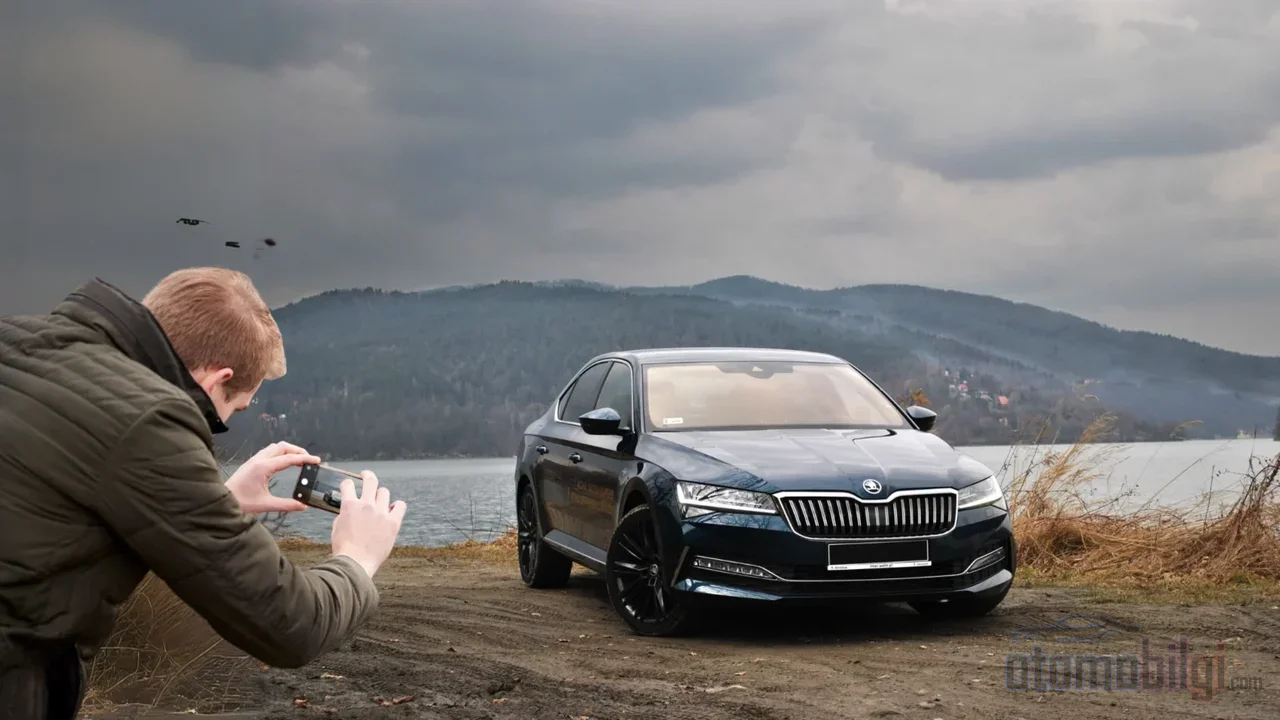
Six positions are enough to build a skeleton for the exterior shoot: left and right front-quarter, left and right rear-quarter, full side view of both sides, and front and rear facades. The cover photo should be the left front-quarter frame among these and should be taken in landscape orientation; the cover is the only image the buyer will see in the listings, and this job must be answered with a single frame. Hold the camera at chest height; in every frame the entire car should be visible - do not leave a frame with a cut bumper or a clipped roof.
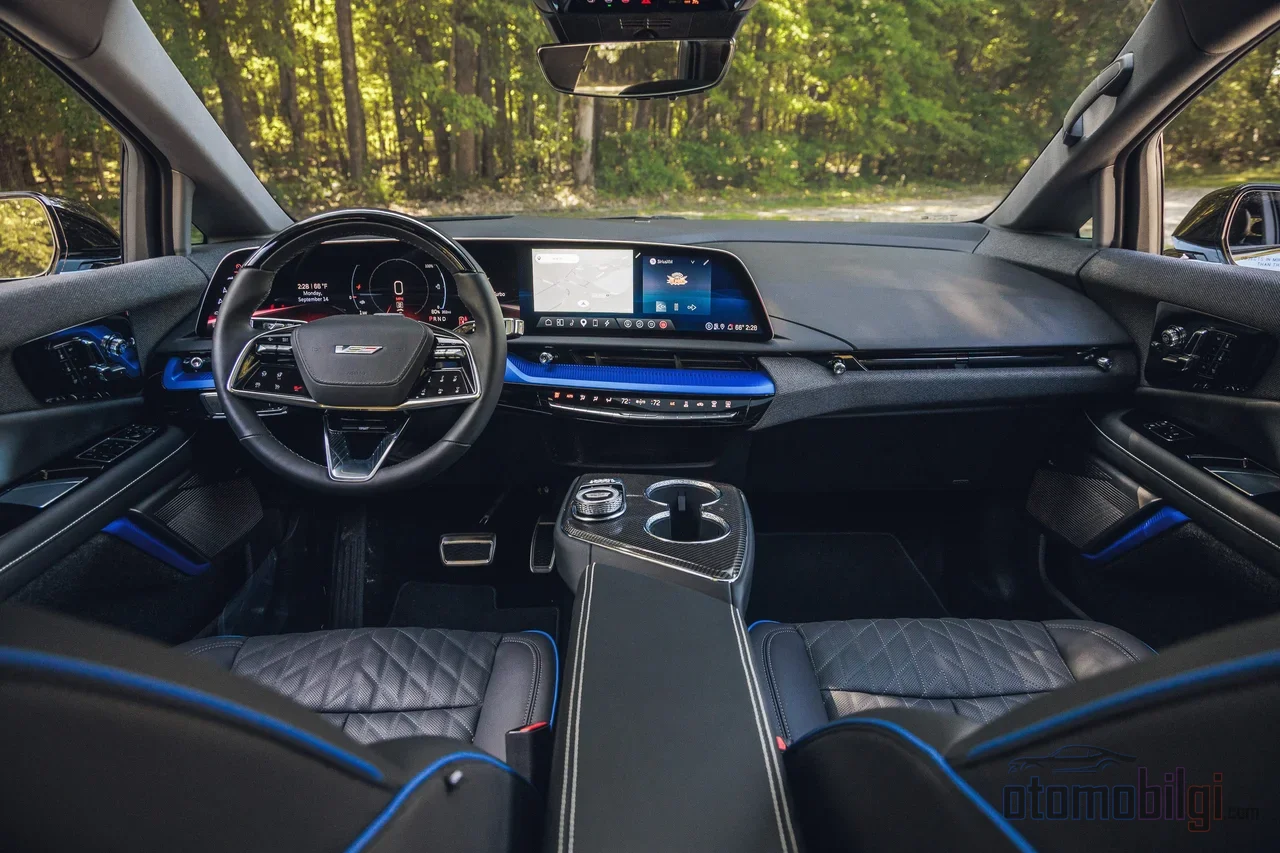
Detail frames are the listing's capital of trust. Photograph each wheel separately; the tire tread depth and brand should be readable, and new tires are a concrete plus in most buyers' eyes. If there are cracks or stone chips on the headlights and taillights, show those too - showing instead of hiding is more profitable in every case, for the reasons I will mention below. In the interior, give the entire dashboard in a single frame: steering wheel, multimedia, gear shift and odometer should be in the same frame. Photograph the front and rear seats without hiding wear or cigarette burns, and shoot the trunk including the spare tire. The photo of the odometer must match the mileage in the listing text exactly; even the smallest discrepancy becomes a huge question mark in the buyer's mind. Leaving two or three doors open in interior shots lets light in; shooting details against the sun kills the frame.
Regarding the number of photos, the market has converged on a common denominator. Listings with only three or four frames no longer inspire confidence; a full gallery 15-25 should consist of around frames, and you should not go below at least 10-15 images. Arrange the order as follows: cover (front-quarter), exterior set, general interior views, details, flaws, and finally extras - sunroof, special wheels, package equipment. Make it clear that it is the same car on all the platforms where you use the same set; consistency also creates trust. It is also worth knowing the platform rules: the number of photos that can be uploaded varies by category and different images are required for each listing; opening a second listing with the same images falls under duplicate listing penalties.
Why Does Hiding Flaws Make the Sale Harder?
There is no emotional advice here, but a legal reality. A seller who conceals defects not only loses the buyer's trust; it also weakens their case in court. The 13th Civil Chamber of the Court of Cassation has ruled that a seller who conceals the defects of a heavily damaged vehicle is liable for compensation. In case of a defect or encumbrance, the buyer can request the termination of the contract and a refund of the price. One note: not every malfunction that appears after the sale automatically makes the seller liable; the defect must have existed at the time of sale - but if you have already shown it in the listing photos, the debate never even starts.
The practical side is this: transparent listings close faster and with less haggling. When you hide a defect, the buyer who comes along develops a "what else is there?" suspicion, and that suspicion extends to the vehicle's entire value. Adding the damage record and, if available, the inspection report to the photos is the most honest and most effective marketing move in this business. The sentence "The mileage is absolutely original, anyone who wishes can have it verified wherever they like; here is the damage record and so on" is not a dry answer, it is the very sale itself.
Listing Text: How to Write a Description That Leaves No Question Marks?
Once the photo set is done, the job falls to the text. The formula for a good listing description is not complicated: the right category, a clear title, and a narrative that leaves no room for question marks. The text must contain the following information in full:
- Brand, model and year of manufacture, along with the trim package (package names like Joy, Style, Elegance are decisive in the buyer's search)
- Mileage - it should look consistent with the vehicle's age and type of use; suspiciously low mileage undermines trust
- Engine displacement and fuel type
- Maintenance history and damage record (including the damage payout amount, stated openly)
- Aftermarket equipment and software - declaring these is a must; they can be a plus or a minus depending on the buyer
- Sale terms: is there a trade-in, who are you working with, how will payment be made
In the old days, listing texts were full of clichés like "one careful owner, family car, burns little fuel"; now the buyer skips the very line where they read those sentences. Instead, give concrete information: which service center it was maintained at, when the tires were replaced, what is in the registration record. This dry and measured tone is the one that inspires the most trust among listings full of exaggerated adjectives. It is now the common advice of every platform that a seller who clearly states the mileage, maintenance history and damage record wins the buyer's trust more easily.
In 2026, What Does the Buyer Look at First in Your Listing?
The buyer profile has changed. Today's used-car buyer is far more informed, selective and data-driven; they no longer just look at the photos. What they review first in a listing is, roughly, in this order: price-to-mileage consistency, damage and inspection records, interior condition and photo quality. The era of "any car will sell" is over; in this market, where financing conditions have improved, buyers behave rationally, and listing quality is one of the main factors that directly affect sales speed. In a picture where used-car sales maintain their volume while new-car sales continue to decline, a well-presented listing stands out more easily from the crowd.
On the regulatory side too, the seller needs to be knowledgeable: those listing above the list price face serious administrative fines, and conducting second-hand sale transactions via e-Government is on the agenda. In short, a listing is no longer just a shop window, but a sales channel with clear rules and established habits. Take the photos correctly, write the description honestly, show the flaws; this trio is the recipe that has not changed in thirty years and never will. The rest is a matter of negotiating the price, and that is a topic for another article.
Sources
- Professional Guide to Taking Photos for Used Car Listings - ViaCars
- Guide to AI-Powered Professional Car Photography - Car Studio AI
- What Are Tips for Posting a Listing? - sahibinden.com Help
- Frequently Asked Questions About Publishing Listings - sahibinden.com Help
- How to Post a Listing on arabam.com? - arabam.com Blog
- How to Write a Description for a Sales Listing? - ViaCars
- 20 Points to Consider in a Used Car Listing - mobile.tr
- Court of Cassation Shocks Person Selling Severely Damaged Vehicle - Uğur Law Office
- Seller's Liability for Defects in Used Car Sales - Aka Law
- Guide to Increasing Your Car's Sale Value | 2026 - Otomerkezi
- The 'Any Car Can Sell' Era Is Over in the Used Car Market - Bigpara/Hürriyet
- Pay Attention to Vehicle Photos and Listing Language - Varmı Arttıran