Otomobilgi.comOtomobilgi.com
  • Türkçe
  • English
  • Deutsch
  • Français
  • Italiano
  • Español
  • Português
  • Polski
  • Magyar
  • Azərbaycanca
  • Bahasa Indonesia
  • Русский
  • 中文
  • 日本語
  • 한국어
  • हिन्दी
  • বাংলা
  • العربية
  • فارسی
  • Türkçe
  • English
  • Deutsch
  • Français
  • Italiano
  • Español
  • Português
  • Polski
  • Magyar
  • Azərbaycanca
  • Bahasa Indonesia
  • Русский
  • 中文
  • 日本語
  • 한국어
  • हिन्दी
  • বাংলা
  • العربية
  • فارسی
  • HOME PAGE
  • NEWS
    Turkish Automotive Industry News
    Global Automotive Industry News
    Turkish Motorsports News
    Global Motorsports News
  • INTERNAL COMBUSTION
    Internal Combustion Models
    Internal Combustion Engine Technologies
    Fuel and Consumption
    Emission and Environment
    Internal Combustion Ownership
    History of the Internal Combustion Automobile
  • ELECTRIC
    Electric Models
    Electric Car Technologies
    Charging and Infrastructure
    Battery Technology
    Range and Consumption
    Electric Vehicle Ownership
    History of the Electric Car
  • HYBRID
    Hybrid Models
    Hybrid Systems
    Battery and Charging
    Consumption and Efficiency
    Hybrid Ownership
    History of Hybrid Cars
  • TECHNOLOGY
    Driver Assistance Systems
    Safety Technologies
    Lighting and Visibility Technologies
    Infotainment and Connectivity
    Autonomous Driving and Artificial Intelligence
    Future Technologies
  • GUIDES
    Buying Guides
    Sales Guides
    Maintenance and Use
    Ownership and Costs
    Tires and Wheels
    Insurance and Inspection
  • HISTORY & CULTURE
    Automobile History
    Iconic Models
    Classics and Collections
    Türkiye's Automobile Journey
    Automobile Design
    Cars and Popular Culture
  • MOTORSPORT
    Formula 1
    Rallying (WRC)
    Rallycross
    MotoGP
    Formula 2 & Formula 3
    Karting
    24 Hours of Le Mans
    WEC
    NASCAR
    IndyCar
    DTM
    GT Races
    Drift
    Drag Races
  • Türkçe
  • English
  • Deutsch
  • Français
  • Italiano
  • Español
  • Português
  • Polski
  • Magyar
  • Azərbaycanca
  • Bahasa Indonesia
  • Русский
  • 中文
  • 日本語
  • 한국어
  • हिन्दी
  • বাংলা
  • العربية
  • فارسی
  • Türkçe
  • English
  • Deutsch
  • Français
  • Italiano
  • Español
  • Português
  • Polski
  • Magyar
  • Azərbaycanca
  • Bahasa Indonesia
  • Русский
  • 中文
  • 日本語
  • 한국어
  • हिन्दी
  • বাংলা
  • العربية
  • فارسی
  1. HOME PAGE
  2. ELECTRIC
  3. Battery Technology

Battery Technology

Share This Page

A battery's strength lies not in its cells, but in the silent intelligence that monitors every cell second by second and cuts the circuit when necessary.
The Invisible Brain of the Battery: What Does the BMS Do?
Deniz Erkan17 October 2026

BMS, or battery management system, is the electronic control layer that monitors, protects, and estimates the condition of each individual cell in an electric vehicle battery; it measures cell voltages and temperatures, balances cells against each ot…

Read More
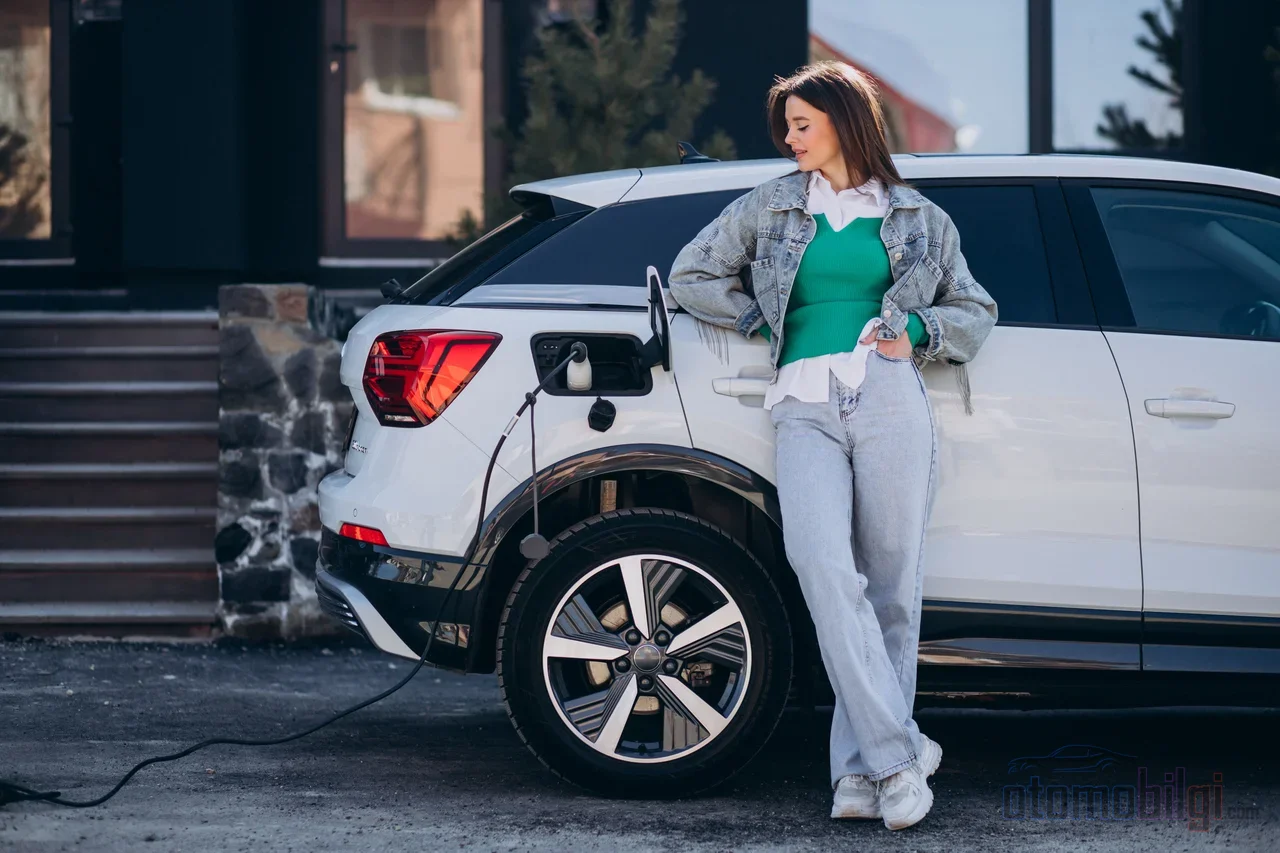
At 38 degrees of heat, an electric vehicle's range can drop by about 17-18 percent, and this loss is irreversible.
How Does Hot Weather Age an EV Battery?
Deniz Erkan17 October 2026

Hot weather ages an electric vehicle battery through its fundamental chemistry: prolonged exposure above 30 °C accelerates unwanted side reactions inside the cells, and these reactions lead irreversibly to capacity loss and increased internal resista…

Read More
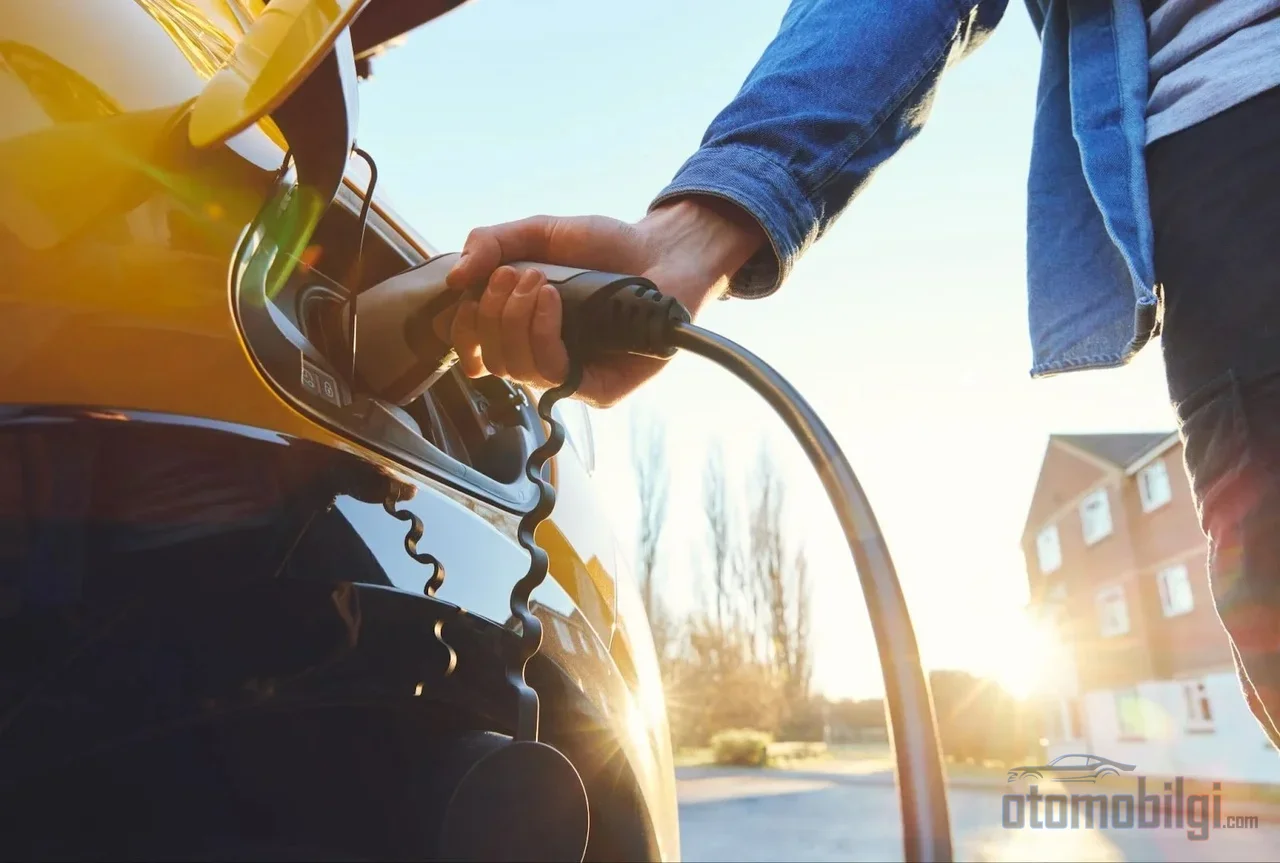
Contrary to fears, the damage fast charging causes to the battery is marginal; the real silent killer is not the current, but unmanaged heat.
Does Fast Charging Damage the Battery?
Deniz Erkan16 October 2026

Fast charging wears modern lithium-ion batteries far less over their lifetime than commonly believed; the damage is not entirely absent, but it depends on conditions. In controlled tests, degradation in vehicles charged only via fast charging was mea…

Read More
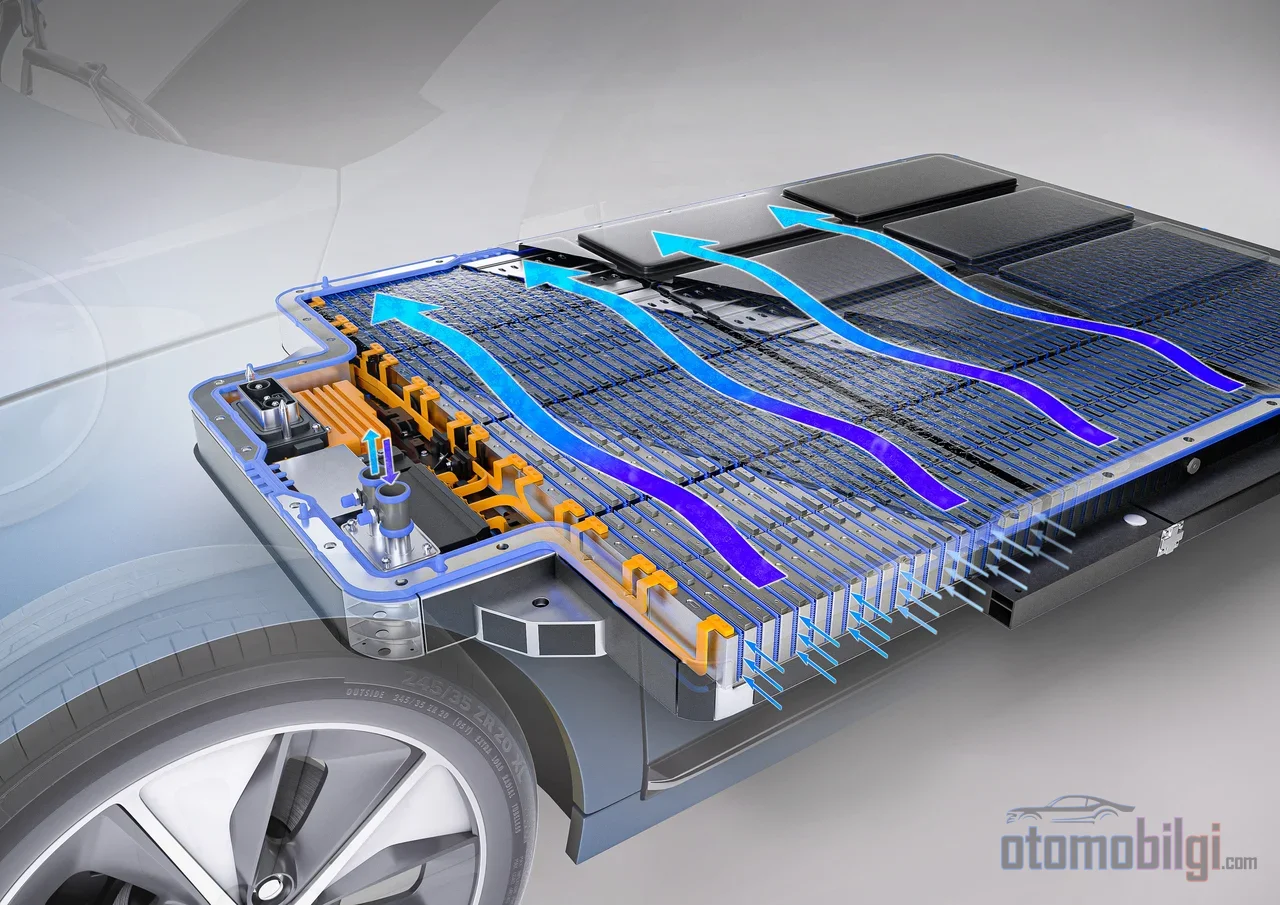
The quiet hero of modern electric vehicles is liquid cooling; by keeping lithium-ion cells within the 20-40°C range, it makes fast charging possible.
Technologies That Keep EV Batteries Cool: Cooling Systems
Deniz Erkan15 October 2026

A cooling system in an electric vehicle battery is a thermal management architecture that typically keeps lithium-ion cells in the 20–40°C range, extending their lifespan, enabling fast charging, and reducing the risk of thermal runaway; while air co…

Read More

Fleet data shows that electric vehicle batteries lose only 2.3% of their capacity per year, still retaining 81.6% of their power after 8 years.
How Many Years Does an EV Battery Last? Behind the Scenes of Degradation
Deniz Erkan15 October 2026

Current electric vehicle batteries typically serve 10-15 years ; fleet data shows an average annual capacity loss of 2.3% and an average remaining capacity of 81.6% at the end of 8 years. This loss is no accident: measurable mechanisms are at work in…

Read More
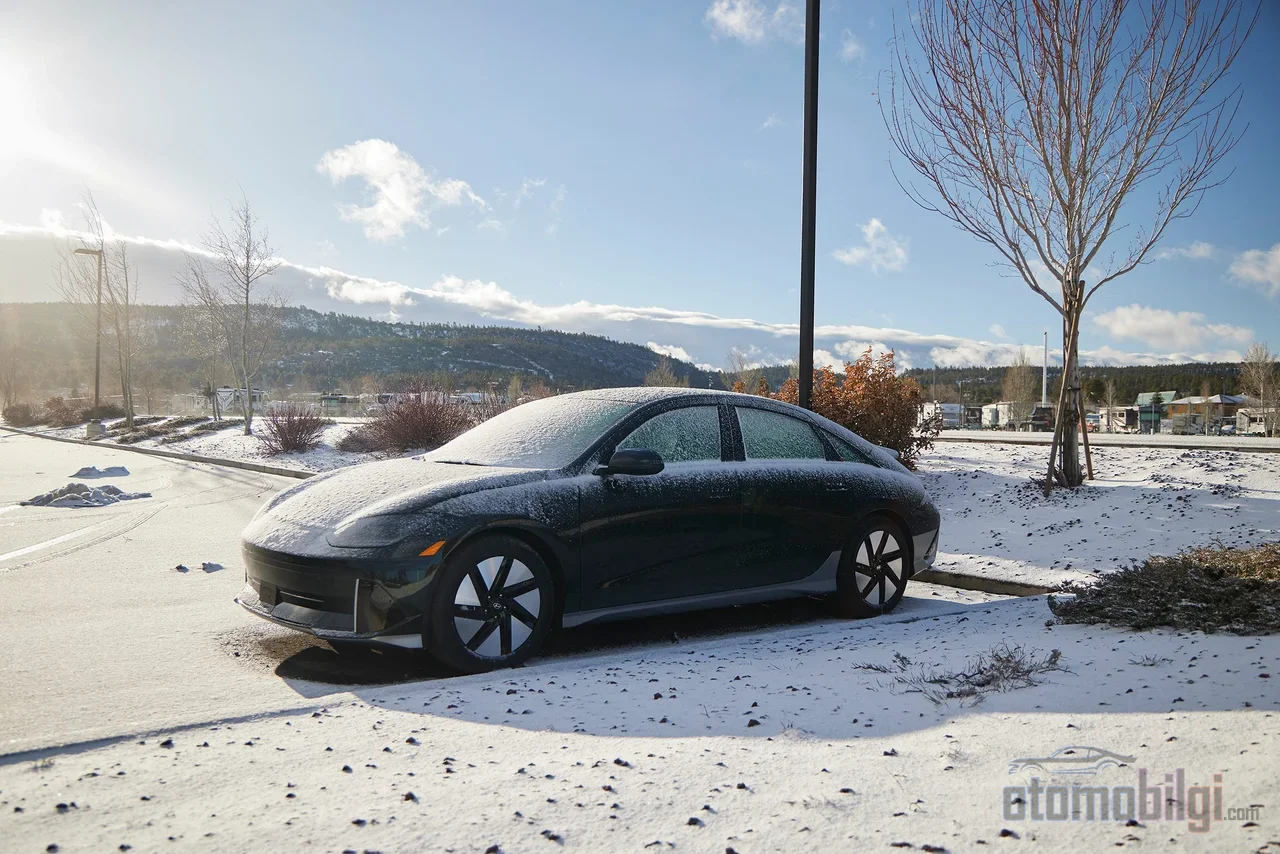
Cold doesn't cause permanent damage to your battery; the real danger is charging a frozen battery under the wrong conditions.
Why Does Range Drop in Winter? The Effect of Cold Weather on EV Batteries
Deniz Erkan14 October 2026

The main reason range drops in winter is that the electrochemical reactions in the lithium-ion battery slow down in the cold and cabin heating draws its energy directly from the battery. When the temperature falls to around 4 °C, range decreases by a…

Read More
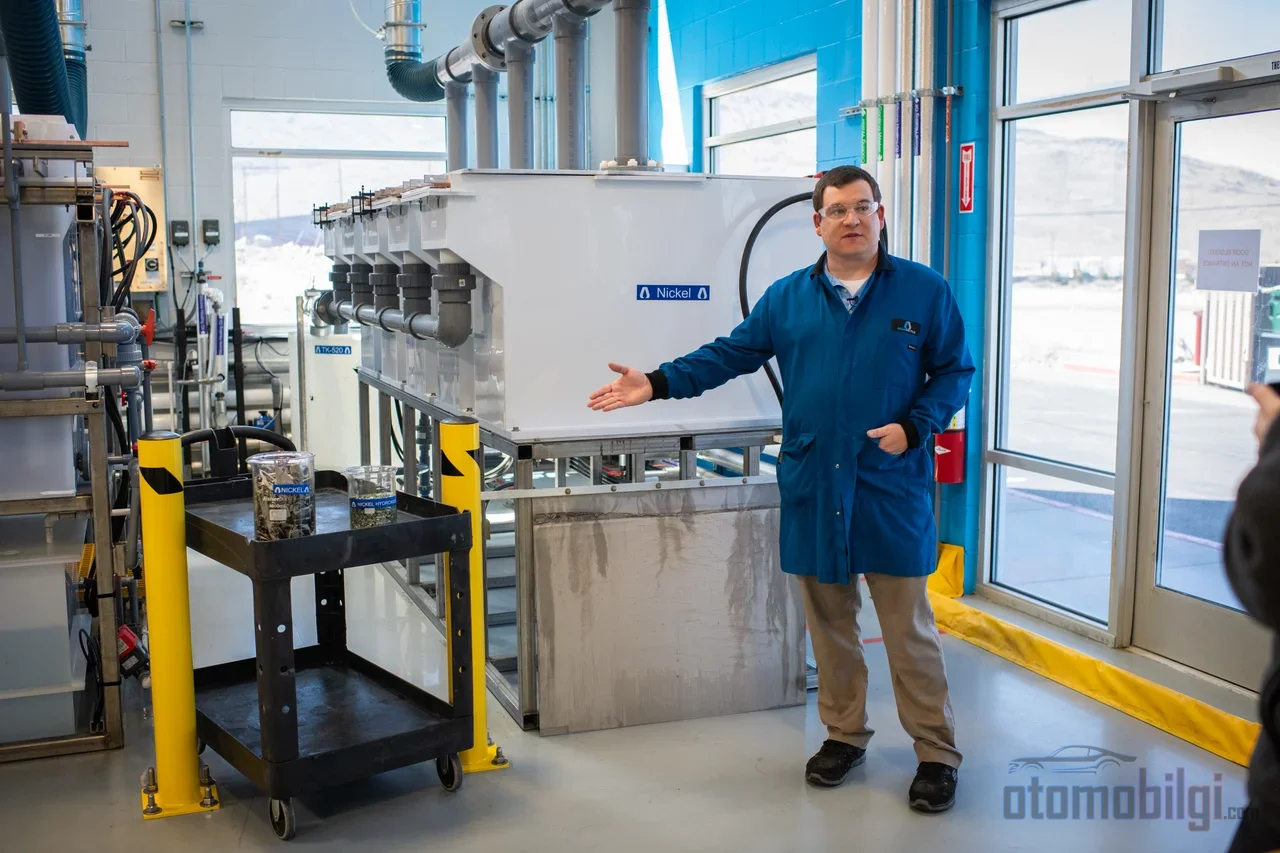
A battery from an electric vehicle that has reached the end of its life is not waste, but a high-value ore whose lithium, nickel, and cobalt are recovered anew.
How Does Battery Recycling Really Work?
Deniz Erkan13 October 2026

An electric vehicle battery that has reached the end of its service life is retired when it falls to roughly 70-80% of the vehicle's capacity: the reduced range makes long-distance driving practically impossible. But this battery's story does not end…

Read More
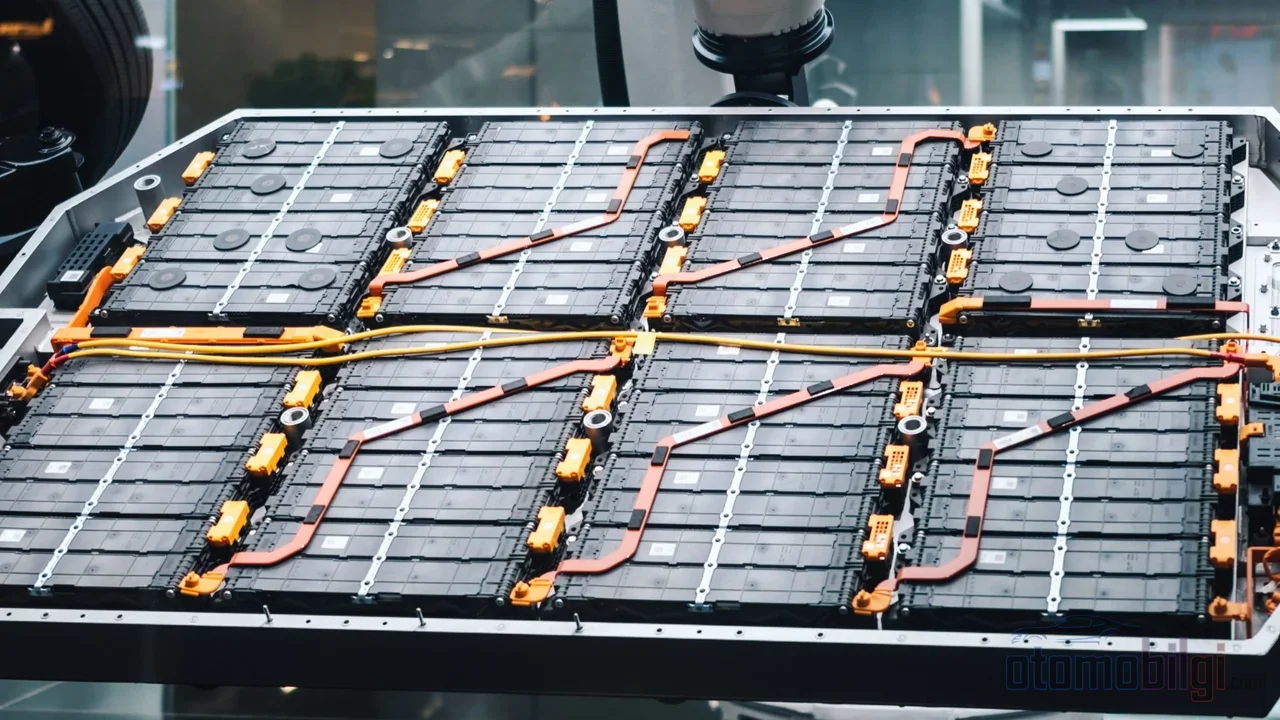
Transitioning from cells to packages increases volume utilization by 15-50 percent by skipping the module layer, but makes a single cell irreparable.
Are Modules Dead? The Internal Structure of EV Batteries from Cell to Pack
Deniz Erkan12 October 2026

Yes, modules are on their way out in electric vehicle batteries: The transition from the cell–module–pack architecture to cell-to-pack (CTP) design skips the intermediate module layer, delivering an increase in volume utilization of up to 15-50%, a r…

Read More
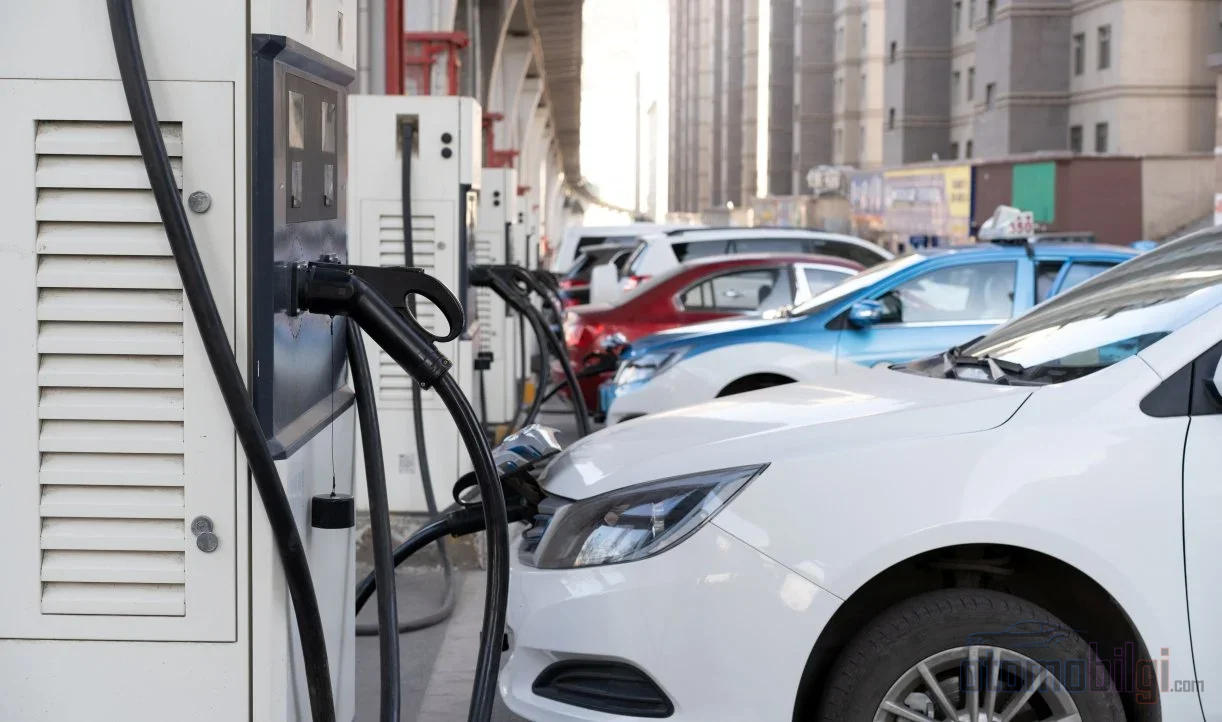
An EV battery that has reached the end of its life in a car begins a second life at solar power plants, retaining 70-80 percent of its capacity for years.
What Happens When an EV Battery Is Removed from the Car?
Deniz Erkan12 October 2026

An EV battery whose range has visibly declined doesn't go to the trash: when it reaches the end of its life in the vehicle, most packs still hold energy equal to 70–80% of their original capacity. That level is insufficient for the vehicle but more t…

Read More
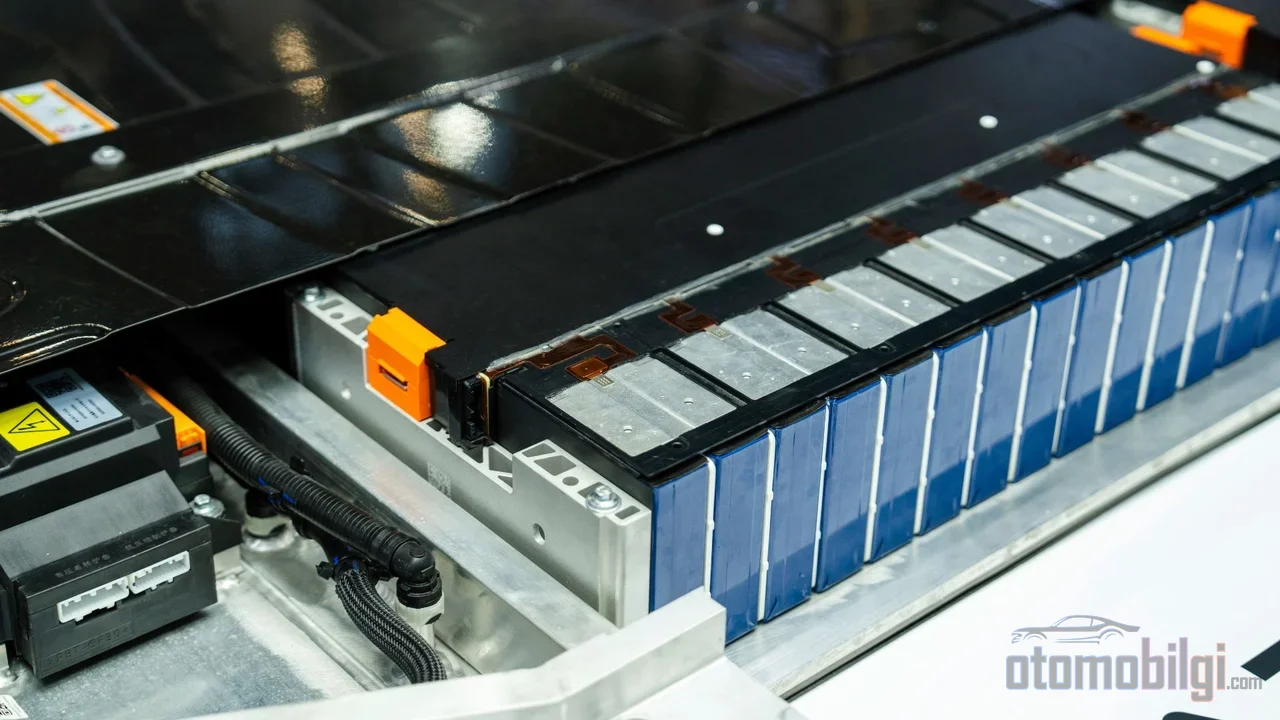
While sodium-ion batteries roll off the production line today, solid-state batteries are shaping the next decade in pursuit of radically solving the flammable electrolyte problem.
The Next Decade of Batteries with Solid-State and Sodium-Ion
Deniz Erkan11 October 2026

Solid-state batteries aim to eliminate the two fundamental weaknesses of lithium-ion - the flammable electrolyte and limited energy density - by replacing the liquid electrolyte with a solid ionic conductor; sodium-ion, on the other hand, uses abunda…

Read More
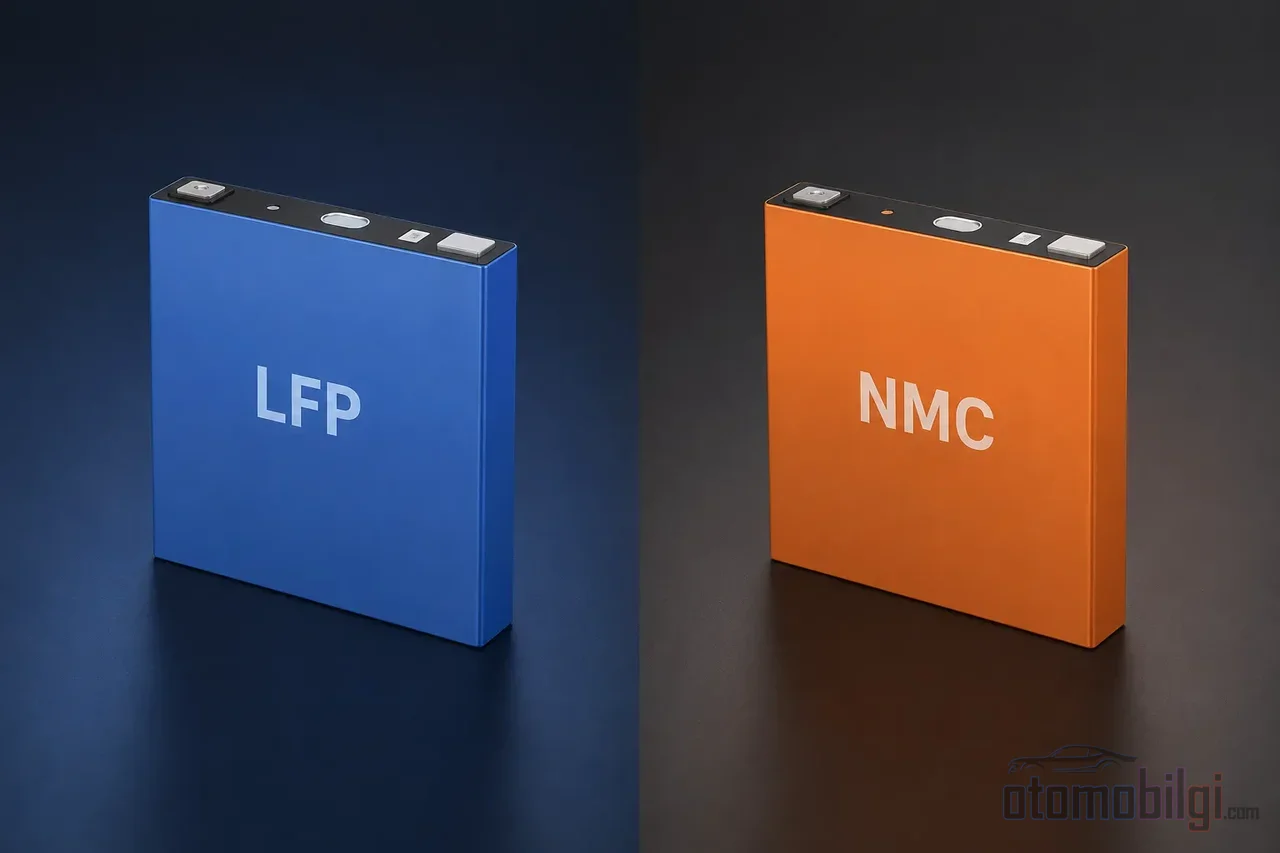
Comparison of NMC and LFP chemistries in electric vehicle batteries in terms of energy density, lifespan, and cost
NMC or LFP? A Guide to Electric Vehicle Battery Chemistries
Deniz Erkan11 October 2026

The short answer to "NMC or LFP?": If long range, high energy density and cold weather performance are your priorities, NMC; if lifespan, safety, charging flexibility and cost are your priorities, LFP is the more correct choice. Both chemistries come…

Read More
  • Previous
  • 1
  • 2

Category Editor

Deniz Erkan

Deniz Erkan

One of the most important habits my profession as a mechanical engineer has given me is looking not only at a system's outcome, but also at how and why it works. My interest in automobiles is also fueled by this perspective. For me, a car is not just design, performance, or comfort; it is a holistic system where mechanics, electronics, software, and engineering come together.

Over time, I combined my engineering background with software development. The intersection of these two fields has allowed me to look at modern automobiles from a more integrated perspective. I follow the world of automobiles, from engines and suspension to driver assistance systems and software technologies, through the eyes of both an engineer and a car enthusiast.

My aim at Otomobilgi.com is to explain technical subjects in a language that preserves engineering accuracy and keeps curiosity about cars alive, without drowning them in unnecessary complexity. Because for me, a good car is not merely beautiful or fast; it is a special work that conveys design, technology, and driving character as a whole.

Follow Us on Social Media

Share This Page

Follow Us on Social Media

  • About Us
  • KVKK Disclosure Statement
  • Privacy Policy
  • Contact
Otomobilgi.com
INDEPENDENT AUTOMOBILE CULTURE PLATFORM
Powered by Virgo CMS