Maintenance and Use
Share This Page
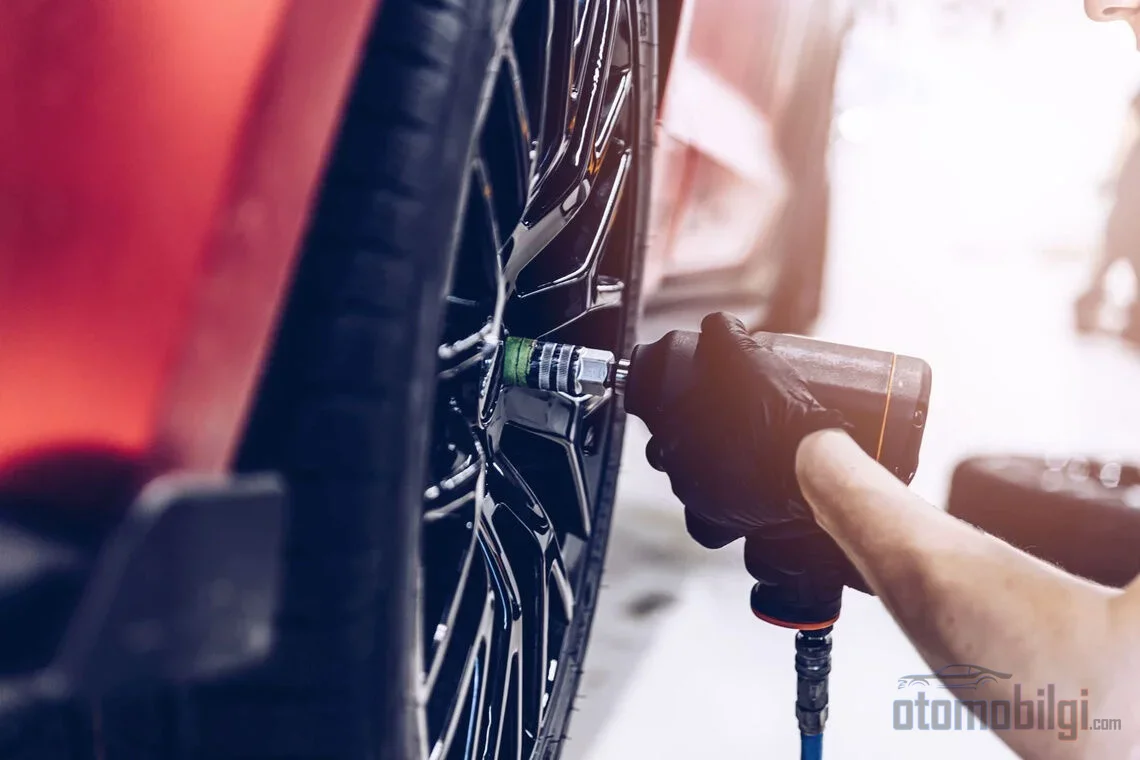
What Does Tire Rotation Do, and How Deep Should the Tread Be?
Tire rotation is the practice of changing the positions of the four tires at regular intervals to equalize their wear; as a rule, it is done every 8,000–13,000 km or every 6 months, whichever comes first. As for tread depth, the legal minimum is 1.6 …
Read More
Summer Preparation: Things That Strain and Protect Your Car in the Heat
Hot weather puts a car through a tougher test than winter. The cooling system works under extra load, battery electrolyte evaporates, tire pressure rises, and fuel tries to trap itself in the tank. That's why summer preparation calls for a different …
Read More
Habits That Wear Out Your Car Early
Habits that wear your car down early are rarely deliberate bad driving; they're small behaviors repeated unknowingly, like revving a cold engine high, holding the clutch half-pressed, forcing the steering wheel at full lock, braking into potholes, an…
Read More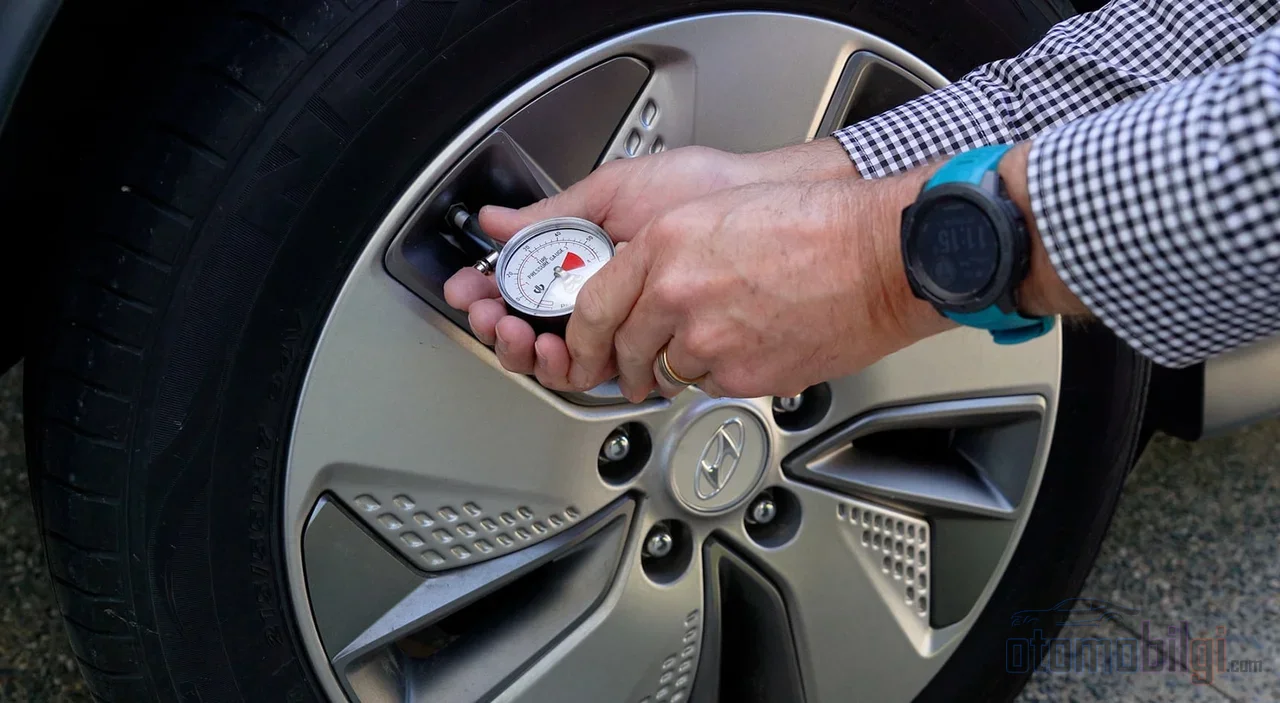
7 Things to Check on Your Vehicle Before a Long Trip
Before setting off on a long journey, you need to check seven points on your vehicle: tire condition and spare tire, fluid levels, brake response, battery and electrical system, wipers and washer fluid, lighting, and balanced load placement. All of t…
Read More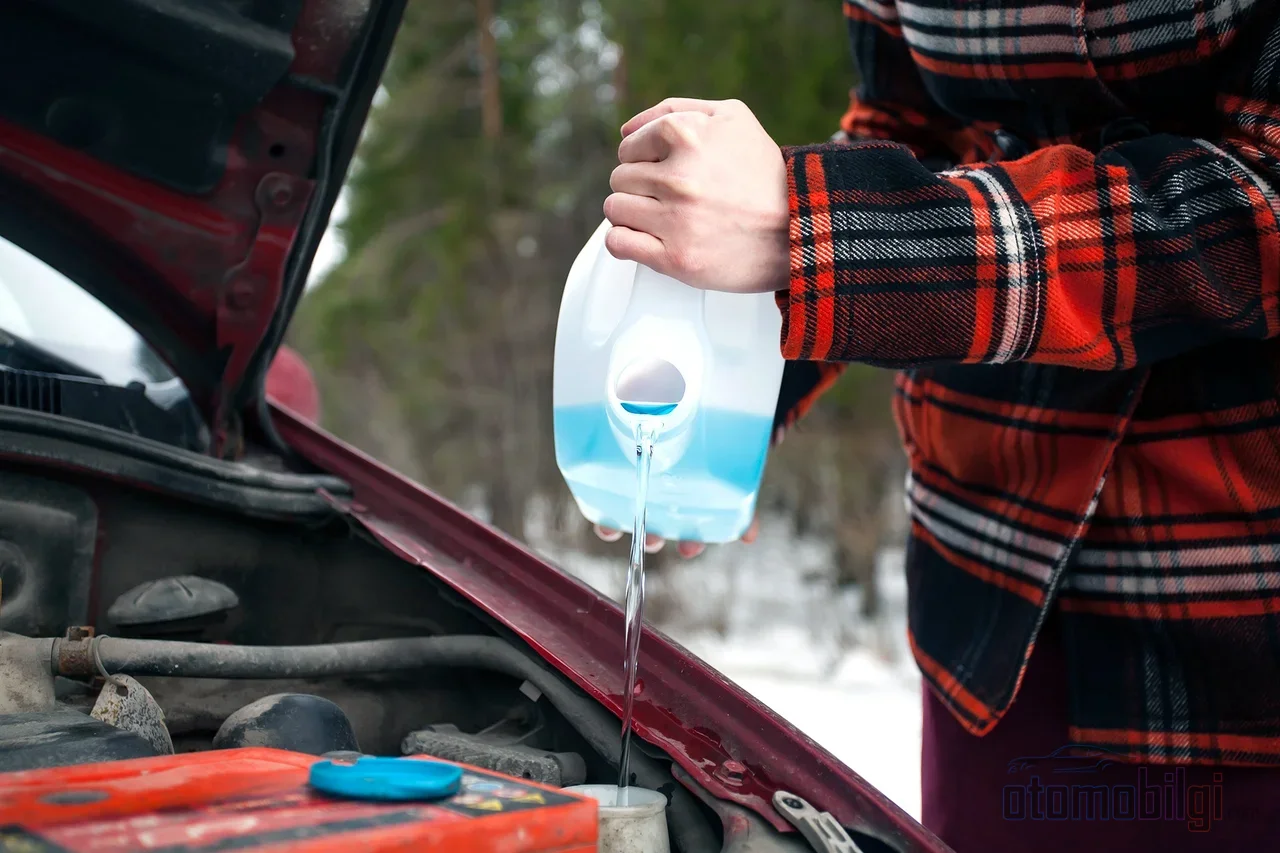
Winter-Ready Car: Checklist Before the First Start in Cold Weather
A winter-ready car is defined by a series of checks performed on the battery, tires, antifreeze, washer fluid, and door seals before the cold weather arrives. Sub-zero temperatures expose a vehicle's weakest links; an hour of careful inspection at th…
Read More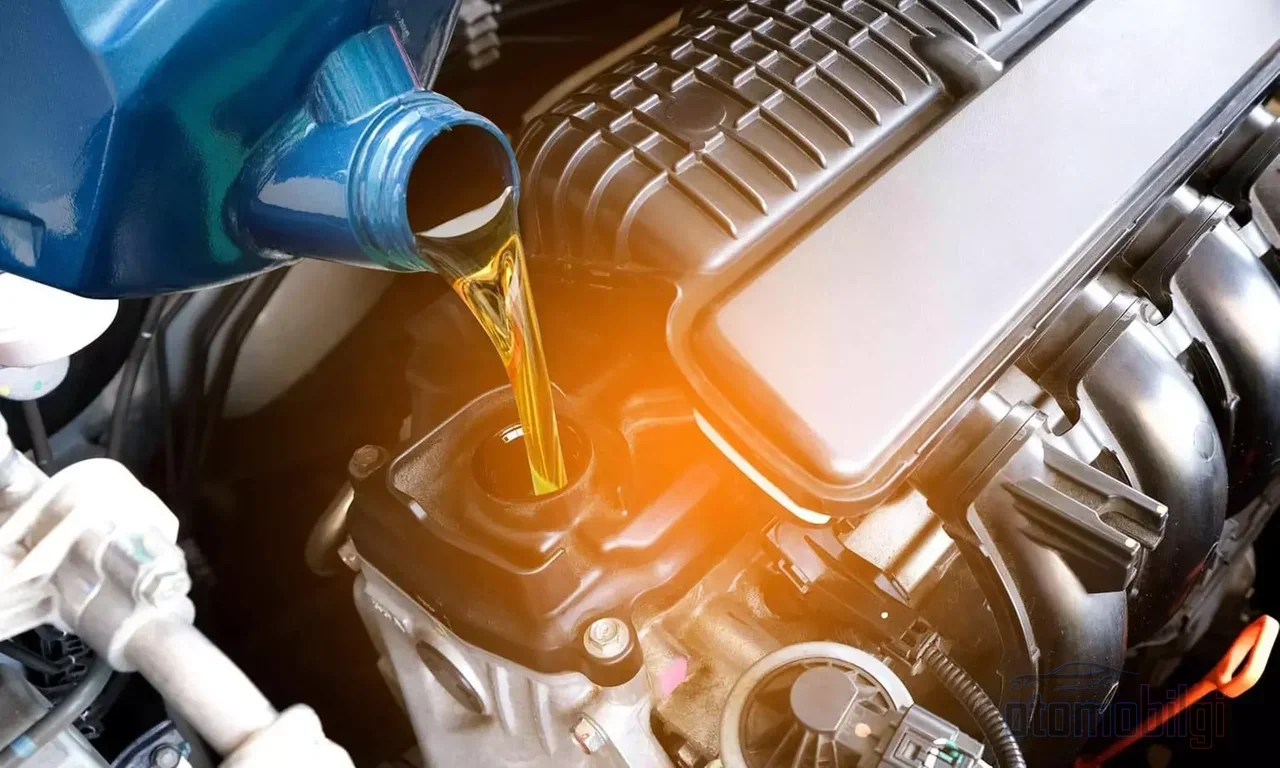
When Should You Change Your Engine Oil? Mileage Limits and Myths
There is no single correct answer to the question of when engine oil should be changed; the correct interval is determined by the type of oil you use, your vehicle's operating conditions, and the manufacturer's maintenance schedule. With mineral oil,…
Read More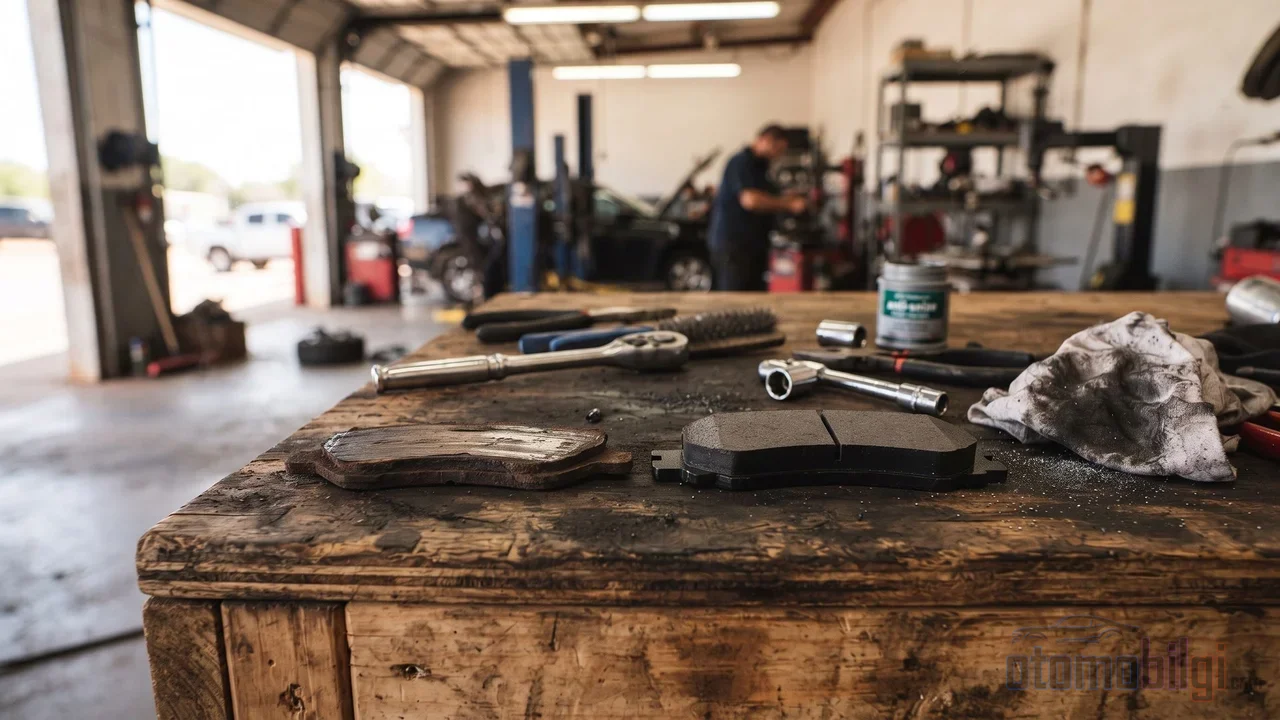
Signs Your Car Gives Before the Brake Pads Wear Out
The clearest sign that your brake pads are wearing down isn't a warning lamp on the dashboard or a digital screen at the garage; it's the vehicle's own behavior. Squeaking, a soft or vibrating pedal, a noticeably longer braking distance, and the thin…
Read More
Why Should Tire Pressure Be Checked Once a Month?
Tire pressure should be checked once a month, because losses caused by air temperature and use quietly accumulate: a mere 1 PSI average shortfall reduces fuel economy by about 0.2% extends braking distance and shortens tire life. Since the TPMS warni…
Read More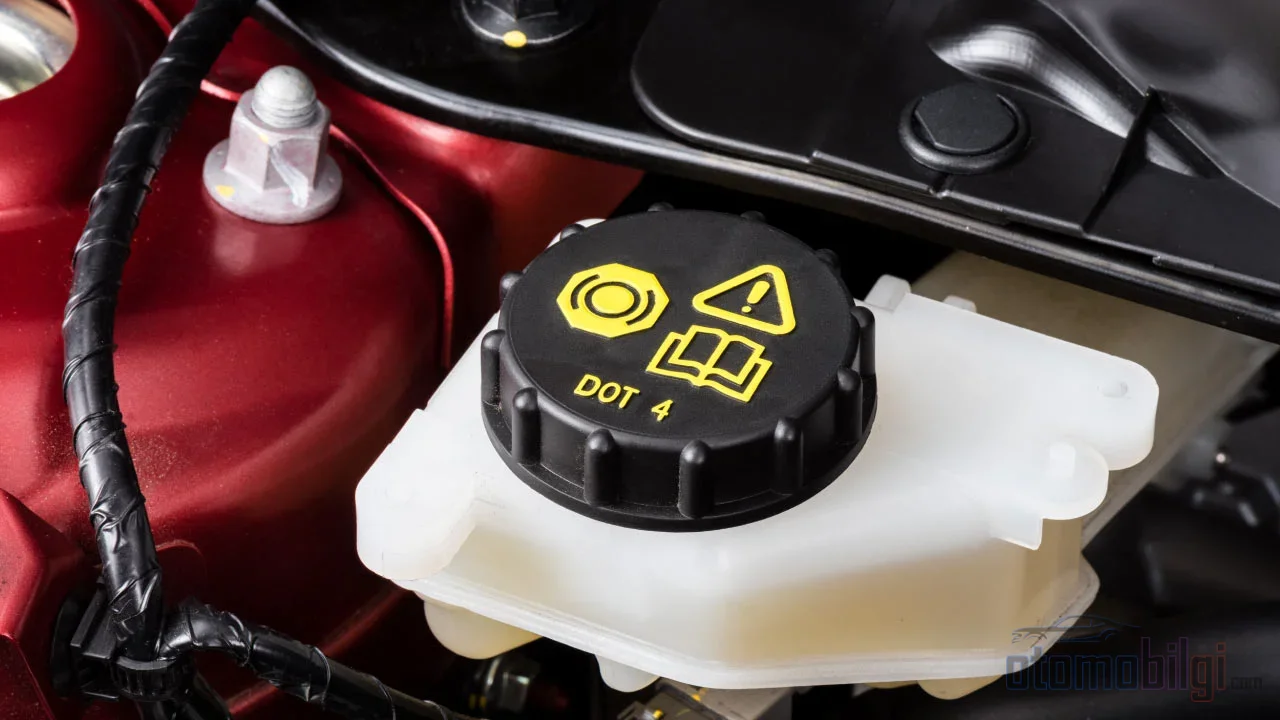
From Brake Fluid to Coolant: What Should Be Replaced in Your Car, and When?
The fluids in a car are not managed on a single schedule: engine oil is typically renewed every 8,000-16,000 km, brake fluid every 24 months, coolant every 2-5 years, and transmission oil at intervals that vary from vehicle to vehicle. The primary re…
Read More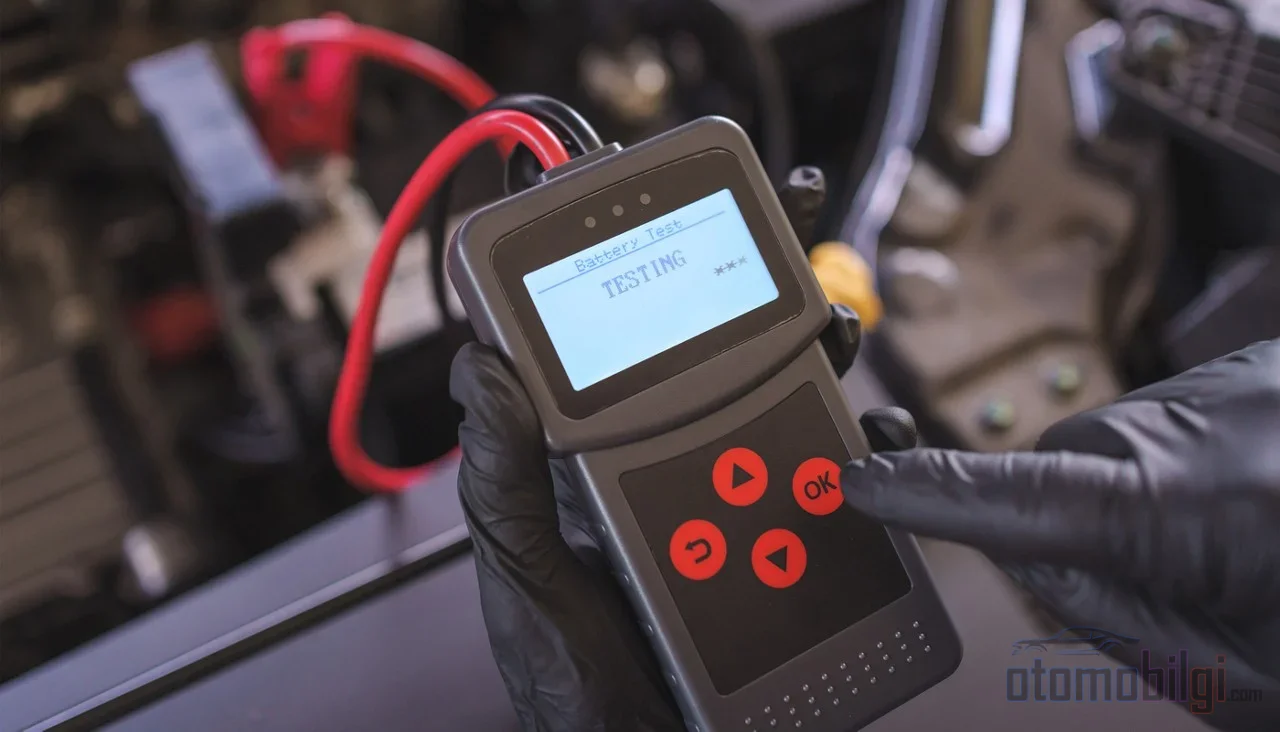
How Long Does a Car Battery Last? Signs of Weakening and Maintenance
A 12-volt car battery lasts on average 3 to 5 years ; a lead-acid battery only exceeds this range with proper use and regular maintenance. What really wears a battery down is not age, but short-distance driving, leaving the car parked for long period…
Read More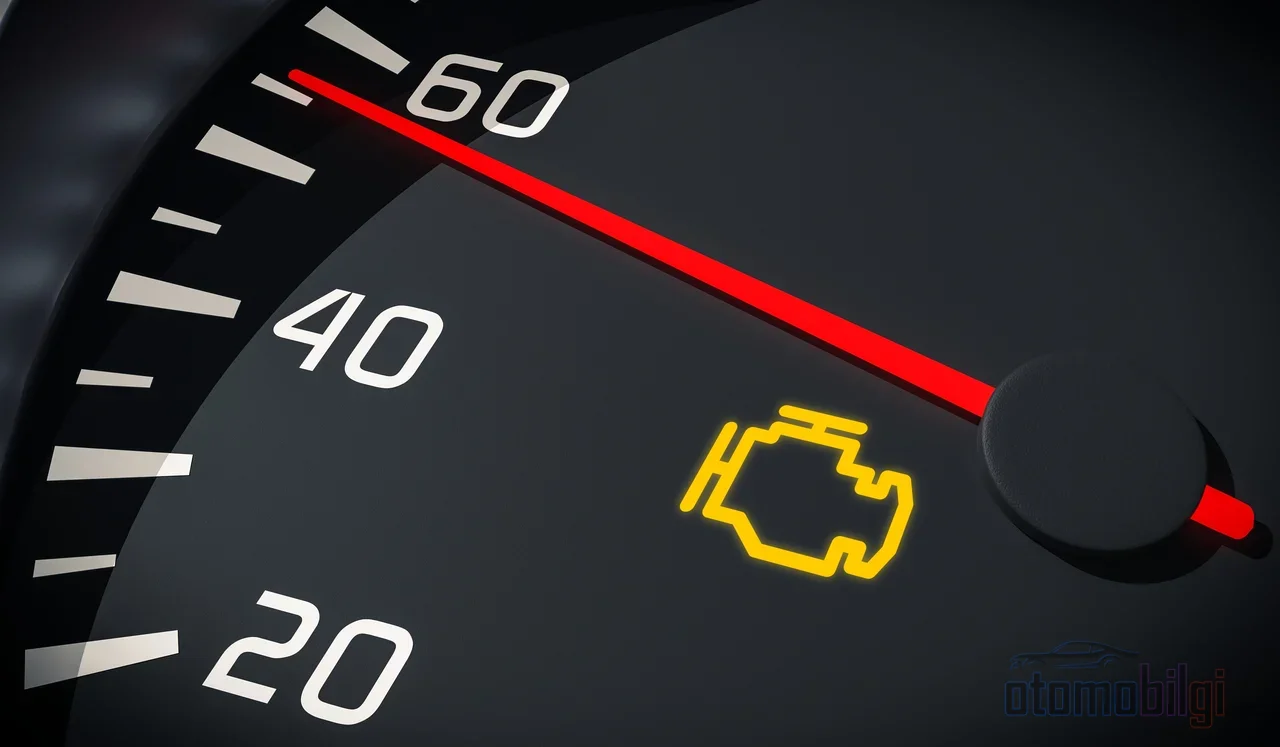
Dashboard Warning Lights: Which Alert Is Urgent, and Which Can Wait?
The warning lights on the dashboard work with a simple color logic: a red light means immediate action, a yellow light means getting it checked soon, and a green light indicates the system is working normally. A lit red light means the vehicle must b…
Read More