12 Steps to Avoid Being Scammed When Selling Your Car
Share This Page
When selling your car, you need to learn to receive payment through the Secure Payment System, complete the transfer at the notary, and hand over the vehicle only as soon as you see the money in the escrow account. The twelve-step list below brings together the entire process, from ad preparation to handover, in a single checklist from the seller's perspective.
Highlights
- As of September 27, 2024, using the Secure Payment System is mandatory for second-hand vehicle sales.
- The sale price is first held in the escrow account of the Union of Turkish Notaries; once the registration is completed, it is transferred to the seller.
- With FAST, the Secure Payment upper limit is 5 million TL; amounts exceeding it can be paid in installments under the same reference.
- The bank's 2026 service fee is, as an example, 243.84 TL; it is deducted from the sale price.
- A common practice for the deposit is an amount in the range of 2-5% of the vehicle's price.
Pre-sale preparation: Price, cleaning, and paperwork
I have been in this business for over thirty years; the most common mistake made by someone who decides to sell their car is publishing the ad with the phone in hand and then trying to wing it. Yet half of the sales process is over before the first buyer call arrives. The first three steps below belong precisely to this preparation period.
1. Set the price realistically
The right price is the seller's best line of defense. A seller who sets the price far above the market either gets no calls at all or only talks to cash buyers who want to take advantage of you. You can check current market sale prices on the vehicle valuation pages of second-hand platforms, and get an estimate from automatic valuation systems based on make, model, and year. The healthiest approach is to compare the ranges given by several sources and position your car based on its mileage, equipment, and condition.
2. Turn the car into a showroom piece
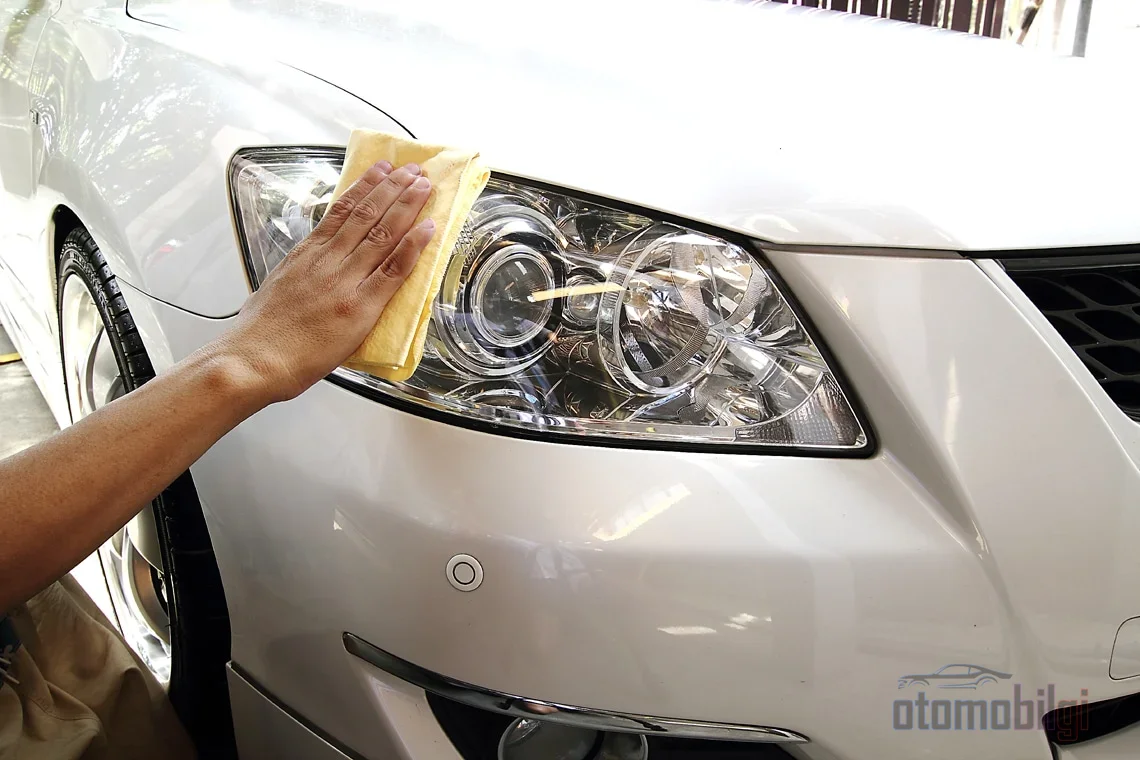
Photos are the car's storefront; if the storefront is dirty, both perception and price drop. Before taking photos, have the car detailed inside and out, and have minor cosmetic repairs fixed. Proper lighting and a plain background significantly affect how quickly the ad gets noticed. Full-frame shots from the front, rear, and both sides; the dashboard, trunk, and seat details are a must-have set. An experienced eye solves the shortcuts in photos within minutes; the flaw you tried to hide comes back to you at a higher price at the bargaining table.
3. Complete the documents
For a sale at the notary, you need the registration certificate, ID, a current inspection certificate, and mandatory traffic insurance; an expert inspection report and a tax debt inquiry also speed up the process. Gathering these in advance and putting them in a folder clears the way for both you and the buyer on the day of the transaction.
Placing the ad and setting limits in negotiation with the buyer
4. Write the ad text honestly and clearly
In the text, clearly state the make, model, year, mileage, equipment, and maintenance history; if there is a damage record, do not hide it. Experience shows this: an ad whose questions are answered in advance attracts serious buyers; a vague ad, on the other hand, increases phone traffic. If you know the vehicle is heavily damaged, don't hide it; you can also have the notary record that you disclosed it. Transparency here is not merely a moral choice; it is insurance that protects you from trouble later on.
5. Set your minimum price before negotiating
The first question on the phone is almost always "what's your final price." Set your minimum before publishing the listing and stick to it; an indecisive seller at the table isn't negotiating - they're struggling with themselves. When a buyer comes to see the vehicle, do the test drive with them by your side, and don't hand over the key without taking ID information.
6. Choose your channel: Private sale, dealer, or trade-in?
Each of these three routes carries a different cost. The most obvious advantage of a private sale is the price potential; if you find the right buyer, you can go up to the upper limit of market value. Selling to a dealer is quick and effortless; it ends the phone and negotiation traffic; in return, the dealer adds a profit margin to resell the car, and a traded-in vehicle may be valued below its real worth. In short: if the best price is the goal, sell; if you want speed and convenience, a trade-in makes sense. Running both channels at the same time - listing it while also leaving it with a dealer, and going through whichever door yields results first - is also a common and reasonable strategy. In a trade-in, verify the other party's declarations and stay away from unrealistic prices; a trade-in contract is prepared at the notary, signed, and registered.
| Channel | Advantage | Point to watch out for |
|---|---|---|
| Private sale | High price potential | The seller manages payment security |
| Selling to a dealer | Fast, no negotiation traffic | Price comes out low due to profit margin |
| Trade-in | Practical, resolved in one go | The trade-in vehicle may be valued below its worth |
Payment security: From the deposit to handover, the riskiest part
Let me tell you as someone who has been through the trenches of this business: a seller's real test is not the listing; it's the moment they receive the payment. In the old days, taking cash by hand and extending the registration was enough; now the process has become formalized, and this is a change that works in the seller's favor, not against them. The steps below apply from the moment money starts being discussed.
7. Record the deposit properly, don't fall into a trap
The deposit can be taken in cash or by bank transfer; the amount must be documented. A common practice is an amount between 2-5% of the vehicle's price. It's also worth knowing the legal dimension: registered vehicle sales not done at a notary are considered invalid, and since the penalty clause is invalid in contracts made without observing official form, the refund of the deposit can come into question. Although the saying "whoever backs out loses the deposit" is widespread among the public, jurists argue that this clause only functions in contracts that comply with official form.
The real danger, however, is sending money while thinking you're receiving a deposit. Scammers approach with "I'll send the deposit, a message will come to your phone, approve it"; the message that arrives is actually a payment request asking you for money. Law enforcement units have also issued warnings about this method. If you are going to take a deposit, the money must arrive in your own account - under no circumstances do you approve payment from your phone.
8. Use the Secure Payment System
Here is how the system works: you create a sales record through the banking channel (branch, internet, or mobile banking); you enter the plate number, sale amount, the buyer's mobile number, and account. The buyer makes the payment with the reference number sent by SMS, and the amount is placed in an escrow (secured) account. The parties go to the notary and complete the transfer of registration with the reference number; once the registration is complete, the amount is automatically transferred to your account and the parties are informed by SMS. The sale proceeds do not go directly to you; they are first held in the escrow account; this eliminates the risk of "I paid but the car never came" or vice versa.
Practical details: you do not need to be a customer of the bank; any active, unblocked demand TL account at any bank is sufficient. It can be used for individual and corporate sales; it is not used for the sale of co-owned shares. Integration is available at all notaries. Since transactions can be initiated 24/7 via internet and mobile channels, weekend sales are also possible by visiting the on-duty notary. As of May 31, 2024, the system is integrated with FAST; the special upper limit for vehicles is 5 million TL, and for sales exceeding this, partial payment can be made with the same reference number. The transaction fee is deducted from the sale proceeds; for example, one bank's 2026 service fee is 243.84 TL and it is deducted from the seller from the sale amount. The transaction can be cancelled before the notary receipt is issued and the vehicle is registered in the buyer's name; if registration is not completed by the end of business hours on the business day following the application day, the application becomes invalid.
9. Weigh alternatives such as promissory notes and blocked checks correctly
Selling a vehicle with a promissory note is legal under the regulations and can also be done at a notary; it offers payment convenience but requires caution. If done with the wrong party, serious problems can arise; in cases where ownership must be retained and you must provide an aval guarantee, the risk is described as worse than being a guarantor. With a promissory note on a vehicle that has a lien on it, duplicate debt disputes can also arise. For high-value sales, recordable methods such as the Secure Payment System, bank transfer, or a blocked check are recommended; with a blocked check, the fee is deposited with the bank, a check annotated "pay to" is issued in the seller's name, and the buyer goes to the notary with the blocked check.
Notary transfer: Taking the final steps without errors
10. Plan the transaction sequence before going to the notary
The safest way is to complete all checks before going to the notary and set up the sequence correctly: first clarify how the money transfer will be made, then make an appointment with the notary. The notary drafts the sales contract, records the parties' information, and formalizes the registration; the essential transaction is the signing of the contract and the creation of the transfer record in the system. Rather than weekday crowds, sticking to your appointment time ensures the day ends with the transaction completed.
11. Check the payment down to the last cent
The critical rule is this: the sale price must be paid, to the penny, into a bank account registered in the name of the registered owner - that is, you. A payment to a different account, to a third party, or for a short amount opens the door to disputes that are hard to prove later on. Although the Safe Payment System performs this check itself, entering the account details with your own hands and keeping the SMS confirmations is still your responsibility. Since the transaction fee is charged upon registration, there is no need to close the fee issue before the registration takes place.
12. Make the delivery after the registration
The vehicle is only handed over, along with the keys and documents, after the money has been transferred to your account - that is, after the registration is complete. Keep the notary receipt, a copy of the sales contract, and the SMS notifications; they are the first-hand evidence for any dispute that may arise later. Make sure the buyer has been notified of the transfer of the insurance and inspection documents. As long as the process runs in writing and with records, today's version of this business - which used to end with a handshake on the doorstep - is a much safer arrangement for the seller.
The essence of the twelve steps is captured in a single sentence: at no stage go off the record. Set your price honestly, write your listing openly, put the deposit on record, receive the money from the escrow account, and finish the transfer at the notary. A seller who does not break this order eliminates almost every fraud method in this field from the start.
Sources
- Safe Payment System - Union of Turkish Notaries
- Safe Payment System | Ziraat Bank
- Selling a Used Car with the Safe Payment System | QNB
- Safe Payment System | Albaraka
- What Is the Safe Payment System at the Notary and How Does It Work?
- Used Vehicle Notary Sales Transactions
- How Is a Vehicle Sold at the Notary?
- Vehicle Transfer and Notary Procedures in a Car Sale
- How Much Should a Car Deposit Be?
- Deposit Refund: What Happens If the Buyer Backs Out?
- Refund of the Deposit Paid for a Vehicle Sale
- Deposit Fraud When Buying a Car Online
- Is Selling a Car by Promissory Note Safe?
- 6 Months-6,000 Km and Extension of the Listing Restriction in Used Car Sales | Ministry of Trade
- Is It Sensible to Sell Your Car to a Dealership?
- The Decision Point in a Vehicle Sale
- Ways to Stand Out with Photos in a Used Car Sale
- Vehicle Value Inquiry