Charging and Infrastructure
Share This Page
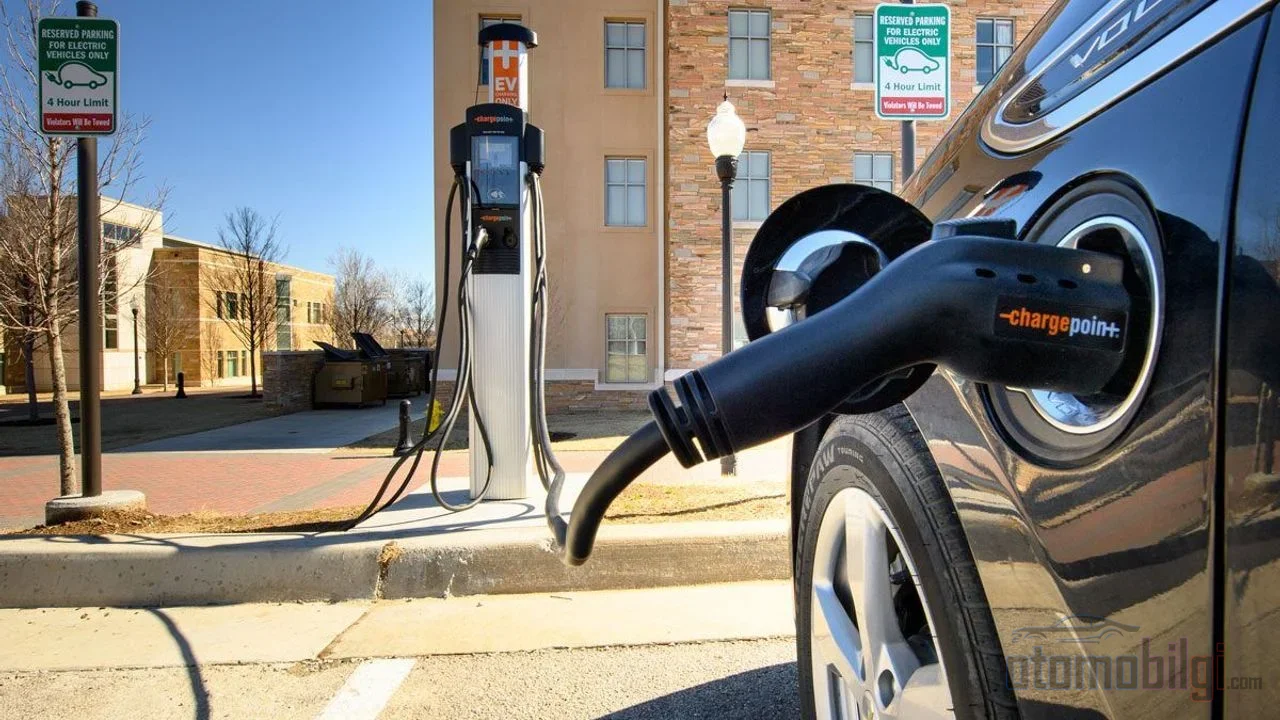
Does Leaving Your Electric Vehicle Plugged In at the Charger Damage the Battery?
No, leaving your electric vehicle charging overnight will not damage the battery. Modern electric vehicles communicate with the charger to automatically cut power once they reach the target charge level; there is technically no risk of overcharging. …
Read More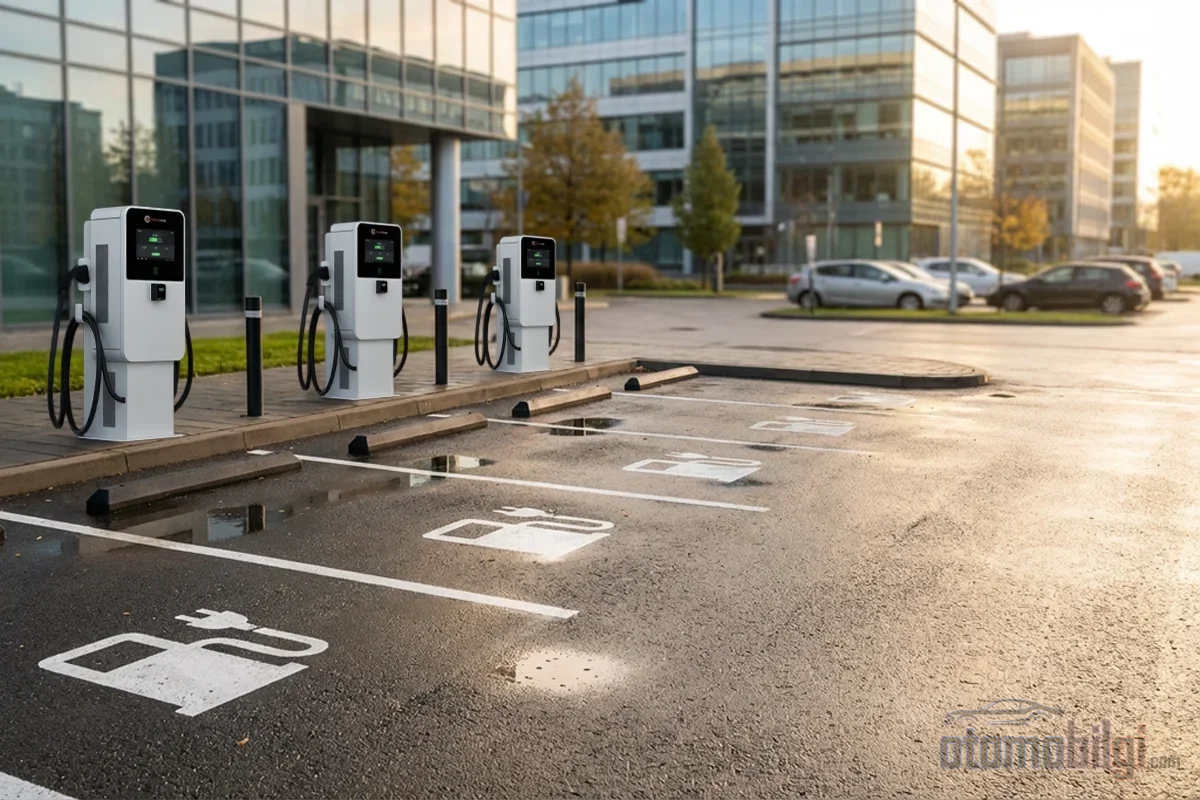
If You Find a Charging Station Faulty: When Is It Repaired?
A charging station typically becomes unusable not because of a single cause, but through a combination of reasons such as connector wear, electronic board failure, payment system errors, software communication breaks, or deferred maintenance. Reporti…
Read More
Why Do Electric Cars Charge Slower in Winter?
Electric cars charge more slowly in winter because the chemical reactions in the lithium-ion battery slow down at low temperatures: the electrolyte thickens, ion movement becomes harder, and internal resistance rises. A cold battery accepts less curr…
Read More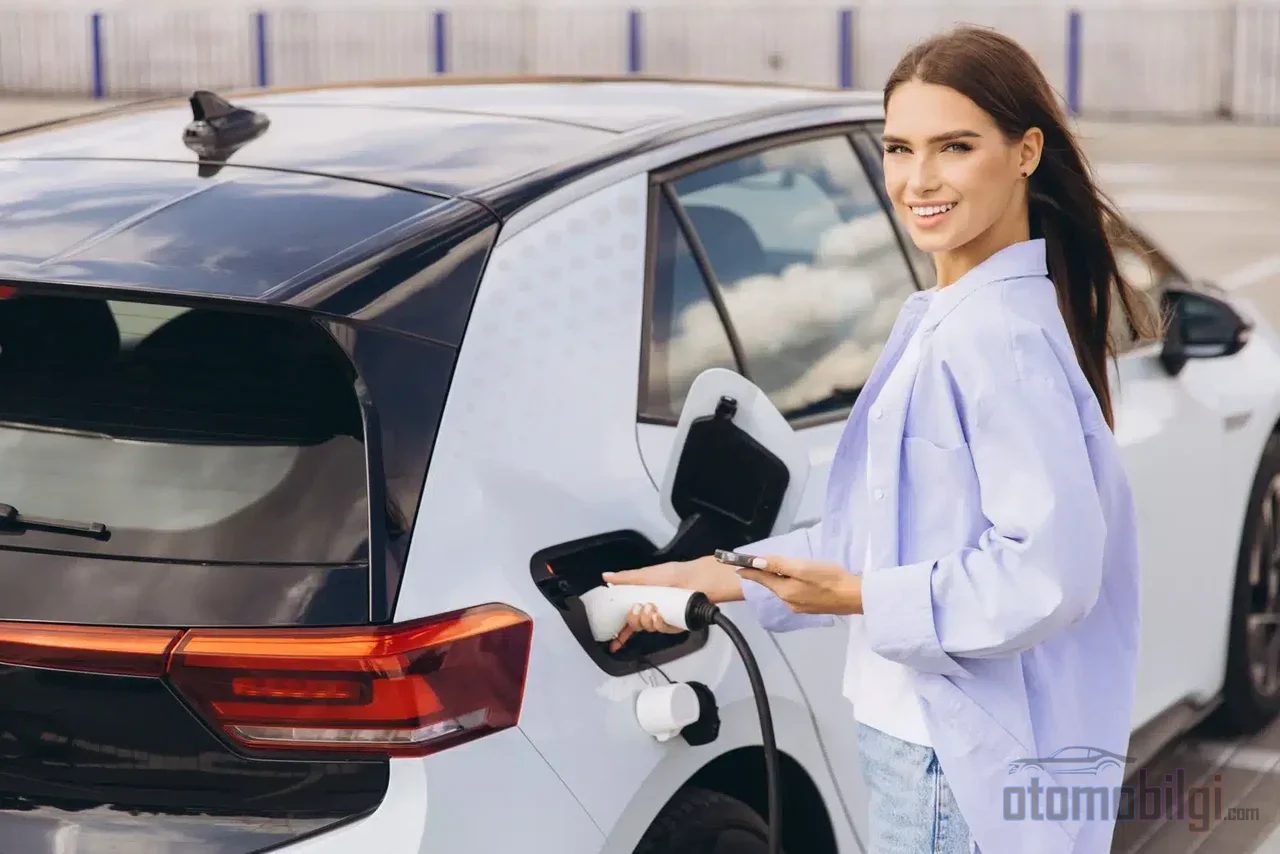
Where Will Those Without a Garage Charge Their Electric Vehicle?
Electric vehicle owners without a garage or a deeded enclosed parking space charge their vehicles at the shared charging installation in the apartment building's parking lot, at municipal units installed on the street, at shopping mall and workplace …
Read More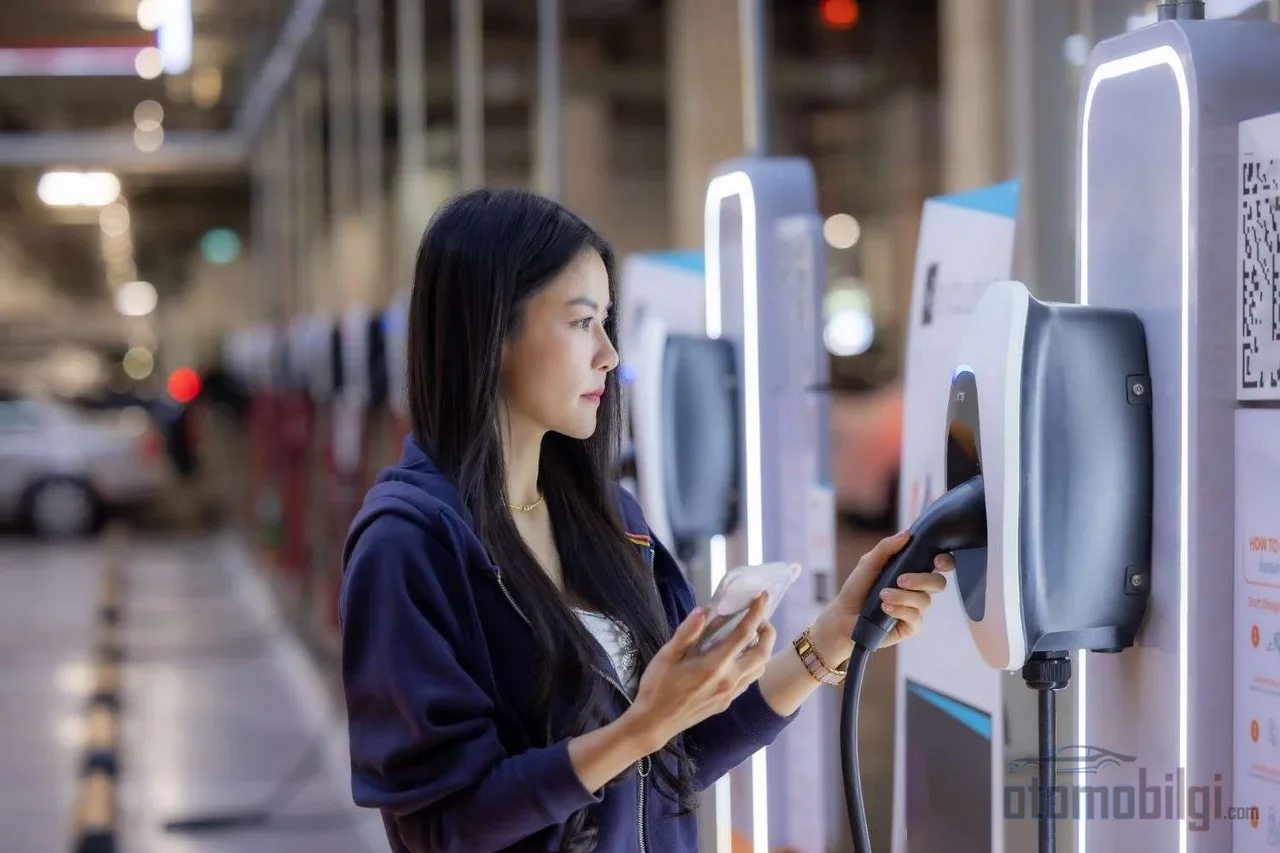
Electric Vehicle Charging at the Workplace: Who Installs It, Who Pays for It?
Workplace EV charging means an employee charging their own vehicle with a charging unit at the workplace during working hours; the installation is undertaken by the employer or the business management, while the cost is shared under models ranging fr…
Read More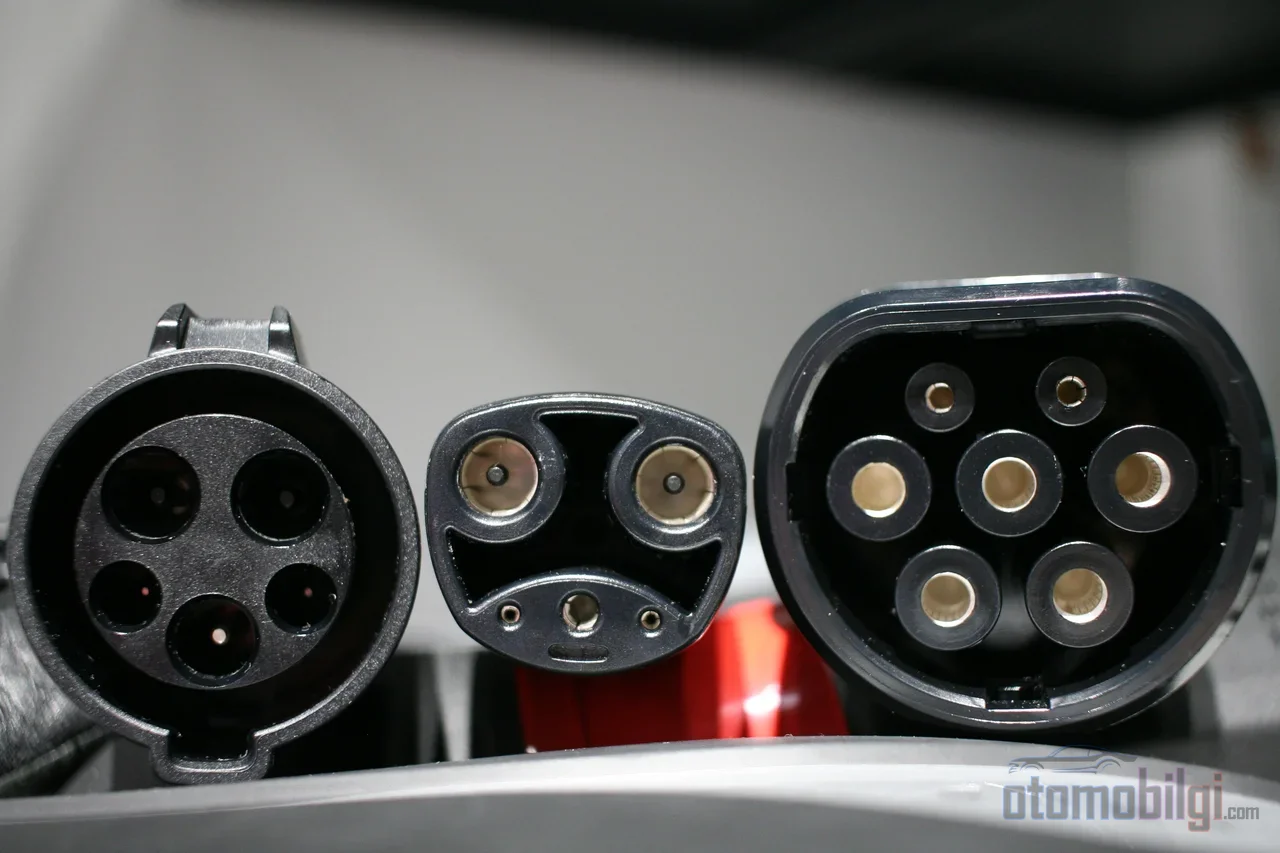
Which Plug Fits Which Vehicle? Types of Electric Vehicle Charging Sockets
In practice, electric vehicle charging sockets in Türkiye fall into two types: for AC charging Type 2, and for DC fast charging CCS2 (Combo 2). CHAdeMO, formerly the fast-charging standard, CHAdeMO is now seen only on older models, mostly of Japanese…
Read More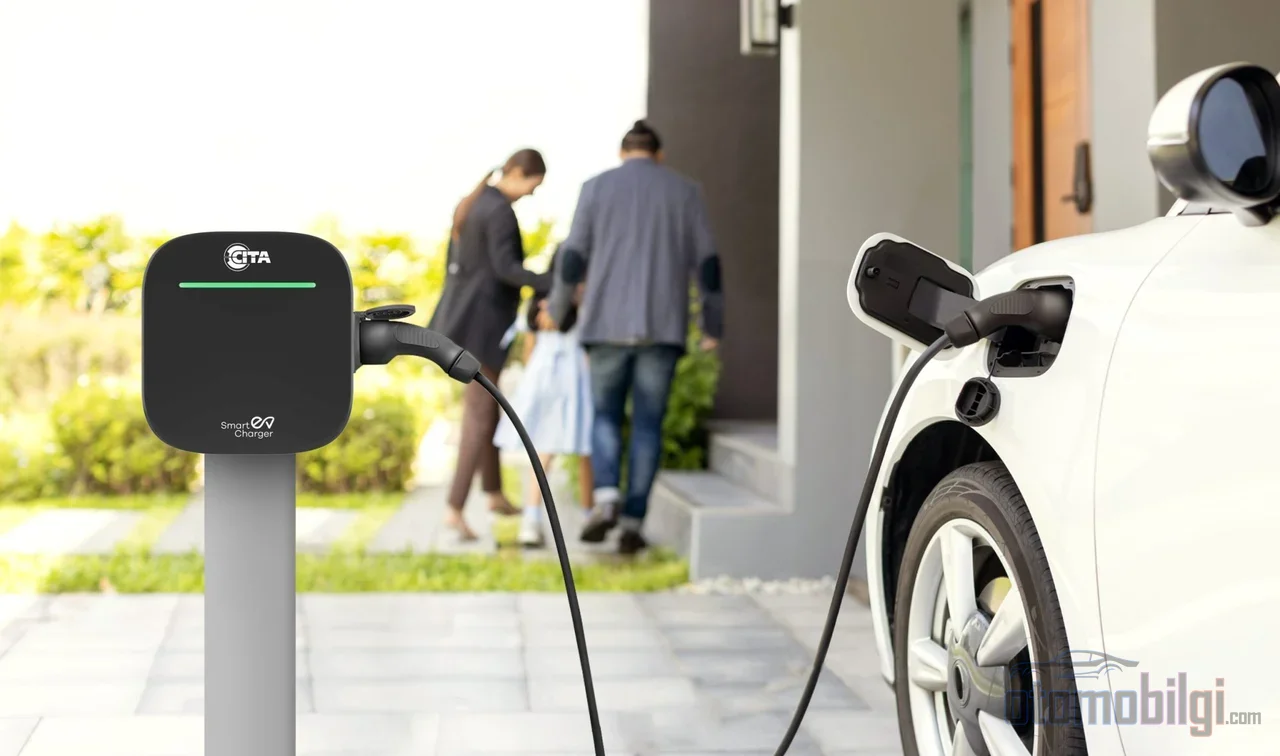
How Much Does EV Charging Cost? Home vs. Station Cost Comparison
Electric vehicle charging is a cost item that varies significantly per kilometer depending on the scenario: while the cost of 100 kilometers at home on the night tariff comes to around 40-55 TL , the same distance at a public DC fast charging station…
Read More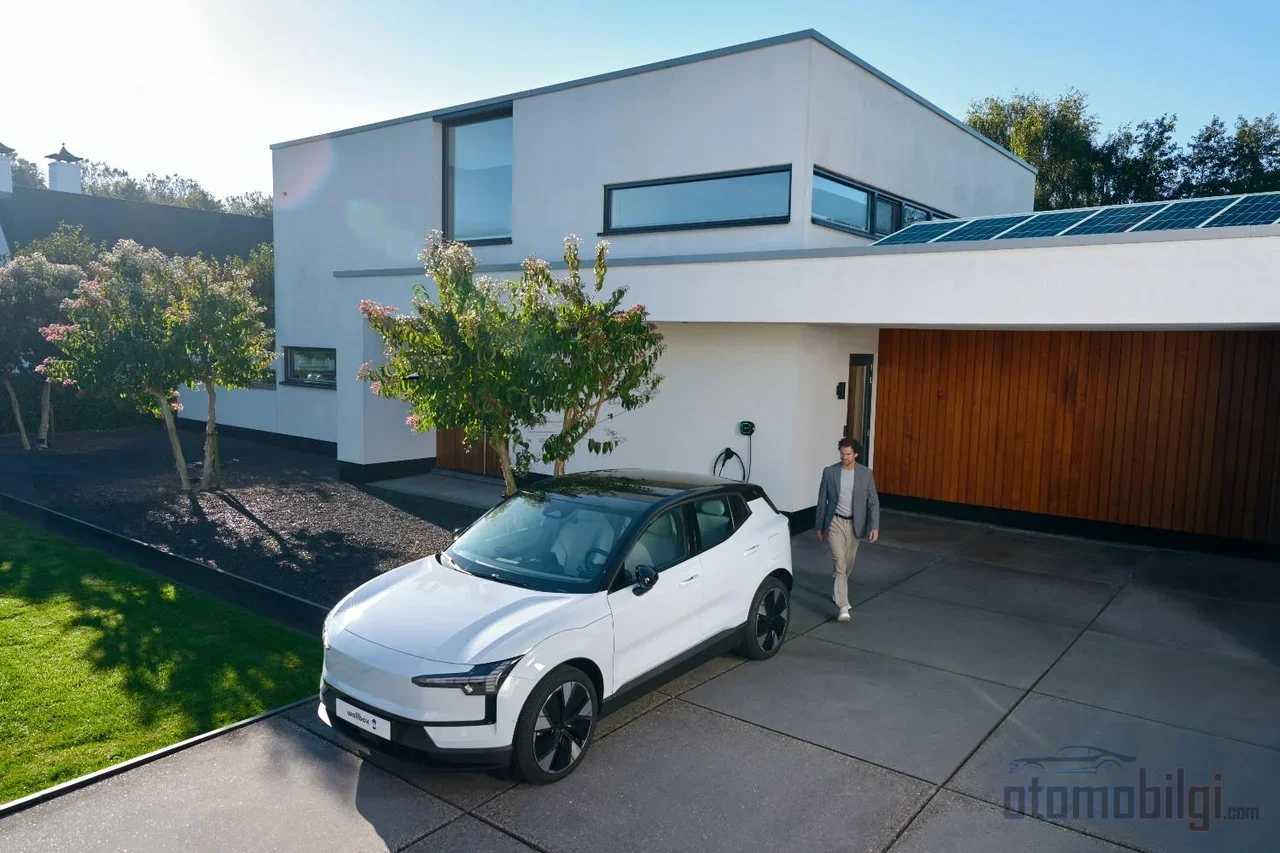
Wallbox or Outlet? Setting Up Electric Vehicle Charging at Home
Short answer: for a user driving 30-40 km per day, a standard outlet is usually enough; however, for anyone wanting a bigger battery, longer weekday distances, or a safe and permanent installation, a wallbox wired to the fuse panel with a dedicated l…
Read More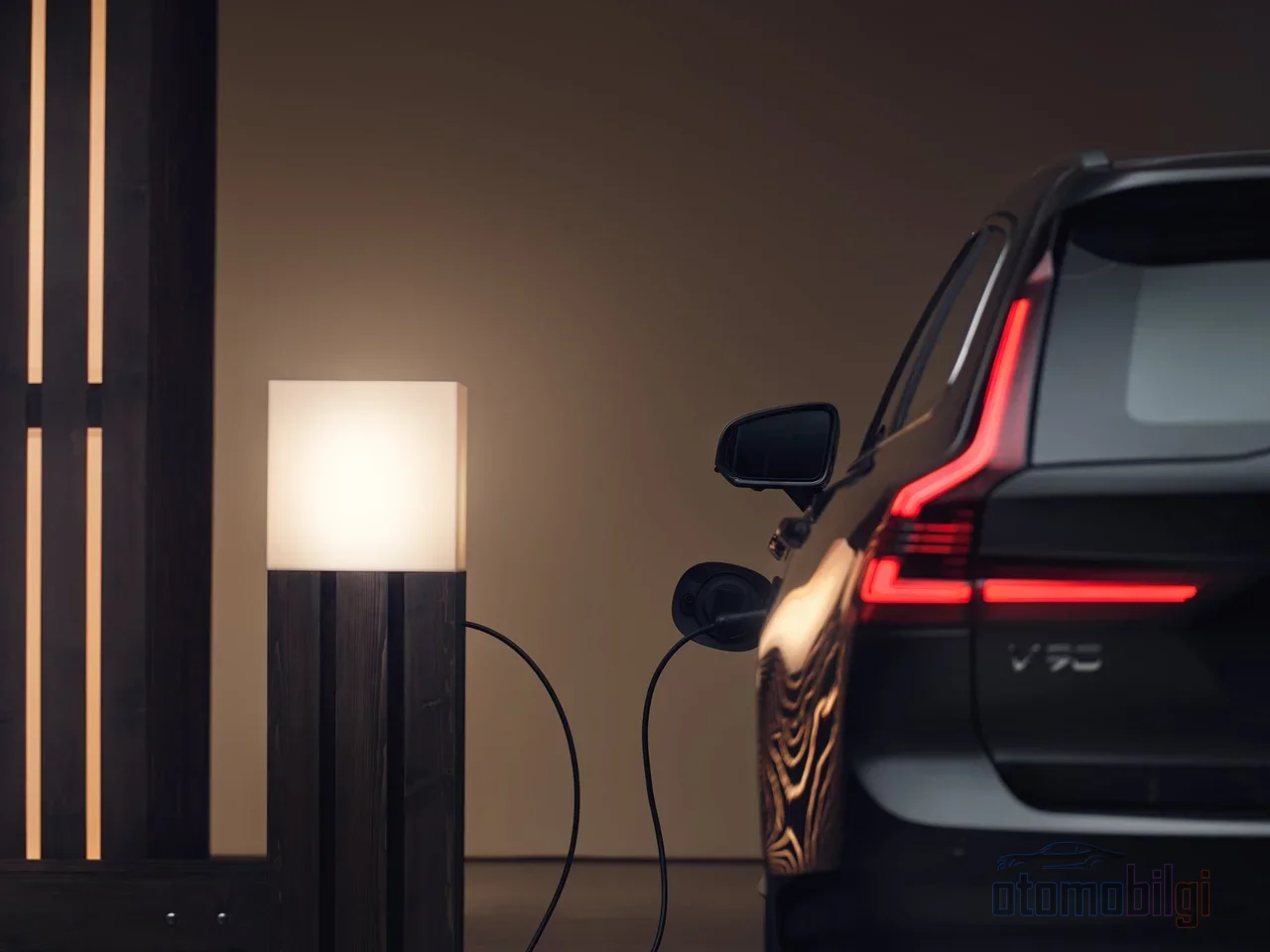
Why Does a Vehicle Sometimes Draw 7 kW, Sometimes 150 kW? The Difference Between AC and DC Charging
Your electric vehicle sometimes draws 7 kW, sometimes 150 kW; because with AC charging the speed is determined by the onboard charger inside the vehicle, while with DC charging it is determined by the battery management system. The job of converting …
Read More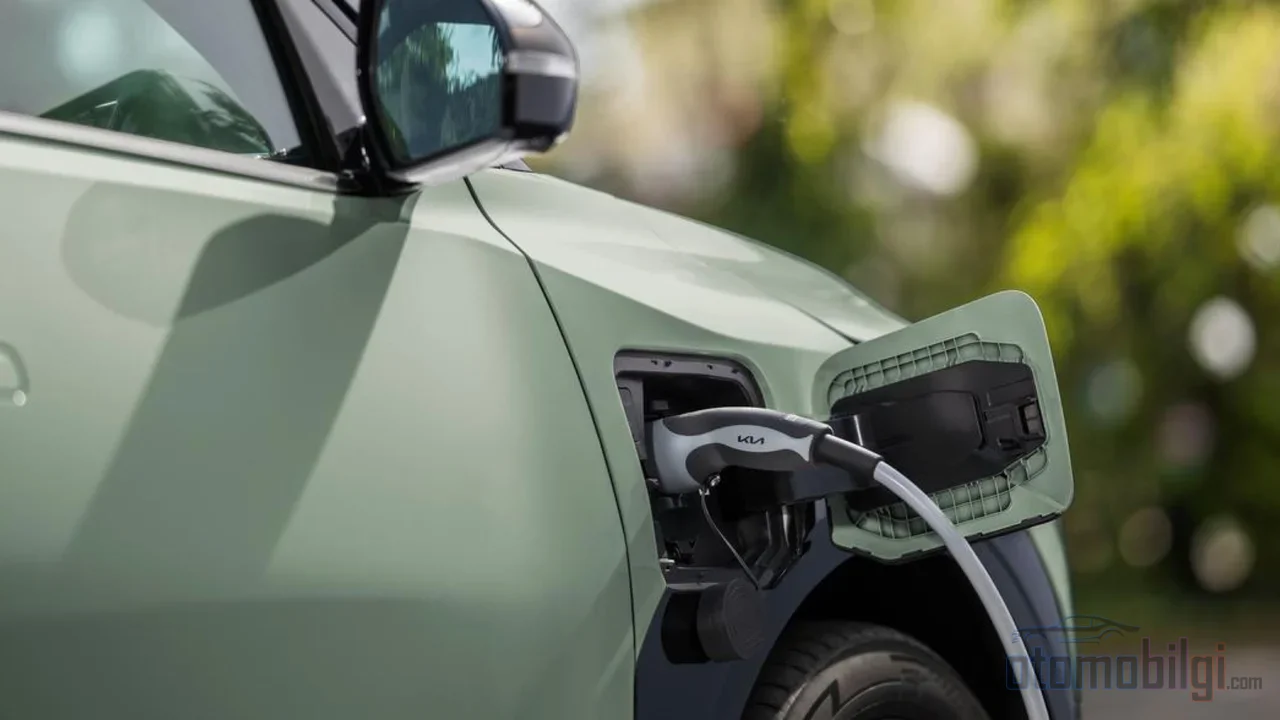
Who Determines Charging Speed: The Vehicle or the Station?
The short answer to the question of which side determines charging speed is this: whichever one is slower. The lower of the power the vehicle can accept and the power the station can deliver is the real speed of that charging session. Moreover, this …
Read More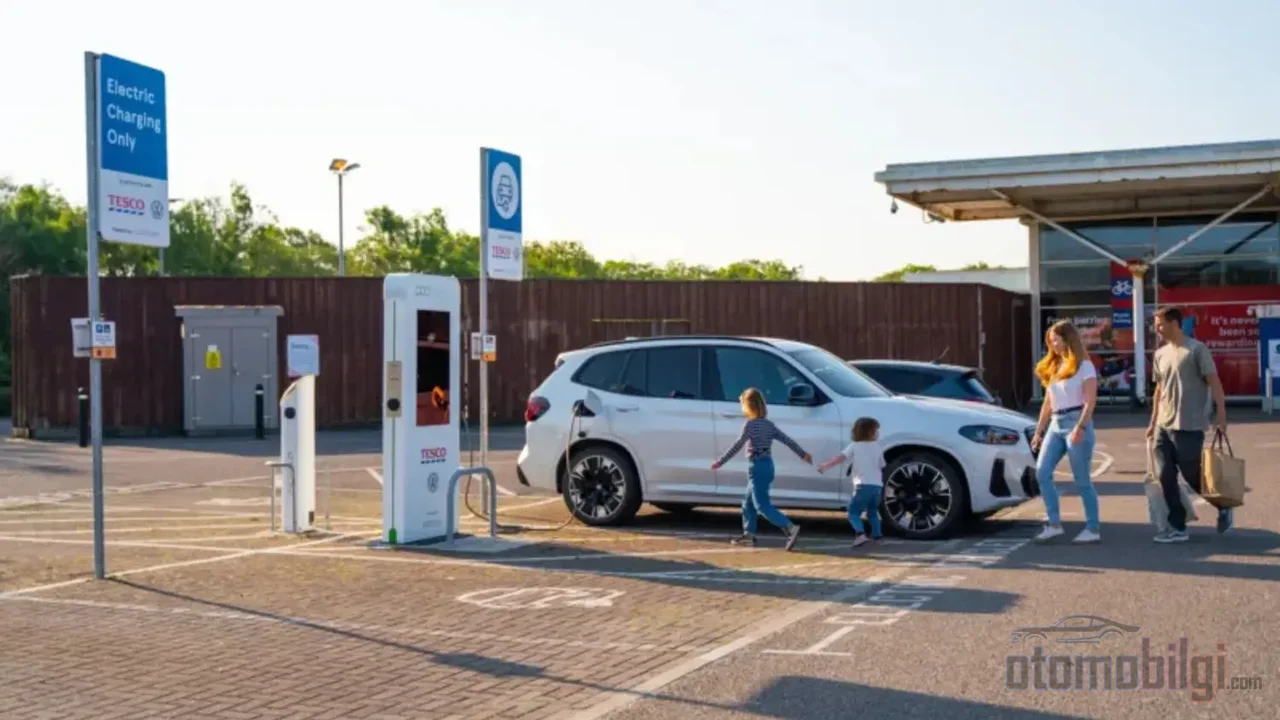
Should You Charge Your Electric Car to 100%?
No - charging your electric car to 100% every day is often unnecessary and can even be harmful if your battery uses a nickel-based chemistry (NMC/NCA). If the battery is lithium iron phosphate (LFP), however, daily 100% charging is the manufacturer's…
Read More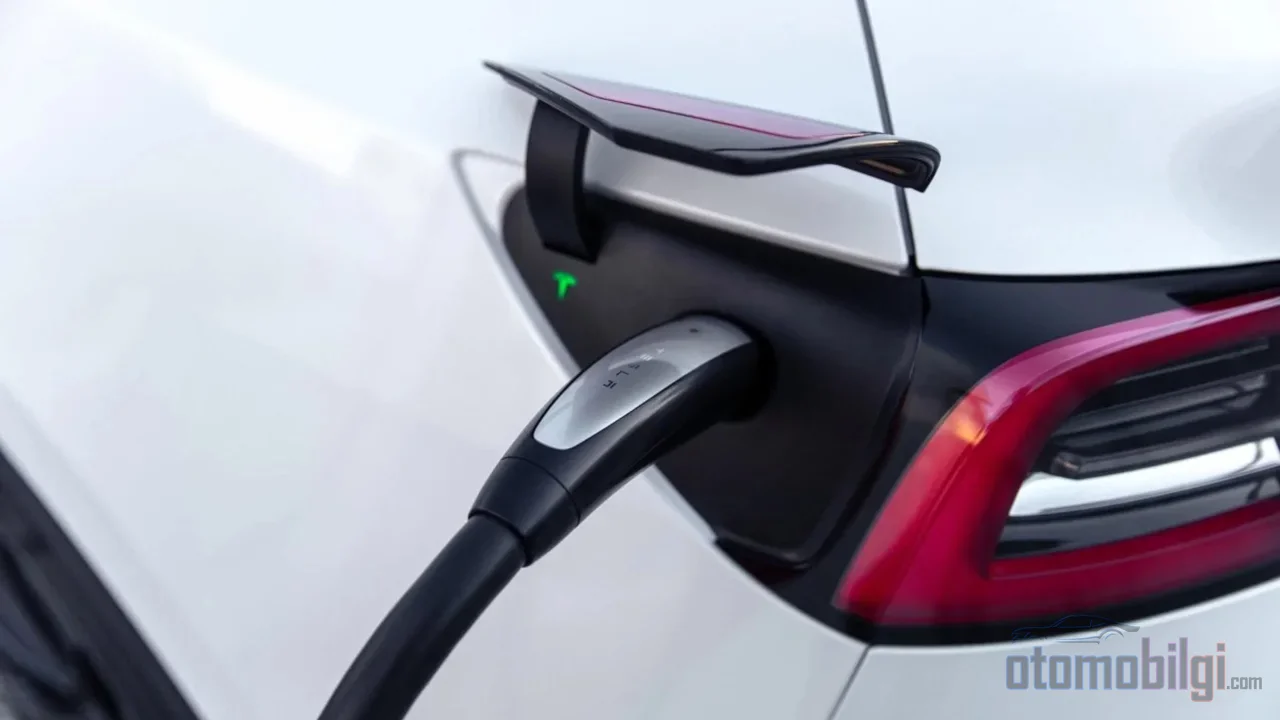
Fast Charging Networks in Türkiye: Trugo, Zes and Their Rivals
When it comes to fast charging networks in Türkiye, three operators come to mind - Trugo, ZES and Eşarj - and they now serve all 81 provinces; as of early 2026, the country has more than 7,800 stations and over 30 licensed operators. This guide compa…
Read More