Otomobilgi.comOtomobilgi.com
  • Türkçe
  • English
  • Deutsch
  • Français
  • Italiano
  • Español
  • Português
  • Polski
  • Magyar
  • Azərbaycanca
  • Bahasa Indonesia
  • Русский
  • 中文
  • 日本語
  • 한국어
  • हिन्दी
  • বাংলা
  • العربية
  • فارسی
  • Türkçe
  • English
  • Deutsch
  • Français
  • Italiano
  • Español
  • Português
  • Polski
  • Magyar
  • Azərbaycanca
  • Bahasa Indonesia
  • Русский
  • 中文
  • 日本語
  • 한국어
  • हिन्दी
  • বাংলা
  • العربية
  • فارسی
  • HOME PAGE
  • NEWS
    Turkish Automotive Industry News
    Global Automotive Industry News
    Turkish Motorsports News
    Global Motorsports News
  • INTERNAL COMBUSTION
    Internal Combustion Models
    Internal Combustion Engine Technologies
    Fuel and Consumption
    Emission and Environment
    Internal Combustion Ownership
    History of the Internal Combustion Automobile
  • ELECTRIC
    Electric Models
    Electric Car Technologies
    Charging and Infrastructure
    Battery Technology
    Range and Consumption
    Electric Vehicle Ownership
    History of the Electric Car
  • HYBRID
    Hybrid Models
    Hybrid Systems
    Battery and Charging
    Consumption and Efficiency
    Hybrid Ownership
    History of Hybrid Cars
  • TECHNOLOGY
    Driver Assistance Systems
    Safety Technologies
    Lighting and Visibility Technologies
    Infotainment and Connectivity
    Autonomous Driving and Artificial Intelligence
    Future Technologies
  • GUIDES
    Buying Guides
    Sales Guides
    Maintenance and Use
    Ownership and Costs
    Tires and Wheels
    Insurance and Inspection
  • HISTORY & CULTURE
    Automobile History
    Iconic Models
    Classics and Collections
    Türkiye's Automobile Journey
    Automobile Design
    Cars and Popular Culture
  • MOTORSPORT
    Formula 1
    Rallying (WRC)
    Rallycross
    MotoGP
    Formula 2 & Formula 3
    Karting
    24 Hours of Le Mans
    WEC
    NASCAR
    IndyCar
    DTM
    GT Races
    Drift
    Drag Races
  • Türkçe
  • English
  • Deutsch
  • Français
  • Italiano
  • Español
  • Português
  • Polski
  • Magyar
  • Azərbaycanca
  • Bahasa Indonesia
  • Русский
  • 中文
  • 日本語
  • 한국어
  • हिन्दी
  • বাংলা
  • العربية
  • فارسی
  • Türkçe
  • English
  • Deutsch
  • Français
  • Italiano
  • Español
  • Português
  • Polski
  • Magyar
  • Azərbaycanca
  • Bahasa Indonesia
  • Русский
  • 中文
  • 日本語
  • 한국어
  • हिन्दी
  • বাংলা
  • العربية
  • فارسی
  1. HOME PAGE
  2. ELECTRIC
  3. Charging and Infrastructure

Charging and Infrastructure

Share This Page
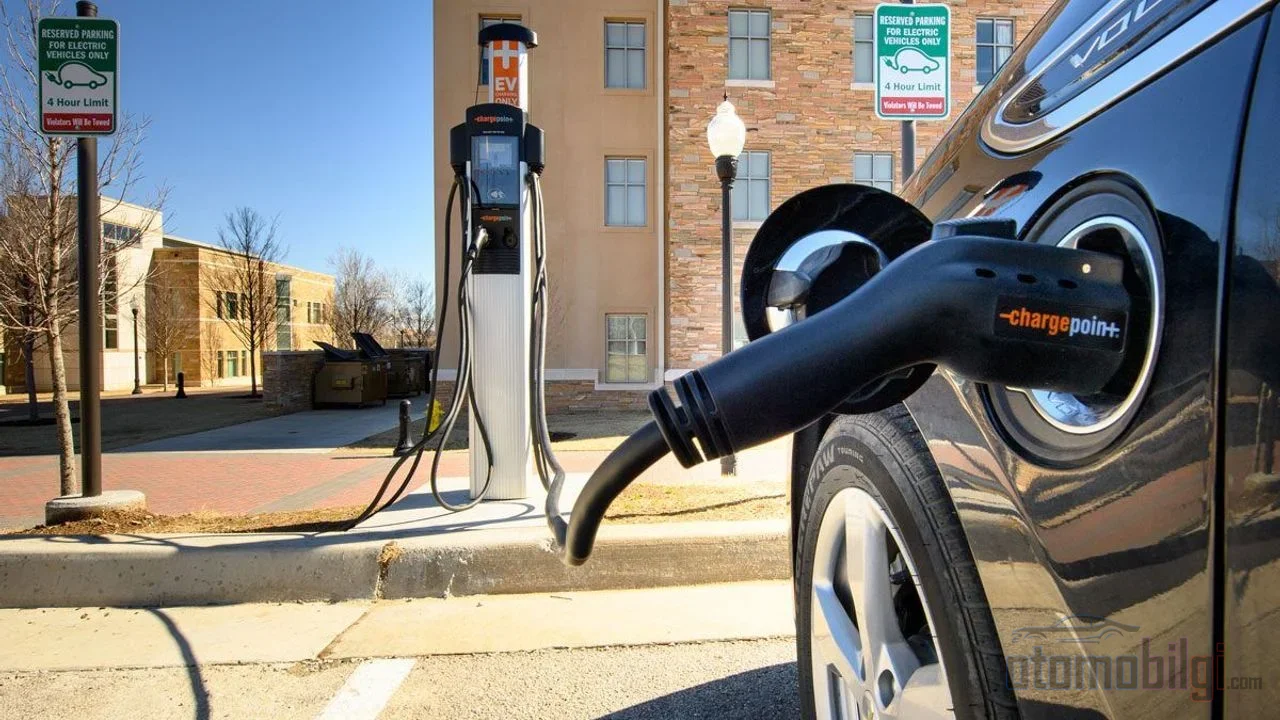
Leaving the car on charge overnight does not wear out the battery; what really matters is your habit of charging within the twenty-to-eighty percent range and how often you use fast charging.
Does Leaving Your Electric Vehicle Plugged In at the Charger Damage the Battery?
Deniz Erkan18 October 2026

No, leaving your electric vehicle charging overnight will not damage the battery. Modern electric vehicles communicate with the charger to automatically cut power once they reach the target charge level; there is technically no risk of overcharging. …

Read More
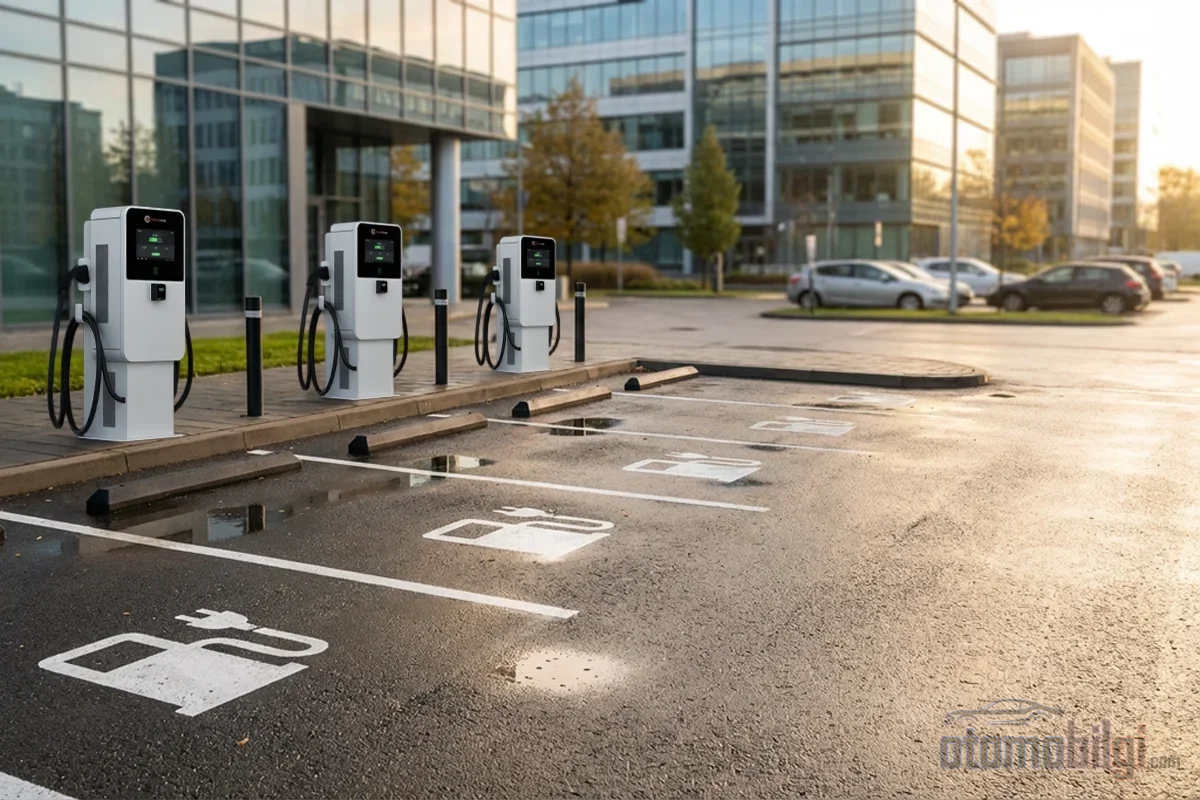
One in five charging attempts ends in a malfunction, and faults requiring multiple visits leave drivers waiting an average of 39 days.
If You Find a Charging Station Faulty: When Is It Repaired?
Deniz Erkan18 October 2026

A charging station typically becomes unusable not because of a single cause, but through a combination of reasons such as connector wear, electronic board failure, payment system errors, software communication breaks, or deferred maintenance. Reporti…

Read More

Cold weather slows down the chemical reactions in lithium-ion batteries and can erode range by up to 30 percent; preheating restores fast charging.
Why Do Electric Cars Charge Slower in Winter?
Deniz Erkan17 October 2026

Electric cars charge more slowly in winter because the chemical reactions in the lithium-ion battery slow down at low temperatures: the electrolyte thickens, ion movement becomes harder, and internal resistance rises. A cold battery accepts less curr…

Read More
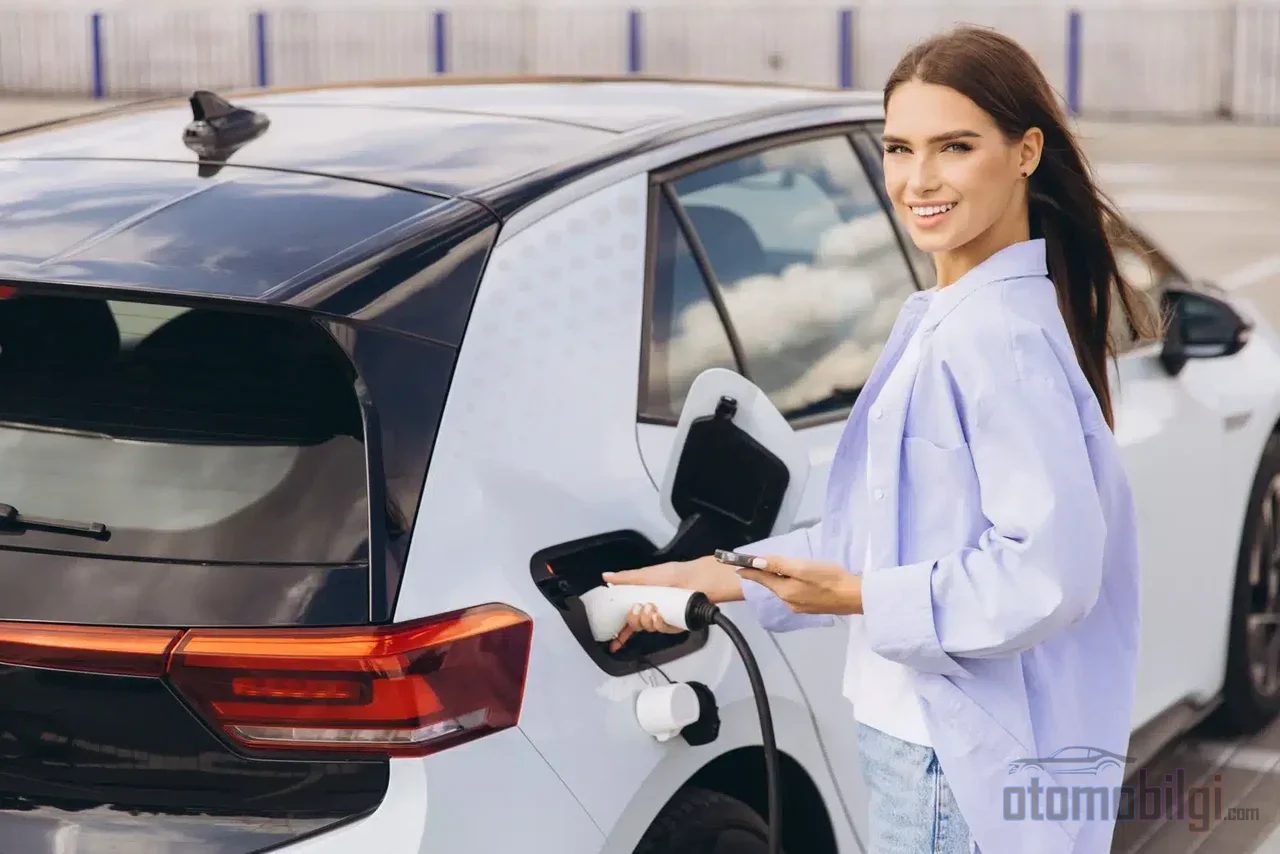
With over 600,000 electric vehicles in Türkiye, drivers without garages have pushed the charging solution onto apartment building agendas and into the streets.
Where Will Those Without a Garage Charge Their Electric Vehicle?
Deniz Erkan17 October 2026

Electric vehicle owners without a garage or a deeded enclosed parking space charge their vehicles at the shared charging installation in the apartment building's parking lot, at municipal units installed on the street, at shopping mall and workplace …

Read More
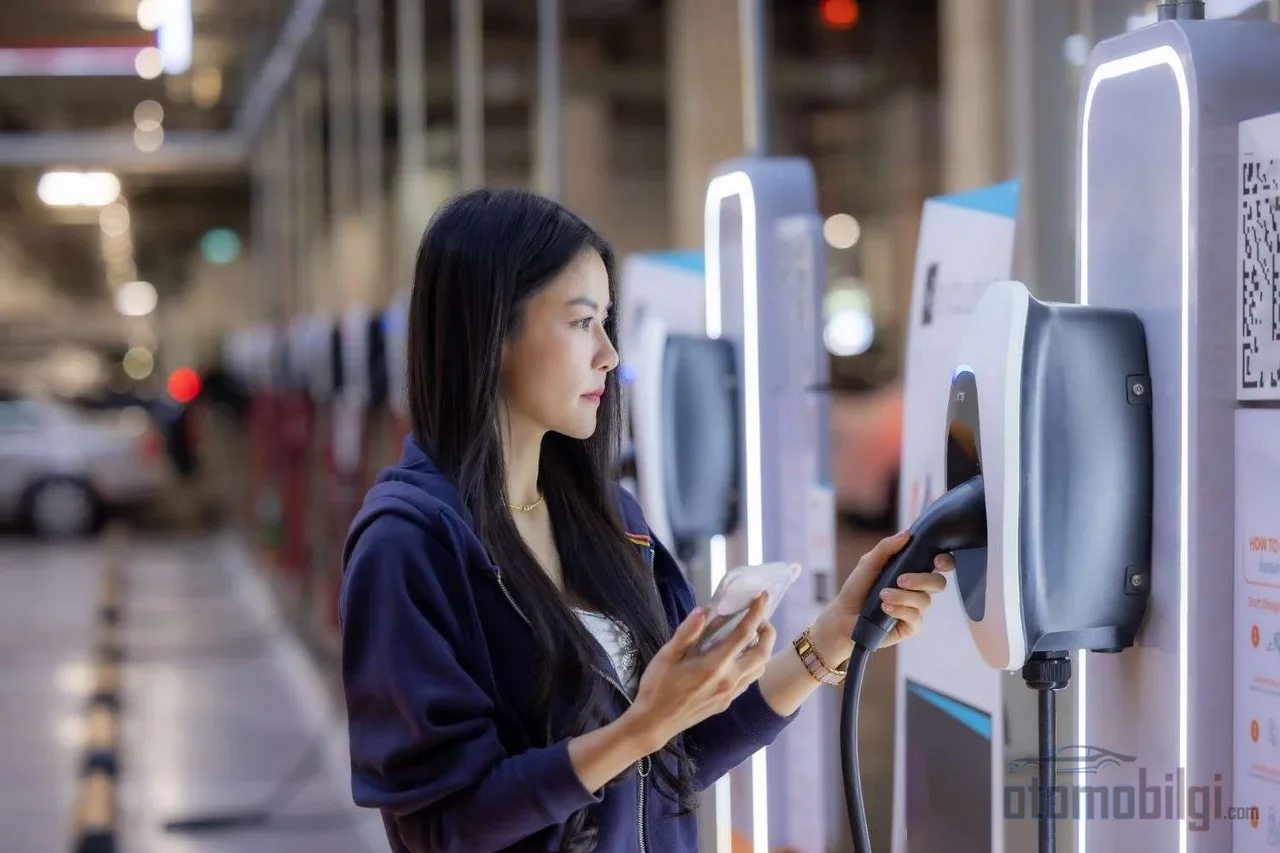
For a vehicle waiting in a parking lot 8-12 hours a day, workplace charging is the most practical lifesaver for drivers who have no chance to charge at home.
Electric Vehicle Charging at the Workplace: Who Installs It, Who Pays for It?
Deniz Erkan16 October 2026

Workplace EV charging means an employee charging their own vehicle with a charging unit at the workplace during working hours; the installation is undertaken by the employer or the business management, while the cost is shared under models ranging fr…

Read More
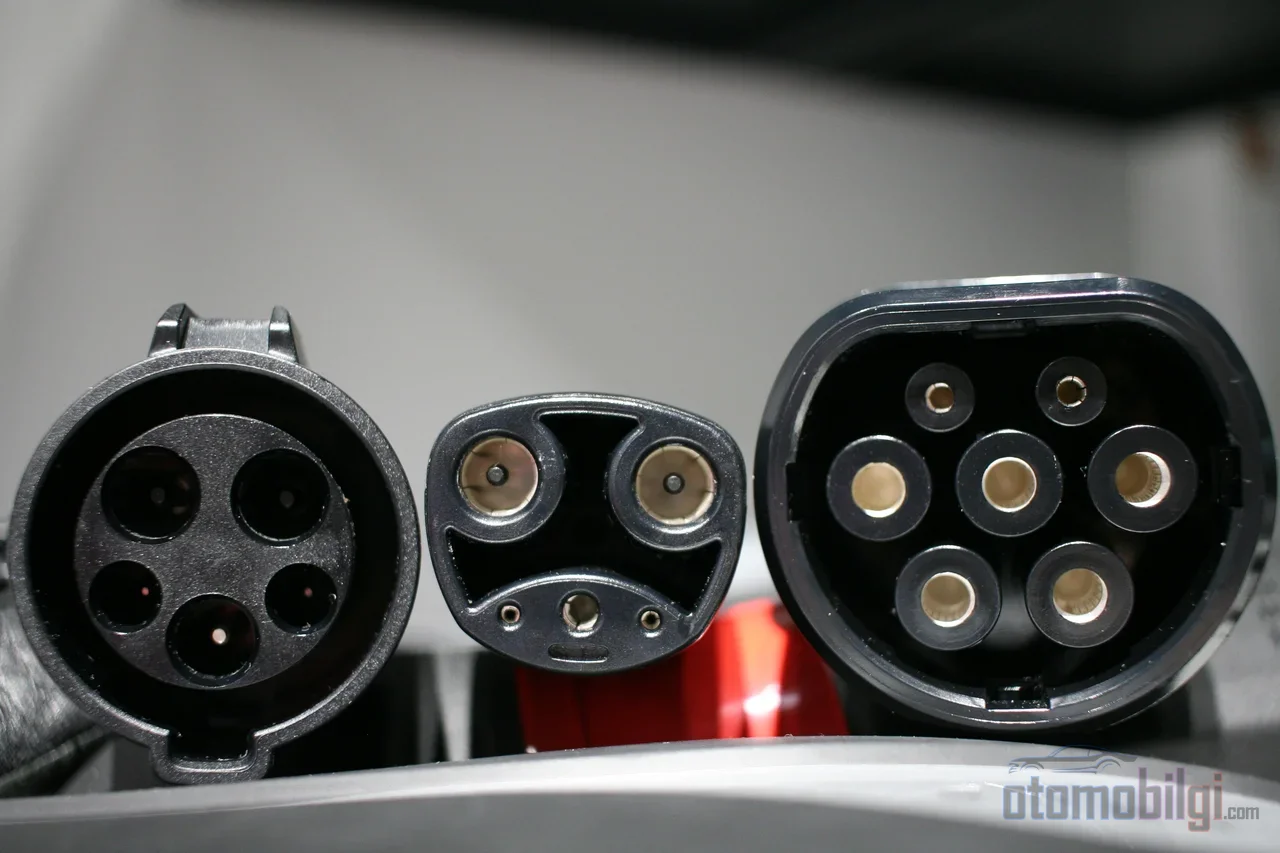
In Türkiye, the whole story of electric vehicle charging comes down to three letters and the plug: Type 2 for AC, CCS2 for DC fast charging.
Which Plug Fits Which Vehicle? Types of Electric Vehicle Charging Sockets
Deniz Erkan15 October 2026

In practice, electric vehicle charging sockets in Türkiye fall into two types: for AC charging Type 2, and for DC fast charging CCS2 (Combo 2). CHAdeMO, formerly the fast-charging standard, CHAdeMO is now seen only on older models, mostly of Japanese…

Read More
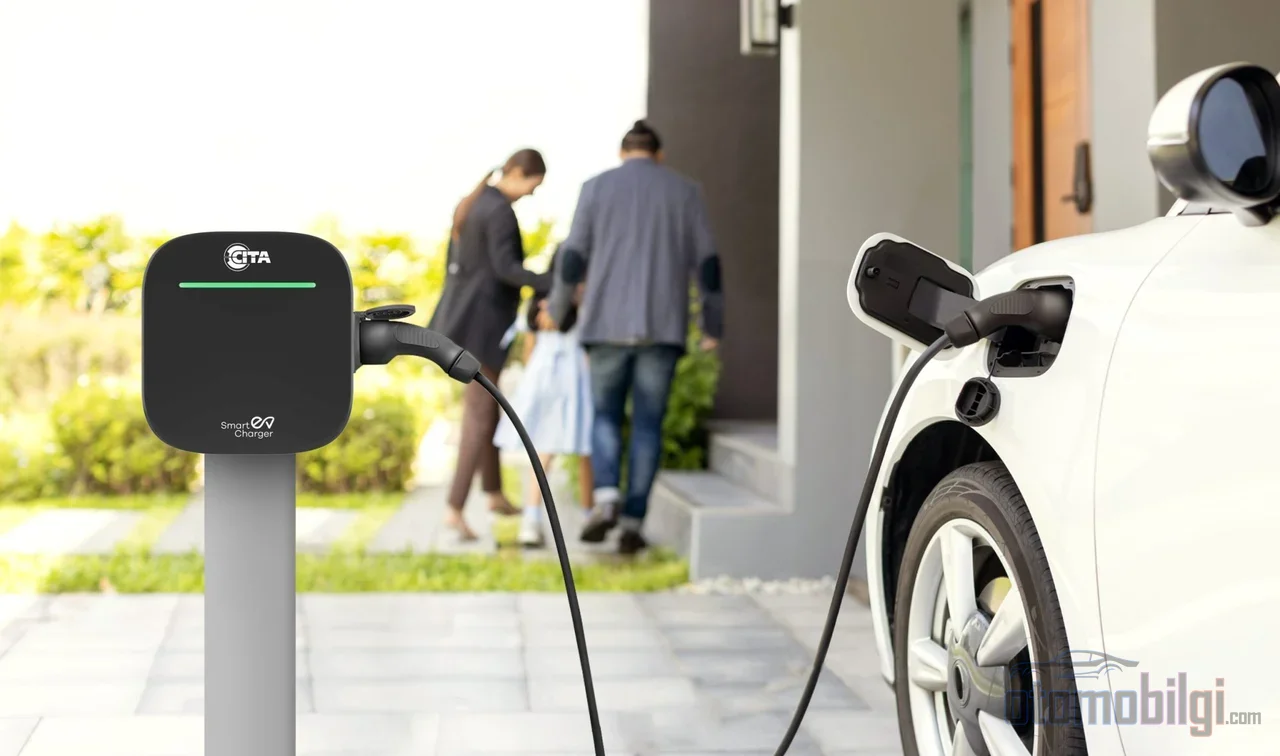
The same 100 kilometers costs 40-55 TL at home on the night tariff, while it can exceed 150 TL at a DC fast charging station.
How Much Does EV Charging Cost? Home vs. Station Cost Comparison
Deniz Erkan15 October 2026

Electric vehicle charging is a cost item that varies significantly per kilometer depending on the scenario: while the cost of 100 kilometers at home on the night tariff comes to around 40-55 TL , the same distance at a public DC fast charging station…

Read More
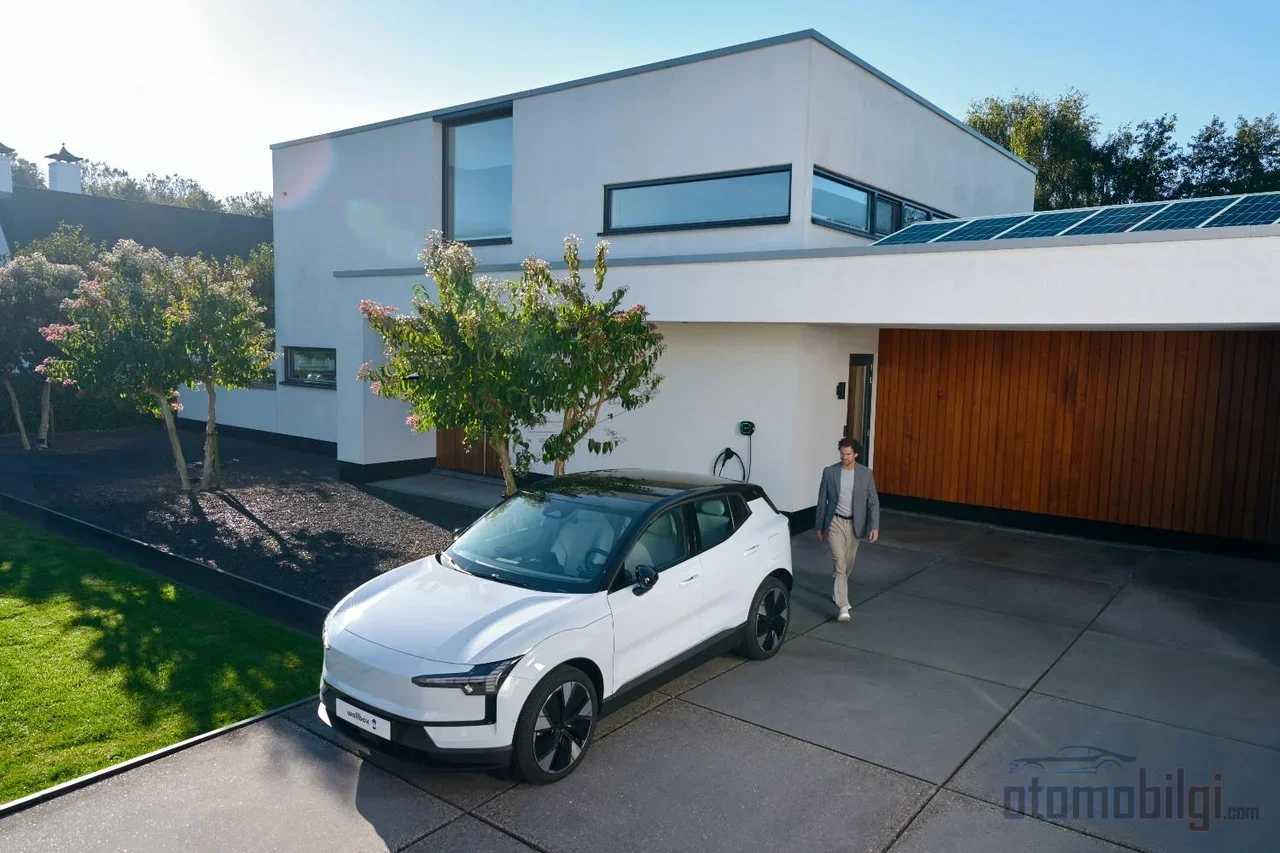
For someone driving 30-40 km a day, a regular outlet is enough, but a wallbox turns overnight charging from 10 km into 100 km of range per hour.
Wallbox or Outlet? Setting Up Electric Vehicle Charging at Home
Deniz Erkan14 October 2026

Short answer: for a user driving 30-40 km per day, a standard outlet is usually enough; however, for anyone wanting a bigger battery, longer weekday distances, or a safe and permanent installation, a wallbox wired to the fuse panel with a dedicated l…

Read More
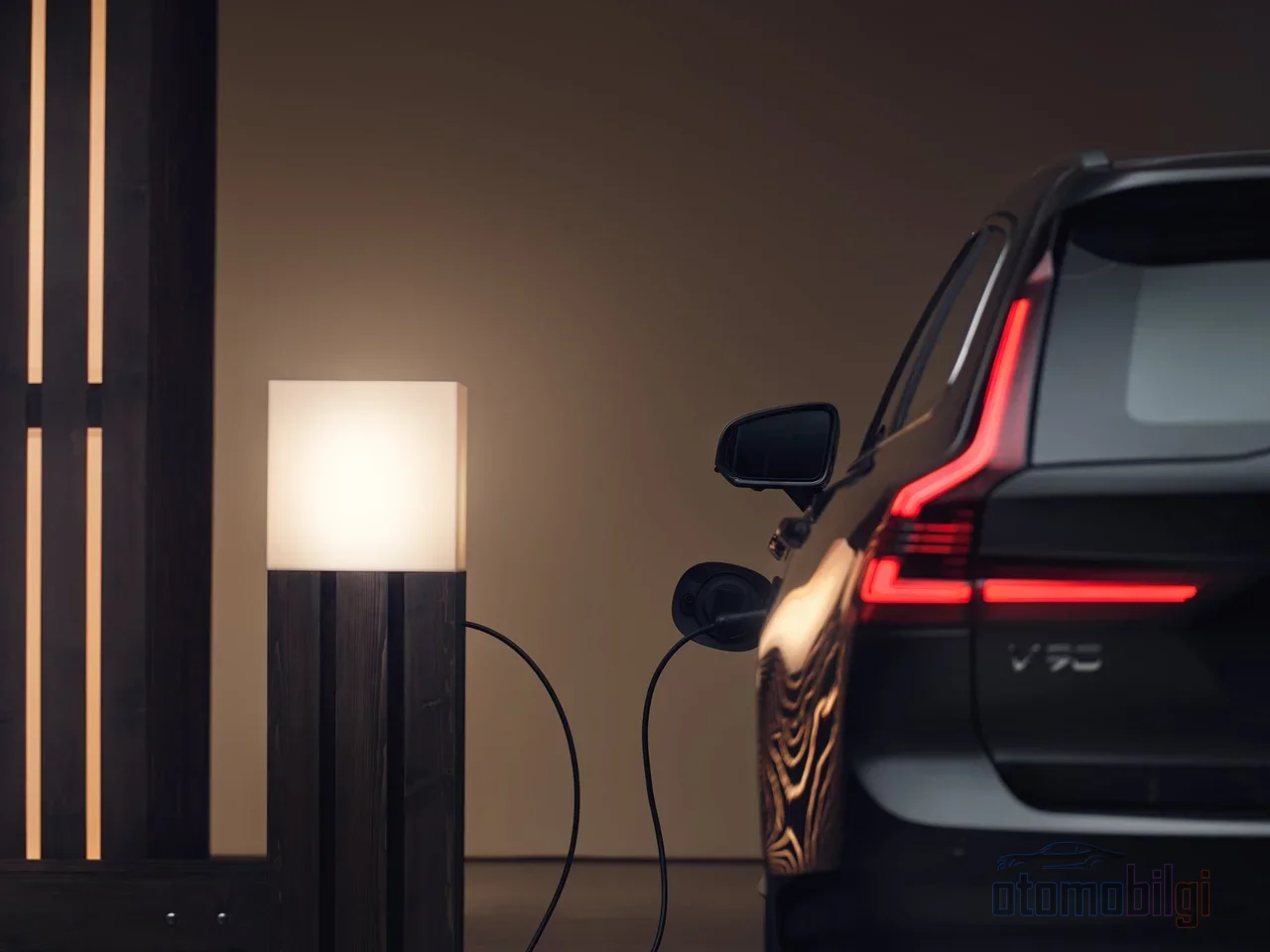
In AC charging, the speed limit is set by the vehicle's onboard charger; in DC fast charging, that decision shifts to the charging station and the battery management system.
Why Does a Vehicle Sometimes Draw 7 kW, Sometimes 150 kW? The Difference Between AC and DC Charging
Deniz Erkan13 October 2026

Your electric vehicle sometimes draws 7 kW, sometimes 150 kW; because with AC charging the speed is determined by the onboard charger inside the vehicle, while with DC charging it is determined by the battery management system. The job of converting …

Read More
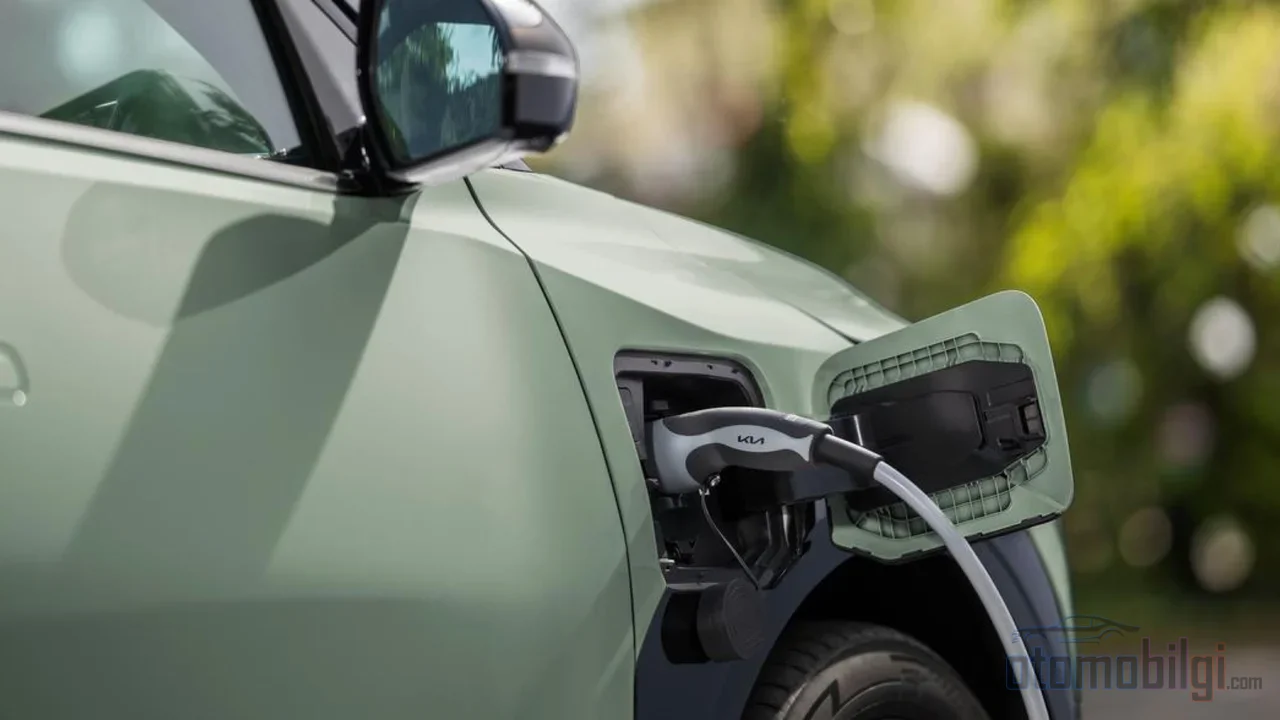
The weakest link always determines the charging speed: even if you connect a vehicle that accepts 150 kW to a 350 kW station, it cannot gain a single extra watt.
Who Determines Charging Speed: The Vehicle or the Station?
Deniz Erkan12 October 2026

The short answer to the question of which side determines charging speed is this: whichever one is slower. The lower of the power the vehicle can accept and the power the station can deliver is the real speed of that charging session. Moreover, this …

Read More
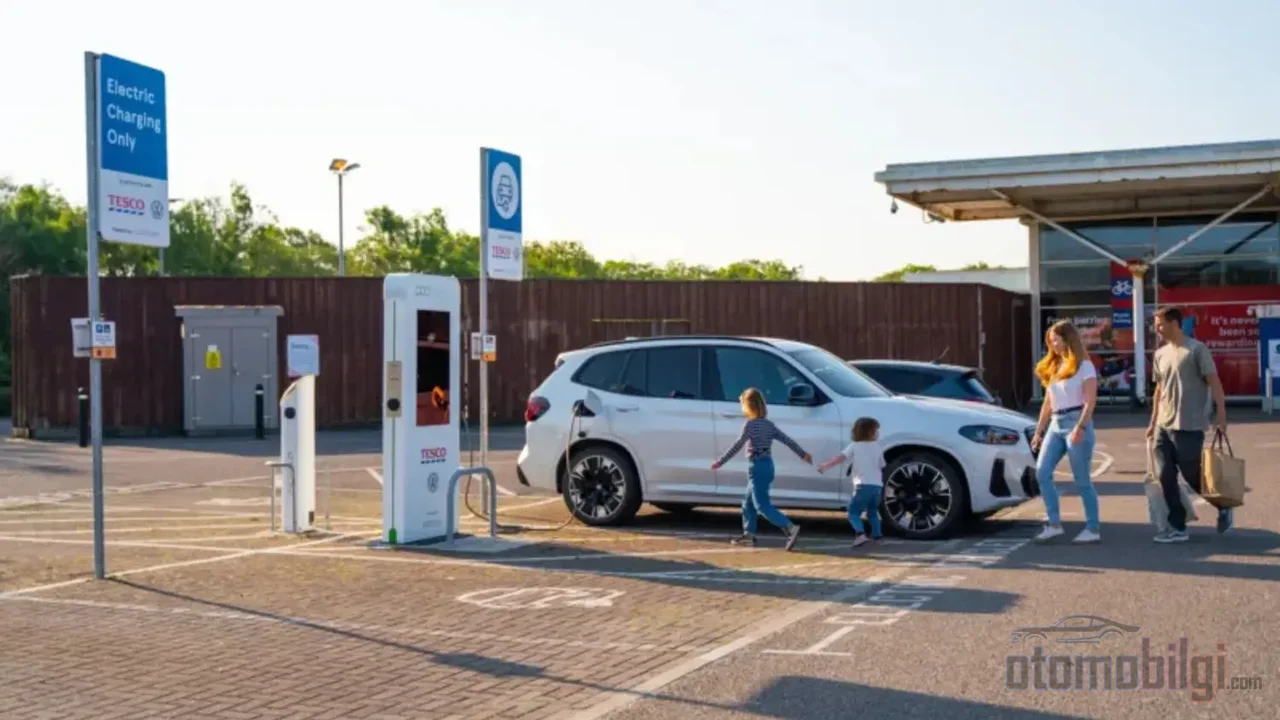
Keeping an NMC battery electric car at 100% every day degrades its lifespan 20 to 30 percent faster compared to charging to 80%.
Should You Charge Your Electric Car to 100%?
Deniz Erkan12 October 2026

No - charging your electric car to 100% every day is often unnecessary and can even be harmful if your battery uses a nickel-based chemistry (NMC/NCA). If the battery is lithium iron phosphate (LFP), however, daily 100% charging is the manufacturer's…

Read More
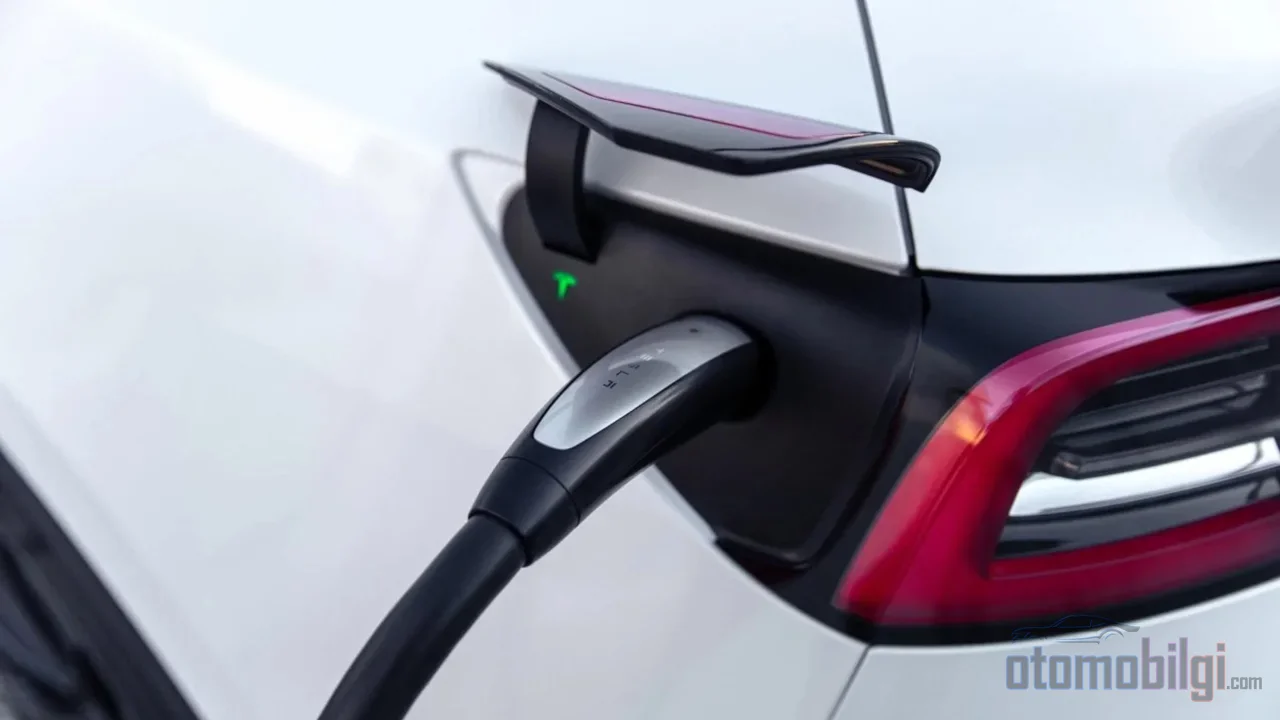
Introduction to the guide comparing fast charging networks in Türkiye, including Trugo, ZES and Eşarj, which provide service across all 81 provinces.
Fast Charging Networks in Türkiye: Trugo, Zes and Their Rivals
Deniz Erkan11 October 2026

When it comes to fast charging networks in Türkiye, three operators come to mind - Trugo, ZES and Eşarj - and they now serve all 81 provinces; as of early 2026, the country has more than 7,800 stations and over 30 licensed operators. This guide compa…

Read More
  • Previous
  • 1
  • 2

Category Editor

Deniz Erkan

Deniz Erkan

One of the most important habits my profession as a mechanical engineer has given me is looking not only at a system's outcome, but also at how and why it works. My interest in automobiles is also fueled by this perspective. For me, a car is not just design, performance, or comfort; it is a holistic system where mechanics, electronics, software, and engineering come together.

Over time, I combined my engineering background with software development. The intersection of these two fields has allowed me to look at modern automobiles from a more integrated perspective. I follow the world of automobiles, from engines and suspension to driver assistance systems and software technologies, through the eyes of both an engineer and a car enthusiast.

My aim at Otomobilgi.com is to explain technical subjects in a language that preserves engineering accuracy and keeps curiosity about cars alive, without drowning them in unnecessary complexity. Because for me, a good car is not merely beautiful or fast; it is a special work that conveys design, technology, and driving character as a whole.

Follow Us on Social Media

Share This Page

Follow Us on Social Media

  • About Us
  • KVKK Disclosure Statement
  • Privacy Policy
  • Contact
Otomobilgi.com
INDEPENDENT AUTOMOBILE CULTURE PLATFORM
Powered by Virgo CMS