How Does M-Sport's New Fiesta Kit Car Shape the 2027 WRC Era?
Share This Page
M-Sport is the first and, for now, only party to make a serious move among the current manufacturers in the transition to the 2027 WRC regulations: Ford Fiesta Rally2 announced that it is developing a kit-based car and plans to field these cars on all 15 rounds in the 2027 season. The FIA's kit mechanism, which brings Rally2 cars closer to the new WRC27 machines, gives M-Sport both cost discipline and a sellable product for customer teams. In this article, we cover what the kit is, the car's technical approach, the position of rival manufacturers, and the championship balance of the new era.
Highlights
- Rally2 WRC Kit scope: front fenders, front bumper and rear aerodynamic component; maximum cost 7,500 Euro
- Kit-equipped cars in 2027 and 2028 can compete; all Rally2 cars homologated before 31 December 2026 are eligible
- WRC27 base car price 345,000 Euro; rally-ready version 385,000 Euro ceiling
- M-Sport plans to run three Fiesta Rally2-Kits throughout the entire season in the expanded 15-round 2027 calendar
- Toyota is the only current factory team developing an all-new WRC27 car
What Exactly Is the Rally2 WRC Kit and What Does It Cover?
With the regulation announced on 24 June 2026, the FIA defined a new transition path for 2027. We are talking about a kit mechanism that brings the performance of existing Rally2 cars closer to the WRC27 machines developed from scratch. The kit covers front fenders, the front bumper and a rear aerodynamic device. The most critical detail is the price: 7,500 Euro a fixed upper limit. In thirty years in this profession, I have rarely seen a rule change written with such direct regard for customer cars.
The rule's accessibility is also broad. Any Rally2 car homologated before 31 December 2026 can be equipped with this kit. Kit-equipped cars retain the right to compete in 2027 and 2028. There is one obligation in return: the manufacturer homologating the kit must field at least two cars in WRC rounds. In other words, the FIA offers the kit path as an advantage, but with a seriousness requirement.
The scale of the technical difference also needs to be noted. WRC27 cars are built to a separate regulation: no hybrid unit, a tubular chassis mandated by the FIA, power of around 300 horsepower and a homologation cycle extended to 10 years. Some of these components are based on the Rally2 platform; the FIA states that it has halved the cost of the new formula compared to the existing structure. Although the two regulations are separate, the performance levels are expected to be close to each other - and that is precisely what makes the kit idea meaningful.
Why Did M-Sport Set Out with a Kit Car?
M-Sport's account was built on that old logic that left its mark on the sport for years: surviving not on factory budgets but on customer relationships. Team principal Richard Millener defends the kit amendment as a step that invites manufacturers to the new rules; the prevailing view is that as long as the FIA allows flexibility, manufacturers will commit to the new regulations. That said, Millener's position is not a coincidence but a necessity. M-Sport had previously stated clearly that building a car from scratch for 2027 under the cost-capped formula did not look realistic due to budget constraints.
The collaboration plan with Ford has two stages: fielding the upgraded Fiesta Rally2 kit car in 2027 and 2028, and then introducing an all-new car compliant with the 2027 regulations. M-Sport, starting from 2028, has also announced a new official Ford factory partnership that will begin. So the kit is not an end but a bridge; in the short term the team carries its existing presence into the new regulations, and in the medium term it aims for a fully new car.
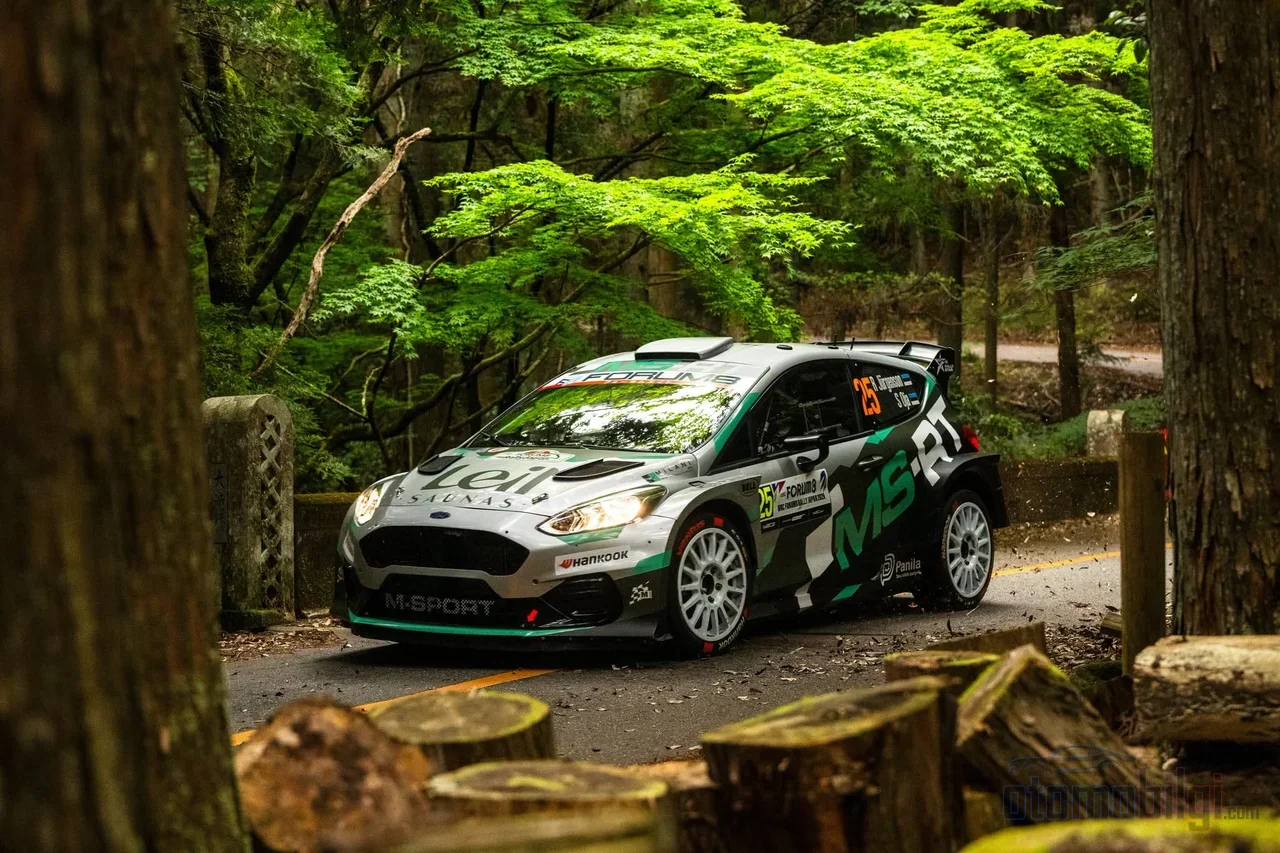
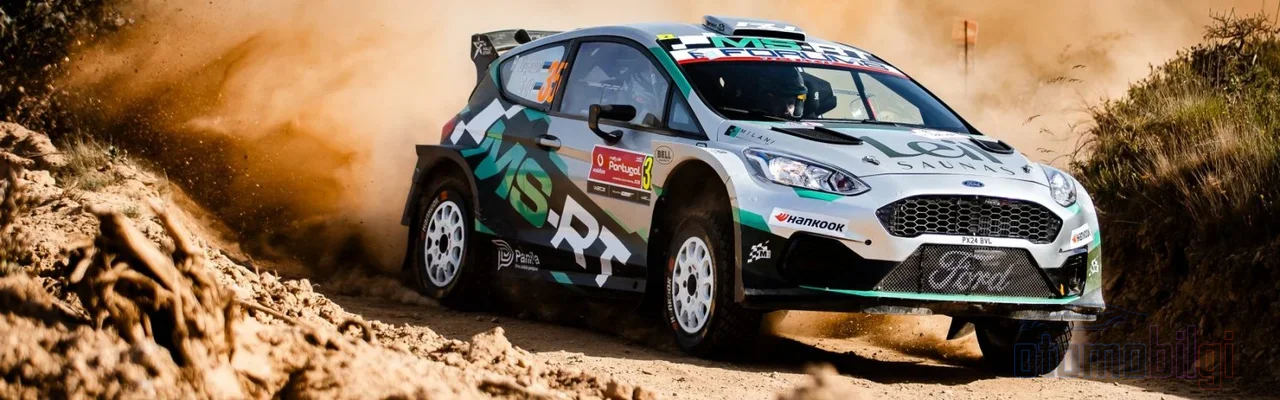
And the car has taken concrete shape. The 2027 WRC Fiesta Kit car was unveiled, and Matthew Wilson has taken the wheel in the testing program. Although the Fiesta's road production has ended, such a limitation is no obstacle to a well-planned homologation program in the racing world - M-Sport considers it part of the business it has been doing for years.
Which Path Have the Rival Manufacturers Chosen for 2027?
Among the current manufacturers, M-Sport is the only team to commit to the kit idea. Toyota made it clear that it has no plans to make a kit for the GR Yaris Rally2; instead, it is pursuing a two-pronged strategy. Technical director Tom Fowler's framework is as follows: Toyota, the only manufacturer developing an all-new WRC27 car for the new regulations, continues to offer customers the WRC2 opportunity while racing this car in the top class. In other words, Toyota chose not the kit route but its own customer program with its own new car.
Hyundai's situation is more modest. The Korean manufacturer will not build a car from scratch in WRC27; its only option is an improved i20N Rally2. Its presence in the field is correspondingly limited: it is reported that Hyundai will continue in 2027 with two privateer WRC2 teams. The withdrawal of factory colors from the top class will remind a conservative reader of the very ambitious factory order of two seasons ago - measuring the size of the difference, this alone is enough.
The table summarizes the positions of the main actors comparatively as follows:
| Manufacturer | 2027 Path | Field Presence |
|---|---|---|
| M-Sport / Ford | Fiesta Rally2 WRC Kit | Three kit cars, the full 15 stages |
| Toyota | All-new WRC27 car | Factory program + WRC2 customer cars |
| Hyundai | Improved i20N Rally2 | Two privateer WRC2 teams |
| Škoda | Rejected the kit idea | - |
| RMC Motorsport | New WRC27 car | Tuner team, 2027 target |
| Project Rally One | New WRC27 car | Tuner team, 2027 target |
How Will the Championship Balance Shape Up in 2027?
To be honest, the question of how many genuine factory teams the top category will see in 2027 remains open. Toyota is the only current manufacturer building an all-new car; Hyundai's plan is close to customer-spec mode, and on the Ford side, M-Sport's kit cars are technically below a factory commitment but will be regular and visible out in the field. For those who remember the old WRC that toured four continents, this is a different setup, but it can hardly be called alien: in some years the field was carried by just two or three strong teams, and the championship was still considered legitimate.
On the other hand, there is an optimistic reading of the depth of the field. The view that 2027 is a golden opportunity for privateer teams is backed by the low kit price and low car caps. Some publications, however, draw a different conclusion from the same data, opening the debate over whether the growing weight of tuner teams in the field represents a drop in level or an increase in accessibility. My reading is this: three Fiestas running all 15 rounds is a much healthier championship foundation than a single factory car failing to complete the season.
The New Calendar and Rules Amplify the Effect
The regulatory side is also ready for change. The WRC, with the return of the USA and the United Kingdom (Scotland), 15 rounds, approved a record 2027 calendar; the US round 26-29 August 2027 is planned for. The registration burden on entrants has been eased: entrants only have to run 15 rounds for two seasons, and the registration fee has been halved. The World Motor Sport Council also approved regulations allowing Rally2 cars to race alongside WRC27 machines in 2027.
This trio - a broad calendar, lowered entry costs, and a permitted mixed field - turns M-Sport's kit strategy from a cautious gamble into a sound business plan. Three cars across all 15 rounds means a year-round guaranteed showcase for sponsors and drivers.
Is the 7,500 Euro Kit Really Enough? What Are the Criticisms?
There is no shortage of sarcastic comments about the kit idea either: that for 7,500 Euros you get a rear wing and an updated bumper, and it is debated whether this will create any real performance difference. Opinion on social media about the car's looks is also mixed; some note with approval that the design resembles the 2016 WRC Fiesta, while others see it as a touch-up from a bygone era. I will admit, some of these criticisms are fair: a bumper and fenders do not transform a rally car.
But the essential question of the debate lies elsewhere: can kit-equipped Rally2 cars really race for wins in 2027? Clearly, the answer will be given on rally day, because the FIA explicitly states that the two sets of regulations are two separate technical frameworks expected to produce similar performance levels. Ensuring performance balance is the regulator's job; this is the path to kit cars being mathematically at least competitive. The Lancia, Dacia, or Prodrive scenarios circulating in forums should be treated as speculation, not verified information.
Where Does M-Sport's Move Take the Sport?
Let me close with an observation. M-Sport's kit strategy is not a tale of heroism; its name is taking the smartest position the conditions allow. In a formula with a cost cap, a customer focus, and a long homologation cycle, the side that carries its existing presence into the new rules by the cheapest route survives as an organization - and will likely return in 2028 much stronger with the Ford partnership. 2027, where Toyota's technological ambition and M-Sport's commercial savvy will compete on the same stage, carries the potential to be a season proving that competition can be found even in a budget order turned into matchsticks. Those who knew the old WRC will understand what I mean.
Sources
- M-Sport will develop Rally2 WRC Kit for 2027 – DirtFish
- 2027 Regulations Provide Clear Roadmap for Future Development of the WRC - WRC.com
- USA and UK return as WRC confirms landmark 15-round calendar - WRC.com
- How Toyota's 2027 WRC challenger is taking shape - WRC.com
- M-Sport's 2027 WRC Fiesta Kit car breaks cover - Motorsport.com
- Hyundai only has one option for WRC 2027 - Motorsport.com
- FIA reveals final details of WRC 2027 regulations - Yahoo Sports
- Why WRC 2027 is a golden opportunity for privateers – DirtFish
- FIA World Rally Championship set for landmark expansion - FIA