How Much Do Air Conditioning and Heating Increase Fuel Consumption in a Hybrid Car?
Share This Page
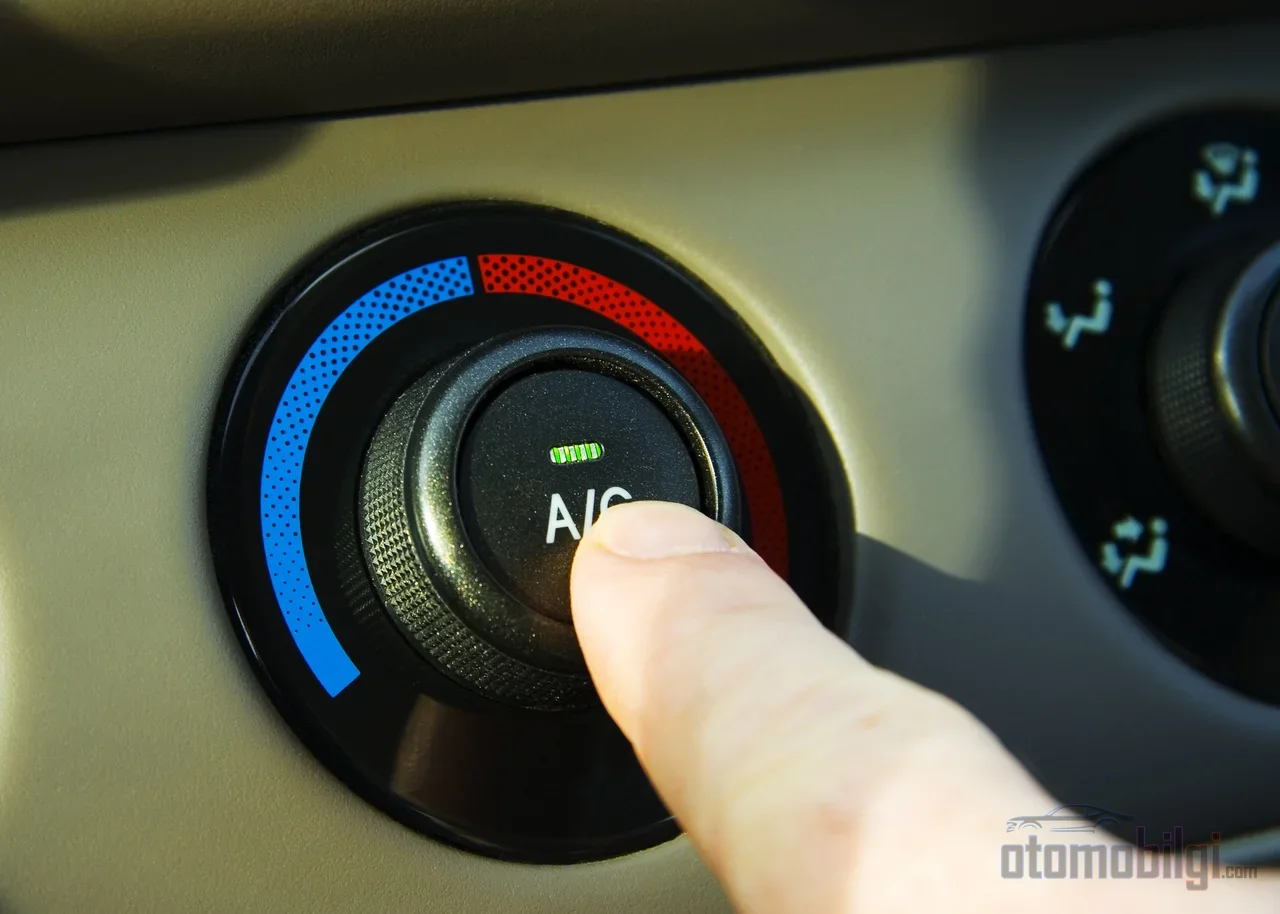
Air conditioning use in a hybrid car can reduce fuel economy by more than 25% especially on short trips; heating, on the other hand, noticeably reduces range and efficiency in cold weather. The energy load is shared between the engine and the battery, which is why the impact of air conditioning in hybrids can be measured as greater than in conventional vehicles. With proper ventilation and climate control habits, a significant portion of this loss can be recovered.
Highlights
- Air conditioning can reduce fuel economy in city driving by up to 21% can reduce
- Its effect in hot weather on short trips can exceed 25%
- -7°C hybrids' MPG drops by an average of 22.8% drops
- An electric compressor can improve performance by 15-54% compared to a belt-driven system
- A heat pump significantly reduces range loss compared to a resistive heater
How Much Does Air Conditioning Really Increase a Hybrid's Consumption?
The A/C compressor is one of the few consumers that continuously demands mechanical or electrical power for as long as a vehicle is running, and the ultimate source of this power is fuel. The measured effects vary over a wide band depending on usage conditions: in city driving with the air conditioning on, a loss of up to 21% in fuel economy has been measured, and it has been reported that in very hot weather and on short trips this figure can exceed 25% . In hybrids, the situation is somewhat more subtle; when driving in electric mode, the power drawn by the compressor comes directly from the battery, and as the battery depletes the engine kicks in more often, so the increase in consumption manifests itself in two layers.
From an engineering standpoint, it is clear why the effect is greater on short trips: when the cabin temperature difference is at its highest, the system runs at full capacity and has not yet reached a steady state. On a long journey, once the air conditioning reaches the target temperature, it operates only in maintenance mode; the steady-speed efficiency on the highway absorbs part of this load. On a short city distance, however, the system operates at the most demanding point throughout the journey, the distance in the denominator remains small, and the percentage rises.
Why Do the Figures Differ From Each Other?
It is natural to see differences among the percentages given for the effect of air conditioning, because the measurement conditions differ: outside temperature, trip duration, city/highway distribution, and cabin target temperature directly change the result. While an air conditioner running at a moderate setting on a mild day increases consumption in the low single-digit percentages, a vehicle making a short hop at the peak of daytime heat can see the loss climb above the twenties. The practical takeaway: the figure describing the worst case applies to short drives in hot weather; in mild and long drives, the effect is much smaller.
The Difference Between an Electric Compressor and an Engine-Driven Compressor
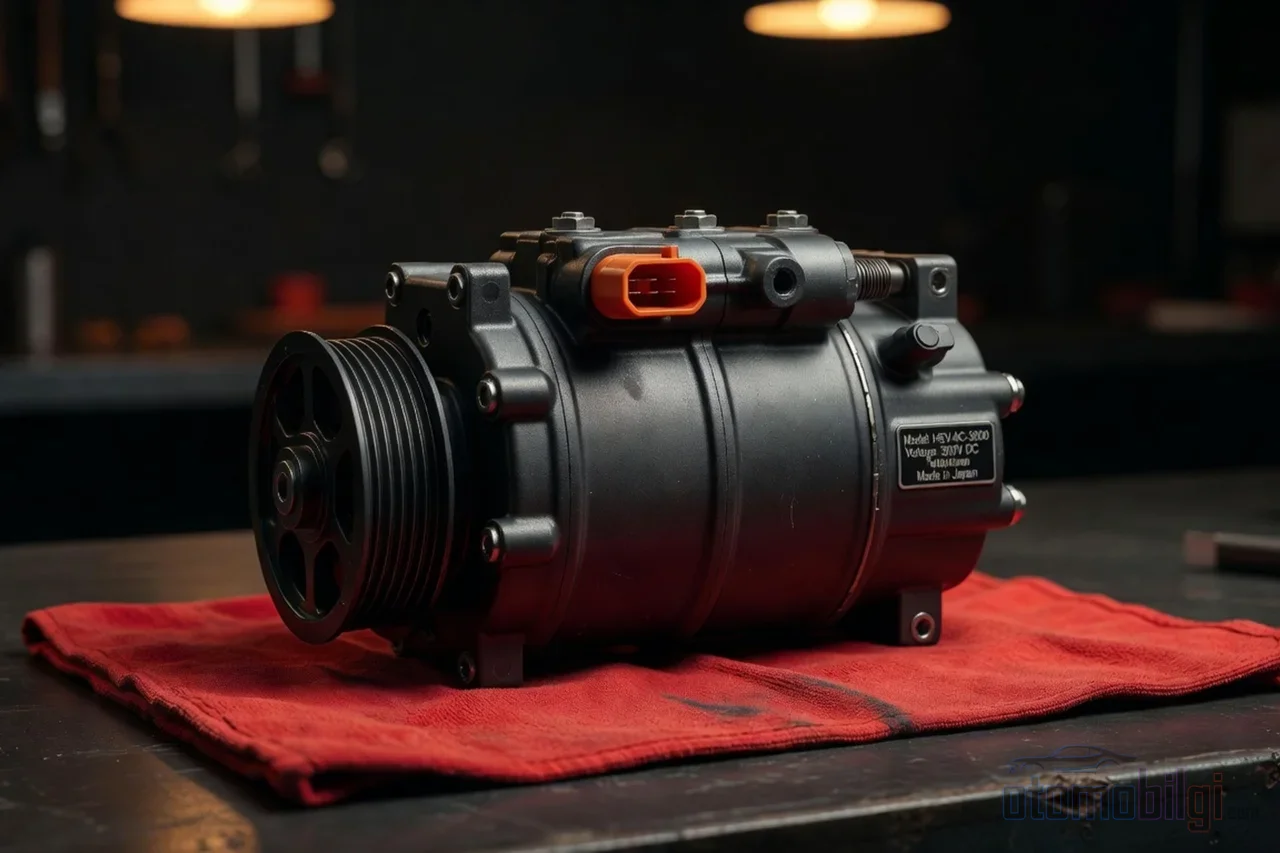
In the conventional system, the AC compressor draws power from the engine's belt: if the engine isn't running, the AC doesn't work either, and even at idle the compressor places a load on the engine. In hybrids, the common solution is an electrically driven compressor; it is fed from the high-voltage battery, operates independently of engine speed, and can deliver the targeted cooling performance across every rpm range. This independence has two practical consequences: the cabin can be cooled in electric mode, and the compressor speed can be precisely adjusted to demand, avoiding unnecessary power draw.
In numerical terms, it has been measured that an electrically driven compressor improves cooling performance compared to a belt-driven system within a range of 15-54% and reduces fuel consumption. The source of the improvement here is not solely the compressor's efficiency, but the controllability of the system: energy is not the work itself; what makes the difference is doing the work at the right time and in the right dose. Still, careful reading is needed; according to some users, the maximum cooling capacity of electric compressors can fall behind powerful belt-driven units. In other words, the electric compressor wins in efficiency, but is not equal in peak capacity in every application.
For hybrid users, what this means in driving is as follows: it is normal for the engine to suddenly kick in when the AC is on, but this happens less in vehicles with electric compressors. The HVAC system can still trigger the gasoline engine; for those who want to reduce this triggering, eco-climate modes preserve electric range by lowering the battery load.
How Does Heating Affect Consumption and Range in Cold Weather?
Cold is the toughest enemy of hybrid efficiency. At temperatures around -7°C an average drop of 22.8% has been measured in hybrids' fuel economy; user experiences typically describe this loss in the twenties to thirties percent range, even around 10 MPG per tank. One Honda Civic hybrid owner's long-term measurement sums up the situation: a car that achieves 45-47 MPG in summer drops to 36-38 MPG
levels in winter. The cause has several layers: a cold battery accepts and delivers less power, the engine runs inefficiently until it reaches ideal temperature, and cabin heating demands extra energy.
Resistance heater or heat pump? The energy accounting of cabin heating depends on which technology you heat with. A resistance heater converts 100% of the electricity it consumes into heat; its efficiency coefficient (COP) is 1, and it draws large power from the battery in cold weather, which in some cases can reduce range by 30%. A heat pump works in reverse: for every unit of electricity it consumes, it can produce 3-4 units of heat along with the heat it carries from the outside air. The measured difference is also clear: in mild cold, a heat pump reduces range by approximately 20% while a resistance heater reduces it by 33%; around 0°C, an improvement of up to 13.4%
The effect of heating is far greater on short trips. When the cabin and engine are cold, the system tries to heat at full power; if the trip is short, this high load is never balanced. The heater's effect on range in electric mode works by the same logic: every extra kilowatt drawn from the battery is subtracted from the electric range, and the engine kicks in, turning it into fuel consumption.
| Condition / System | Measured effect |
|---|---|
| Air conditioning, city driving | Up to a 21% drop in fuel economy |
| Air conditioning, very hot weather + short trips | A drop of over 25% |
| Hybrid, -7°C cold weather | An average 22.8% drop in MPG |
| Resistive heater (mild cold) | A loss of ~33% in range |
| Heat pump (mild cold) | A loss of ~20% in range |
| Electric compressor vs. belt-driven | A 15-54% performance improvement |
City or Highway: Where Does the Load Weigh Heavier?
The hybrid's natural habitat is stop-and-go traffic; thanks to regenerative braking and electric motor assist, city figures are better than highway figures in most hybrids, and manufacturers generally 48-60 MPG report figures in this band. However, climate control changes this picture: at low city speeds, the extra load of air conditioning and heating is added onto the total energy flow in a relatively large proportion. On the highway, since total consumption is higher, the relative share of climate control decreases, but due to aerodynamic drag and constant high speed, the hybrid's highway efficiency already fails to match the city figure in most models. The scenario where you feel the climate control load most harshly is a short, cold city trip; the scenario where you feel it most gently is a long highway journey at a steady speed in stable temperatures.
Concrete Ways to Use Climate Control Efficiently
Most of these losses can be reduced through usage habits. In cabin climate control, the goal is to provide the required comfort with minimum energy; here are some applicable practices:
- Use recirculation mode: Re-cooling already cooled air requires much less energy than cooling hot outside air and cools the cabin faster.
- Ventilate before setting off: In warm weather, first open the windows to expel the accumulated hot air, then run the air conditioning on a low setting. Parking the car in the shade or using a sunshade directly reduces the initial load.
- Keep the fan at medium speed: Once the desired temperature is reached at maximum fan speed, reduce the speed; a short period of high fan for rapid cooling on initial entry, followed by medium speed, makes sense.
- Prefer seat and steering wheel heating: These heaters warm the body directly and use far less energy than heating the entire cabin air; turn them off once the cabin is warm.
- Use ECO and eco-climate modes: These modes throttle the HVAC load and reduce unnecessary engine activation. Also stop shifting to N in stop-and-go traffic.
On the heating side, the most effective move is the one you can make before the journey begins: preheating the cabin while plugged into the charger covers the heating load from the outlet and leaves the battery fresh and at full capacity for the trip. On the first trip in cold weather, using circulation mode with the panel and foot channels together helps the cabin reach a comfortable temperature in a short time. On highway trips, maintaining a constant speed with cruise control keeps the engine and battery load predictable, limiting the relative impact of climate control.
Summary: Measure the Loss, Then Manage It
In a hybrid, air conditioning and heating are a variable that changes consumption from small percentage-point differences to losses reaching twenty percent, depending on the conditions you drive in. Air conditioning costs the most on short, hot city trips, while heating in winter melts both MPG and electric range at the same time. Technologies such as the electric compressor and heat pump structurally reduce this cost, but the gains on the driver's side - ventilation, circulation, preheating, targeted heating - are still the cheapest and most accessible efficiency tool. If you note the average consumption on the OBD data or the dashboard separately with the air conditioning on and off, you can measure your own vehicle's real coefficient within a few tanks of fuel; from there on, it is purely a matter of management.
Sources
- Does my AC really affect my gas mileage?
- Does a Car Air Conditioner Burn More Fuel?
- Crank Up the AC, Crank Down the Hybrid Mileage
- How Hot & Cold Temperatures Affect the Range of EVs & Hybrids
- Study: How Much Heat Pumps Boost EV Range
- Impact of the Electric Compressor for Automotive Air Conditioning Systems on Fuel Consumption and Performance Analysis
- Selecting an Electric Compressor for Off-Road Vehicles
- Why Do Hybrids Get Great City Gas Mileage?
- Using Climate Control on Hybrids & PHEVs
- Your Guide to Electric Vehicles in Winter
- How To Maximize Your MPG with Hybrid Cars
- How to get the most out of your electric vehicle in the winter
- Understanding Hybrid Vehicle Fuel Economy