What Are NOx, CO and Particulate Matter, and Why Are They Harmful to Us?
Share This Page
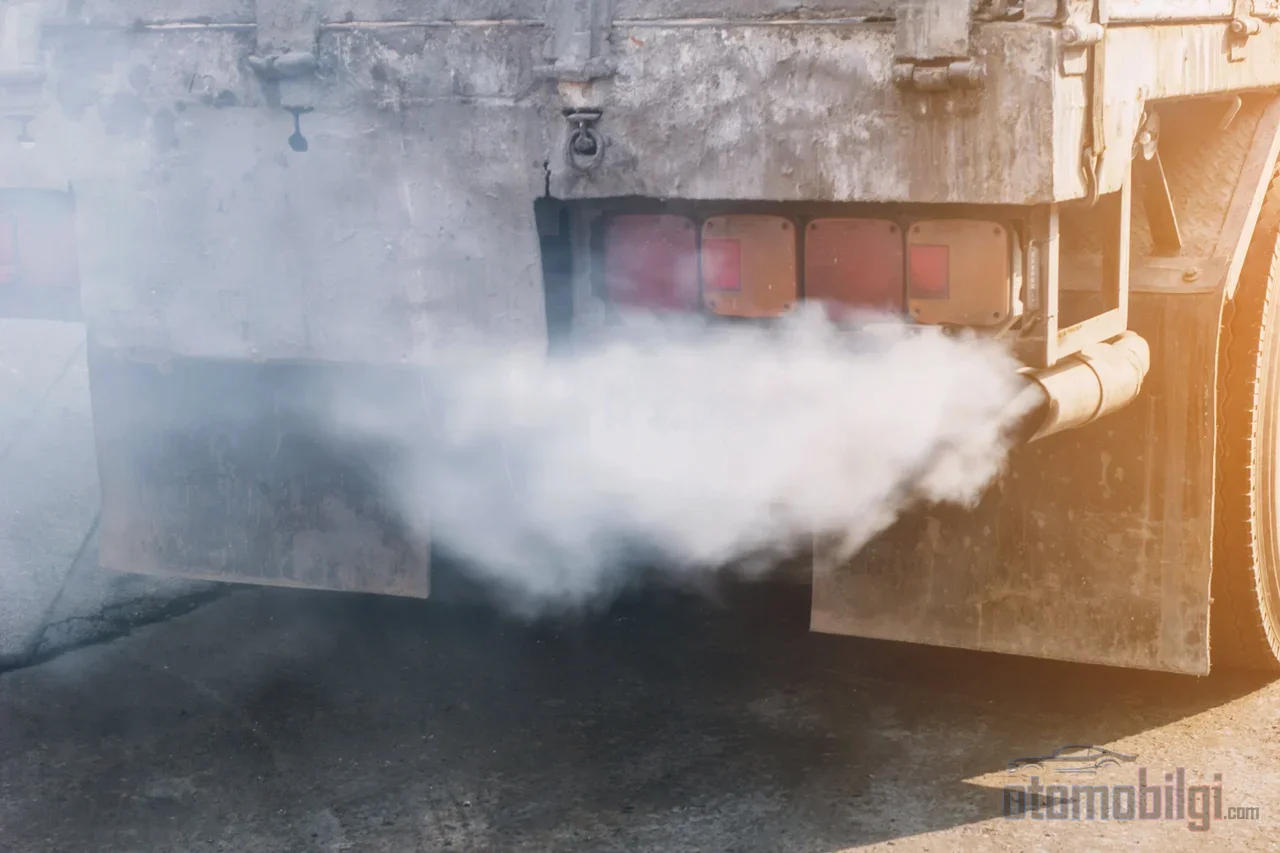
NOx, CO and particulate matter are the three main groups of polluting gases and substances emitted from the exhaust of internal combustion engine vehicles: nitrogen oxides arise from the reaction of oxygen with atmospheric nitrogen at high combustion temperatures, carbon monoxide is the product of incomplete combustion due to oxygen deficiency, and particulate matter consists of fine soot particles, especially seen in diesel engines. All three harm the respiratory and circulatory systems, which is why they are in the crosshairs of emission standards.
Highlights
- NOx is a general term covering the gases nitric oxide (NO) and nitrogen dioxide (NO2), and should not be confused with nitrous oxide (N2O), which is a greenhouse gas.
- The transportation sector is responsible for approximately 45% of the NOx emission inventory in some countries.
- The SCR system can reduce NOx with urea-based AdBlue by up to 90%. of these emissions.
- The Euro 6 standard also set a limit on particle numbers in diesel and direct-injection gasoline engines.
- Fine particles such as PM2.5 carry the highest health risk because they can penetrate deep into the lungs and circulatory system.
What Is NOx and How Does an Engine Produce It?
NOx is the collective name for nitrogen oxides. Its two most common components are nitric oxide (NO, one nitrogen one oxygen atom) and nitrogen dioxide (NO2, one nitrogen two oxygen atoms). NO can turn into NO2 through reactions in the atmosphere; NO2 is used as an indicator of the entire NOx group in air quality reports. Let me also correct a common confusion here: nitrous oxide (N2O), which is a greenhouse gas and affects the climate, is a different pollutant from NOx.
The formation mechanism is a simple matter of chemistry. The temperature inside the engine cylinder is sufficient for the nitrogen (N2) and oxygen (O2) molecules in the air to react with each other. This is not a desired goal of combustion, but an inevitable by-product of high temperature. The higher the temperature and pressure, the more NOx.
Diesel engines stand out for this reason. Diesels run with excess air, that is, oxygen-rich "lean" combustion; the oxygen per unit fuel and the cylinder temperature-pressure values make NOx production more abundant and stronger than in a gasoline engine. That is why the center of NOx control has always been on the diesel side; NOx emissions from vehicles have also been regulated since the 1960s.
Carbon Monoxide: Odorless, Colorless, Poisonous
Carbon monoxide is a poisonous gas, without odor or color, formed as a result of carbon not burning completely. The physiology behind its danger is clear: when CO enters the blood, it disrupts oxygen transport. The result is fatigue, headache, dizziness, and lack of concentration caused by insufficient oxygen reaching the brain. Among the first symptoms are headache, drowsiness, and nausea; advanced exposure can go as far as vomiting and loss of consciousness. Because it is odorless, serious exposure can reach lethal levels without being noticed.
The long-term exposure table is not to be taken lightly either; chronic CO exposure is most commonly associated with deficits in memory, attention and concentration, as well as Parkinson-type movement disorders. It is also known that regular exposure to exhaust gases paves the way for respiratory problems such as bronchitis, asthma and lung cancer.
The good news, technically speaking, is this: CO is a pollutant that can be converted into harmless carbon dioxide in the catalytic converter. The risk lies in the gas that never reaches the converter; if there is a leak in the exhaust line, CO can escape without being treated. That is why the integrity of the exhaust line is not merely a noise issue but a safety matter.
Why Is Particulate Matter as Dangerous as PM2.5?
Particulate matter is a mixture of tiny solid and liquid particles in the air; in everyday language, this is what we call "soot". The scale of the danger is directly related to the size of the particle. PM2.5 particles with a diameter below 2.5 microns penetrate deep into the respiratory and circulatory systems thanks to their small size. The ultra-fine particles that make up 80-95% of diesel soot pollution are small enough to enter lung cells.
PM is considered the main driver of the adverse health effects associated with diesel exhaust exposure. The effects listed by health authorities are as follows:
- Premature death in people with heart or lung disease
- Non-fatal heart attacks and irregular heartbeat
- Asthma exacerbation, respiratory inflammation and difficulty breathing
- With increased short-term exposure, a rise in the risk of acute death in those with cardiovascular disease or existing respiratory conditions
The impact is not limited to health alone. Particulate pollution reduces visibility, negatively affects climate and ecosystems, and causes material degradation. In other words, the soot emitted from the exhaust is as much an environmental engineering problem as it is a respiratory one.
Unburned Hydrocarbons (HC): Where Do They Come From?
There is another pollutant that does not appear as often as NOx in the exhaust table but sits in the same table: unburned hydrocarbons. Their sources sound familiar. The blow-by gases leaking from the crankcase and returning to the combustion chamber, the fuel-air mixture trapped in the ring groove clearances, the liquid fuel in the intake manifold and the oil film on the cylinder wall are among the main ones. Under high-load operation, the ring groove clearances are the primary source of HC emissions.
There is also a source outside the combustion chamber: fuel evaporation. Emissions from the exhaust are supplemented by losses from fuel evaporating from the tank and lines. For example, low-percentage ethanol blends can cause gasoline to evaporate more easily, increasing evaporation emissions. Incomplete combustion, oxygen deficiency or poor combustion conditions are combustion-side factors that directly increase HC.
Which Emission Standard Targets Which Gas and Why?
The Euro emission standards are a set of rules defining the maximum amount of pollutants a vehicle may legally emit; they were introduced in 1992 alongside the mandatory catalytic converter. The logic is simple: since each pollutant has a different mechanism of harm, a separate limit is set for each. CO targets oxygen transport, NO2 the airways, and PM the heart and lungs, which is why the standards measure all three separately.
| Pollutant | Cause of formation | Main effect |
|---|---|---|
| NOx (NO/NO2) | Nitrogen-oxygen reaction at high temperatures | Airway irritation, asthma, smog and acid rain |
| CO | Incomplete combustion in oxygen deficiency | Poisoning by disrupting oxygen transport |
| PM (soot) | Incomplete combustion, especially in diesel | Lung and heart disease |
| HC | Unburned fuel and oil leaks | Contribution to smog formation, airborne toxins |
The history of the standards also reflects this logic of distinction: since the Euro 2 stage, Europe has set different limits for diesel and petrol vehicles. Diesels are subject to stricter CO limits but are allowed higher NOx; petrol vehicles, on the other hand, were exempt from the particulate standard until Euro 4. Euro 6, which came into force in September 2014, significantly tightened the NOx and PM limits for diesel vehicles and introduced a requirement limiting not only mass but also fine particle numbers in both diesel and direct-injection petrol (GDI) engines. On the diesel side, this requirement necessitated the widespread adoption of the diesel particulate filter (DPF).
The gap between the laboratory and the real road sat at the center of the debate after Dieselgate. From September 2017 onwards, vehicles have been subjected to RDE tests, which take measurements under real driving conditions. The result is measurable: during the period covered by the Euro rules, NOx emissions fell by 84% from 2001 to 2017. Strict limits also made it necessary for SCR systems to become widespread in diesels.
How Are These Gases Cleaned Before Leaving the Exhaust?
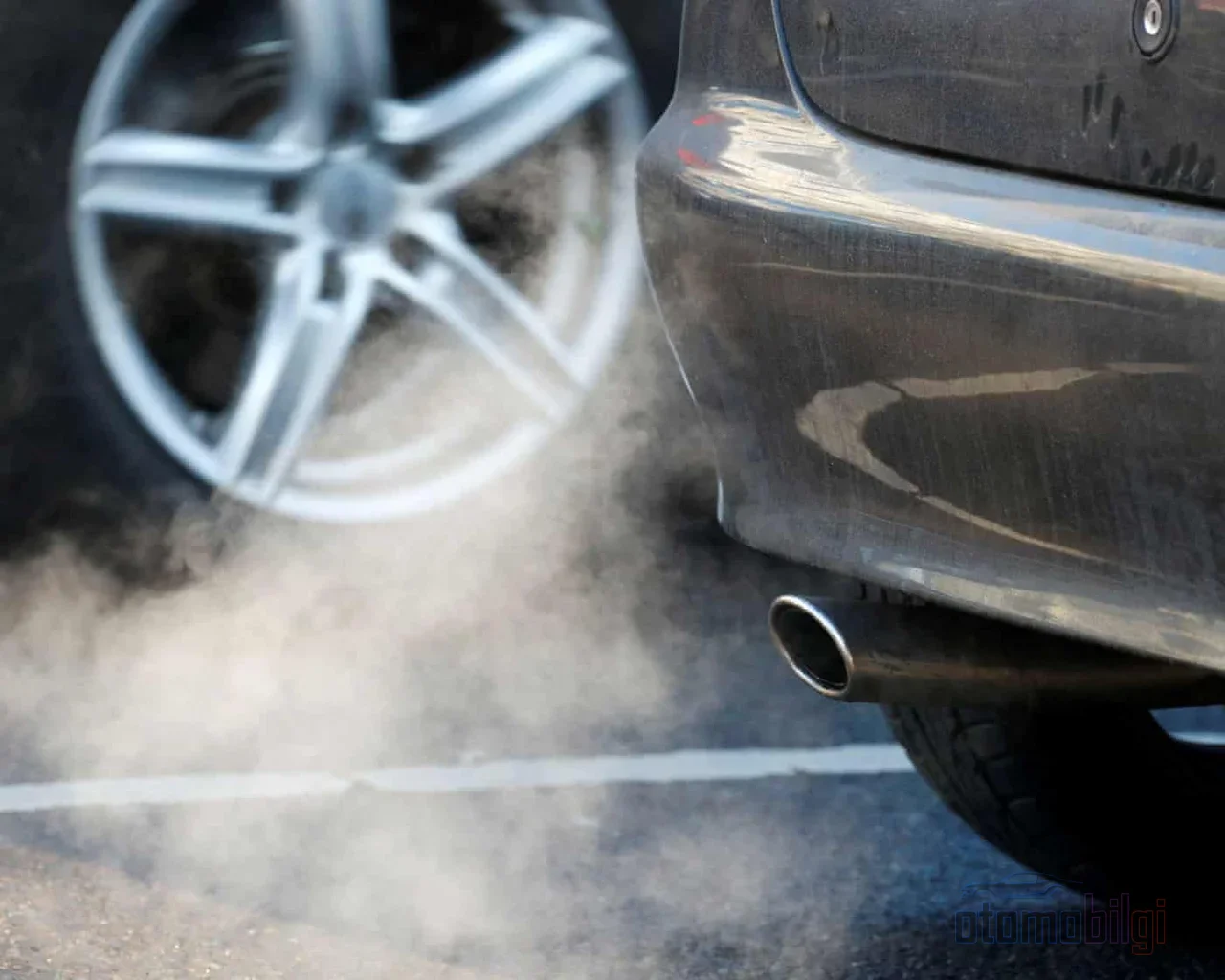
The modern exhaust after-treatment chain designs a separate solution for each pollutant. SCR (Selective Catalytic Reduction) injects a urea-based diesel exhaust fluid - known by its everyday name, AdBlue - into the exhaust flow; in the catalyst, NOx is reduced to harmless nitrogen and water. NOx reduction can reach 90%; in the same process, HC and CO are reduced by 50-90%, and PM by 30-50%. The DPF physically traps soot particles; the combination of DPF + SCR + DEF captures both soot and lowers NOx, while the SDPF, which combines the SCR function with the filter, does the same job in a single unit. There is also a measure inside the cylinder: EGR (exhaust gas recirculation) sends part of the exhaust gas back into the cylinder, lowering the oxygen amount and combustion temperature; since the temperature drops, the NOx formed is reduced.
The emission profile of new vehicles has changed noticeably as a result. Although new models produce slightly more CO2, they significantly reduce CO and NOx output compared to previous generations. From an engineering standpoint, this is an acceptable trade-off: climate impact and pollutant impact are different scales, and before 2015 the definition of a "low-emission vehicle" focused only on low CO2; after Dieselgate, pollutants such as NOx came to the forefront.
What Is the Background of the NOx Debate in Europe?
In 2015, it was revealed that Volkswagen had manipulated the emission control systems of its diesel vehicles to pass laboratory tests; on real roads, the vehicles produced up to 40 times more nitrogen oxides than reported. This single event did not remain a problem of one manufacturer: in the following years, evidence emerged that almost all diesel manufacturers in Europe used legal or probably illegal strategies to fall below test limits. The fact that laboratory tests do not reflect real driving also explains the persistence of the debate as an issue of the reliability of the standards.
The figures on the health side show the seriousness of the debate. It has been calculated that the excess emissions of Volkswagen vehicles sold in Germany will probably lead to 1,200 premature deaths; the excess diesel NOx emissions of 2015 have been linked to approximately 38,000 premature deaths worldwide, with the majority of this burden in Europe. In Europe, around 10,000 people die prematurely each year due to diesel vehicle emissions exceeding legal limits; exposure to NO2 in cities was estimated to have contributed to approximately 75,000 premature deaths across the European continent in 2012. The health cost of air pollution from road vehicles in the EU is estimated at 67-80 billion euros annually.
Studies on long-term exposure to NO2 report associations with all-cause, respiratory and cardiovascular mortality, as well as respiratory symptoms and lung function in children.
The trend is not moving in one direction only. Between 2005 and 2023, deaths attributed to PM2.5 in the EU decreased by 57% and the 55% reduction target for 2023 was met. In other words, measurable improvement is possible when regulation, technology and oversight work together. Opinions also diverge on where the solution should be sought: while one approach focuses on emission control technologies and standard enforcement, another view argues that the fastest NOx reduction comes from shifting the heaviest fuel-consuming vehicle users to electric vehicles.
Frequently Asked Questions About NOx, CO and Particulate Matter
Why is PM2.5 more dangerous than PM10?
The answer lies in size. PM2.5 particles can penetrate deep into the respiratory and circulatory systems thanks to their diameter of less than 2.5 microns; larger particles such as PM10 cannot reach this depth. As penetration depth increases, so does the cellular-level effect and the risk of transport to the cardiovascular system.
Does diesel or gasoline produce more NOx?
Diesel. Because diesel engines operate at higher temperatures and pressures with oxygen-rich combustion, they produce a higher volume of NOx. This is also the answer to why diesel NOx control requires additional systems such as SCR and EGR.
What are the symptoms of CO poisoning?
The initial symptoms are headache, dizziness, drowsiness and nausea; vomiting and loss of consciousness appear as the condition progresses. Since CO is odorless and colorless, exposure goes unnoticed until symptoms emerge.
Can the air inside a car really be dirtier?
Yes, in heavy traffic the air breathed inside a car can be worse than what a person walking on the same road breathes; exhaust gases can enter the cabin directly. This is a practical indicator of why closed windows and air circulation settings are so important.
To sum up: every pollutant leaving the exhaust has its own formation mechanism, route of harm, and a solution designed against it. NOx is the signature of high temperature, CO of incomplete combustion, PM of soot, and HC of unburned fuel; since the standards measure these four separately, it becomes easier to understand why each technology exists.
Sources
- Vehicle NOx emissions: The basics
- Nitrogen Oxides (NOx)
- Basic Information about NO2 | US EPA
- What is nitrogen oxide and how do cars create it?
- Nitrogen Oxides | ToxFAQs™ | ATSDR
- Health and Environmental Effects of Particulate Matter (PM)
- Carbon Monoxide & Health | California Air Resources Board
- Border Agents Exposure to Carbon Monoxide (CO)
- Inhalable Particulate Matter and Health (PM2.5 and PM10)
- A systematic review of the health effects associated with diesel exhaust
- European emission standards
- Facts About SCR
- Impact of excess NOx emissions from diesel cars on air quality
- VW's excess emissions and premature deaths
- New study quantifies impact of NOx emissions from diesel vehicles
- Air pollution | European Environment Agency
- Unburned hydrocarbon emission mechanisms in small engines
- In-car air pollution