Why and How Are Hybrid Batteries Cooled?
Share This Page
Hybrid batteries are cooled to keep the cells within their ideal operating temperature range of approximately 20–40°C; because the battery generates heat with every discharge, and if the heat is not brought under control, both efficiency drops and capacity loss becomes permanent. While air-cooled systems pass cabin air over the battery, liquid-cooled systems circulate a glycol-based coolant through pipes and provide much more precise temperature control.
Key Highlights
- The ideal battery operating range is approximately 20–40°C; the temperature difference within the pack should be at most 5°C.
- To maintain the same average temperature, air cooling consumes 2–3 times more energy than liquid cooling.
- In cold weather, hybrid fuel consumption can temporarily increase by 15–30%.
- At an ambient temperature of approximately 35°C, battery performance losses of up to 17% have been measured.
- The hybrid system coolant is typically replaced around 160,000 km.
Why Does the Battery Heat Up and What Exactly Does Thermal Management Do?
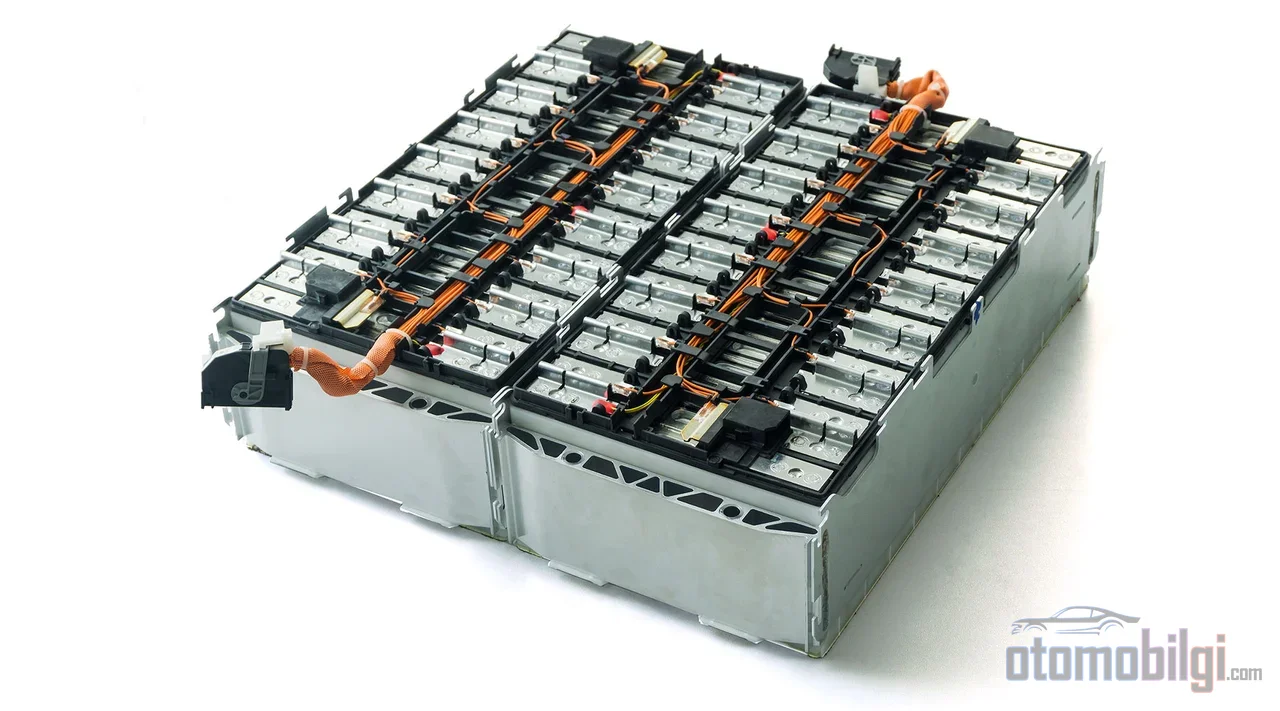
The job of a hybrid battery is not to store energy, but to keep energy constantly in motion. It discharges when accelerating and recharges through regenerative braking when slowing down. Each of these cycles runs chemical processes, and these processes have a natural by-product: heat. The rule is simple; the faster you discharge and charge the battery, the more heat is generated. Just like friction in a mechanical powertrain, electrical internal resistance converts part of the work into heat.
As heat rises, the electrons inside the cells become excited, and the voltage difference between the battery's two terminals decreases. This means the battery can transfer less energy. That is precisely the task of the thermal management system: to keep the engine, electric motor, power electronics, and battery pack within their respective ideal operating temperature ranges. The numerical targets are clear: to keep the entire pack within the approximately 20–40°C band and to keep the temperature difference between different regions of the pack below 5°C.
Although that 5°C uniformity requirement may seem excessively meticulous at first glance, its logic is sound. The cells on the hot side of the pack charge and discharge at a different rate than those on the cold side. Over time, this asymmetry accumulates imbalance between the cells, and the pack's overall performance is shaped by its weakest cell. In other words, the cooling system is not a comfort feature, but a component that directly determines the battery's lifespan and consistency. The extreme end of uncontrolled heating is thermal runaway, the scenario in which the cells overheat by feeding themselves and a fire risk emerges - and preventing precisely this is one of the reasons modern systems exist.
Air Cooling: Simple, Lightweight, and the Choice of Most Hybrids
Many classic hybrids cool their batteries with air. The principle is convection: the battery pack is usually placed under or behind the rear seat, and cabin air is passed over the battery modules through vents by a small electric blower. The conditioned air from the climate-controlled cabin does two jobs here; while keeping you cool, it also prepares the cooling environment for the battery.
The advantages of this approach are undeniable: fewer parts, low cost, low weight, and an easy-to-maintain structure. Some early electric vehicles used passive air cooling; in those systems, air passed over the surface of the pack through natural circulation, and safety issues emerged in hot climates. Hybrids usually go one step further, using forced air cooling with a fan: the blower actively draws heat away from the pack.
But its limits are also clear. Air has low thermal conductivity and heat capacity; it is seriously inadequate at transporting heat compared to liquids. For this reason, air cooling struggles to keep the battery within a narrow, precise range, and regional temperature differences can occur within the pack. On the other hand, to be fair: a hybrid battery is much smaller than the battery of a fully electric vehicle and operates with less cycling intensity. Many manufacturers consider cabin-air cooling sufficient for this small pack, and this assessment is a defensible engineering choice.
Liquid Cooling: The Price of Better Control
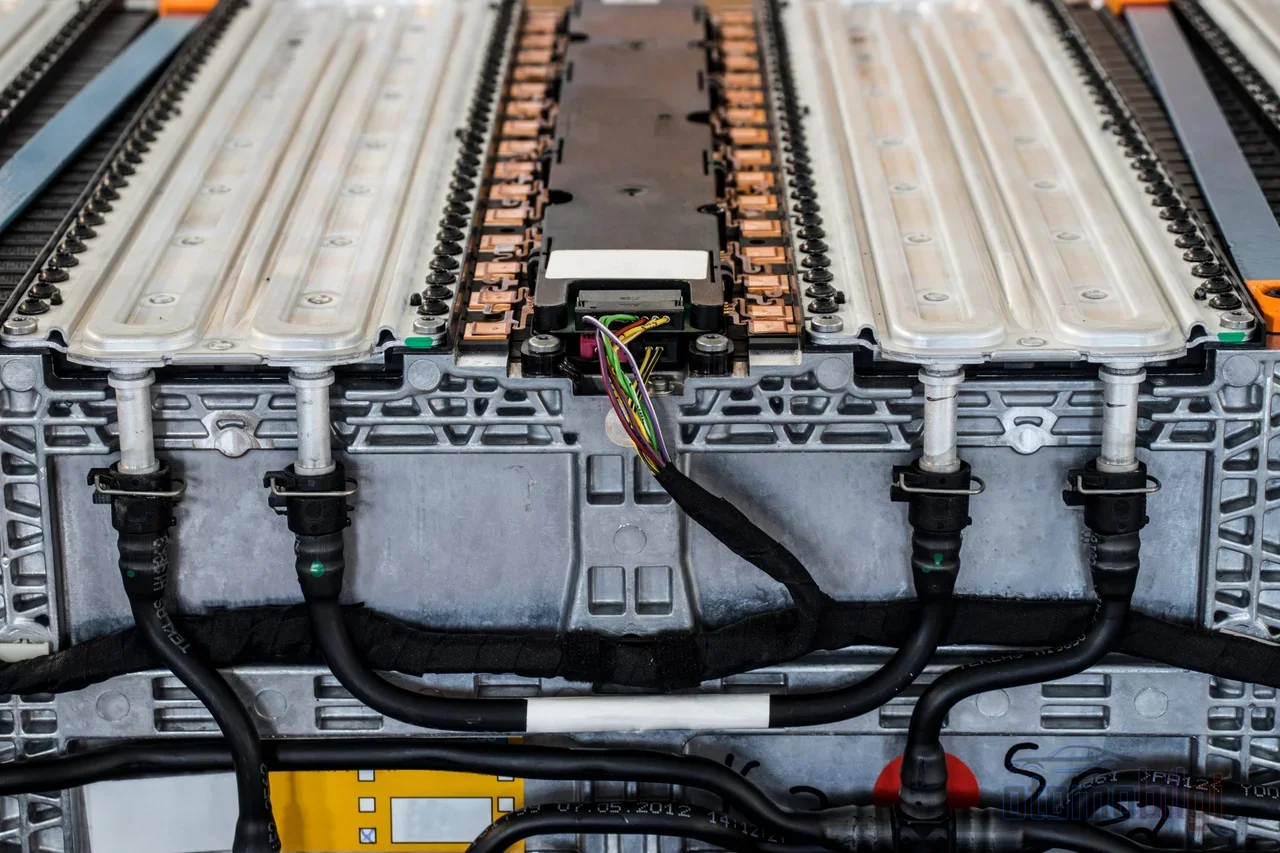
Liquid-cooled systems use a coolant that circulates inside or around the battery pack. There are two variants. In a direct system, the cells are in direct contact with the coolant; however, since this requires special fluids with low conductivity, no mass-produced vehicle with this design exists on the market today. Everything we see in practice is an indirect system: coolant circulating through metal tubes carries heat without touching the cells - its operating logic resembles the radiator circuit of an internal combustion engine, only controlled with far greater precision.
The composition of the coolant is also an interesting detail: about 99% of the mixture is glycol and water; the remaining 1% additive package protects the metallic components of the circuit against corrosion. In other words, your hybrid's battery cooling circuit carries a fluid that is chemically very close to the engine coolant you know.
Why is this extra complexity tolerated? Comparison data provides the answer:
| Criterion | Air Cooling | Liquid Cooling |
|---|---|---|
| System complexity | Simple, few parts | Pump, tubes, coolant circuit |
| Cost and weight | Low | Higher |
| Energy to maintain the same temperature | 2-3 times more | The most efficient method |
| Temperature uniformity | Regional differences can occur | Best uniformity |
| Typical use | Most classic hybrids | Premium hybrids and most fully electric vehicles |
What is striking in this comparison is that air cooling consumes 2-3 times more energy to do its job; indirect liquid cooling, on the other hand, provides the lowest maximum temperature rise under the same conditions. So air cooling is not "free"; by running the fan longer and harder, it takes the energy from the battery itself. The energy here ultimately reflects in fuel consumption. The right question is not "which method is better" but "which method is sufficient for which package" - for a small, lightly stressed hybrid battery, air cooling makes sense, while for a large, high-power package liquid cooling is almost mandatory.
How Does Temperature Affect Consumption and Fuel Economy?
A hybrid's fuel economy depends on the battery operating efficiently; and the battery's efficiency depends on its temperature. Every link in this chain is measurable. When battery temperature rises during operation, total fuel consumption increases, because the system either has to use the battery less or spends extra energy on cooling. This relationship between battery aging and fuel economy is a central research topic in hybrid energy management strategies.
Cold Weather: A Temporary and Measurable Loss
It is normal for a hybrid's consumption to worsen in cold weather, and it is usually temporary. Ambient cold can cause a temporary drop of 15-30% in fuel economy. There are several reasons for this: the battery works less efficiently in the cold and struggles to deliver the requested power, the gasoline engine has to run longer to heat the cabin and engine, cold air drag increases, and tire pressure drops, raising rolling resistance. So the loss does not come from the battery alone; it is the total penalty the cold season imposes on the vehicle. NiMH batteries have somewhat of an advantage in this regard; in the cold they typically experience a milder performance drop, in the range of 10-20%, compared to Li-ion cells.
Hot Weather: Not a Temporary Loss, But a Risk of Permanent Damage
The hot side is significantly more dangerous. Excessive heat reduces the batteries' charging efficiency; a full charge may take longer, or the battery may struggle to hold its charge. In the heat, cells self-discharge faster. The scale is concrete: at an ambient temperature of around 35°C, a loss of up to 17% in battery performance can be expected. Even more important is the difference in permanence: the efficiency loss caused by cold returns when the air warms up, whereas the capacity loss caused by repeated exposure to extreme heat does not. Heat increases the cells' internal resistance, permanently making them less efficient; continuous heat buildup and insufficient cooling shorten battery life, especially in the summer months. Erratic behavior of the charge level indicator is one of the typical signs that the battery is secretly overheating.
Cooling System Maintenance: What the Driver Can Do
Since the hybrid battery is charged without being plugged in, the driver has little room for intervention through charging habits; the main controllable area is the health of the cooling system. In air-cooled models, the critical part is the cooling filter through which the air entering the battery compartment passes. When this filter becomes clogged with dust and dirt, the fan runs longer to do the same job, airflow weakens, and the pack temperature rises. Manufacturers issue a periodic maintenance warning for these components on some models; following the maintenance schedule in the manual is the safest course.
- On air-cooled models, have the cooling filter cleaned or replaced according to the interval specified in the manual.
- Make sure the fan and air vents are not blocked; do not load items into the battery compartment and block the airflow.
- The hybrid system coolant is usually replaced around 160,000 km (100,000 miles); there may be differences between models, so the manual should be the reference.
- In summer, after extended use, parking the car in the shade and, if possible, running the air conditioning lowers the starting temperature of air-cooled packages.
There are two additional rules for plug-in hybrid users: try not to charge the battery while it is hot; letting it cool for a few minutes means both faster charging and better range. And frequent Level 3 DC fast charging shortens the battery's lifespan - prefer standard charging whenever possible.
Next-Generation Thermal Management: Phase Change Materials and Smart Control
Hybrid solutions that go beyond classic air and liquid cooling have matured rapidly in recent years. Phase change materials (PCM) temporarily balance the cells by absorbing large amounts of heat as they transition from solid to liquid at a specific temperature; but they have two structural limitations: they change volume during the phase change, and they cannot transfer the heat they absorb anywhere, meaning they cannot lower the overall temperature as much as liquid cooling. For this reason, current designs are moving toward hybrid systems that use PCM and heat pipes together with active air or liquid cooling; this way, the passive component absorbs momentary peaks, while the active circuit permanently carries heat out.
At the same time, the control side is getting smarter. AI-supported thermal management can plan in advance when the battery should be heated or cooled depending on conditions; multi-zone cooling architectures target each region of the package individually, more easily meeting that critical 5°C uniformity requirement and reducing imbalance between cells. Engineering findings that efficient thermal management shortens fast charging times and extends battery life are the main logic explaining the investment in this field. From the manufacturers' perspective, the equation is simple: every design effort spent on battery thermal management systems directly affects the package's warranty period and resale value.
Conclusion: The Invisible System, the Measurable Difference
Hybrid battery cooling is one of the vehicle's least discussed but hardest-working subsystems. Whether it is a simple blower working with cabin air or a sophisticated liquid cooling system with a circulating glycol circuit, its task is the same: to keep the cells within the 20-40°C band, at temperatures close to one another. A vehicle that achieves this gains more consistent fuel economy and a healthy battery for decades; one that fails to do so first faces temporary efficiency loss, and then irreversible capacity loss. What needs to be done on the driver's side is short: keep the filter clean, follow the coolant replacement interval, and don't unnecessarily strain the vehicle in excessive heat. Engineering takes care of the rest.
Sources
- Electric Vehicle Coolant and Cooling Systems - Dober
- How Do Hybrid Electric Cars Work?
- A comparative study between air cooling and liquid cooling - ScienceDirect
- Hybrid battery thermal management systems for electric vehicles - ScienceDirect
- Effect of Battery Temperature on Fuel Economy and Battery Aging - SAE Mobilus
- Navigating Summer Heat for EVs and Hybrids - Les Schwab
- How Ambient Temperature Impacts Toyota Hybrid Fuel Economy
- Hybrid Battery Health: 7 Pro Tips - KBB
- What Is Hybrid Battery Cooling? - Sparrowcar
- Hybrid Battery Maintenance: An Owner's Guide - Toyota Knoxville
- Hybrid Battery Lifespan - Toyota Cleveland Heights
- Thermal management for hybrid systems and electric drives - Bosch Mobility