2026 Peugeot 3008 Hybrid: How Good a Choice Is It?
Share This Page
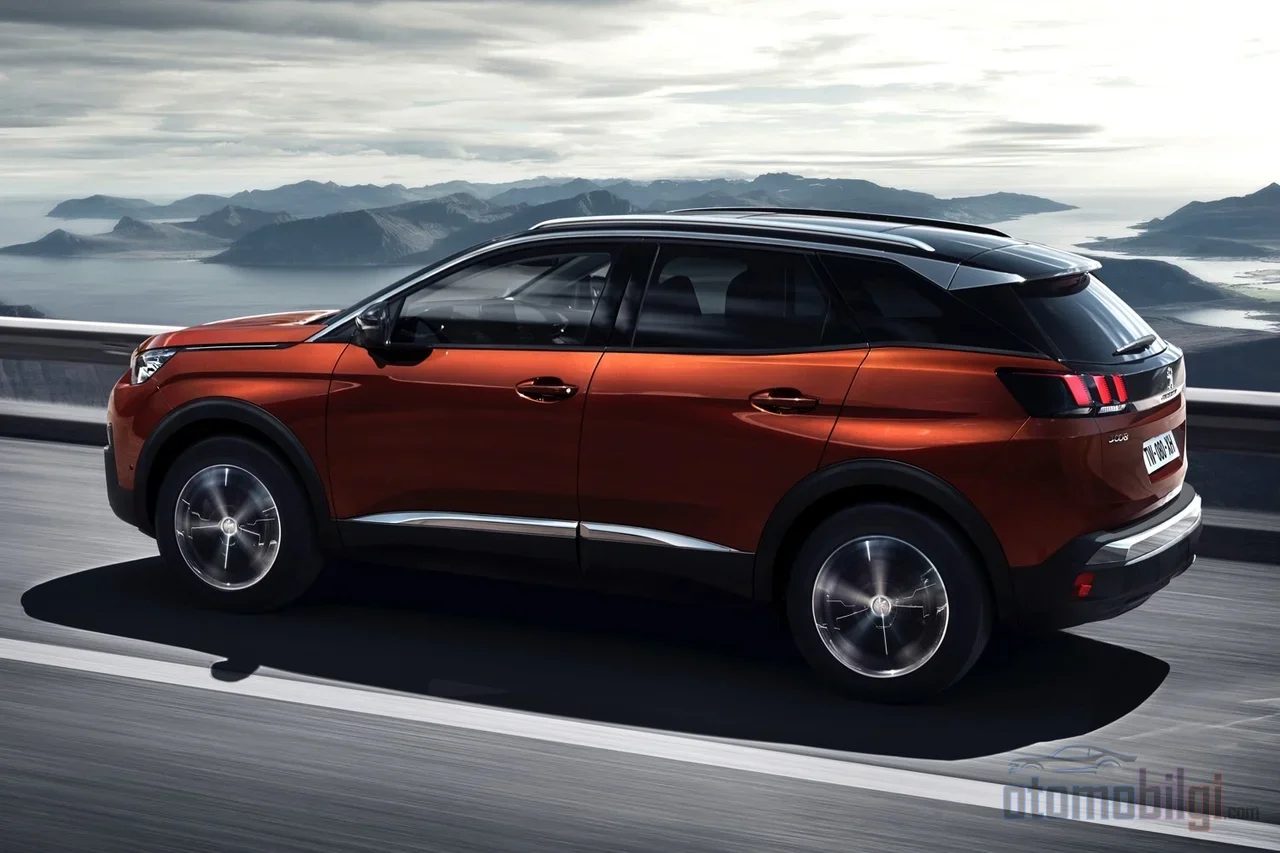
The Peugeot 3008 Hybrid is not a full hybrid but a 48V mild hybrid SUV; its 136 HP 1.2 PureTech gasoline engine is assisted by a 28 HP electric motor. This setup delivers noticeable fuel savings in the city and limited savings on the highway; it can travel only short distances on electricity alone and does not require external charging.
Highlights
- 48V mild hybrid system: 136 HP 1.2 PureTech + 21 kW e-motor, combined 145 HP
- WLTP combined consumption 5.5-5.6 L/100 km; according to manufacturer data, savings of up to 15% rate
- battery with 0.4 kWh usable capacity, 8 years / 160,000 km warranty
- 520 liters of trunk volume and 4.54 m body length
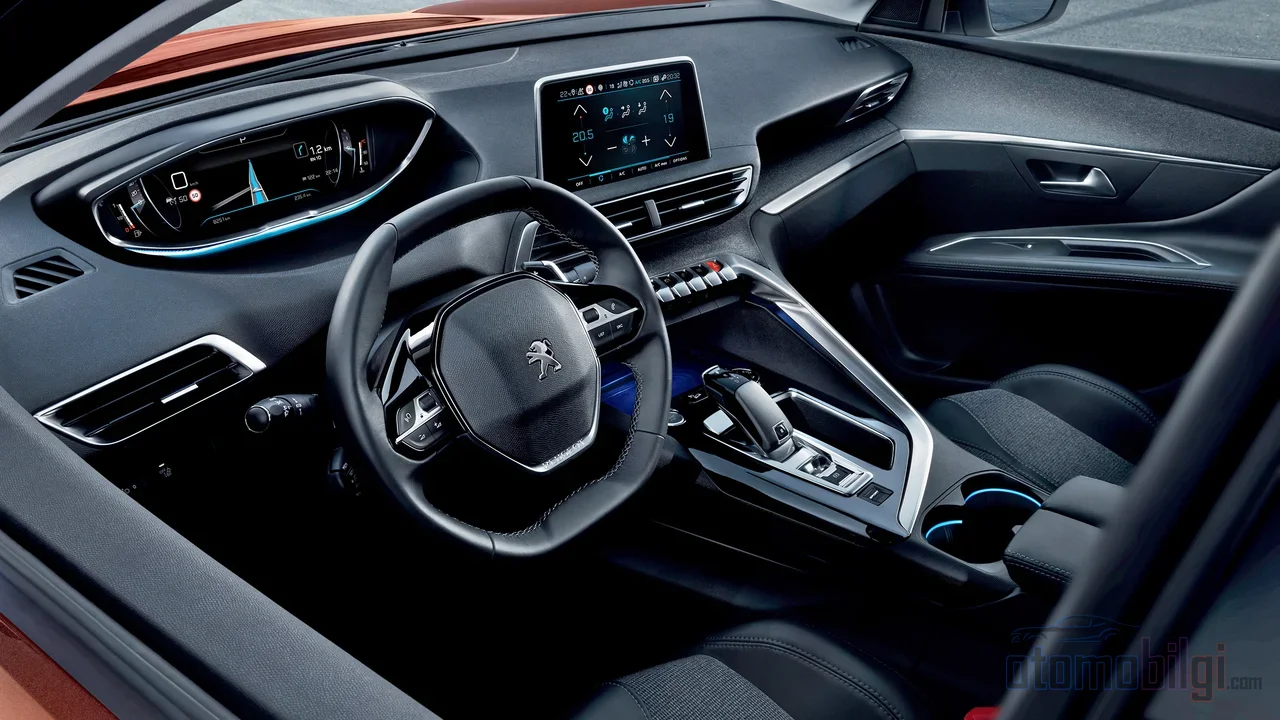
- 21-inch Panoramic i-Cockpit used for the first time in the new 3008's 21-inch Panoramic i-Cockpit used in the
How Does the 48V Mild Hybrid System Work?
Peugeot's 48V HYBRID architecture has three components: the new-generation 1.2 PureTech gasoline engine, an electric motor integrated into the transmission, and a 6-speed oil-cooled dual-clutch electrified transmission (e-DCS6). The gasoline side has a displacement of 1,199 cc, three cylinders, and turbocharging; it produces 136 HP at 5,500 rpm and 230 Nm at 1,750 rpm. The engine meets the Euro 6.e standard with efficiency-focused solutions such as a variable-geometry turbo and the Miller cycle.
The electric motor is a permanent-magnet synchronous type, producing 21 kW (28 HP) of power and 55 Nm of torque. The combined output of the two motors is stated as 145 HP; however, due to Turkish regulations, only the internal combustion engine's power, i.e. 136 HP, is recorded on the registration certificate.
The system's operating logic is cyclical: At startup and low revs, the e-motor kicks in to compensate for turbo lag and can move the vehicle entirely on electricity for short periods at low speeds. During deceleration, the gasoline engine shuts off, and the e-motor works like a generator to recharge the battery. At constant speeds up to 145 km/h, when the throttle is released, the internal combustion engine can disengage completely. In steady driving, 100% electric mode can last up to 1 kilometer. It is stated that more than half of urban driving time can be spent in zero-emission mode.
Battery and the comfort of not charging
The 48V lithium-ion battery has a gross capacity of 898 Wh and a usable capacity of 432 Wh, i.e. approximately 0.4 kWh. Since it is placed under the driver's seat, no compromise is made on cabin or trunk volume. Peugeot offers an 8-year / 160,000 km warranty on the battery. Since the system recharges itself through regenerative braking and normal driving, there is no plug-in 3008 Hybrid; this is the fundamental practical difference from plug-in hybrids.
Peugeot 3008 Hybrid Fuel Consumption: What Is the Real Consumption?
The answer to the question should be read in three separate regions depending on the usage profile. WLTP combined consumption is stated at around 5.5-5.6 L/100 km, with a CO2 value in the 124-126 g/km band. According to the manufacturer's own comparison, the system delivers an average saving of 1.0 L/100 km in combined use compared with a similarly sized non-electrified petrol C-SUV; this gain reaches up to 2.5 L/100 km in city driving, drops to around 0.7 L/100 km on long journeys, and motorway consumption effectively remains the same.
Real-world usage data confirm this picture: 5.5-7.0 L/100 km in calm city driving and 6.0-7.5 L/100 km in mixed use are typical. In motorway-heavy use, consumption rises to the 6.5-8.0 band; at a constant 120 km/h on long journeys, figures of 7.0-8.5 L/100 km are quoted. The technical explanation is simple: where the mild hybrid gains is in low-speed maneuvers, pull-aways, and the recovery of braking energy. On the motorway, the internal combustion engine is already doing the work, so electrification has nothing to lose. Someone who uses the 3008 Hybrid mainly in the city will feel the savings, while a predominantly motorway user will hardly notice the difference.
The 1,199 cc displacement also has a tax benefit: the engine falls into the lowest displacement brackets for the motor vehicle tax and offers an annual tax advantage compared with 1.5-1.6-liter hybrid rivals.
Is a 1.2 Engine Enough for This Size?
Beneath the question lies the history of the new-generation PureTech engines. The previous version of the engine was known for oil-immersed belt drive problems; the new version has switched to a chain drive, a change that eliminates the most critical reliability criticism. Still, it should be noted that the new engine's long-term track record has not yet matured.
On the performance side, 230 Nm of torque, a top speed of 201 km/h, and 0-100 km/h in 10.2 seconds are reasonable for this class. The e-motor's torque support at pull-away partly fills the low-rev gap, which is the typical weak point of three-cylinder engines. In city and mixed use, most users find the engine adequate; on steep climbs and with heavy loads, its limits may be felt. In other words, the 1.2 engine is the product of an efficiency balance rather than a maximum performance choice.
Interior, Equipment, and Boot Practicality
The new 3008, built on the STLA Medium platform with a fastback SUV line; 4.54 m length, 1.89 m width, and 2.73 m wheelbase, along with a 520-liter boot capacity, meet the needs of a family SUV. Thanks to the battery under the driver's seat, this capacity is preserved in the hybrid version too. Under the panoramic glass roof, additional storage areas of up to 34 liters are offered.
The standout piece in the cabin, used for the first time in the new 3008, is the 21-inch Panoramic i-Cockpit This design, which combines the instrument cluster and multimedia screens on a single curved surface, is supported by up to 10 customizable shortcut keys called i-Toggles. On the GT trim, 3D navigation is also included in this arrangement. The instrument dial specific to the hybrid version shows energy flow in CHARGE-ECO-POWER form, along with the battery charge level and the percentage of electric driving in real time; the AVAS system, which emits sound to the outside at speeds below 30 km/h, is also standard for pedestrians.
At the base trim level, there are 19-inch wheels, LED headlights, a rearview camera, rear parking sensors, emergency braking, and an active lane keeping assistant. The top GT package adds Pixel LED headlights, adaptive cruise control with stop-and-go, a 360° camera system with four cameras, 12 parking sensors, blind spot warning, heated seats, Alcantara upholstery, and a power tailgate to the list. The absence of items felt in daily use, such as front parking sensors, blind spot warning, and seat heating in the Allure trim, is a distinguishing point that makes the GT's price-equipment balance more sensible.
What Differentiates the Full Hybrid from Rivals? Toyota RAV4 vs Kia Niro Comparison
To understand the identity of the 3008 Hybrid, it is essential to clarify the distinction between mild hybrid and full hybrid. Full hybrid systems have a larger battery, more powerful electric motors, and e-CVT type transmissions; the vehicle can move on electricity over longer distances and at higher speeds. Mild hybrid, on the other hand, is a simpler and cheaper approach: the electric motor does not drive the vehicle on its own but assists the internal combustion engine. The savings potential is generally defined in the 5-12% range; full hybrids stay above this.
| Model | Hybrid Type | WLTP Consumption | Trunk |
|---|---|---|---|
| Peugeot 3008 1.2 Hybrid | 48V mild hybrid | 5.5-5.6 L/100 km | 520 L |
| Toyota C-HR 2.0 | Full hybrid, 197 hp | 4.7-4.8 L/100 km | 364 L |
| Opel Grandland 1.2 Hybrid | 48V mild hybrid | Comparable architecture | - |
| Renault Austral | 12V mild hybrid | - | - |
The main message in the table is this: the 3008 is listed with WLTP consumption up to 0.7-0.8 L/100 km higher than full hybrid rivals, but in return offers a distinctly larger 520-liter trunk. Stellantis's 48V architecture is also used in models such as the 5008 and Jeep Avenger e-Hybrid; on the Peugeot side, it was announced that the new engine will also come to the 208, 2008, 308, 308 SW, and 408. A noteworthy detail for the Turkish market is that this hybrid version was put on sale in October 2023 only with the GT trim, and the previous-generation 3008 sold more than 87,000 units in the country.
Limitations to Know and Controversial Points
Opinions on the value of mild hybrids are genuinely divided. The technical side is clear: the system is simple, cheap and requires no extra maintenance; but it doesn't deliver savings on par with a full hybrid and under no circumstances offers long-distance electric driving. The electric range barely reaches 1 kilometer, and only at low speeds and during short maneuvers. Some users therefore consider mild hybrid a low-return technology; some current owners also state that they prefer the fully electric e-3008 for long trips. On the other hand, being able to move on electricity over short distances is one of its most praised features, especially in heavy city traffic.
General feedback on the e-DCS6 transmission is positive; however, there are also users reporting slight judder at low revs, which is the typical character of dual-clutch DCT setups. This is not a fault but the nature of the architecture; still, it's a point to watch for during a test drive before buying.
Conclusion: Less Fuel for Whom, the Same Fuel for Whom?
The Peugeot 3008 Hybrid is a satisfying package for those who evaluate its technological identity in the right frame. Someone using it mainly in the city can benefit from the 48V system's launch support, electric maneuvers, and the MTV advantage of the 1,199 cc engine while seeing consumption close to WLTP figures. If your profile involves long highway distances, you should look at the consumption tables of full hybrid rivals; because the mild hybrid's gain effectively drops to zero on the highway. In return, the 3008 continues to be one of the most practical family SUVs in its class with its 520-liter trunk, large entertainment screen in its spacious cabin, and equipment richness. So the answer to the question is not a single yes or no: Savings are proportional to the usage profile.
Sources
- Peugeot Unveils New 48V Hybrid Technology for the 3008 and 5008 Hybrid
- Peugeot 3008 and 5008 with 48V Hybrid Technology in Türkiye
- Peugeot Hybrid Technology
- Peugeot 3008, SUV Design and Features
- New Peugeot 3008 Technical Brochure
- Peugeot 3008 1.2 Hybrid Fuel Consumption and Review
- What Is Mild Hybrid (MHEV)?
- Peugeot 3008 | Is the Hybrid Even More Sensible? | First Drive
- Toyota RAV4 vs Peugeot 3008 Comparison