Cult Cars in Video Games
Share This Page
The coolest cars in video games live across a broad universe stretching from the Gran Turismo simulations to GTA's fictional brands: Vehicles like the Nissan Skyline GT-R R34, BMW M3 GTR, Banshee and Suzuki Escudo were loved by millions of players on screen and even influenced real-world sales. Here is the story of the stars of the virtual garage.
Highlights
- The first Gran Turismo launched in Japan on December 23, 1997 and had the biggest roster of its time with 150 licensed cars
- The series has sold more than 100 million copies to date; PlayStation's best-selling game series
- TVR's sales increased sixfold after the brand was first featured in Gran Turismo
- Thanks to GT Academy, ordinary players became real racing drivers
- As of October 2026, GT7 continues on its way with 583 cars
How was the virtual garage born? A five-person team and a five-year dream
It all started in 1992. Kazunori Yamauchi, founder of Polyphony Digital, started a racing game with a team of just five people and the job took a full five years. Know what's surprising? Sony initially rejected Yamauchi's idea of such a realistic simulation. In other words, the biggest racing series in gaming history almost never existed.
But on December 23, 1997, the first Gran Turismo hit the shelves in Japan, and everything changed. While the Need for Speed of the era made do with just nine cars, the first Gran Turismo arrived with 150 licensed cars. This meant the first generation of players to see more than 100 licensed cars in a racing game. On top of that, the series still carries the subtitle "The Real Driving Simulator" - a bold but justified name.
A passion that grows in numbers: How did the roster go from 9 cars to 1,200 cars?
The number of licensed cars became a competitive arena for racing games. The car count skyrocketed to 650 in Gran Turismo 2 and to 1,200 in Gran Turismo 6. Technology advanced at the same pace: while cars in the first two games were made up of roughly 300 polygons, this number reached 4,000 in GT3 and GT4, and an incredible 500,000 in GT5's "premium" cars. If you don't know what a polygon is, think of it this way: it's like building a car with LEGO; the more pieces, the smoother and more realistic the appearance.
| Game | Number of Licensed Cars | Notable Detail |
|---|---|---|
| Gran Turismo (1997) | 150 | The biggest licensed roster of its time |
| Gran Turismo 2 | 650 | Roster nearly quadrupled |
| Gran Turismo 6 | 1,200 | One of the series' peak points |
| Gran Turismo 7 | 583 | Current number as of October 2026 |
So what's the status of the 583 cars in GT7? The series is still alive: Under the Spec IV update, new cars will be added in October and December 2026, and six models have already been announced. Still, players say GT7's car list is losing its relevance; in other words, no matter how big the roster is, players' appetite is always a little bigger.
What is the most iconic video game car of all time?
This debate is the most beloved argument of gaming forums. But a few names sit at the top corner of every discussion. The colorful JGTC Nissan Skyline GT-R R34 from Gran Turismo 3 is the strongest candidate in "greatest video game car of all time" debates. The Suzuki Escudo Pikes Peak is the legend of the first Gran Turismo: that giant-winged monster, barely realistic in hill climb races, regularly appears on lists of the most iconic vehicles in gaming history.
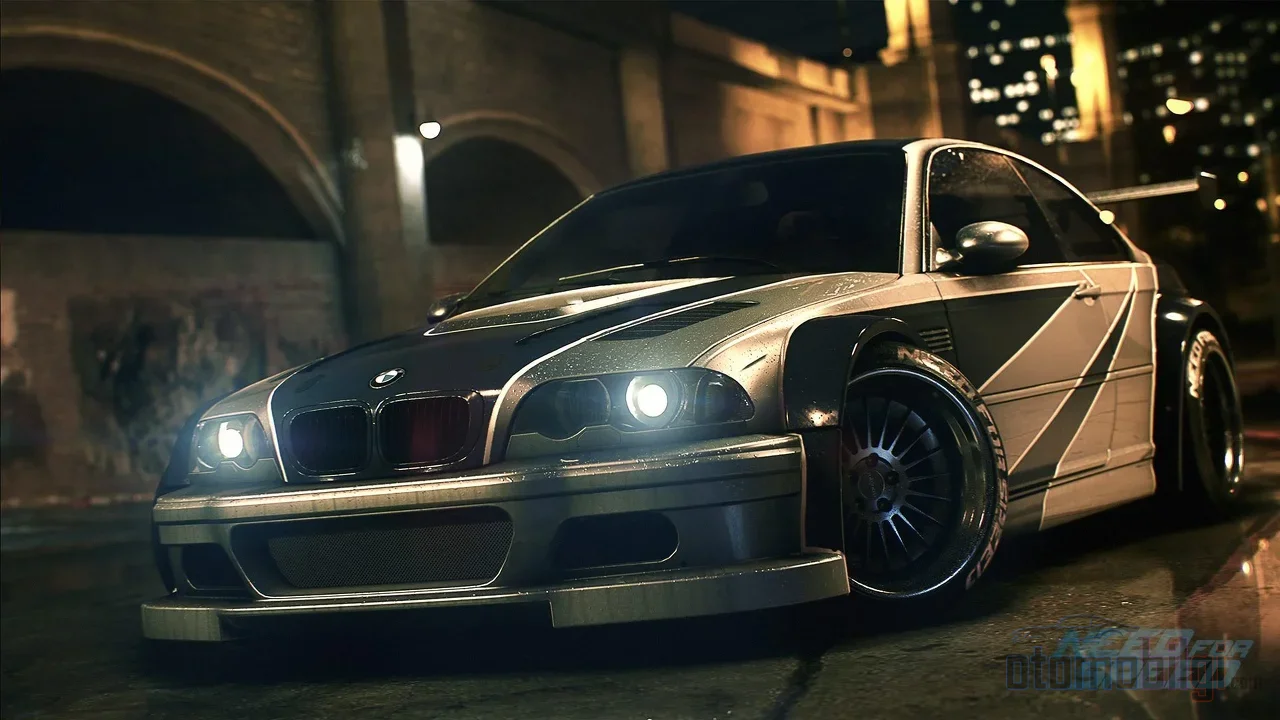
On the Need for Speed front, the debate is almost settled: The BMW M3 GTR E46 is the symbol of 2005's Most Wanted and the car most players call "the most iconic." There are two more classics alongside it: NFS III: Hot Pursuit's Lamborghini Diablo SV and NFS II SE's FZR 2000. The Forza community champions the McLaren P1 as the star of Forza Horizon. If it were you, which one would you choose?
Why doesn't GTA use real brands? The story of how fictional brands became iconic
Here was the most interesting question: Why is there no Ferrari in GTA, but there is a Grotti? The answer is two words: copyright risk. To avoid potential copyright issues, Rockstar preferred to use fictional vehicle brands. But here's the beautiful part: this necessity also gave Rockstar the freedom of parody and creative control. Crime-themed missions can be built far more comfortably around these fictional brands.
Fictional does not mean "cheap copy." GTA vehicles are inspired by real vehicles, and players know these pairings by heart: Ubermacht is BMW's, Pegassi is Lamborghini's, Pfister is Porsche's, and Schyster is Chrysler's virtual relative. For example, the Schyster Deviant is based on the AMC Javelin. It has even been written that the vehicles in the GTA VI trailer are strikingly accurate clones of many real models, from Lamborghini to Dodge. In other words, Rockstar isn't copying; it produces real models in light disguise.
And some fictional vehicles have now earned a fame of their own. The Banshee is a staple of "best vehicles that exist only in video games" lists. GTA's getaway vehicles; have turned into a genuine virtual car culture, nourished by brands, garages, meetups, and collecting. Players develop a genuine sense of ownership toward vehicles they will never encounter in the real world. The same list also includes names like Halo's Warthog, F-Zero's Blue Falcon, and Ridge Racer's F/A Racing - fiction has no limits.
The behind-the-scenes of licensing: Are manufacturers being paid?
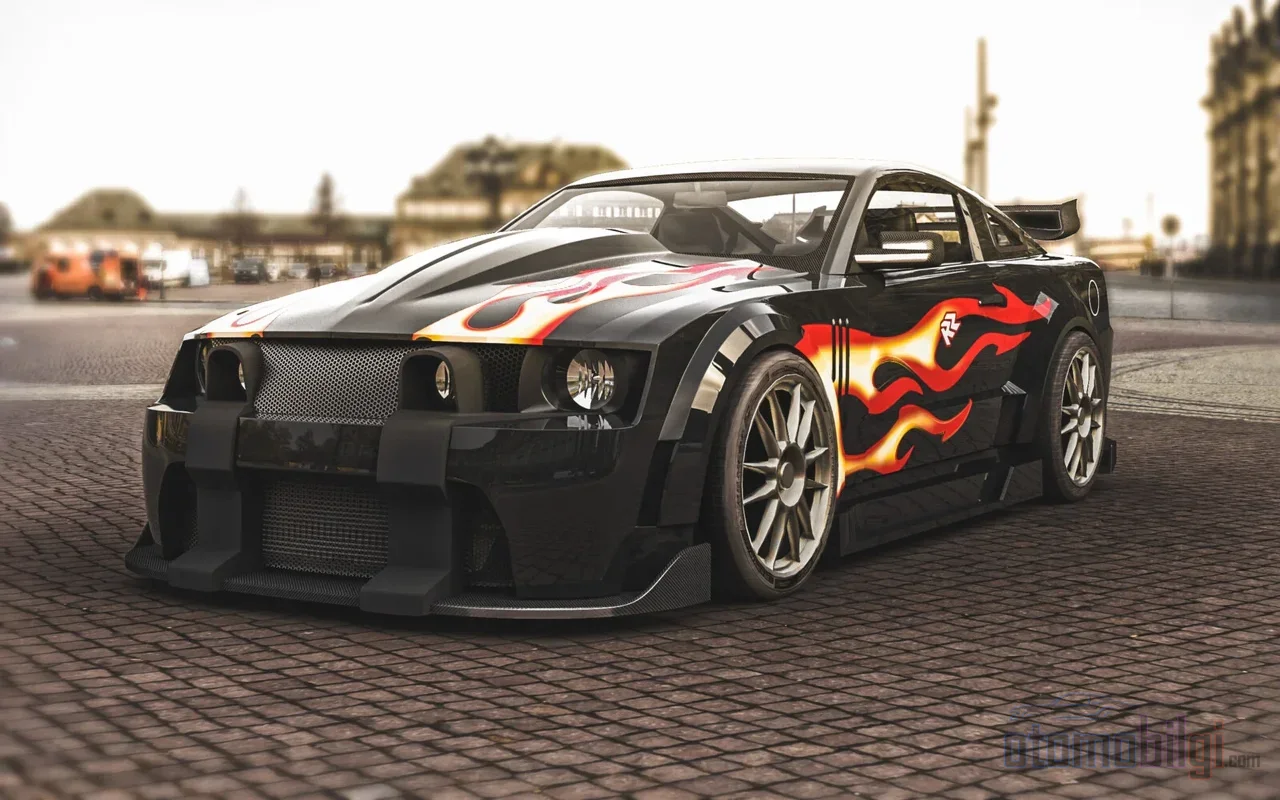
A real Nissan or Ferrari appearing in games is no coincidence. Developers must negotiate permission individually with manufacturers to model and represent each vehicle. What's even more striking: in many cases, developers are paying car manufacturers to have their vehicles included in the game - Ford has openly confirmed this. So under the hood, there is not just technology but also a serious commercial negotiation.
Licenses also determine competition. When major publishers acquire exclusive rights to series like Formula 1 or NASCAR, games without that license are left behind. And there is a dark side to licensing: when license terms expire - roughly within five years - racing games with licensed vehicles can be removed from digital stores. You cannot buy a game that is no longer on the shelf; such is the painful reality of licensing.
So where is Porsche? The RUF story
One of the classic grievances of the Gran Turismo community: you cannot find Porsche in older GT games. Instead, there were RUF vehicles - RUF being a respected German brand that builds its own Porsche-based cars. Porsche appearing in other series while absent from GT has been a debate players have discussed for years. When the doors of the two parties' license agreements will open is unknown; but thanks to RUF, players had entered the world of Porsche through a door that was quite close.
And there is a project that is the complete opposite: Vision Gran Turismo. Mercedes-Benz, BMW, Ferrari, Bugatti, Lamborghini, Alpine and many other manufacturers designed concept cars for the series that would live only in the digital world. Just imagine: manufacturers put their design teams to work on a car they will never actually produce. Because virtual visibility is now as valuable as real-world brand value.
From screens to asphalt: How did games shape real automotive passion?
The evidence that these games touched the real world is concrete. TVR's sales increased sixfold after the brand was included in the first Gran Turismo. Mitsubishi openly stated that the game's popularity was partly influential in its decision to bring the Lancer Evolution VIII to the US. So a game can influence which country a car will be sold in. This, in my opinion, is a fascinating moment in automotive history.
What is even more striking: games trained real drivers. GT Academy was an initiative that began in the Gran Turismo 5 era and enabled players to become real motorsport drivers. The time trial demo with the Nissan 370Z was released on December 17, 2009; a player sitting on the couch proved that a few years later they could race professionally on the track. The series' story was brought to the cinema in 2023, gained sport status as part of the Olympic Esports Series with FIA support, and in 2024 Mercedes-AMG included GT7 in its own sim racing programs.
Moreover, the influence is also visible in design: It is frequently said that video games have influenced real-world vehicle design, raised a new generation of car enthusiasts, and inspired car customization culture. It is even said that Cyberpunk 2077 set a new standard in fictional vehicle design. The car you saw in a game may appear years later on the street as a real model shipped from Sudan - I think we can call this the virtual garage's finest victory.
The future of the virtual garage: Who will be the next cult car?
New cars are coming to Gran Turismo 7 as part of Spec IV; according to data mining lists, thirty more new cars could be added to the roster, but this has not yet been confirmed, so let's be cautious. There are also players who argue that interest in fictional cars is growing - perhaps the next "best game car of all time" is waiting for you today in a GTA garage or a simulation's concept exhibition. One thing is certain: this passion growing at the console and keyboard turns more and more wheels in the real world every day.
Sources
- Gran Turismo (series) - Wikipedia
- Gran Turismo 7/Car List - Gran Turismo Wiki
- Gran Turismo 7 Spec IV Cars: Full List - BoxThisLap
- The most iconic cars from Need For Speed games - Top Gear
- The 10 most iconic cars in gaming history - XDA Developers
- What's The Greatest Video Game Car Of All Time? - Jalopnik
- These Are The Best Cars That Exist Only In Video Games - Jalopnik
- Grand Theft Auto Cars and Their Real-Life Inspirations - Hemmings
- Meet The Real-Life Cars That Inspired The GTA VI Trailer - Maxim
- How Grand Theft Auto Built a Virtual Car Scene - Auto Culture Society
- Why fictional car brands make more sense than real ones - Sportskeeda
- How Do Real Cars End Up In Video Games? - Fast Company
- How Licensing Limitations Impact Racing Games - Operation Sports
- Gran Turismo 7's car list is outdated - RacingGames.gg
- What Video Game Has the Best Fictional Cars? - The Drive
- 10 Cars From Video Games We Wish Were Real - HotCars