Otomobilgi.comOtomobilgi.com
  • Türkçe
  • English
  • Deutsch
  • Français
  • Italiano
  • Español
  • Português
  • Polski
  • Magyar
  • Azərbaycanca
  • Bahasa Indonesia
  • Русский
  • 中文
  • 日本語
  • 한국어
  • हिन्दी
  • বাংলা
  • العربية
  • فارسی
  • Türkçe
  • English
  • Deutsch
  • Français
  • Italiano
  • Español
  • Português
  • Polski
  • Magyar
  • Azərbaycanca
  • Bahasa Indonesia
  • Русский
  • 中文
  • 日本語
  • 한국어
  • हिन्दी
  • বাংলা
  • العربية
  • فارسی
  • HOME PAGE
  • NEWS
    Turkish Automotive Industry News
    Global Automotive Industry News
    Turkish Motorsports News
    Global Motorsports News
  • INTERNAL COMBUSTION
    Internal Combustion Models
    Internal Combustion Engine Technologies
    Fuel and Consumption
    Emission and Environment
    Internal Combustion Ownership
    History of the Internal Combustion Automobile
  • ELECTRIC
    Electric Models
    Electric Car Technologies
    Charging and Infrastructure
    Battery Technology
    Range and Consumption
    Electric Vehicle Ownership
    History of the Electric Car
  • HYBRID
    Hybrid Models
    Hybrid Systems
    Battery and Charging
    Consumption and Efficiency
    Hybrid Ownership
    History of Hybrid Cars
  • TECHNOLOGY
    Driver Assistance Systems
    Safety Technologies
    Lighting and Visibility Technologies
    Infotainment and Connectivity
    Autonomous Driving and Artificial Intelligence
    Future Technologies
  • GUIDES
    Buying Guides
    Sales Guides
    Maintenance and Use
    Ownership and Costs
    Tires and Wheels
    Insurance and Inspection
  • HISTORY & CULTURE
    Automobile History
    Iconic Models
    Classics and Collections
    Türkiye's Automobile Journey
    Automobile Design
    Cars and Popular Culture
  • MOTORSPORT
    Formula 1
    Rallying (WRC)
    Rallycross
    MotoGP
    Formula 2 & Formula 3
    Karting
    24 Hours of Le Mans
    WEC
    NASCAR
    IndyCar
    DTM
    GT Races
    Drift
    Drag Races
  • Türkçe
  • English
  • Deutsch
  • Français
  • Italiano
  • Español
  • Português
  • Polski
  • Magyar
  • Azərbaycanca
  • Bahasa Indonesia
  • Русский
  • 中文
  • 日本語
  • 한국어
  • हिन्दी
  • বাংলা
  • العربية
  • فارسی
  • Türkçe
  • English
  • Deutsch
  • Français
  • Italiano
  • Español
  • Português
  • Polski
  • Magyar
  • Azərbaycanca
  • Bahasa Indonesia
  • Русский
  • 中文
  • 日本語
  • 한국어
  • हिन्दी
  • বাংলা
  • العربية
  • فارسی
  1. HOME PAGE
  2. ELECTRIC
  3. Electric Car Technologies

Electric Automobile Technologies

Share This Page
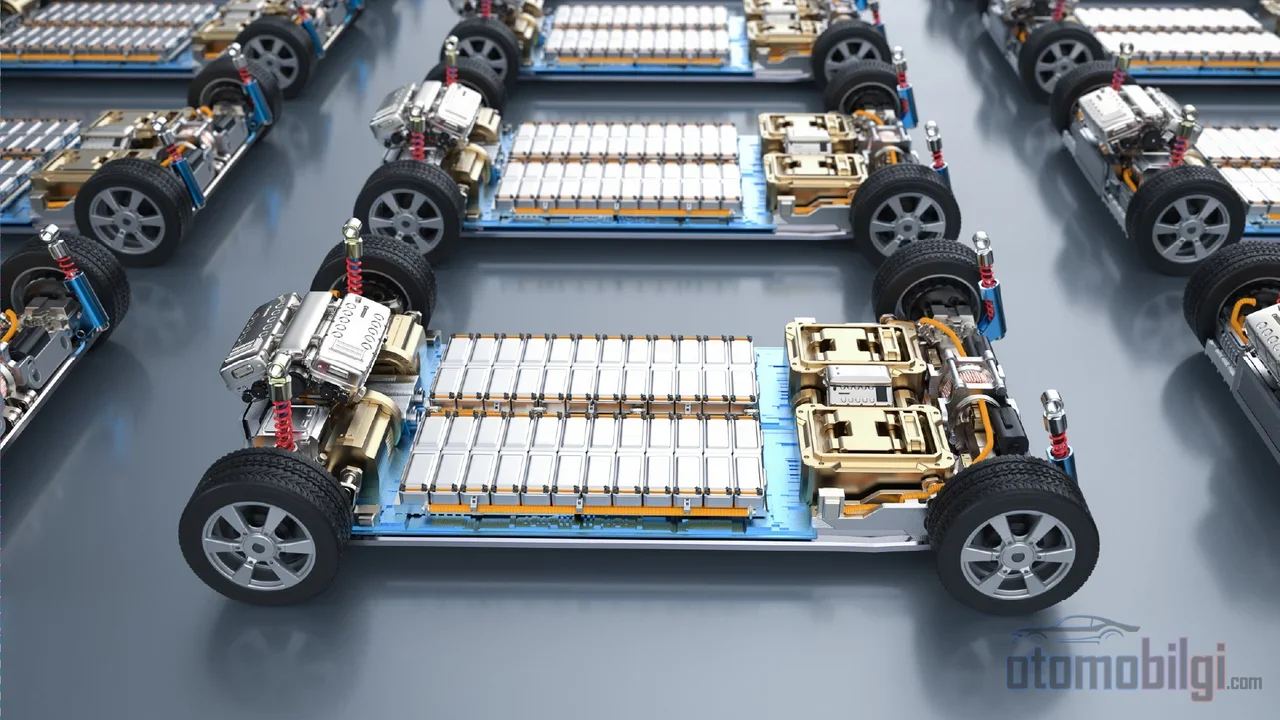
Water cools better but cannot touch the engine; oil, on the other hand, seeps into where the heat is born, producing in practice cooler engines.
Electric Motor Cooling: Water or Oil?
Deniz Erkan16 October 2026

There is no one-sentence answer to whether water/glycol cooling or oil cooling is better for an electric vehicle motor: water is a more efficient coolant, but due to its electrical conductivity it cannot touch the motor; oil, although a physically we…

Read More
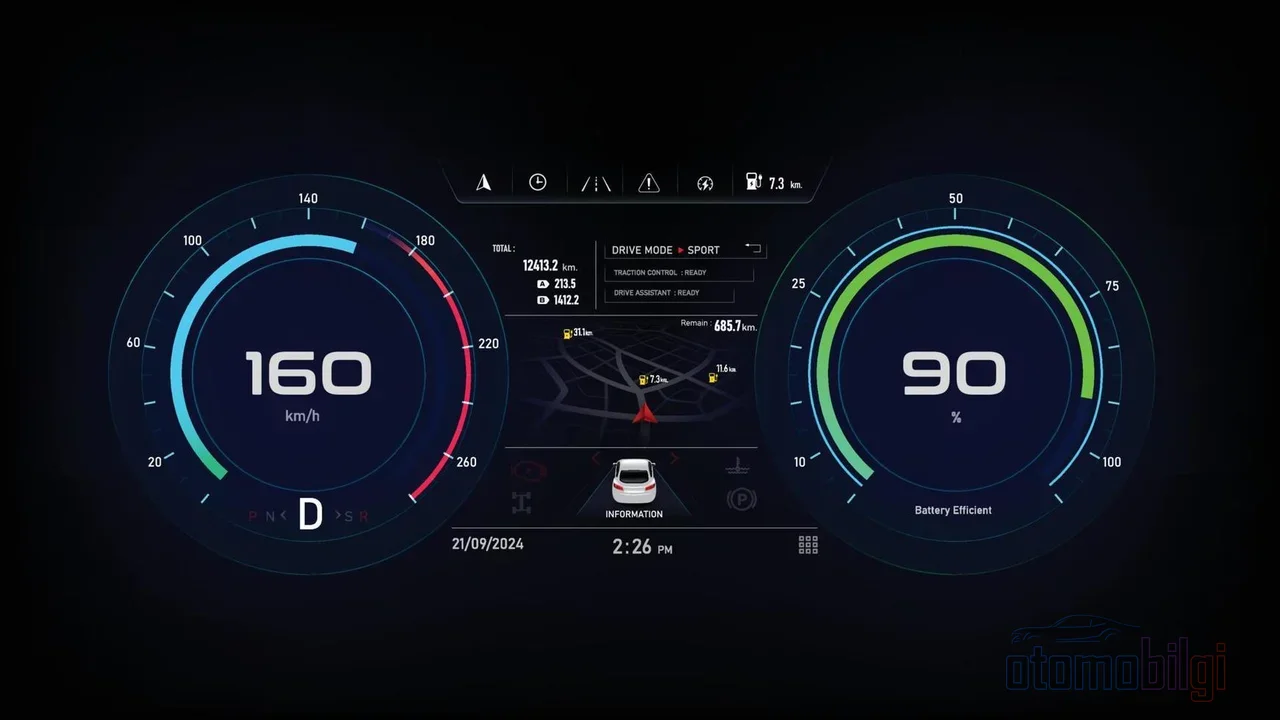
Same vehicle, same battery, same road: what truly determines the kWh/100 km figure is every small efficiency loss in the chain extending from the battery to the wheels.
What Determines the kWh/100 km Value? Tracing Efficiency Losses
Deniz Erkan16 October 2026

The kWh/100 km figure shows the amount of energy drawn from the battery for the vehicle to travel 100 kilometers. This figure is determined by every loss point in the energy chain extending from the battery to the wheels - motor and inverter efficien…

Read More
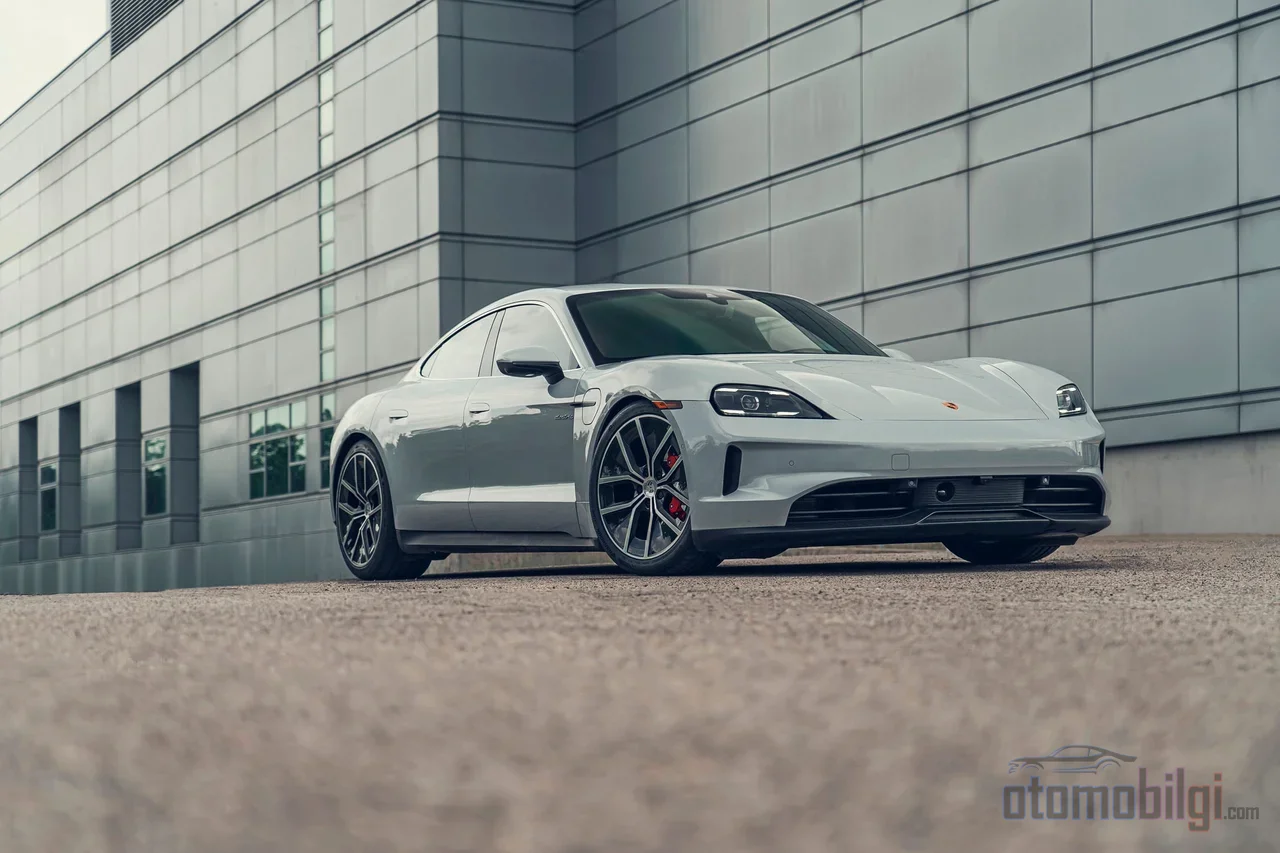
While the electric motor reaches 10,000 rpm within a second and delivers full torque from a standstill, the need for a gearbox disappears altogether.
Why Are Gearboxes Disappearing in Electric Cars
Deniz Erkan15 October 2026

The reason the gearbox disappears in electric cars is that the electric motor's characteristic curve works in exactly the opposite way to an internal combustion engine: the motor produces its full torque from a standstill, that is, from 0 RPM, and ro…

Read More
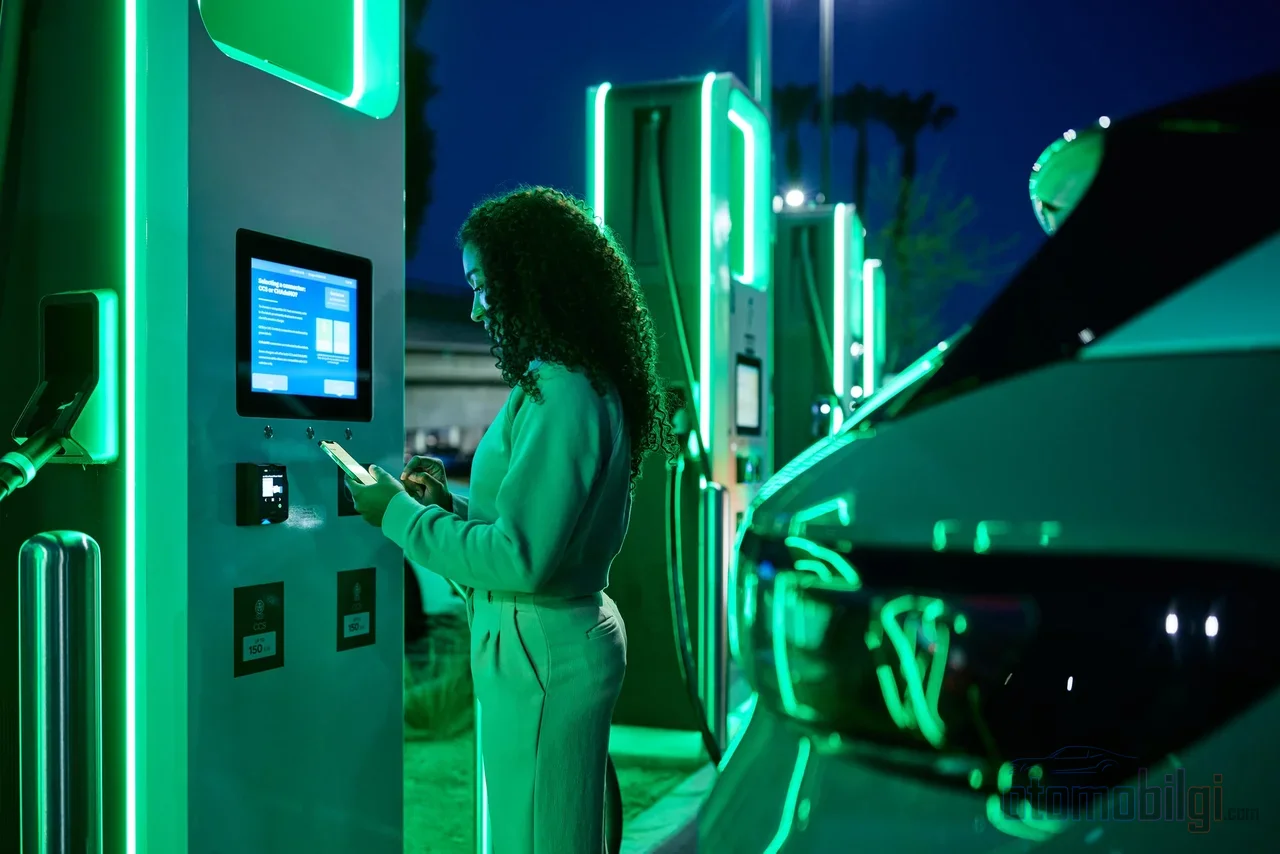
The last 20 percent can take as long as the first 70 percent; because the slowdown is not a fault, but a deliberate defense that protects the battery from overcharging stress.
Why Does Charging Slow Down After 80 Percent?
Deniz Erkan14 October 2026

Charging speed of electric vehicles slows down once 80 percent is reached, because the battery management system gradually limits the current as the cells approach their maximum allowed voltage; this is not a malfunction, but a mechanism designed to …

Read More
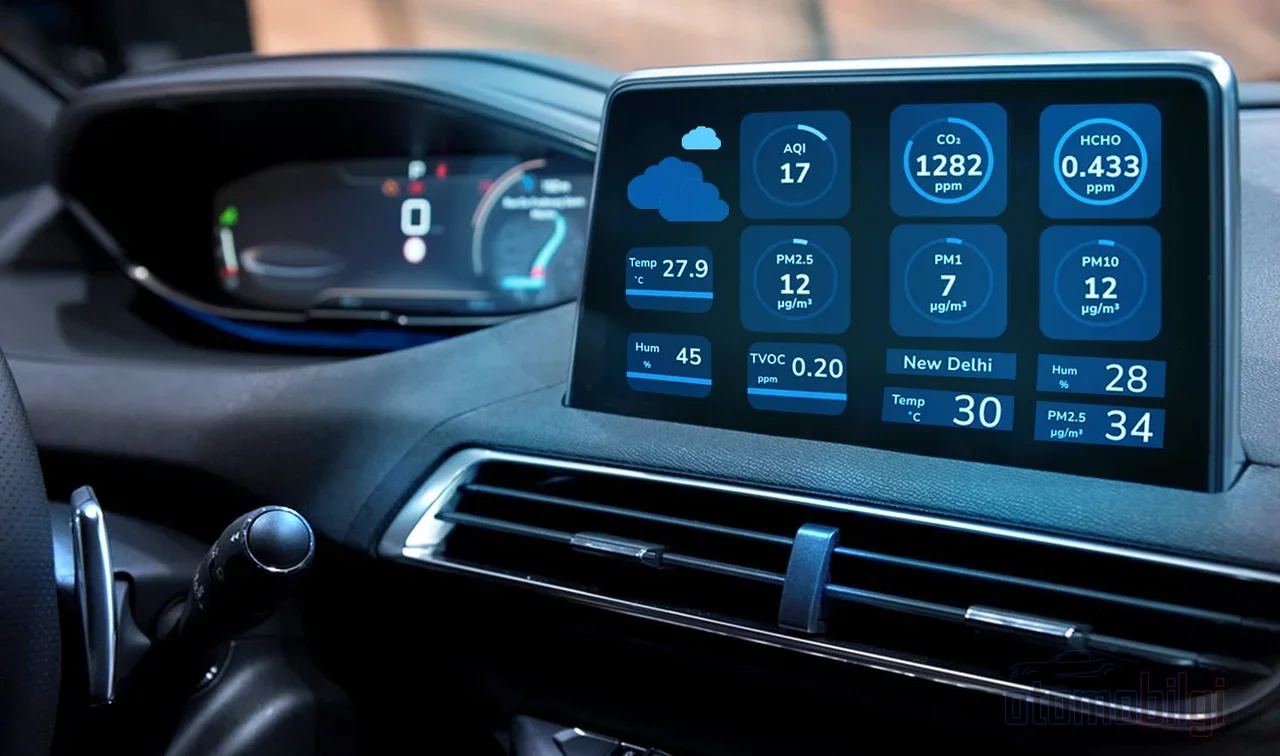
An architecture that reduces more than a hundred control units to a few zonal controllers means a car's identity is now built from code, not steel.
Is the Vehicle Now Defined by Software? Domain Architecture and the SDV Transformation
Deniz Erkan14 October 2026

Yes: the behavior, features, and performance character of the modern automobile are now defined primarily by software. This transformation, known as the software-defined vehicle (SDV), moves the vehicle's electronic architecture from stacks of ECUs t…

Read More
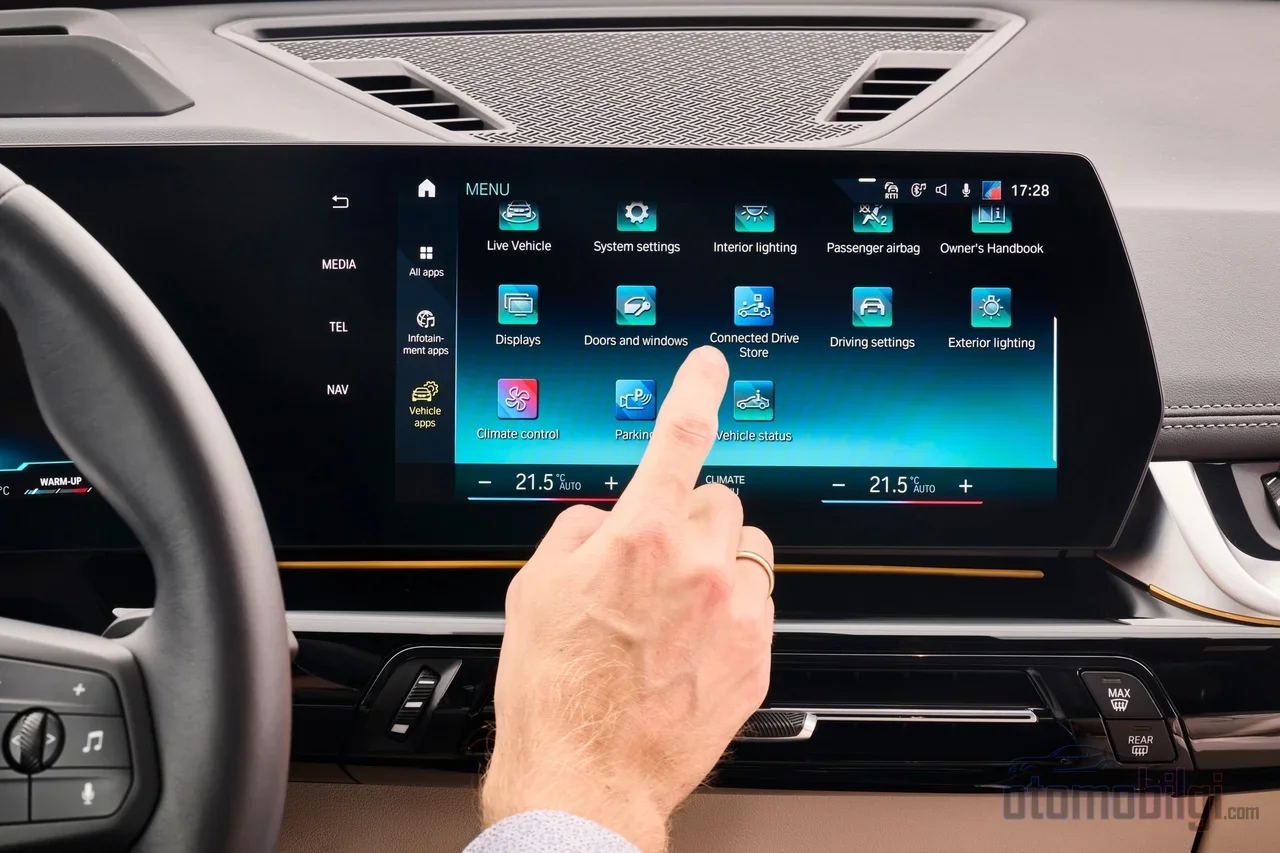
Electric cars are no longer a finished product on delivery day, but living software that evolves for years through wireless updates.
How Are OTA Updates Renewing the Electric Car?
Deniz Erkan14 October 2026

Over-the-air (OTA) updating means that an electric vehicle's software is updated over a cellular network without going to a service center. Thanks to this method, even after an electric car has been purchased, range estimation, driving character, cha…

Read More
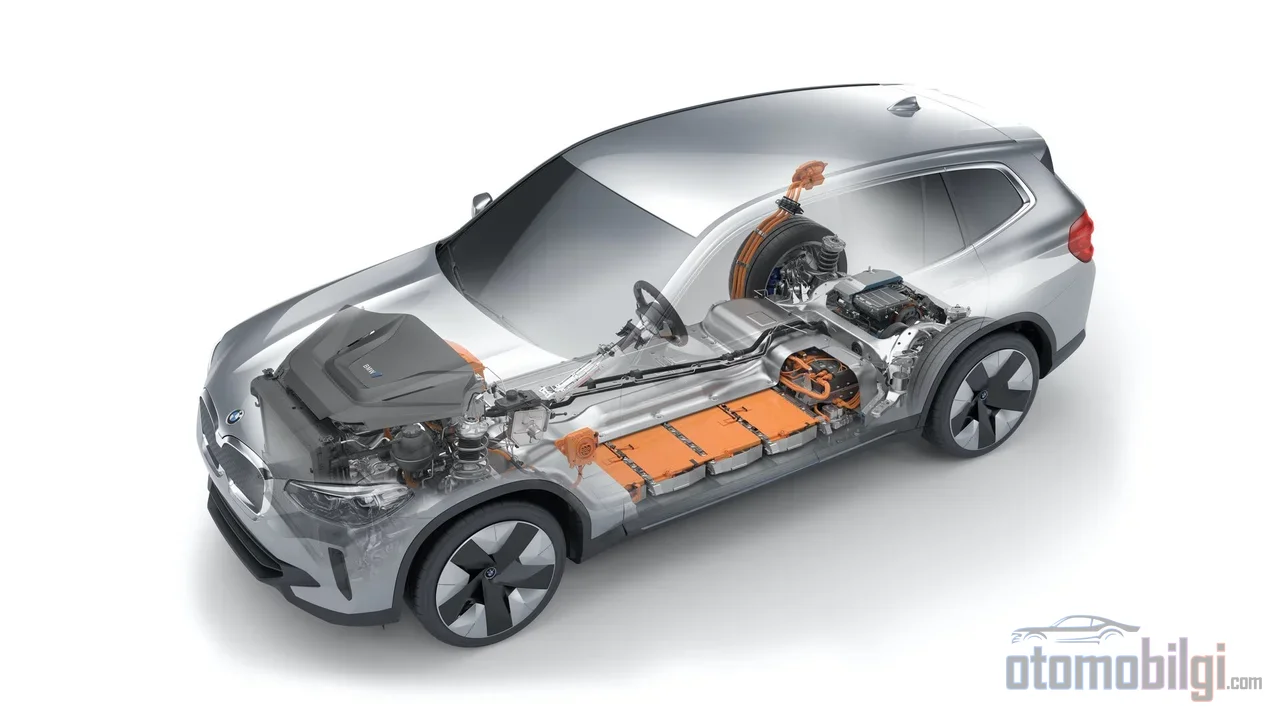
In dual-motor EVs, the permanent magnet motor placed at the front provides efficiency, while the asynchronous motor at the rear freewheels with almost no loss when not needed, preserving range.
Dual-Motor EV Logic: Why a Permanent Magnet Motor Is Used at the Front and an Induction Motor at the Rear?
Deniz Erkan13 October 2026

The reason dual-motor electric vehicles use two different motor types on the front and rear axles is a simple engineering balance: the permanent magnet synchronous motor works on the continuously loaded axle because its peak efficiency is high, while…

Read More

With the same battery, an electric vehicle switching from IGBT to silicon carbide increases its range by 3 to 10 percent in typical driving.
What Do Silicon Carbide Chips Change in Electric Cars?
Deniz Erkan13 October 2026

SiC chips perform the switching in an electric car's inverter with far lower losses than IGBTs, which typically increases range by 3-10% and shortens charging times in vehicles with 800-volt architectures and shrinks the cooling system. This page exp…

Read More
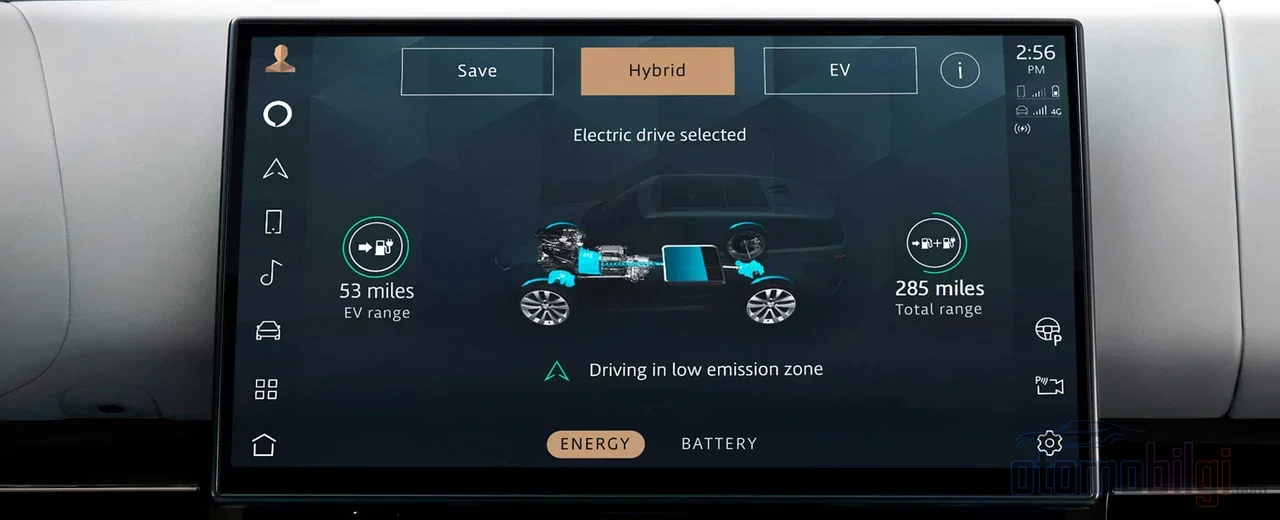
Driving modes change the software, not the engine; choosing the wrong mode can increase energy consumption by up to 30 percent.
What Do Driving Modes Change in a Car, and What Do They Not Change?
Deniz Erkan12 October 2026

The Eco, Normal, and Sport driving modes in electric vehicles do not change the vehicle's mechanical parts; they primarily change software response parameters: the accelerator pedal map, inverter output limits, regenerative braking behavior, and, in …

Read More
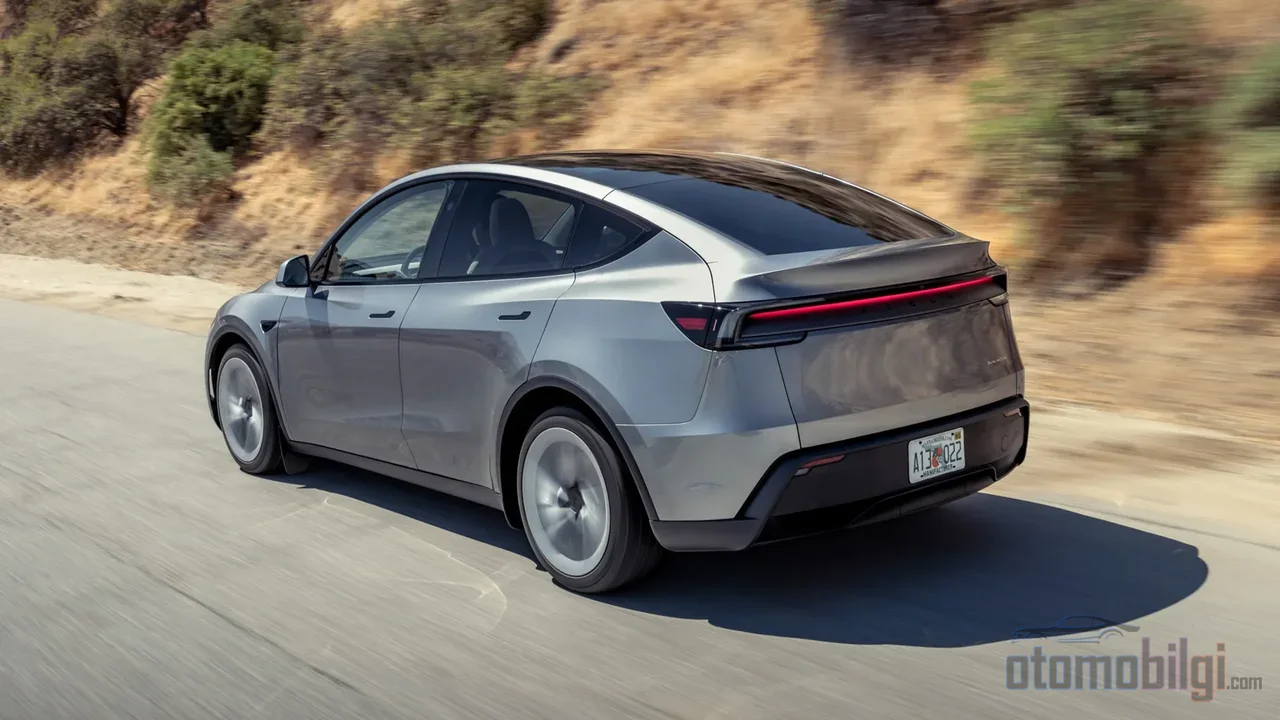
Even releasing the accelerator pedal is an engineering decision: some vehicles bring you to a complete stop, others let you coast freely; the difference lies hidden in the software.
Why Doesn't One-Pedal Driving Work the Same for Everyone? The Secret of Regeneration Settings
Deniz Erkan12 October 2026

One-pedal driving doesn't work the same way in every electric vehicle brand, because the depth of regenerative braking and the pedal's stopping behavior are entirely shaped by software, according to the manufacturer's engineering preferences: some mo…

Read More
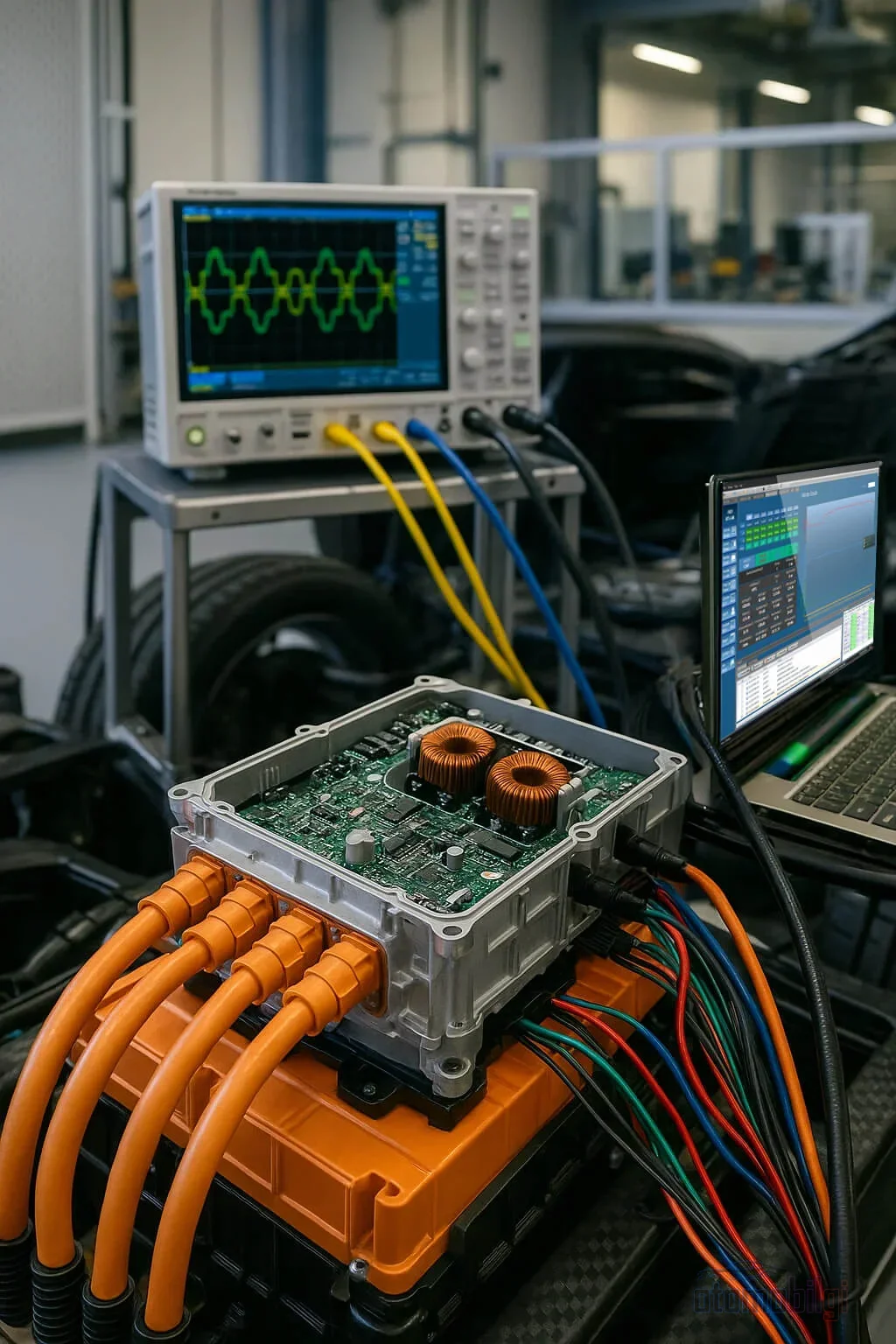
The central role of the inverter in an electric vehicle, which converts the direct current from the battery into alternating current to control the speed and torque of the traction motor.
The Invisible Hand of the Inverter: How Power Electronics Controls the EV?
Deniz Erkan11 October 2026

The inverter in an electric vehicle is the power electronics unit that converts the direct current (DC) from the battery into the alternating current (AC) required for the traction motor to operate; it is also the main control element that regulates …

Read More
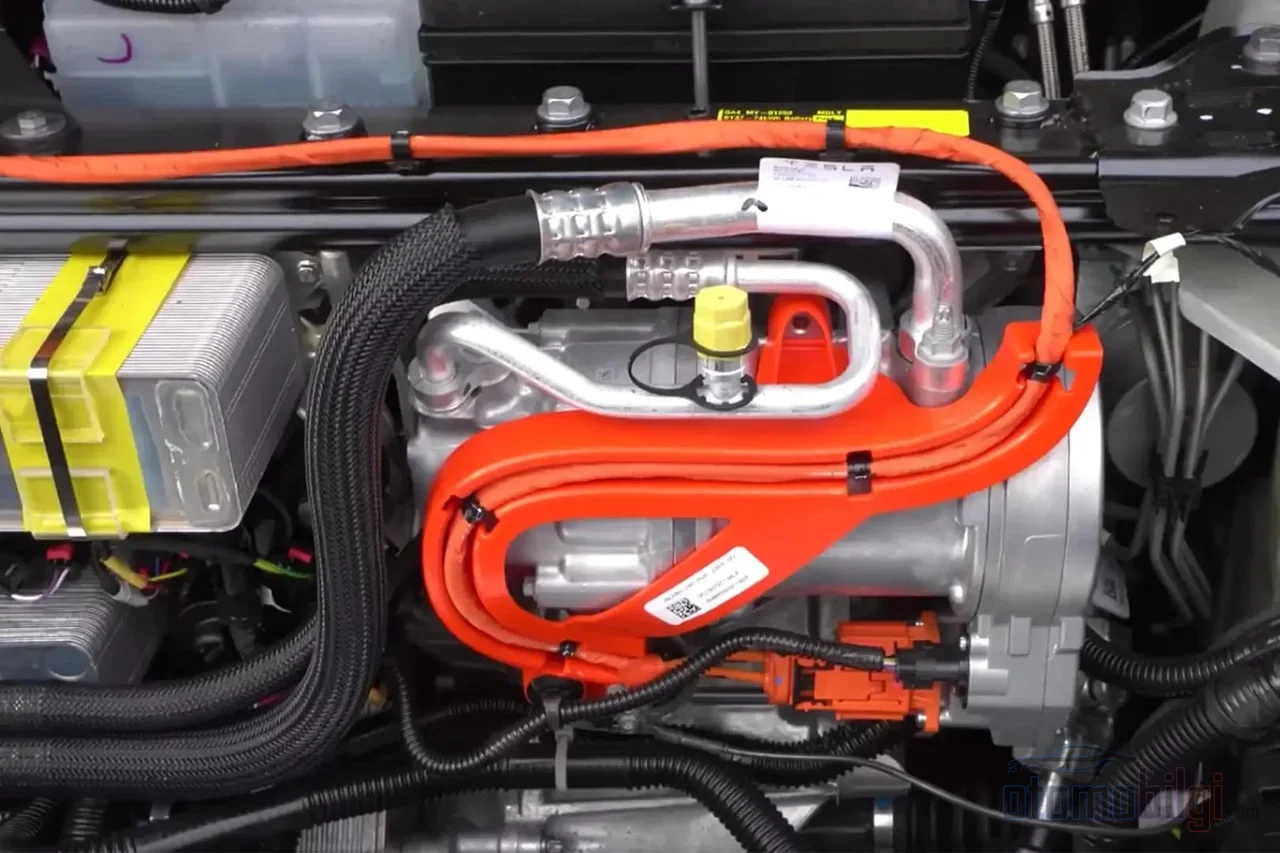
A heat pump, producing 2-4 kW of heat from 1 kW of electricity, recovers an average of 8-10 percent of an electric vehicle's winter range.
Heat Pump and Thermal Management for Efficiency Engineering
Deniz Erkan11 October 2026

A heat pump is a heat transfer system in an electric vehicle that can produce 2-4 kW of heat from 1 kW of electricity, operating as a reversed air conditioning cycle. Instead of generating heat the way a resistance heater does, it collects heat from …

Read More
  • Previous
  • 1
  • 2
  • 3
  • Next

Category Editor

Deniz Erkan

Deniz Erkan

One of the most important habits my profession as a mechanical engineer has given me is looking not only at a system's outcome, but also at how and why it works. My interest in automobiles is also fueled by this perspective. For me, a car is not just design, performance, or comfort; it is a holistic system where mechanics, electronics, software, and engineering come together.

Over time, I combined my engineering background with software development. The intersection of these two fields has allowed me to look at modern automobiles from a more integrated perspective. I follow the world of automobiles, from engines and suspension to driver assistance systems and software technologies, through the eyes of both an engineer and a car enthusiast.

My aim at Otomobilgi.com is to explain technical subjects in a language that preserves engineering accuracy and keeps curiosity about cars alive, without drowning them in unnecessary complexity. Because for me, a good car is not merely beautiful or fast; it is a special work that conveys design, technology, and driving character as a whole.

Follow Us on Social Media

Share This Page

Follow Us on Social Media

  • About Us
  • KVKK Disclosure Statement
  • Privacy Policy
  • Contact
Otomobilgi.com
INDEPENDENT AUTOMOBILE CULTURE PLATFORM
Powered by Virgo CMS