Electric Automobile Technologies
Share This Page
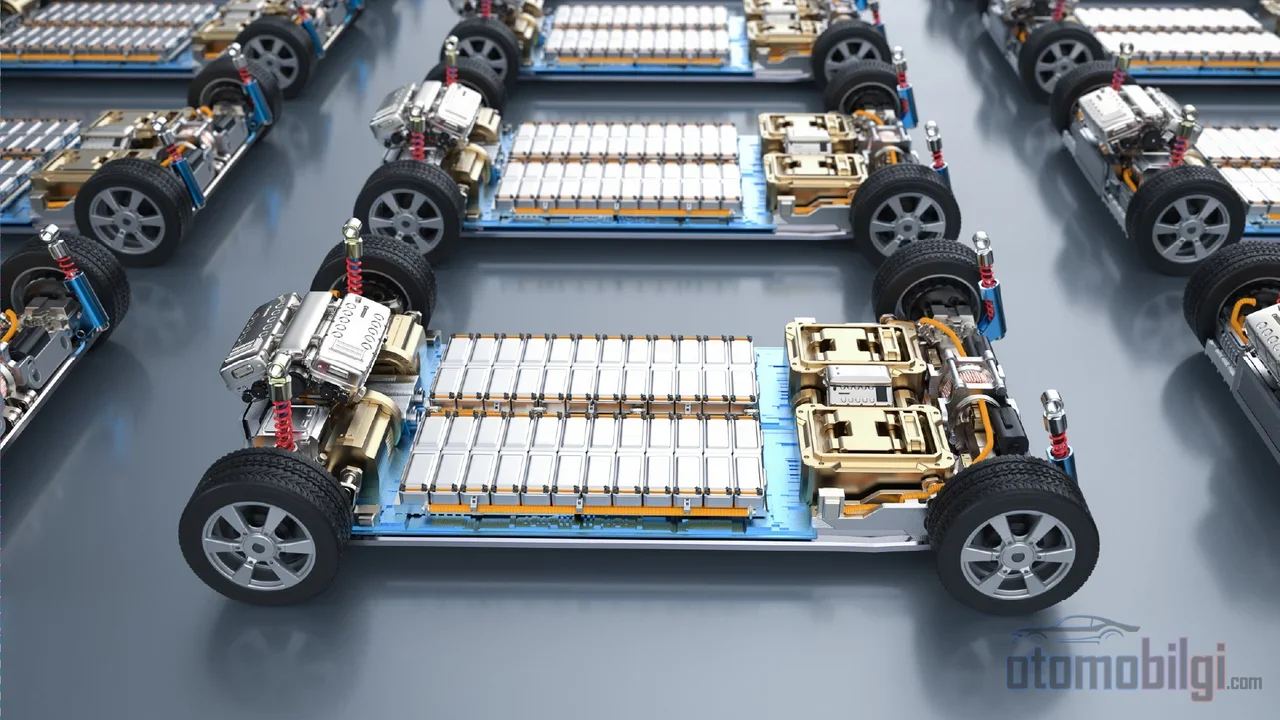
Electric Motor Cooling: Water or Oil?
There is no one-sentence answer to whether water/glycol cooling or oil cooling is better for an electric vehicle motor: water is a more efficient coolant, but due to its electrical conductivity it cannot touch the motor; oil, although a physically we…
Read More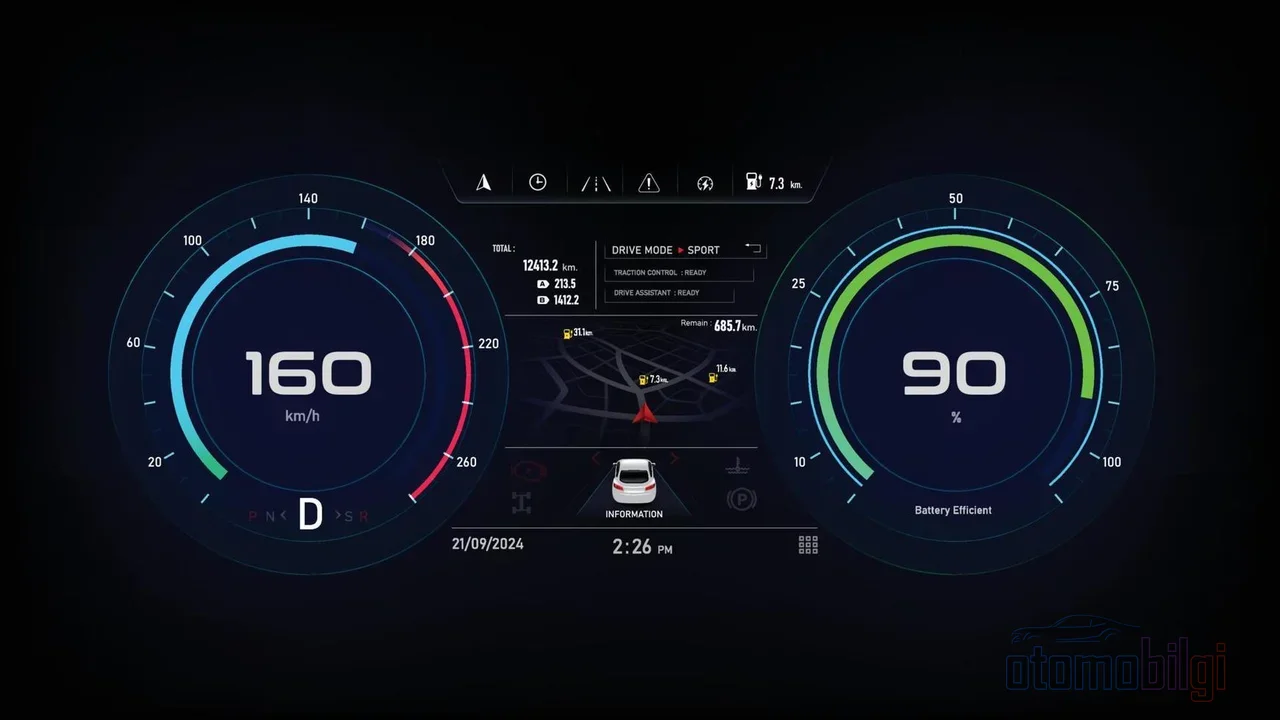
What Determines the kWh/100 km Value? Tracing Efficiency Losses
The kWh/100 km figure shows the amount of energy drawn from the battery for the vehicle to travel 100 kilometers. This figure is determined by every loss point in the energy chain extending from the battery to the wheels - motor and inverter efficien…
Read More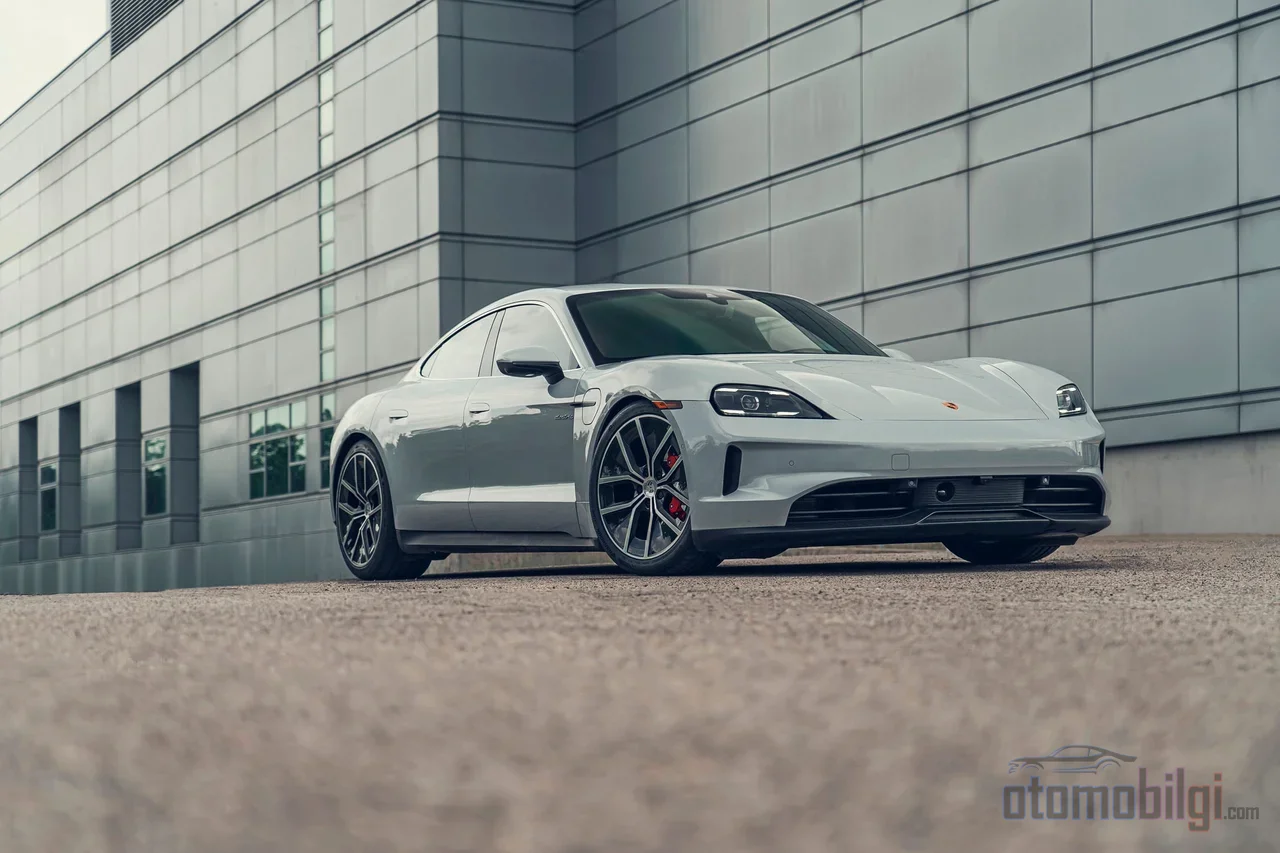
Why Are Gearboxes Disappearing in Electric Cars
The reason the gearbox disappears in electric cars is that the electric motor's characteristic curve works in exactly the opposite way to an internal combustion engine: the motor produces its full torque from a standstill, that is, from 0 RPM, and ro…
Read More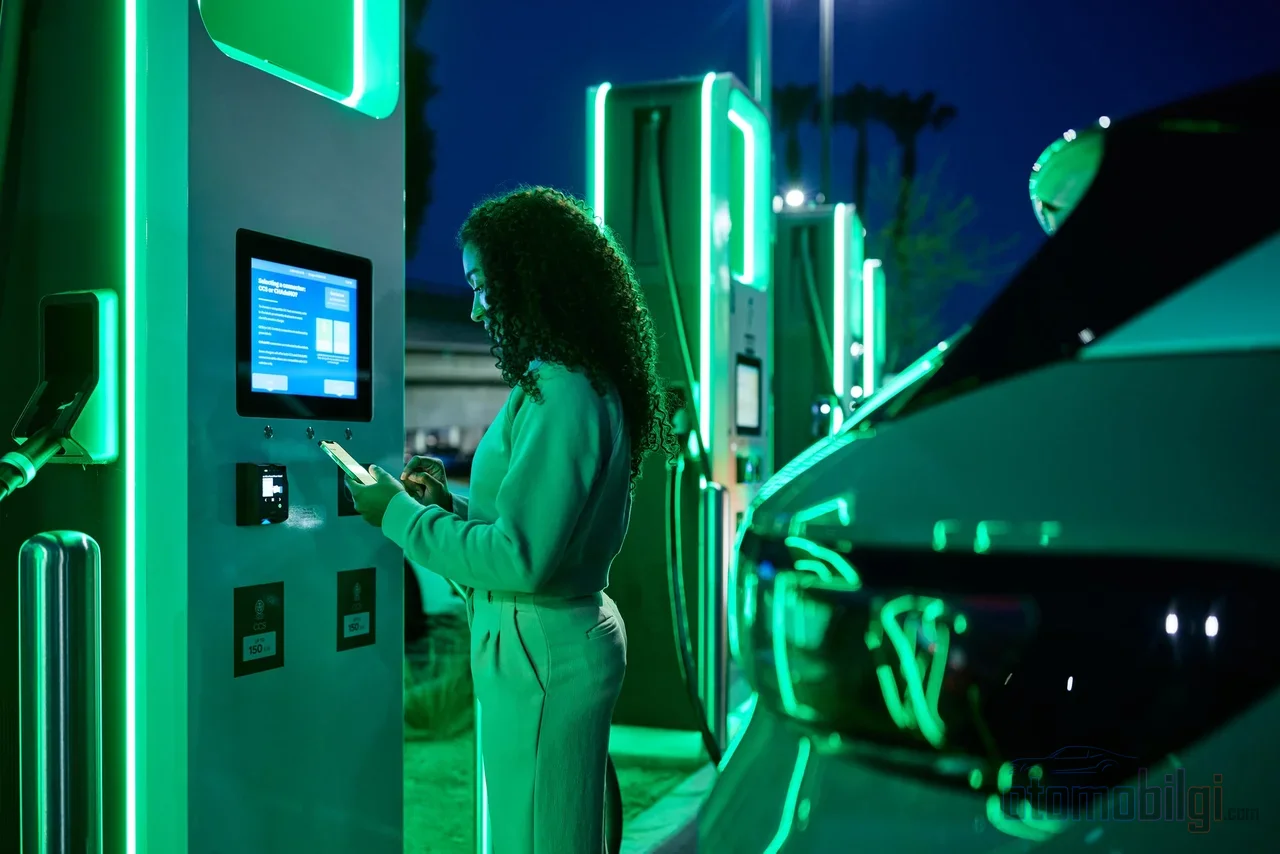
Why Does Charging Slow Down After 80 Percent?
Charging speed of electric vehicles slows down once 80 percent is reached, because the battery management system gradually limits the current as the cells approach their maximum allowed voltage; this is not a malfunction, but a mechanism designed to …
Read More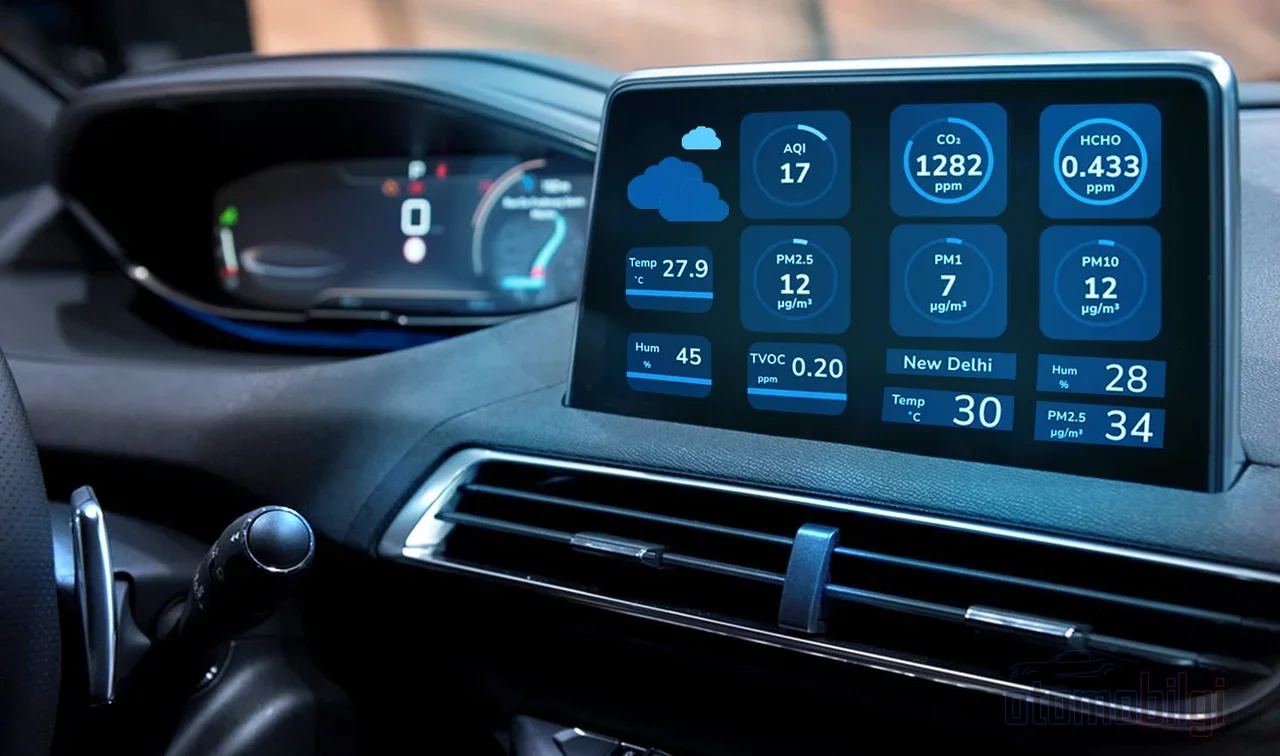
Is the Vehicle Now Defined by Software? Domain Architecture and the SDV Transformation
Yes: the behavior, features, and performance character of the modern automobile are now defined primarily by software. This transformation, known as the software-defined vehicle (SDV), moves the vehicle's electronic architecture from stacks of ECUs t…
Read More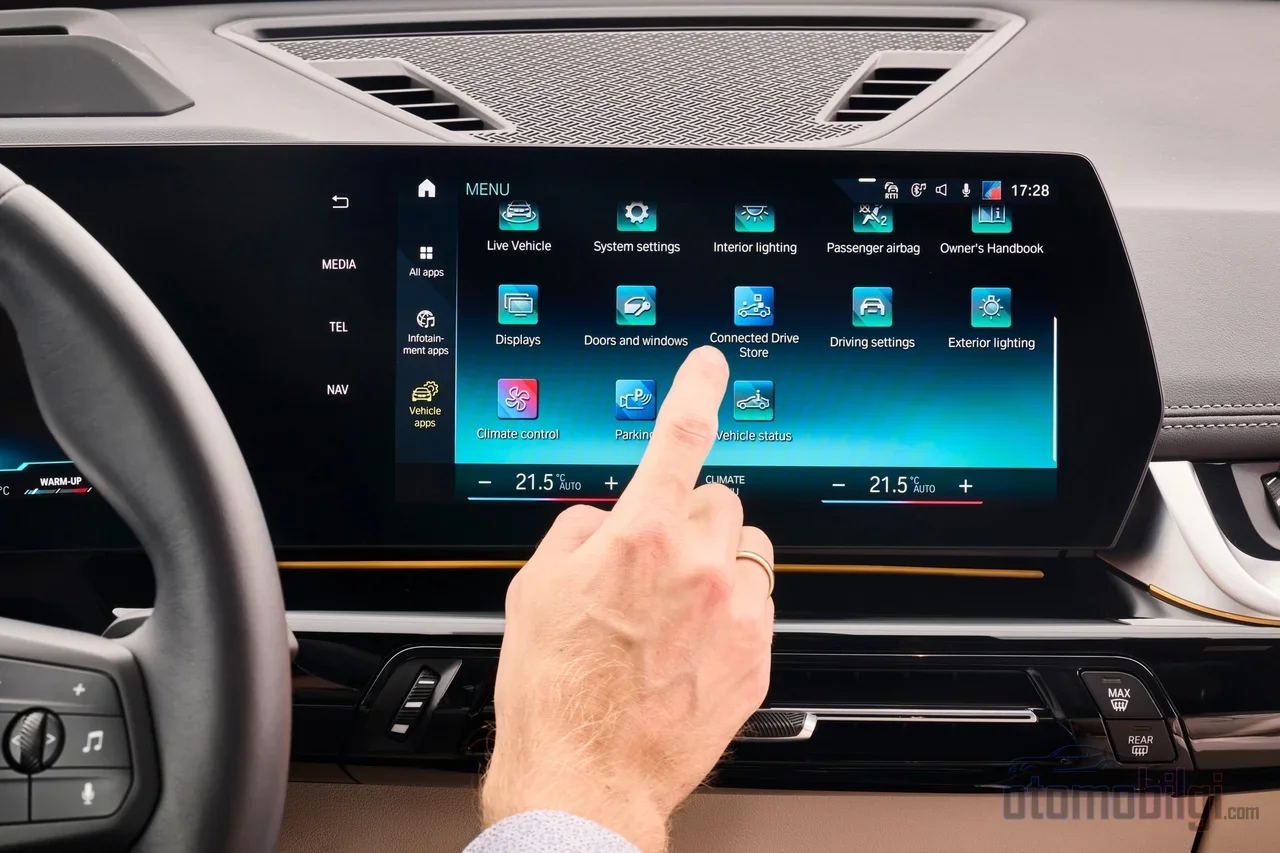
How Are OTA Updates Renewing the Electric Car?
Over-the-air (OTA) updating means that an electric vehicle's software is updated over a cellular network without going to a service center. Thanks to this method, even after an electric car has been purchased, range estimation, driving character, cha…
Read More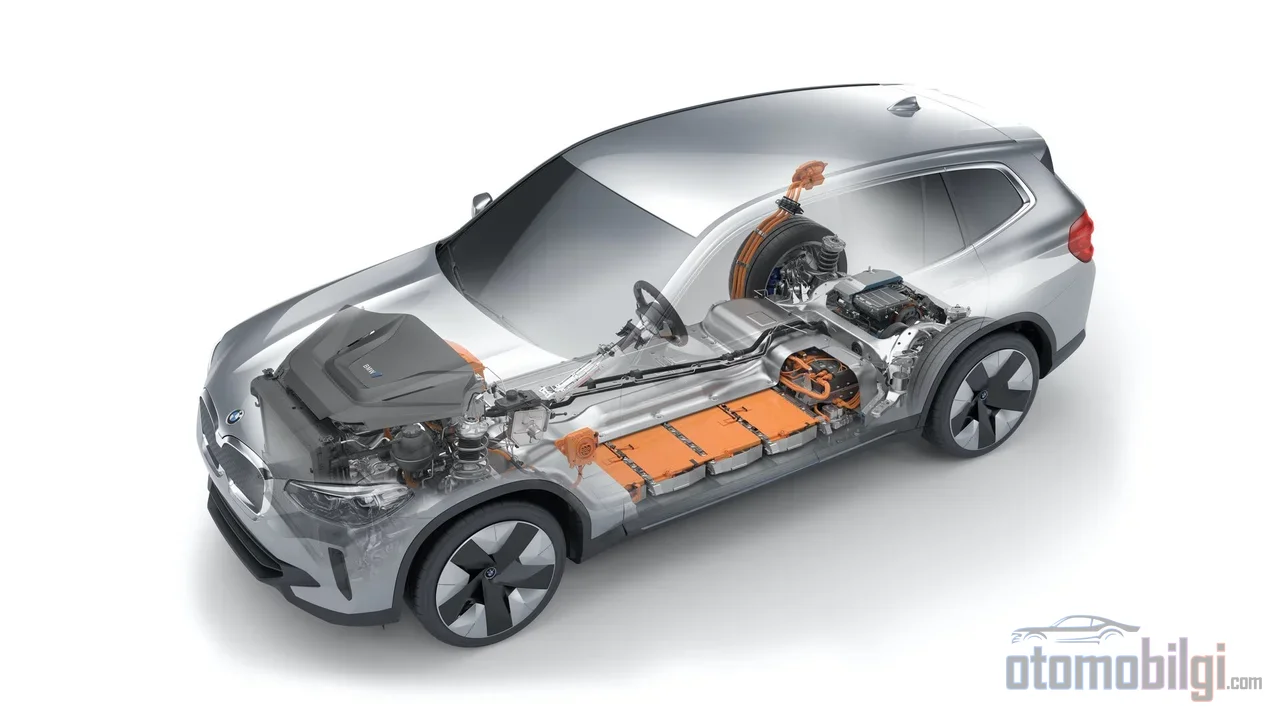
Dual-Motor EV Logic: Why a Permanent Magnet Motor Is Used at the Front and an Induction Motor at the Rear?
The reason dual-motor electric vehicles use two different motor types on the front and rear axles is a simple engineering balance: the permanent magnet synchronous motor works on the continuously loaded axle because its peak efficiency is high, while…
Read More
What Do Silicon Carbide Chips Change in Electric Cars?
SiC chips perform the switching in an electric car's inverter with far lower losses than IGBTs, which typically increases range by 3-10% and shortens charging times in vehicles with 800-volt architectures and shrinks the cooling system. This page exp…
Read More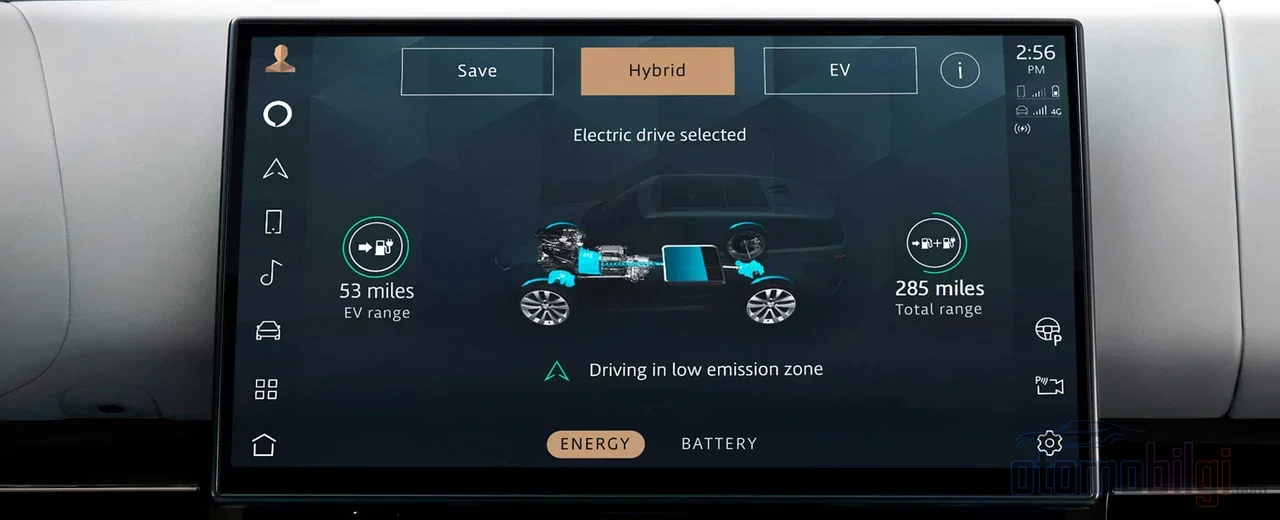
What Do Driving Modes Change in a Car, and What Do They Not Change?
The Eco, Normal, and Sport driving modes in electric vehicles do not change the vehicle's mechanical parts; they primarily change software response parameters: the accelerator pedal map, inverter output limits, regenerative braking behavior, and, in …
Read More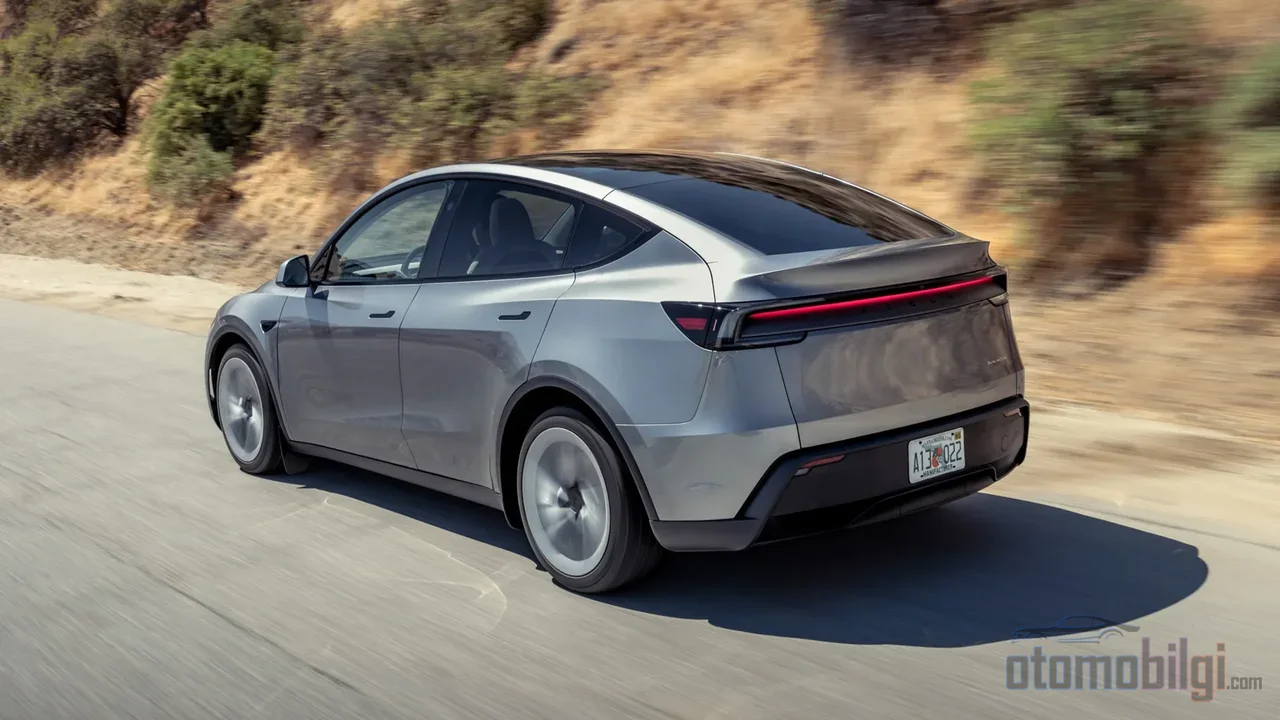
Why Doesn't One-Pedal Driving Work the Same for Everyone? The Secret of Regeneration Settings
One-pedal driving doesn't work the same way in every electric vehicle brand, because the depth of regenerative braking and the pedal's stopping behavior are entirely shaped by software, according to the manufacturer's engineering preferences: some mo…
Read More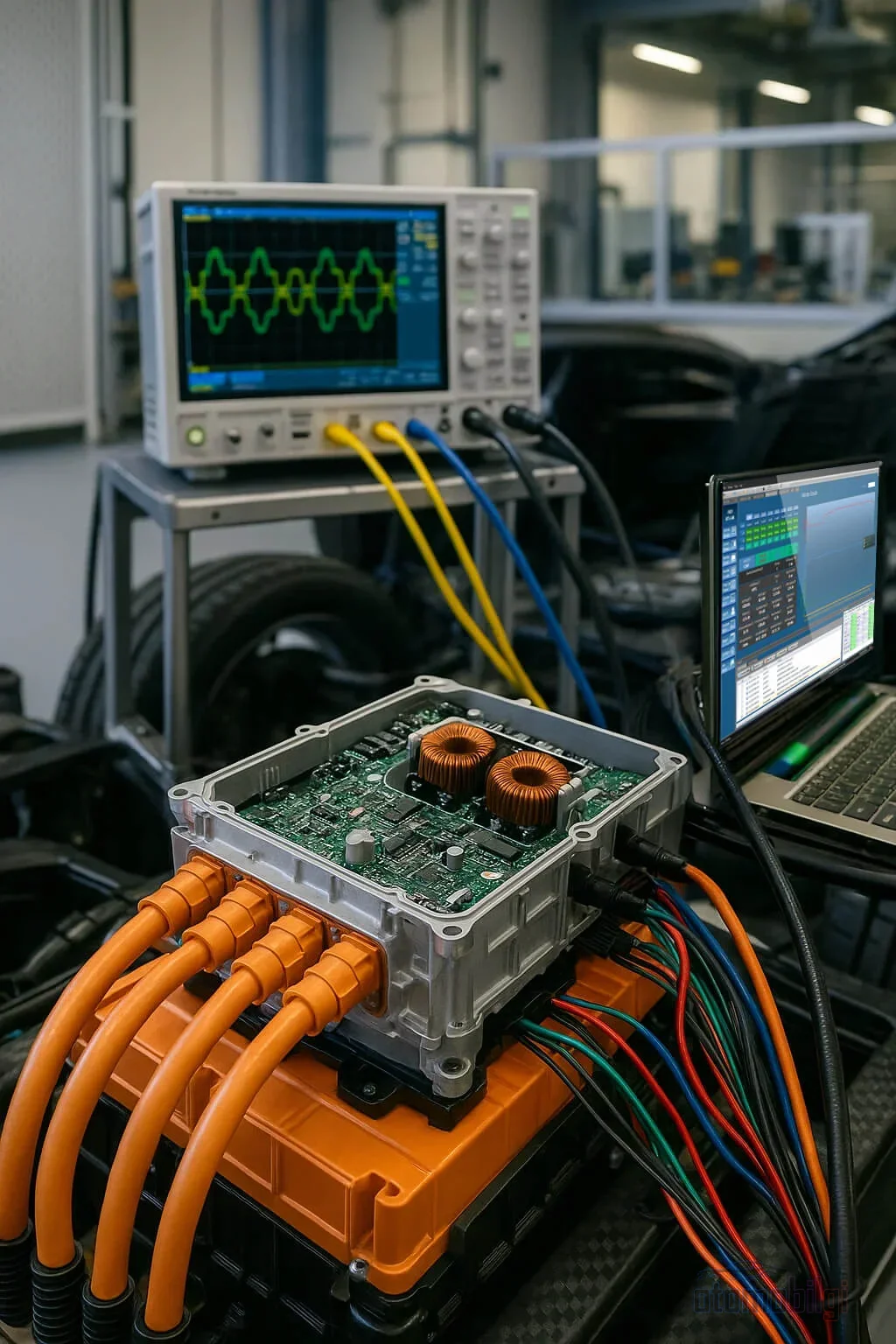
The Invisible Hand of the Inverter: How Power Electronics Controls the EV?
The inverter in an electric vehicle is the power electronics unit that converts the direct current (DC) from the battery into the alternating current (AC) required for the traction motor to operate; it is also the main control element that regulates …
Read More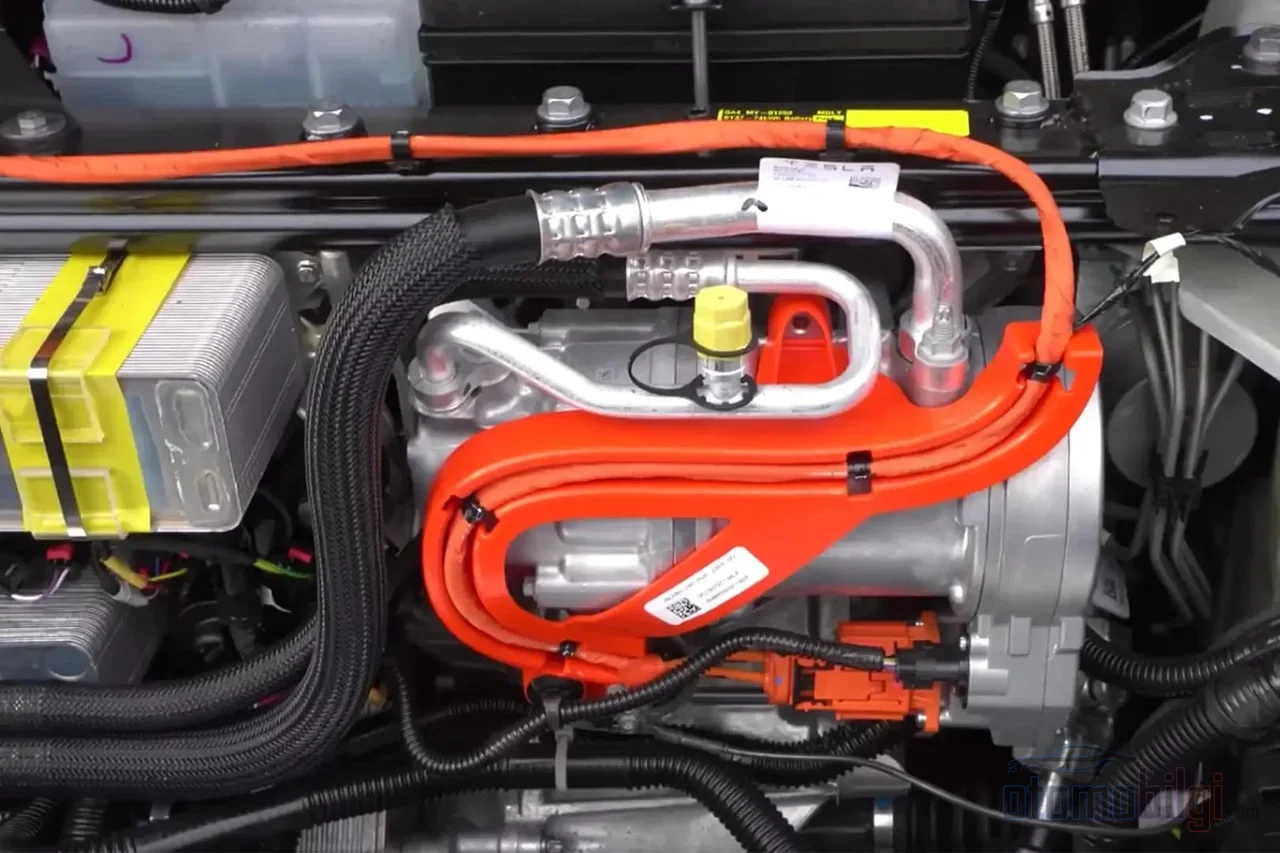
Heat Pump and Thermal Management for Efficiency Engineering
A heat pump is a heat transfer system in an electric vehicle that can produce 2-4 kW of heat from 1 kW of electricity, operating as a reversed air conditioning cycle. Instead of generating heat the way a resistance heater does, it collects heat from …
Read More