Otomobilgi.comOtomobilgi.com
  • Türkçe
  • English
  • Deutsch
  • Français
  • Italiano
  • Español
  • Português
  • Polski
  • Magyar
  • Azərbaycanca
  • Bahasa Indonesia
  • Русский
  • 中文
  • 日本語
  • 한국어
  • हिन्दी
  • বাংলা
  • العربية
  • فارسی
  • Türkçe
  • English
  • Deutsch
  • Français
  • Italiano
  • Español
  • Português
  • Polski
  • Magyar
  • Azərbaycanca
  • Bahasa Indonesia
  • Русский
  • 中文
  • 日本語
  • 한국어
  • हिन्दी
  • বাংলা
  • العربية
  • فارسی
  • HOME PAGE
  • NEWS
    Turkish Automotive Industry News
    Global Automotive Industry News
    Turkish Motorsports News
    Global Motorsports News
  • INTERNAL COMBUSTION
    Internal Combustion Models
    Internal Combustion Engine Technologies
    Fuel and Consumption
    Emission and Environment
    Internal Combustion Ownership
    History of the Internal Combustion Automobile
  • ELECTRIC
    Electric Models
    Electric Car Technologies
    Charging and Infrastructure
    Battery Technology
    Range and Consumption
    Electric Vehicle Ownership
    History of the Electric Car
  • HYBRID
    Hybrid Models
    Hybrid Systems
    Battery and Charging
    Consumption and Efficiency
    Hybrid Ownership
    History of Hybrid Cars
  • TECHNOLOGY
    Driver Assistance Systems
    Safety Technologies
    Lighting and Visibility Technologies
    Infotainment and Connectivity
    Autonomous Driving and Artificial Intelligence
    Future Technologies
  • GUIDES
    Buying Guides
    Sales Guides
    Maintenance and Use
    Ownership and Costs
    Tires and Wheels
    Insurance and Inspection
  • HISTORY & CULTURE
    Automobile History
    Iconic Models
    Classics and Collections
    Türkiye's Automobile Journey
    Automobile Design
    Cars and Popular Culture
  • MOTORSPORT
    Formula 1
    Rallying (WRC)
    Rallycross
    MotoGP
    Formula 2 & Formula 3
    Karting
    24 Hours of Le Mans
    WEC
    NASCAR
    IndyCar
    DTM
    GT Races
    Drift
    Drag Races
  • Türkçe
  • English
  • Deutsch
  • Français
  • Italiano
  • Español
  • Português
  • Polski
  • Magyar
  • Azərbaycanca
  • Bahasa Indonesia
  • Русский
  • 中文
  • 日本語
  • 한국어
  • हिन्दी
  • বাংলা
  • العربية
  • فارسی
  • Türkçe
  • English
  • Deutsch
  • Français
  • Italiano
  • Español
  • Português
  • Polski
  • Magyar
  • Azərbaycanca
  • Bahasa Indonesia
  • Русский
  • 中文
  • 日本語
  • 한국어
  • हिन्दी
  • বাংলা
  • العربية
  • فارسی
  1. HOME PAGE
  2. GUIDES
  3. Tires and Wheels

Tires and Rims

Share This Page
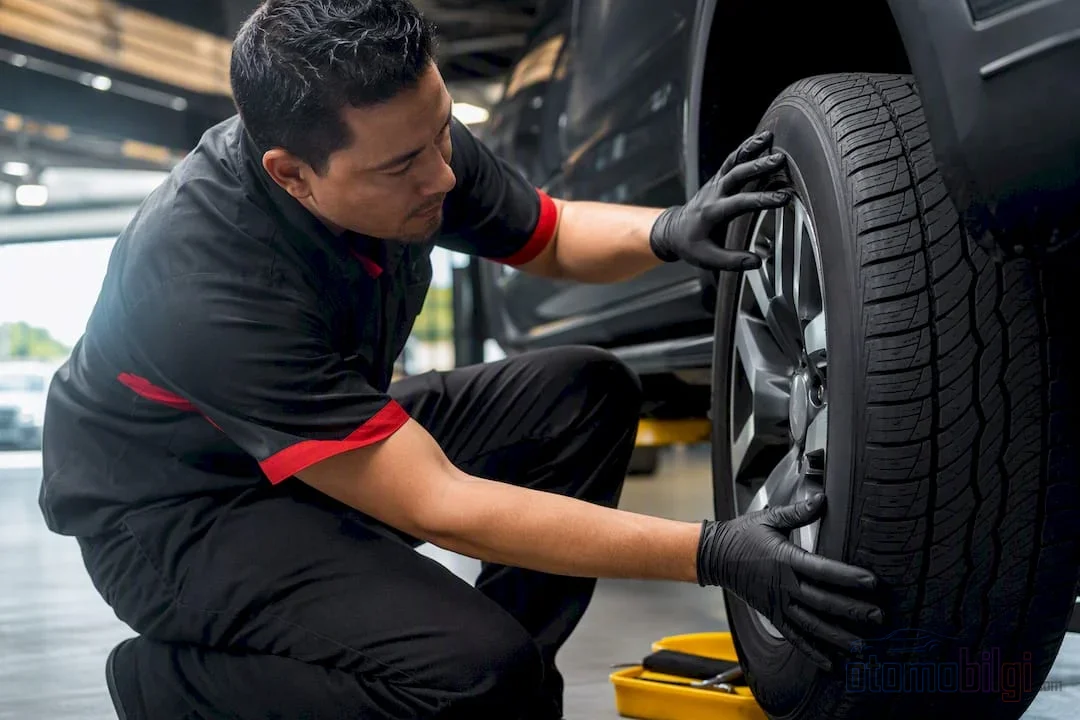
If you want all four tires to wear at the same rate, be sure to rotate them every 8,000 to 13,000 kilometers.
Should Tires Be Rotated Front-to-Back or Crisscross?
Mustafa Odabaşı17 October 2026

There is no single correct answer to the question of whether tire rotation should be done front-to-back or crosswise; the correct pattern is determined by your vehicle's drive type, the tire's tread design, and the wear condition of your tires. In fr…

Read More
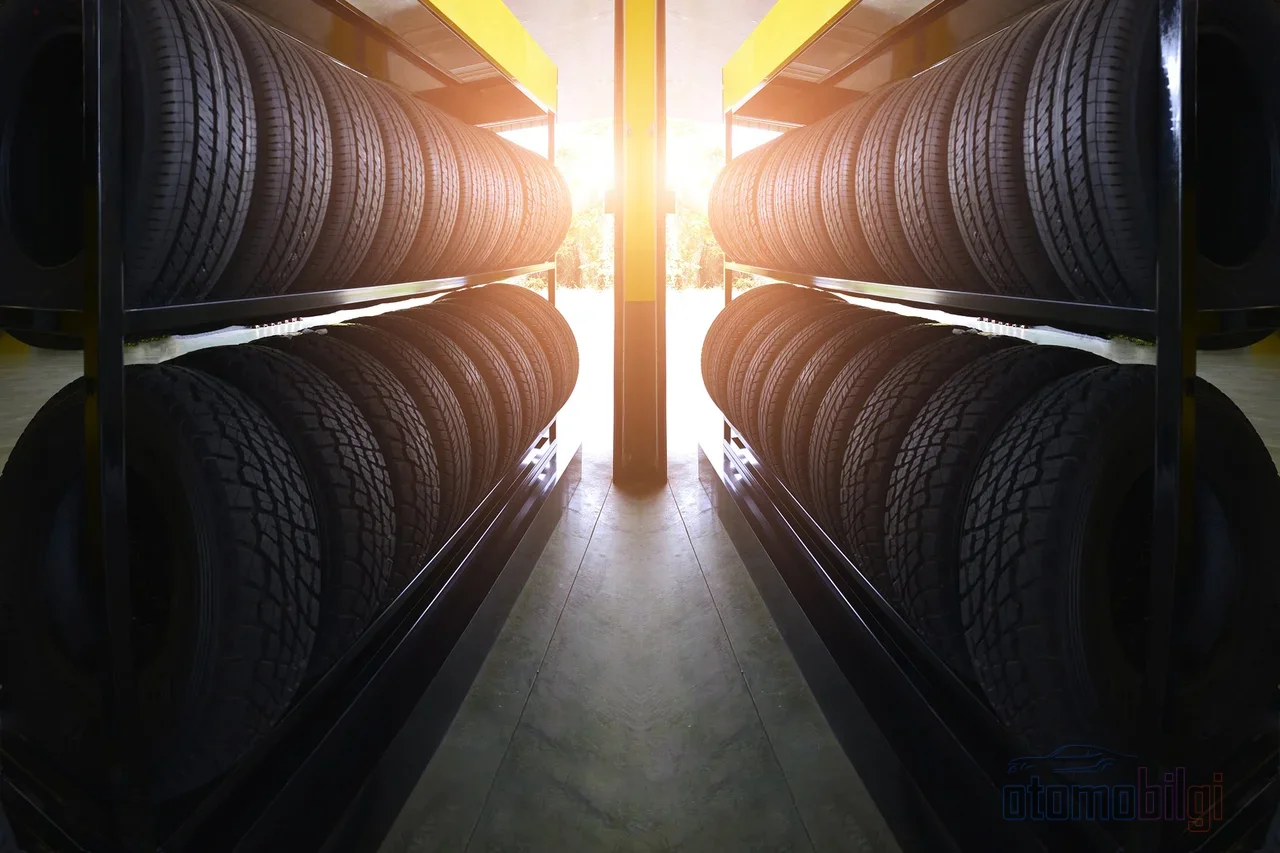
A tire stored correctly in a dark and cool corner preserves its original character for years; one left waiting in the sun, however, will crack within a single season.
Where and How Should Tires Be Stored?
Mustafa Odabaşı16 October 2026

Storing seasonal tires is not a job most drivers lean on the sidewalk like a crutch; it is a procedure everyone who switches to winter tires in autumn should think about at least once. A properly stored tire keeps its original character for years; a …

Read More
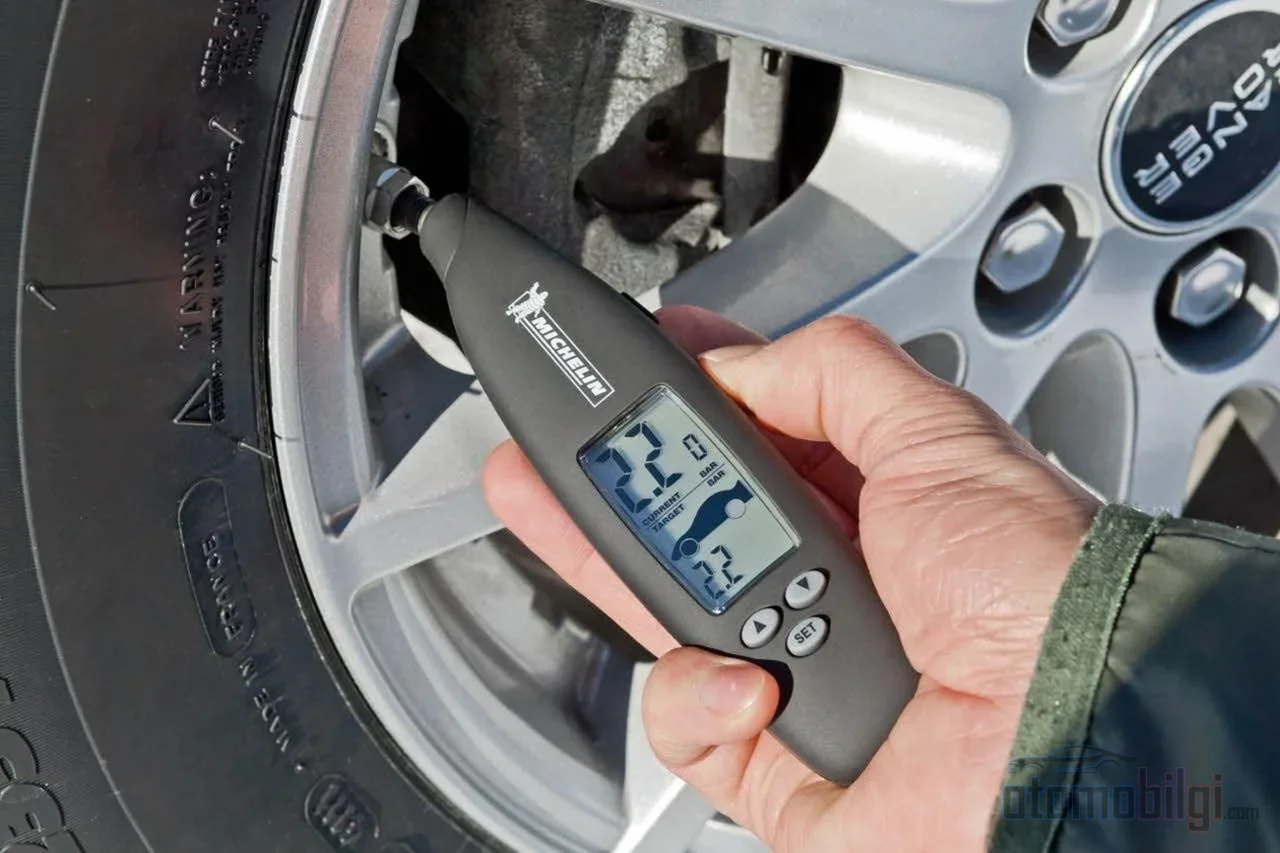
A tire losing just 1-2 PSI per month is silently burning your fuel and extending your braking distance; a two-minute check doesn't charge you that price.
Why Should Tire Pressure Be Checked Every Month?
Mustafa Odabaşı15 October 2026

Tire pressure should be checked every month, because your tire loses about 1–2 PSI of air per month; this silent loss increases fuel consumption, lengthens braking distance, and shortens the tire's life. As pressure drops, the tire does not make prop…

Read More
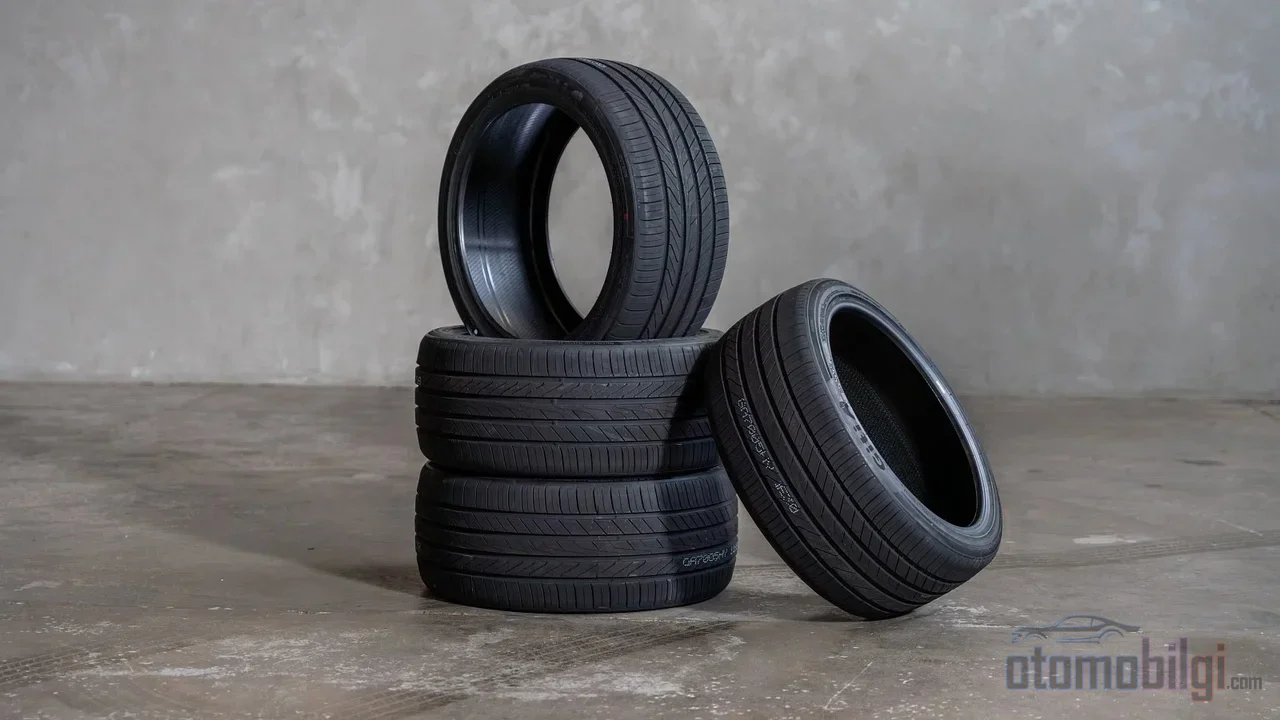
Even if the tread depth is still adequate, if the tire is over 10 years old, the debate is closed: it is time to replace it.
Is It Time to Replace Your Tires? Wear and Lifespan Criteria
Mustafa Odabaşı14 October 2026

Four things decide whether a tire should be replaced: tread depth, sidewall health, the tire's age, and the pattern of wear. The legal tread depth limit 1.6 mm; a tire that reaches this level or becomes flush with the wear indicators should be replac…

Read More
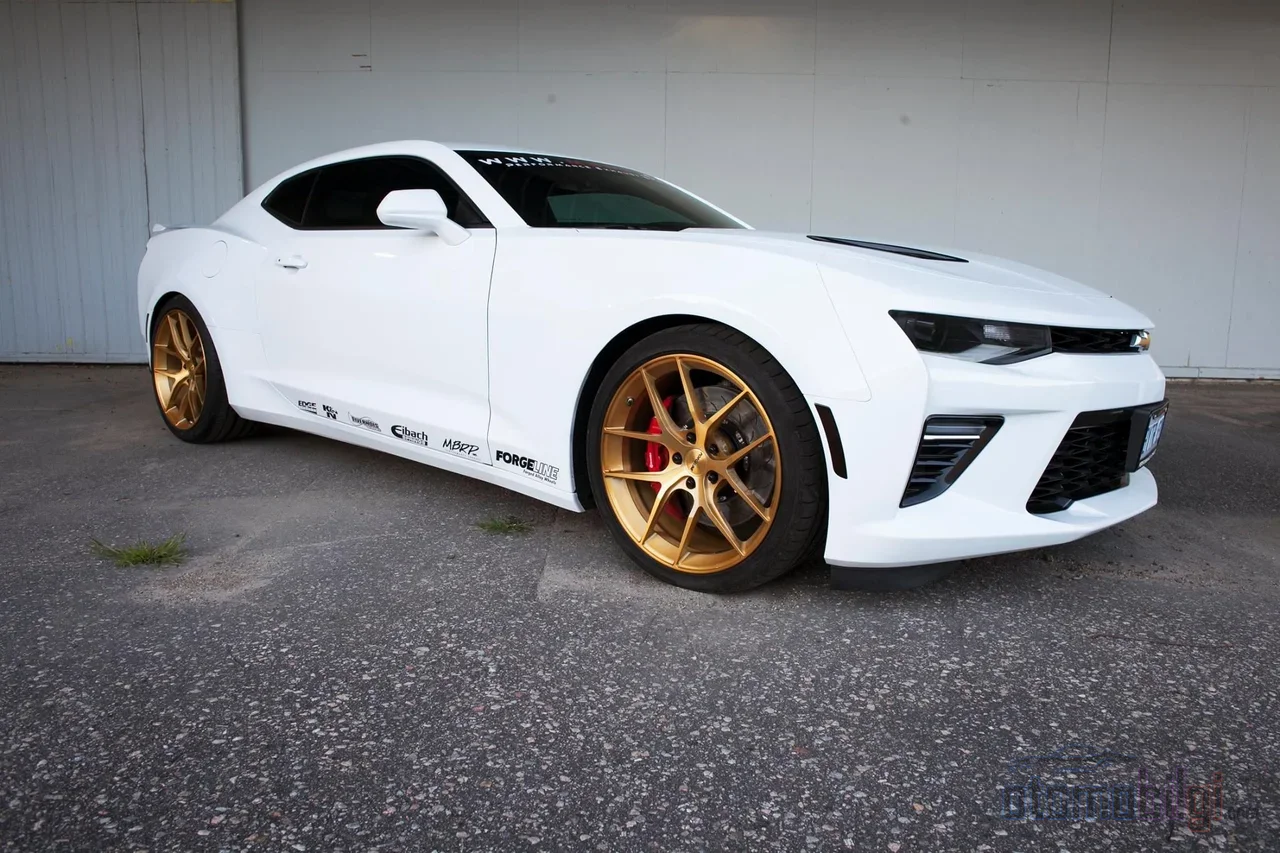
19-inch wheels delight the eye but empty the wallet; a sidewall ruined in a pothole is the price of comfort left behind on the road.
Are Bigger Wheels More Stylish, Smaller Wheels Smarter?
Mustafa Odabaşı13 October 2026

Short answer: if you are after style and road holding, larger wheels are the smarter choice; if you are after comfort, pothole resilience, and annual running costs, smaller wheels win. Choosing 19-inch wheels instead of 16-inch on the same model shor…

Read More
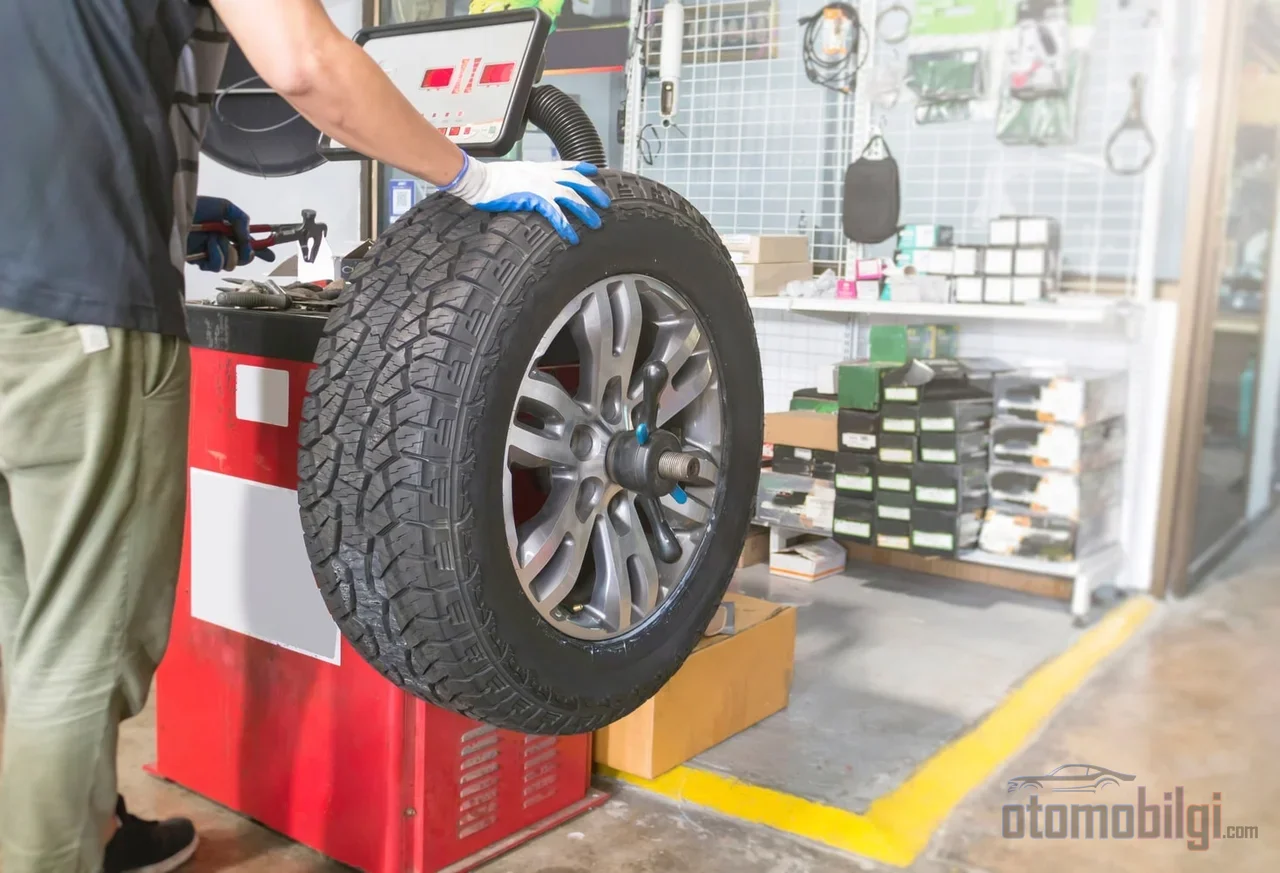
If the steering wheel vibrates, blame the balance; if the car pulls to one side, blame the alignment. Balance works with weights, while alignment deals with angles.
If Your Steering Wheel Shakes, Who's to Blame: Wheel Alignment or Balancing?
Mustafa Odabaşı12 October 2026

If the steering wheel vibrates, the most likely culprit is unbalanced wheel balancing; if the vehicle pulls to one side, or the steering wheel sits crooked while driving straight, the job falls to wheel alignment (toe) adjustment. In short, the formu…

Read More
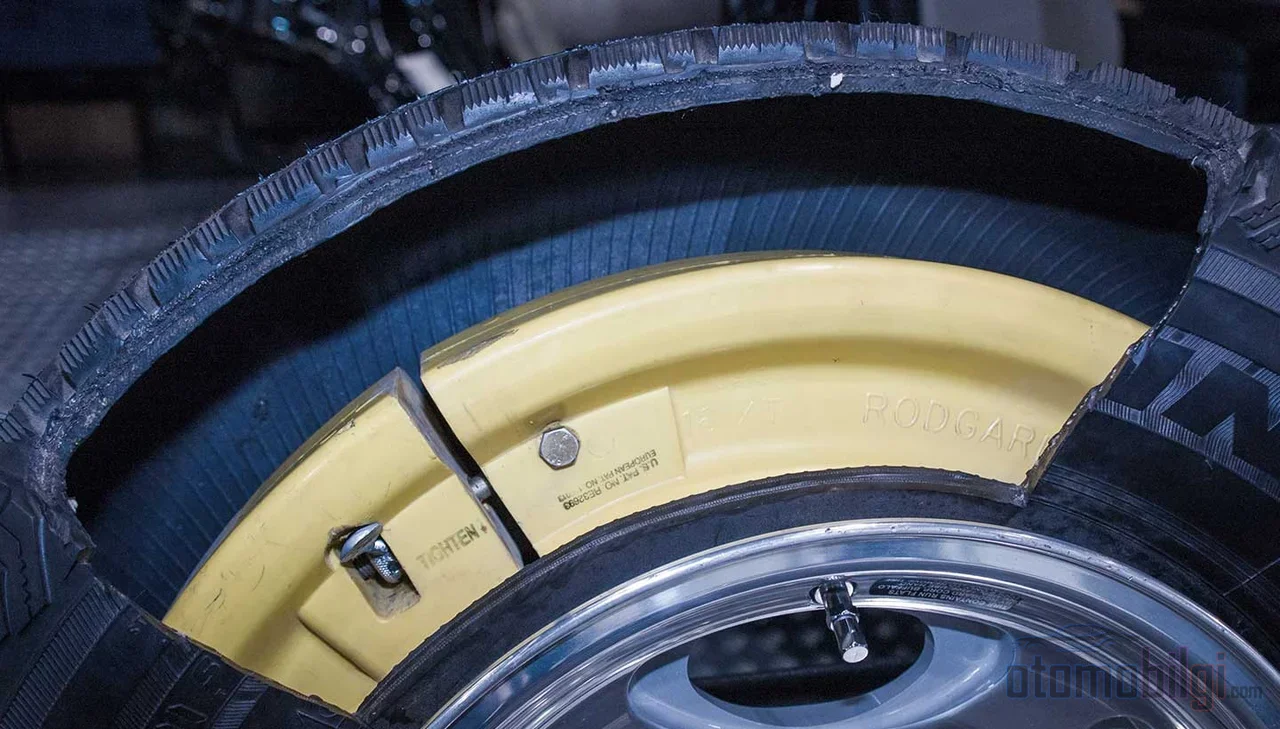
A run-flat tire can travel up to 80 kilometers even at zero pressure after a puncture, but this journey almost always ends with a replacement.
Do Run-Flat Tires Keep You on the Road if They Blow Out, or Should They Be Replaced?
Mustafa Odabaşı12 October 2026

Yes, a run-flat tire keeps going after a puncture - but it's a conditional yes. Thanks to its reinforced sidewalls that carry the vehicle's weight without air pressure, the tire takes you to a safe spot even at zero pressure, with a maximum of 80 kil…

Read More
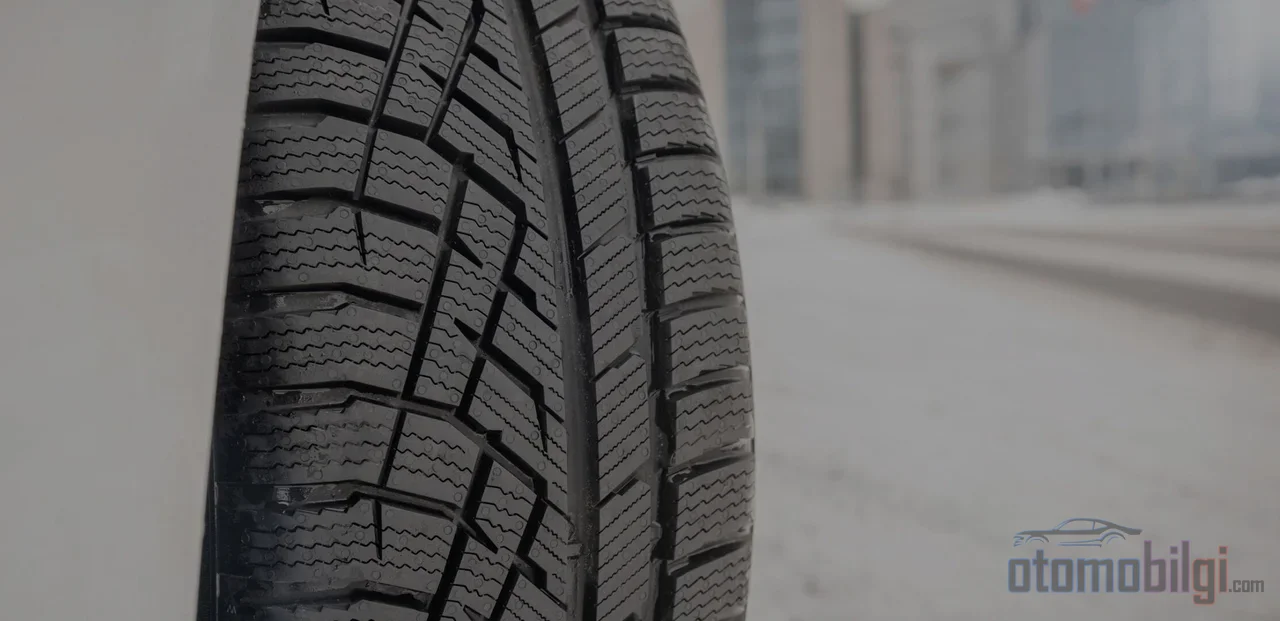
Climate conditions and temperature range are decisive when choosing between summer, winter, and all-season tires.
Summer or Winter, or All-Season? The Right Tire Choice Guide
Mustafa Odabaşı11 October 2026

The fundamental difference between summer, winter, and all-season tires lies in their compound hardness: a winter tire retains its flexibility below about 7 °C while summer and all-season tires harden at this temperature and begin to lose grip. The r…

Read More
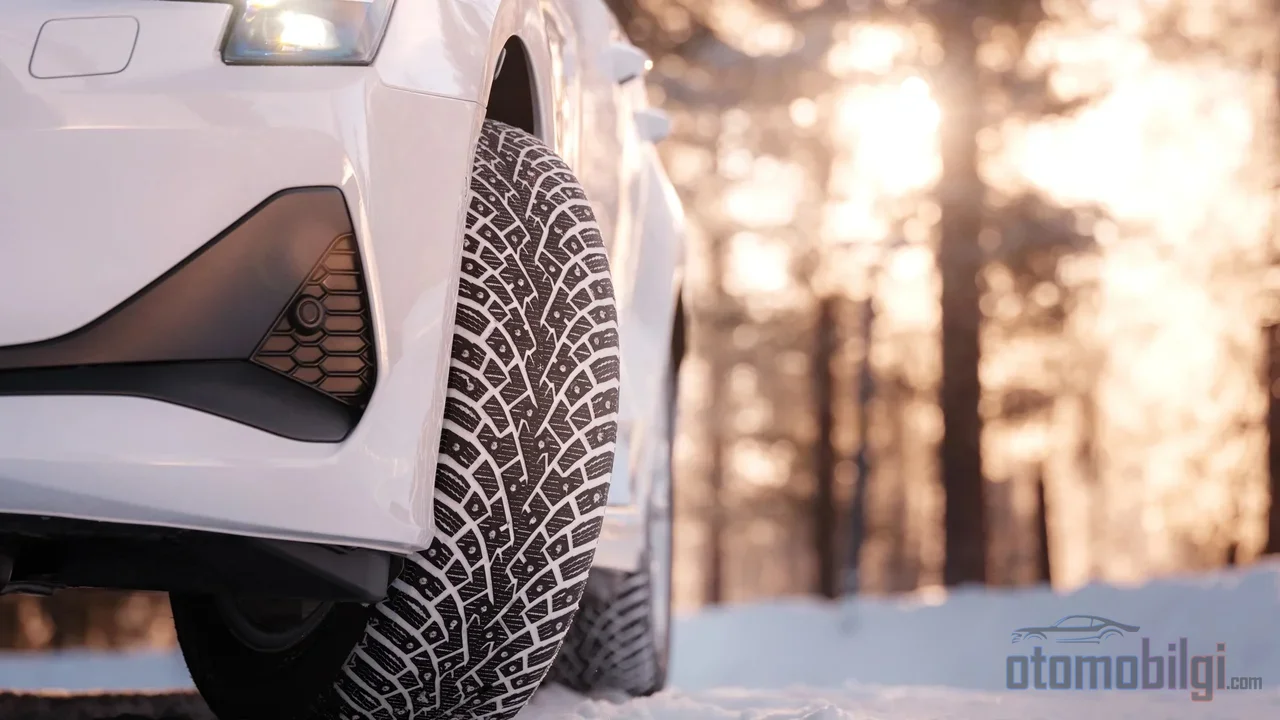
The codes on the tire sidewall display all the technical information, from the tire's width to its load capacity, on a single line.
What Do the Codes on the Tire Sidewall Say?
Mustafa Odabaşı11 October 2026

The codes on the tire sidewall are a standard notation that tells you, in a single line, the tire's width, sidewall height, construction, rim diameter, load capacity, and maximum speed it can safely sustain. For example, the 205/55 R16 91V code descr…

Read More
  • Previous
  • 1
  • 2

Category Editor

Mustafa Odabaşı

Mustafa Odabaşı

He started his professional career in the IT sector about 30 years ago. Mustafa, an incurable developer and passionate car enthusiast, now creates content for you on otomobilgi.com in addition to software development.

Follow Us on Social Media

Share This Page

Follow Us on Social Media

  • About Us
  • KVKK Disclosure Statement
  • Privacy Policy
  • Contact
Otomobilgi.com
INDEPENDENT AUTOMOBILE CULTURE PLATFORM
Powered by Virgo CMS