Automobile History
Share This Page
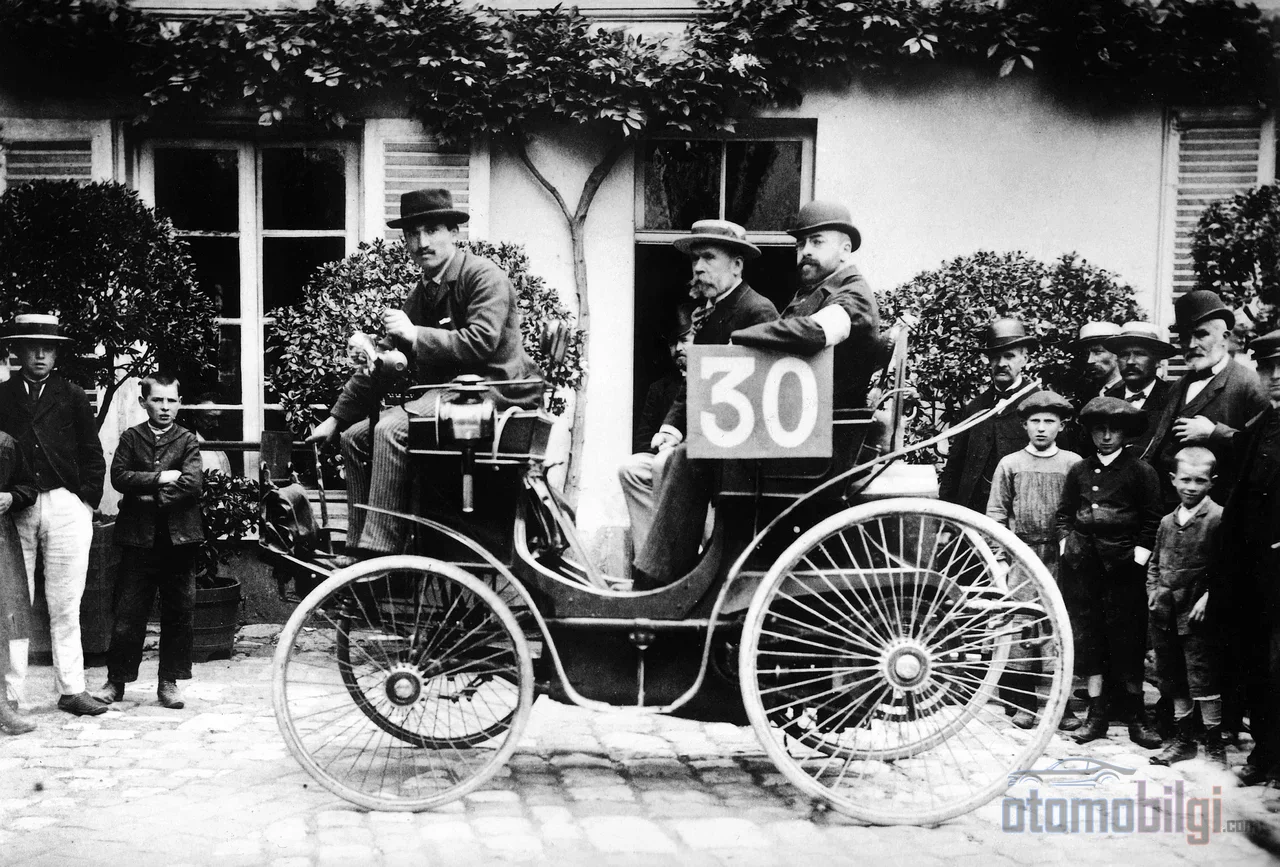
Behind the Scenes of the First Automobile Race from Paris to Rouen
The world's first competitive automobile race, held on July 22, 1894 from Paris to Rouen over a 126-kilometer course, the Concours des Voitures sans Chevaux, meaning the "Horseless Carriage Competition". But here's the funny part: the first vehicle t…
Read More
Cities Opposing the Rise of Automobiles and the Years of Their Bans
Today we can't live without thinking about cars, but look at this: throughout history, there were two places that banned motor vehicles entirely: Canada's Prince Edward Island (1908–1919) and Switzerland's canton of Grisons (1900–1925). So at one tim…
Read More
From Panhard to Rambler: The Decisions That Shaped the Automobile Into What It Is Today
When you drive a car today, you press the clutch with your foot and turn the steering wheel with your hands - you sit in the right seat and extend your right arm toward the seat to the left of the wheel... or exactly the opposite, because that is pre…
Read More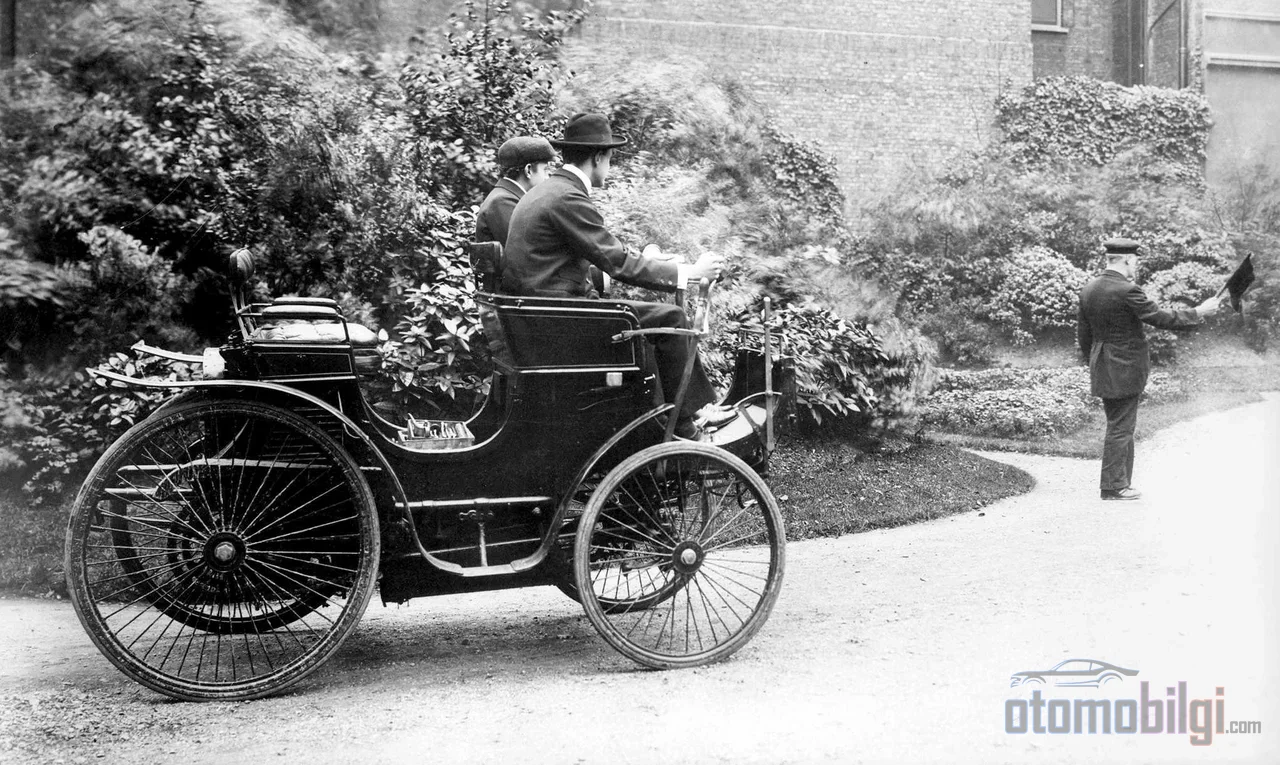
The Man Walking in Front of the Car with a Red Flag Requirement
The Locomotives Act of 1865 in England, popularly known as the Red Flag Act, required every self-propelled vehicle to be preceded by a person continuously carrying a red flag. Combined with a speed limit of 4 miles per hour in the countryside and 2 m…
Read More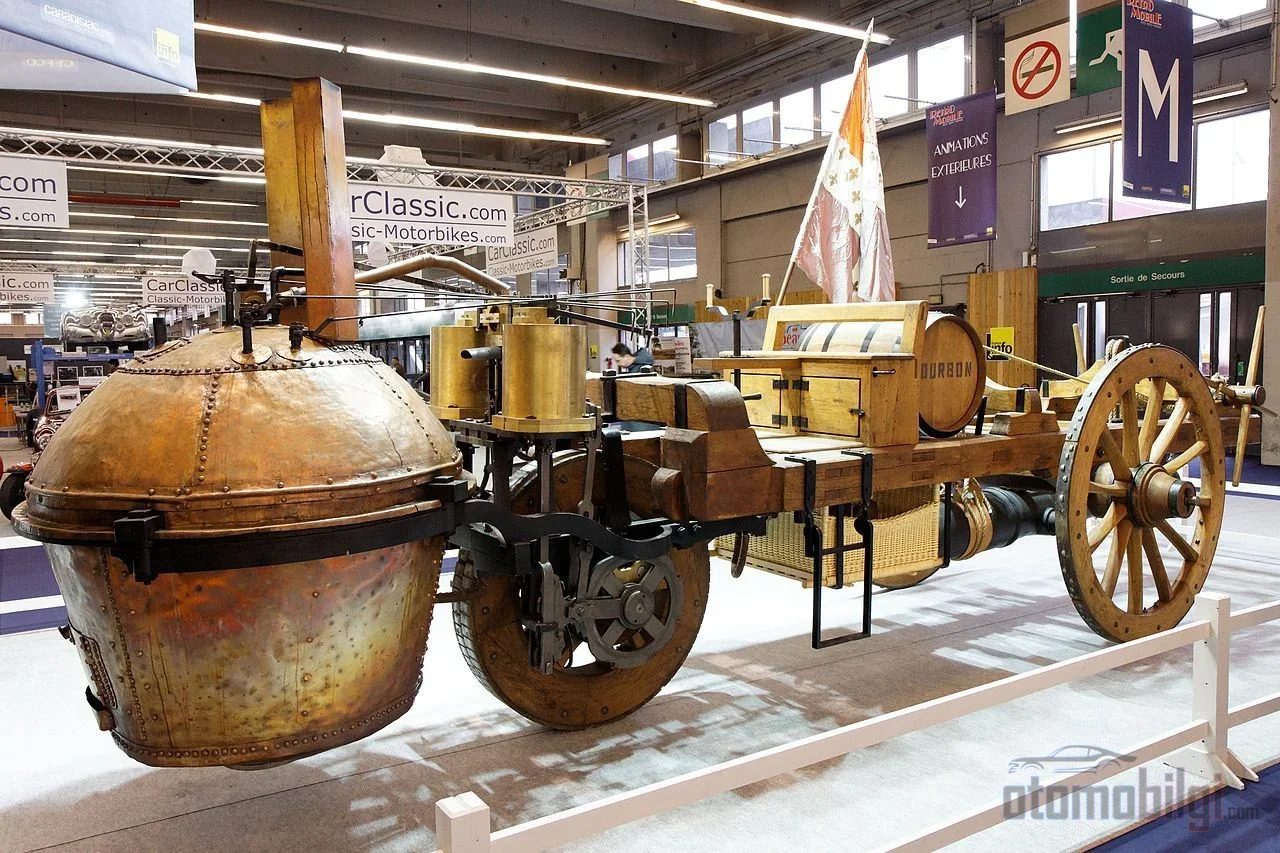
Did the First Car Accident Happen by Crashing into a Wall?
According to the story, the world's first known car accident occurred in 1771 when Nicolas-Joseph Cugnot's steam vehicle knocked down a garden or arsenal wall in Paris. So the automobile entered history for the first time with a crash scene. But ther…
Read More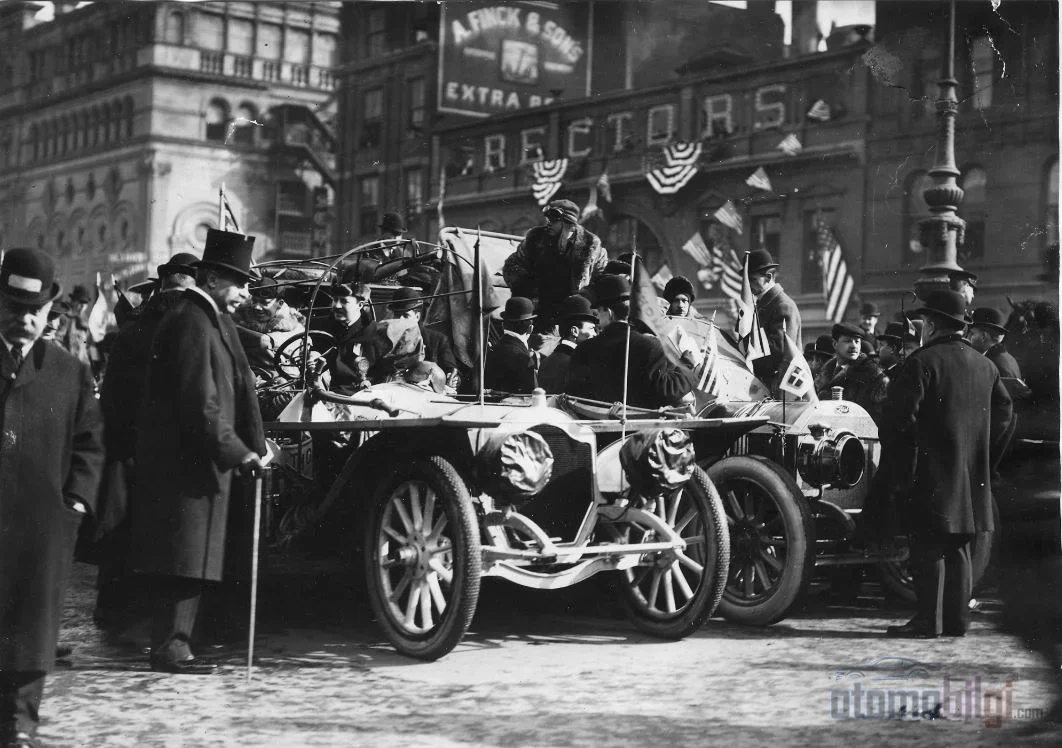
How Was the First Race Around the World by Car Won?
The first round-the-world automobile race is a legendary event that started in New York in 1908 and finished in Paris, lasting 169 days. Of the six cars that set out in this contest, the American-made Thomas Flyer won after crossing Alaska, Siberia a…
Read More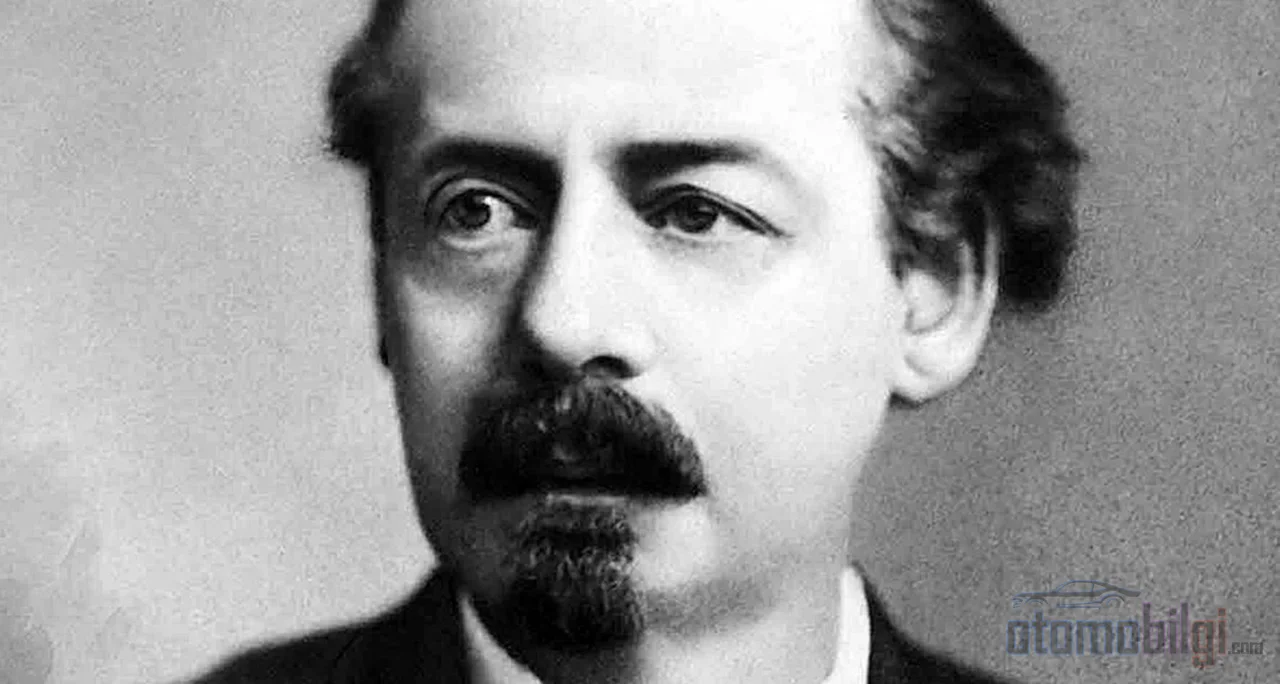
Siegfried Marcus: The Automotive Pioneer the Nazis Tried to Erase from History
Siegfried Marcus, 1870: a Jewish inventor who mounted a petrol engine on a simple handcart in Vienna in 1870, and whose name the Nazi regime tried to erase from encyclopedias in 1940. What makes him so interesting in the debate over the inventor of t…
Read More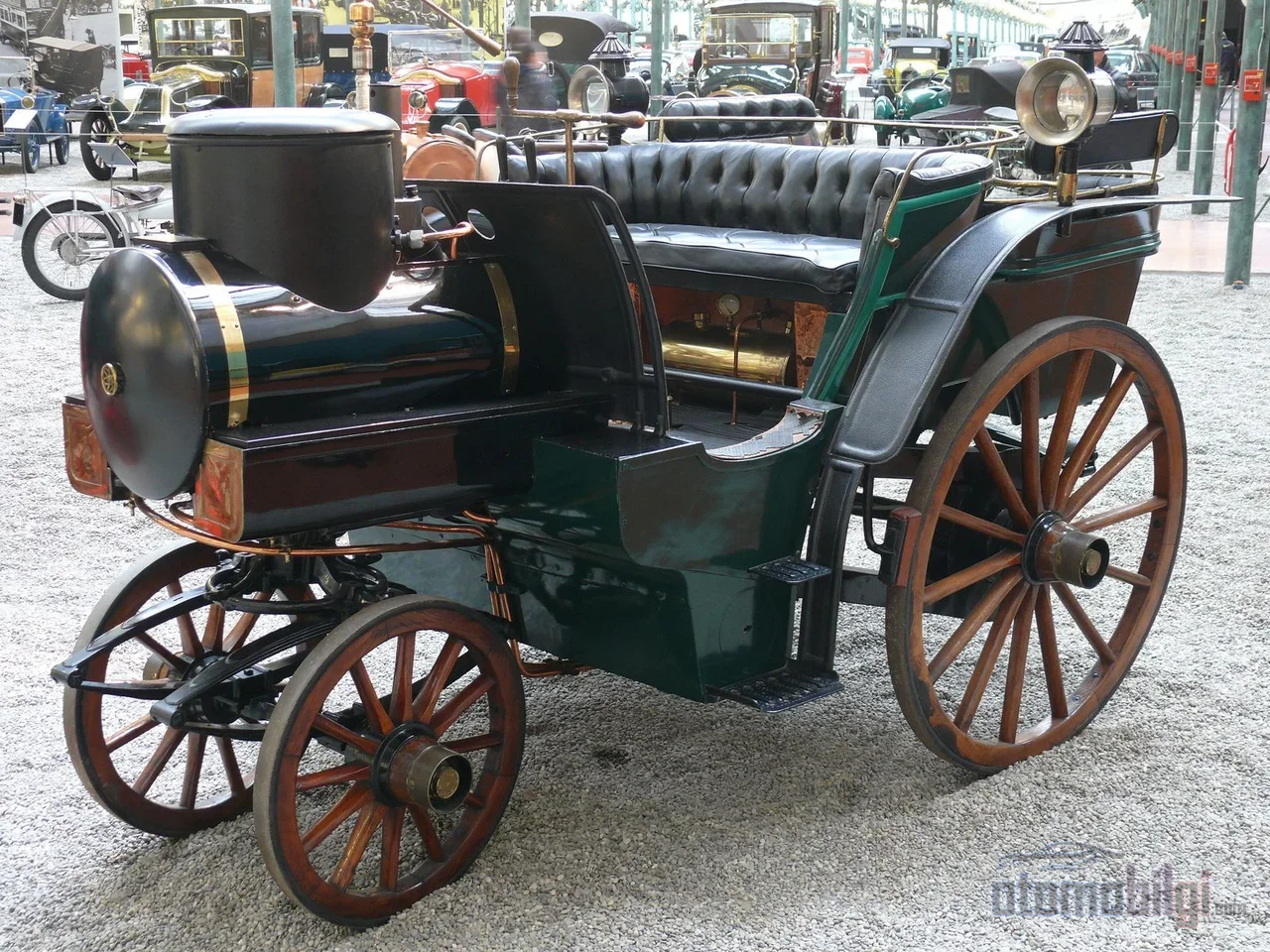
Steam, Electric, Gasoline: The Triple Race
Around 1900, gasoline cars in America were anything but the favorite: steam vehicles led the market, electric cars came in second, and the internal combustion engine was still fighting for third place. Yet within just a few decades, the winner of the…
Read More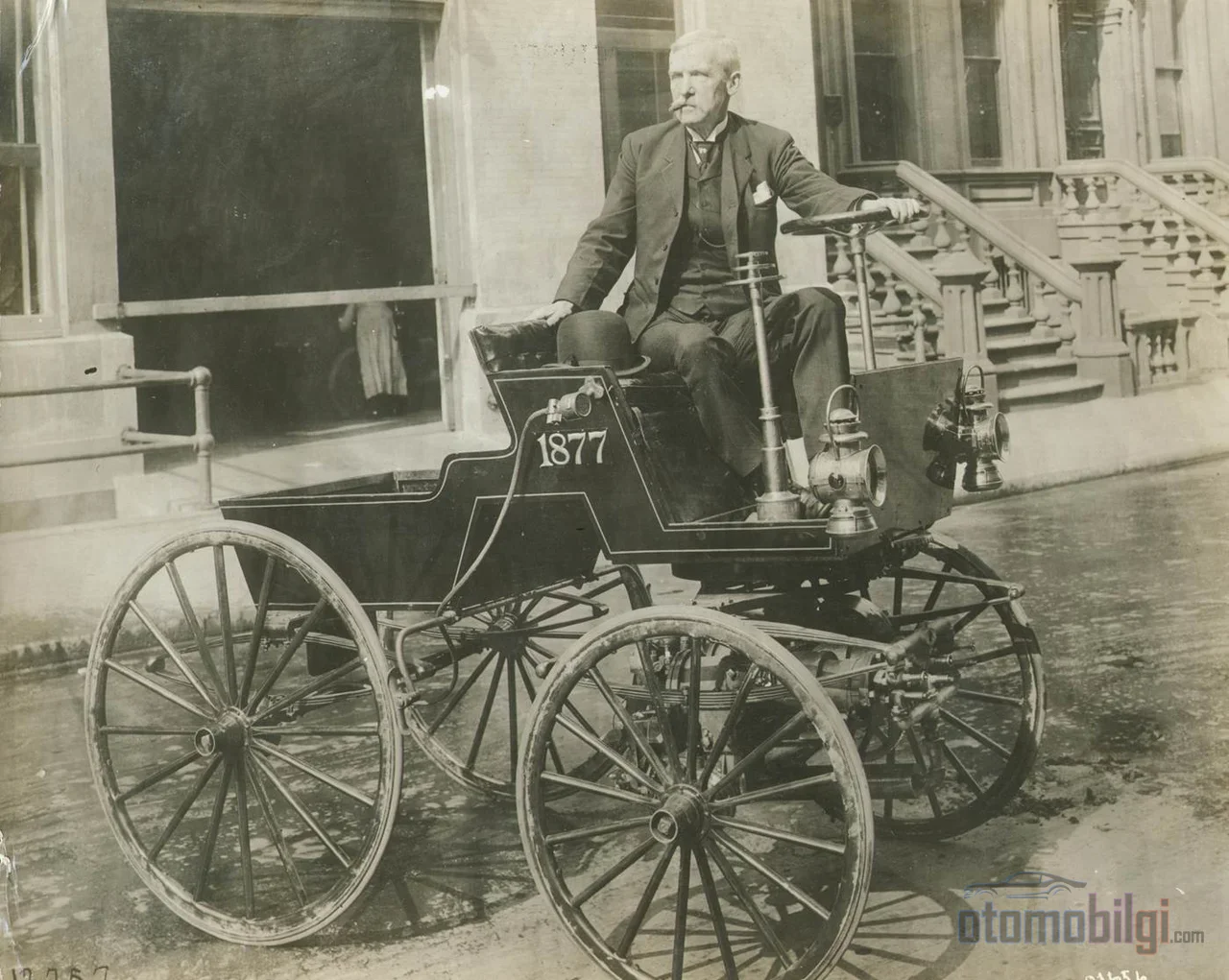
The Selden Patent: How a Piece of Paper Held the Automobile Industry Hostage?
The Selden patent was an American patent, claimed to cover the gasoline automobile, that George B. Selden applied for on May 8, 1879 and only obtained through legal maneuvering on November 5, 1895. This lawyer, who never built a car, used a sixteen-y…
Read More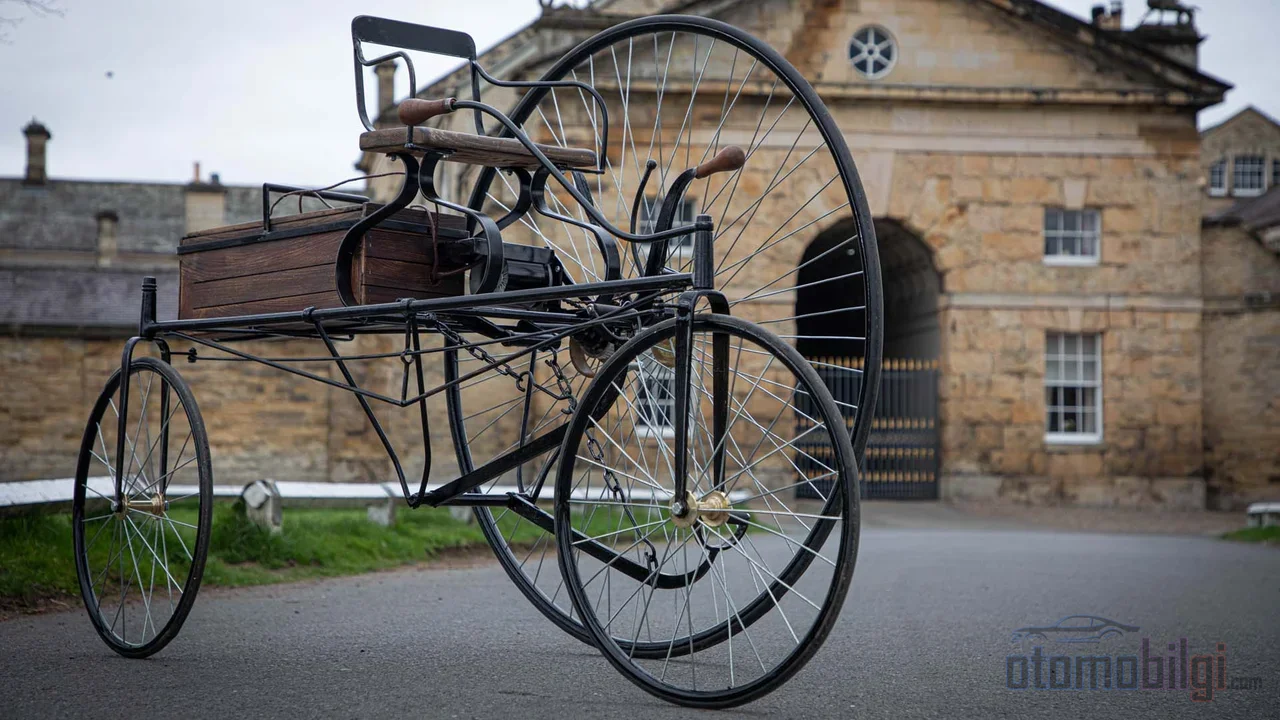
Electric Cars Turn a Hundred Years Old: The Forgotten Turn of the 1900s
The history of the electric car did not begin with Teslas, as most of us assume, but with a three-wheeled vehicle that ran through the streets of Paris in 1881. In fact, around one-third of the automobiles produced in America in 1900 were electric. S…
Read More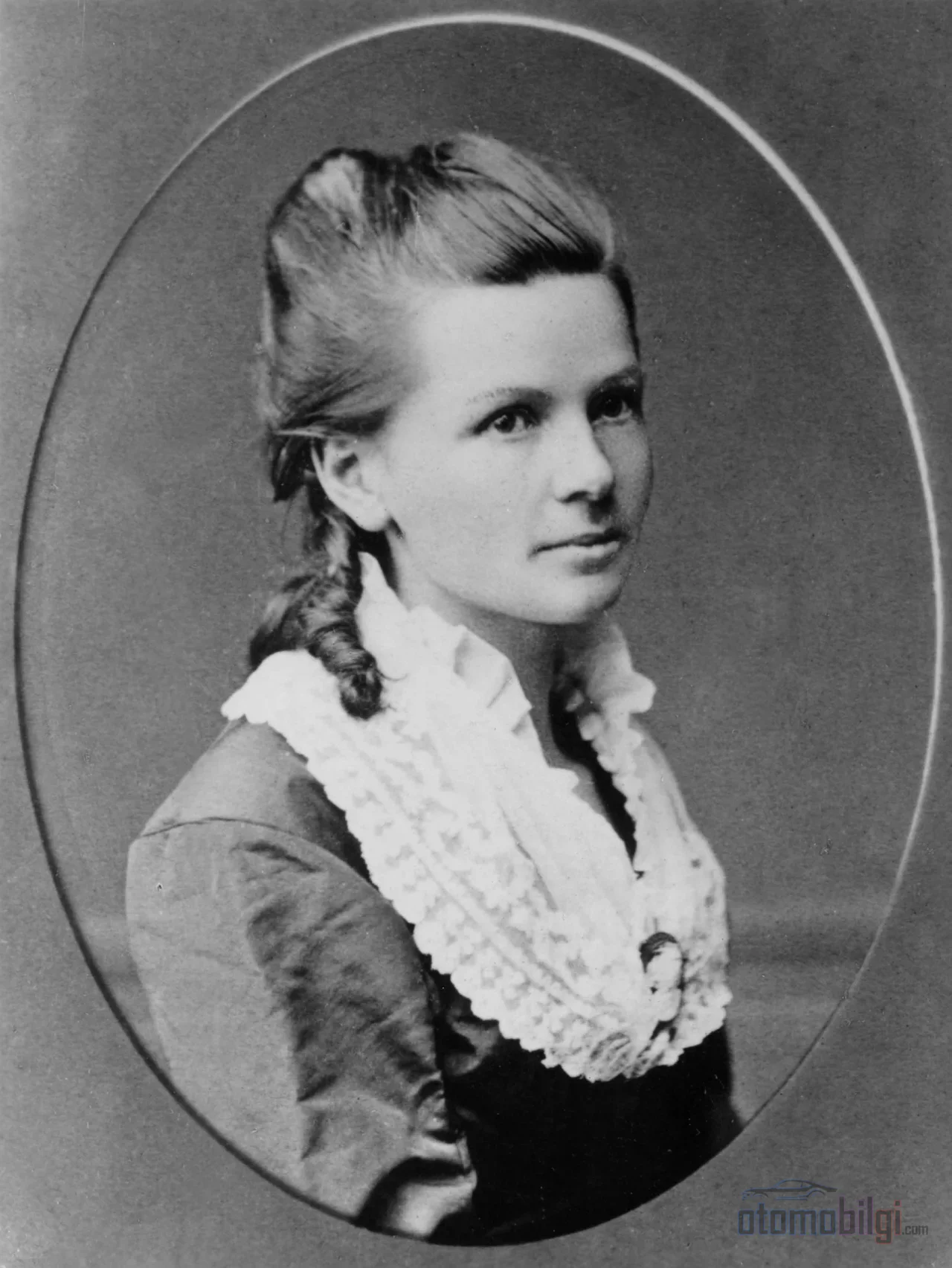
Bertha Benz's Historic Automobile Journey
On the morning of August 5, 1888, at dawn, Bertha Benz took her two sons and set out on a 104-kilometer journey with the world's first automobile, changing automotive history without her husband Carl Benz even knowing. Bertha Benz's historic journey …
Read More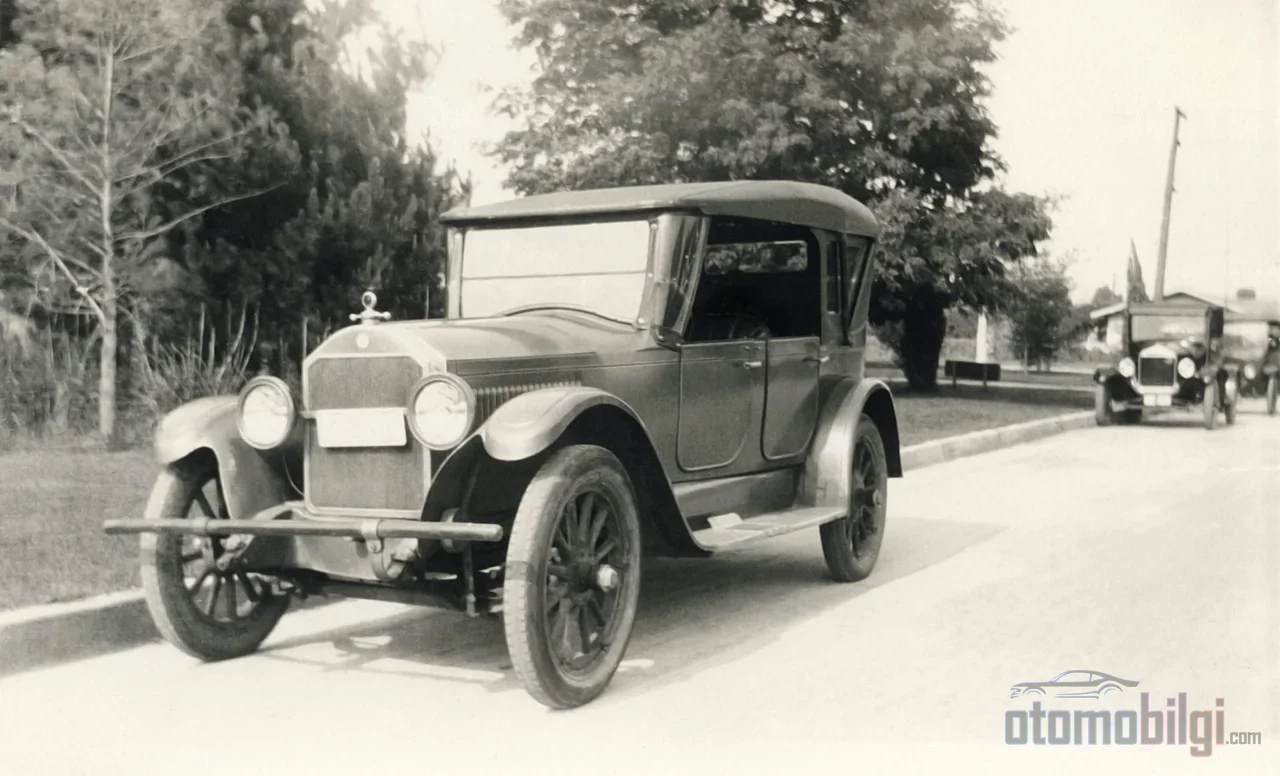
The Automobile Was Born as Roads Opened Up: The First Roads, Signs, and Traffic Rules
Have you ever wondered that when the automobile first appeared, there were no stops in the world, no junction rules, and no road markings? The first cars stepped into a world that knew no roads, no signs, and no traffic rules; today's traffic order t…
Read More