How to Negotiate When Buying a Used Car?

Share This Page
Negotiating on a used car is the work of lifting a veil that sits over the price written in the listing: it is the process of bringing the seller's asking figure and the vehicle's real value together at a reasonable common point by using the shortcomings and negotiating leverage. I have been in this profession for over thirty years; the only thing that has changed is not the car, but the environment in which the negotiation takes place. A conversation that used to begin at the dealership door today happens over the phone, even by message - but the serious part of the job still ends at the vehicle itself.
Highlights
- The real negotiation of the bargain is done at the vehicle itself; making a price offer by message is against the etiquette of negotiation.
- The listing price is set by the seller; the real market value can be approached with valuation services.
- Tire, inspection, maintenance and damage records are the strongest negotiating leverage.
- Extremely low "offender" offers end the negotiation; an acceptable range must be set.
- When buying from a dealership, there is a statutory warranty and the consumer has broader rights.
Before Negotiating: Learning the Real Value of the Listing Price
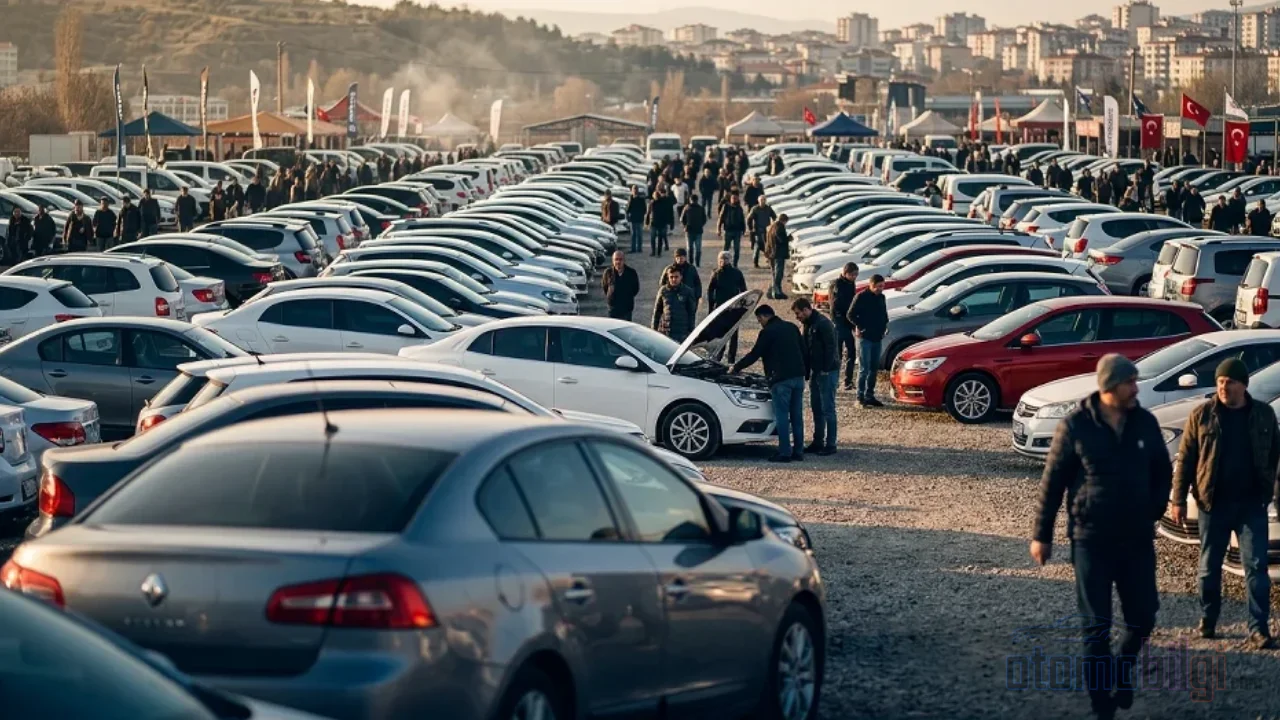
In the listing method, the seller sets the price; therefore the figure written in the listing is not the vehicle's real market value. The seller accounts for their own expenses - the listing fee, small repairs they had done - to set a floor, and adds a bargaining margin on top. As the buyer, your first task is to estimate how large that margin is. Today this job is much easier than it used to be: free vehicle valuation services offer a price range based on current listing data by entering the make, model, year and mileage. Knowing this range shows both whether the seller's figure is exaggerated and where your own budget actually stands.
Preparing a reasonable opening offer that does not go below the range produced by the valuation is the foundation of negotiation. Remember that your goal is not to buy the car with a tow truck; the seller also has to cover their costs. A buyer who shows up at the door trying to knock the price down without researching the market value loses their credibility in the first minute against a seller who has swallowed the dust of this business.
Turning Shortcomings into Leverage: Tires, Maintenance and Damage
Every car has a shortcoming; the art of negotiation is to turn these shortcomings into concrete items that can be carried into the price conversation. The age of the tires, the recency of the inspection, the lack of periodic maintenance, paint and replacement records - each of these means an item of expense. The observation long years have given is this: a buyer who spends 25-30 minutes at the vehicle making a detailed inspection and looks critically at paint and replaced parts proves their seriousness to the seller and strengthens their hand. A buyer who praises the car is the weakest link in the negotiation; if you like it, say what you have to say when talking money.
The most reliable ace is a detailed report from a trusted inspector. A report revealing the mechanical, electronic and cosmetic condition gives you both the car's true condition and your negotiating margin in numbers. Also check the damage record in advance: you can query the vehicle damage record free of charge via e-Devlet, and sending the plate by SMS to the operator's number 5664 also reveals the insurance claim history - the damage history is visible even if the plate has been changed. A query can also be made with the chassis number. For those who want to see under the hood, chassis and pillar checks are especially critical; the nature of the damage, repair history and sale price must be evaluated together.
How to Negotiate for a Used Car: Step-by-Step Process
Negotiation is an orderly task; if you skip steps, the result will be mediocre. In my experience, the most effective flow is as follows:
- First, do your research. Find out the car's market range through valuation services, and its damage history via SMS and e-Devlet.
- Probe the ground over the phone. Instead of directly lowering the number, ask "what's the best you can do?"; the seller's true bottom line often comes in the first answer.
- Let the seller state the first number. Giving your own offer early narrows your negotiating room; politely insist, let them say the number first.
- Negotiate at the car. A negotiation made at the vehicle carries seriousness and can be supported by inspection findings. Making a price offer by message is not proper etiquette for this business.
- Make a well-founded offer. Present an offer based on logic - grounded in tire, maintenance and damage items - not a random number.
- Finish at the midpoint. If refused, say "let's find a middle way"; healthy negotiations usually close between the two numbers.
A concrete example circulating in forums shows how this ordering works: for a car listed at 80,000 TL, the buyer learned 75,000 over the phone, and offered 70,000 in person, closing the negotiation at 73,000 TL. A week later, a dealer offered 78,000 for the same car - meaning there was a serious margin in between, and that margin fell to the buyer who played it in the right order.
Different Tactics Depending on the Seller: Dealership, Gallery and Individual Seller
The language of conversation is not the same with all three seller types; the buyer who knows this does not waste time.
Individual seller
When buying from a private individual, the price is most flexible; because if the seller is in a hurry or in need, the margin grows. On the other hand, consumer law protection is weak: in a private sale, since the seller's capacity is not commercial, part of the lawsuit avenue available against a gallery is closed. When a sales contract is established, the seller is already not liable for defects the buyer knows about. Therefore, in a private purchase, expert inspection is as much a negotiation as bargaining itself - don't trust anyone and skip the report.
Gallery
Dealers conduct commercial activity; the legal regime is shaped accordingly. The buyer's rights in a vehicle purchased from a dealer are protected without impairment, and in some cases broader rights apply; defects can be claimed within two years from the date of purchase. Moreover, the most tangible difference between buying from a dealer and a private sale is the warranty that comes with the law. This is why a dealer's price is somewhat higher; factor this into your negotiation. Dealers usually resist hard on the initial figure, but they are a commercial establishment with end-of-month targets - month-end and stock pressure works today just as it did in the past. Both the dealer and the private seller will turn away a buyer who discusses a price over the phone and then demands a completely different figure in person; be consistent.
Dealership
At an authorized dealership - especially for brand-related used vehicles or near-new ones - the negotiation proceeds more formally. At a dealership you have shopped with before and have a good relationship with, a discount can be granted easily. In 2026, increasing production capacity and intensifying competition between brands also create potential discount opportunities for the buyer; in dealership talks, negotiating over packages - maintenance, accessories, financing - rather than the figure is often more effective.
Setting an Acceptable Range: Why "Insulting" Offers Don't Work?
One of the most common mistakes in negotiation is throwing out a price far below the listing price and trying to intimidate the seller. Offers like "The listing is 21 thousand, I'll give 18 thousand cash" sometimes find an answer; there are even those who say "you have to be shameless to negotiate." But the opposing view is also strong on the same forums: some sellers sell their vehicles at their listing price without budging and cut off talks with anyone making a low offer. One seller's remark sums up the attitude: "If you can't afford it, go buy another vehicle; there's no point in begging."
In my view, the right approach is more mature: prepare the amount the seller asks for and go see the vehicle, and treat the price reduced through negotiation, once you've decided to buy, as a gain. In other words, negotiation is a discount tool applied at the end of the purchase decision; making an unaffordable vehicle affordable through negotiation is not the point of this exercise. It's also reassuring to know that plenty of buyers say they struggle with negotiating and prefer to pay whatever the price is - not everyone has to haggle like it's a bazaar, but knowing the range is everyone's right.
Common Mistakes in Negotiating When Buying a Used Car
Over the years, I have seen buyers repeat the same mistakes over and over. The most common ones are:
- Judging by appearances. Glossy paint and clean seats make a good first impression; but the vehicle's true condition is under the hood.
- Relying on an "acquaintance" for the inspection or skipping it entirely. Focusing solely on low mileage belongs to the same family of mistakes.
- Neglecting the test drive or keeping it too short. Brakes, steering, and suspension only speak on the road.
- Focusing only on the price. Additional items such as insurance, notary, and transfer costs are part of the budget; a realistic budget should cover them as well.
- Not checking the seller and the documents. Registration, ID, tax debt, and lien status are checked before the offer, not before the negotiation.
- Assuming equipment. It is a classic misconception to think that the equipment you see on a make-model is present on every car in that series.
One more reminder about the end of the process: in 2026, used car sales are completed with the assistance of a notary; the buyer must have valid mandatory traffic insurance in their own name before the notary transaction. The sale price can be secured via wire transfer, EFT, or FAST through the notaries' secure payment system. Bring these items to the negotiation table from the very beginning; costs that pop up at the last moment at the table erode the profit of hours-long negotiations.
Final Word: Patience Is a Trump Card
In the old days, negotiation was done amid cigarette smoke that fogged up the dealership's windows; now we do the valuation over the phone and ask for the damage record via SMS, but the essence has not changed. The buyer who researches, makes justified offers, uses the shortcomings as leverage, and closes within a reasonable range has always won. An excessive offer, on the other hand, loses both the seller and the negotiations. Love the car, but state the figure cool-headedly - the rule of this business has not changed in thirty years.
Sources
- The Golden Rules of Car Negotiation
- Negotiation Tactics When Buying a Used Vehicle
- Negotiation etiquette when buying a car
- Negotiation and Correct Pricing in Used Vehicle Sales
- Vehicle Value Inquiry & Calculation
- Negotiation is done in person at the car
- Inquiry via SMS
- The Seller's Liability in the Sale of Defective Used Vehicles
- Defective Vehicle Rights
- Things to Consider When Buying a Car from a Dealership
- Mistakes Made When Buying a Used Vehicle
- 10 Common Mistakes Made When Buying a Used Vehicle
- New Regulations in Used Vehicle Sales
- Secure Payment System