24 Hours of Le Mans
Share This Page
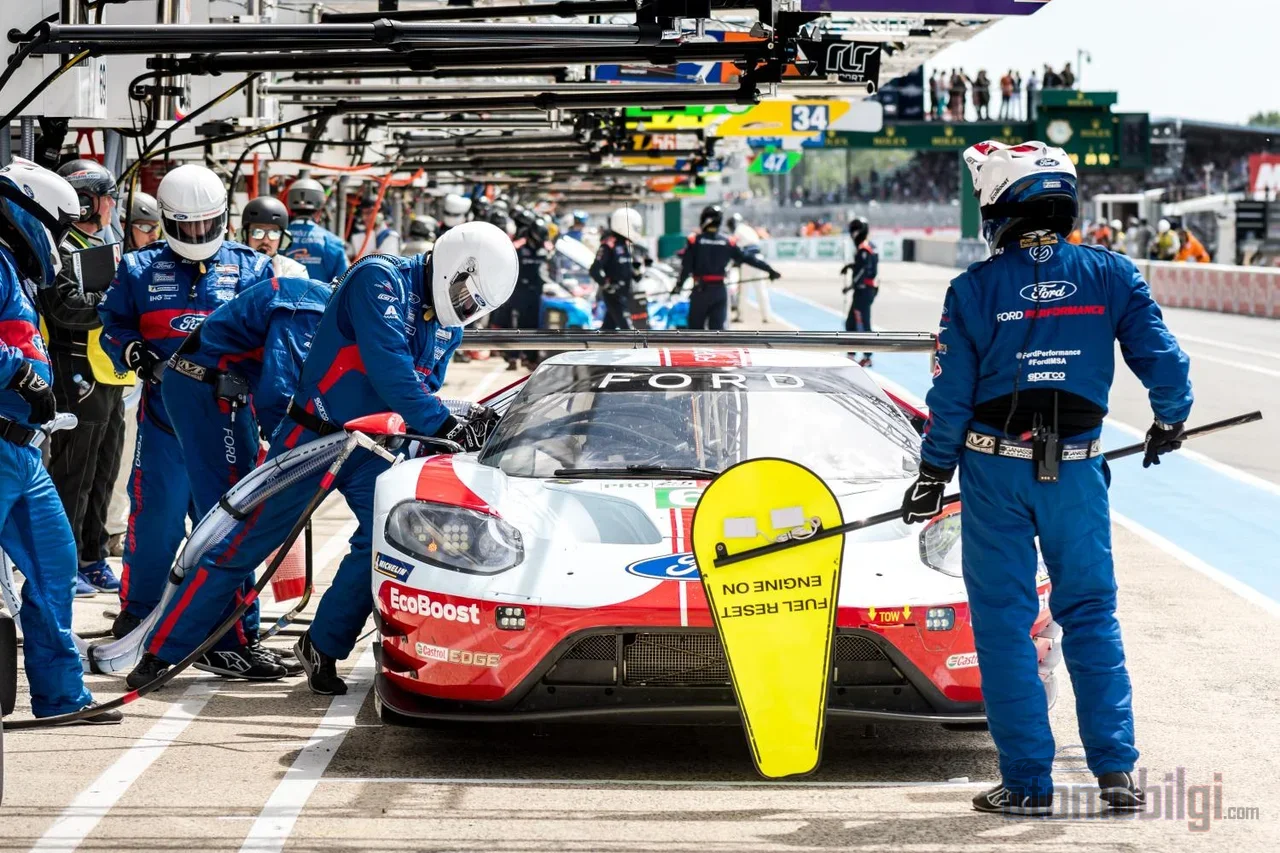
How Is a Pit Stop Managed at Le Mans?
A pit stop at the 24 Hours of Le Mans is something very different from that 2.5-second show in F1: tires are changed while fuel flows, the driver swaps everything from the harness to the seat insert, stops of 30 seconds sometimes stretch into minutes…
Read More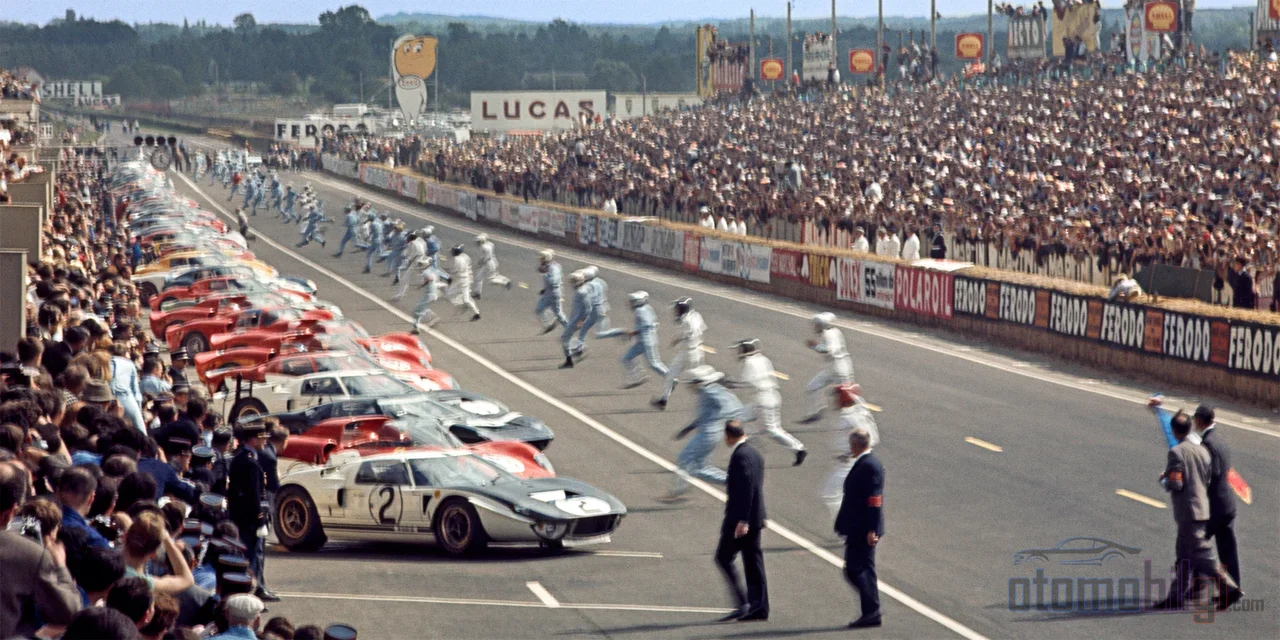
Why Was the Le Mans Running Start, Where Drivers Sprinted to Their Cars, Banned?
The Le Mans start is the starting ritual used in the 24-hour race from 1925 until 1969, where drivers waited on the opposite side of their cars and ran to their vehicles when the flag dropped. Sounds amazing, right? But it was precisely that dash, th…
Read More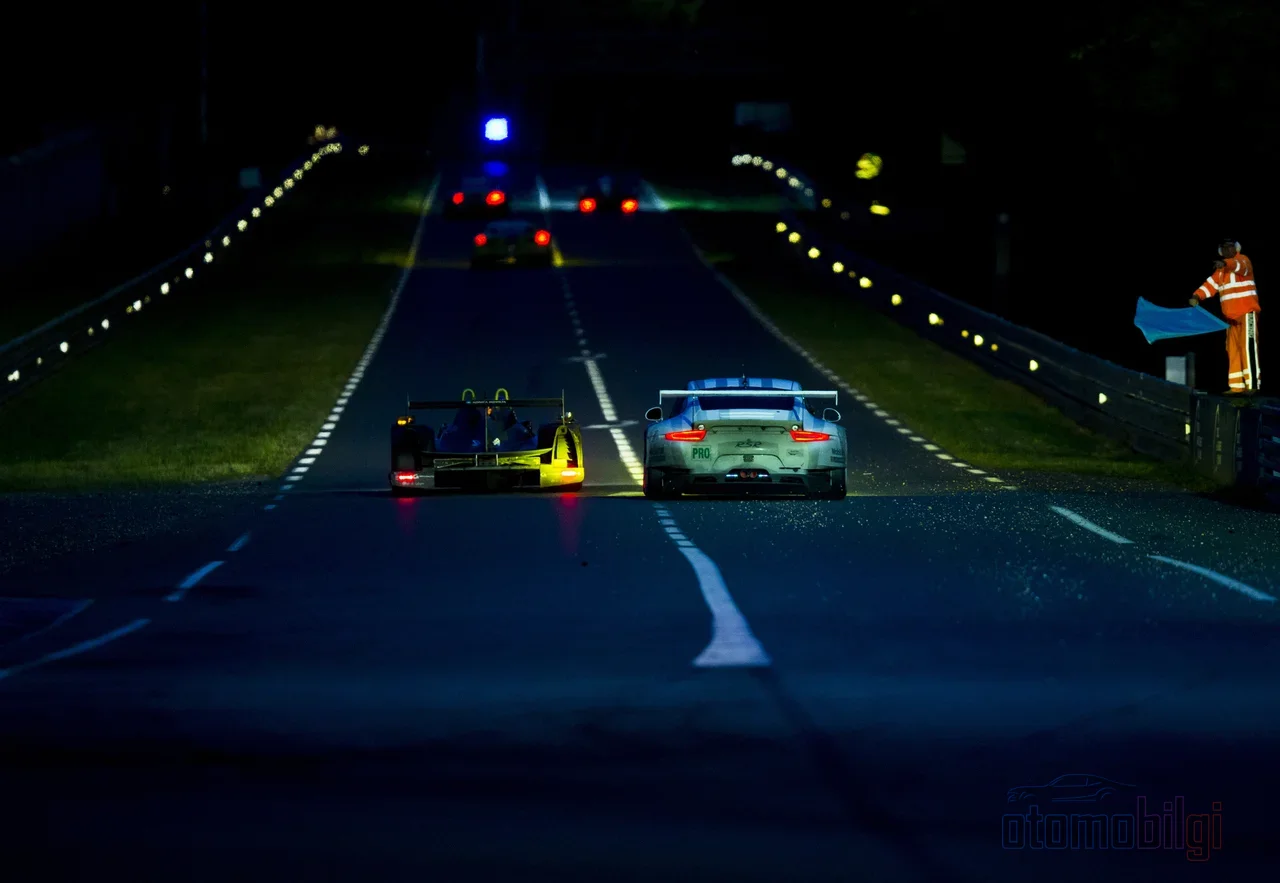
Why Is Night Driving at Le Mans a Completely Different Race?
Night driving at Le Mans is a completely different experience from racing on the same track in daylight: there is not a single street lamp on the circuit, the distance illuminated by the headlights is at the limit of their reach, and around 3 a.m. bo…
Read More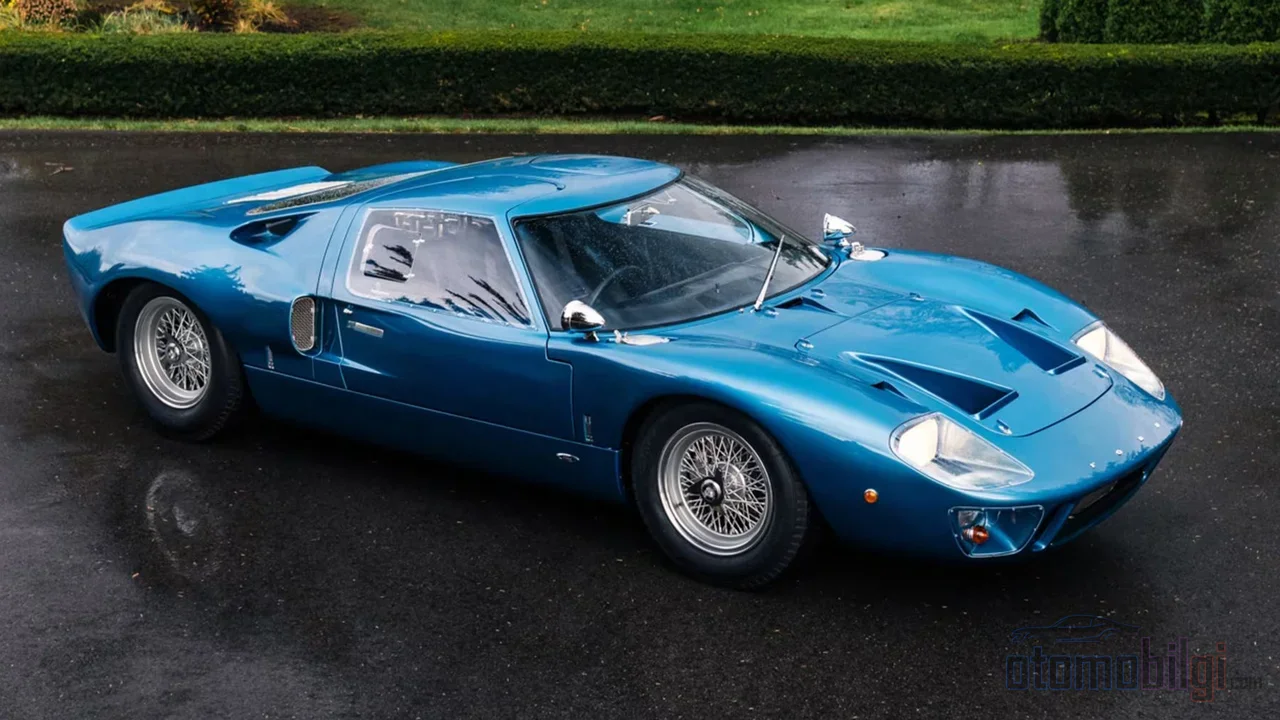
How Was the Ford GT40 Born to Beat Ferrari?
The Ford GT40 was a revenge project deliberately created after Enzo Ferrari rejected Henry Ford II's purchase offer at the last minute in 1963, built specifically to beat the brand at Le Mans. After two failed seasons, it was transformed under Carrol…
Read More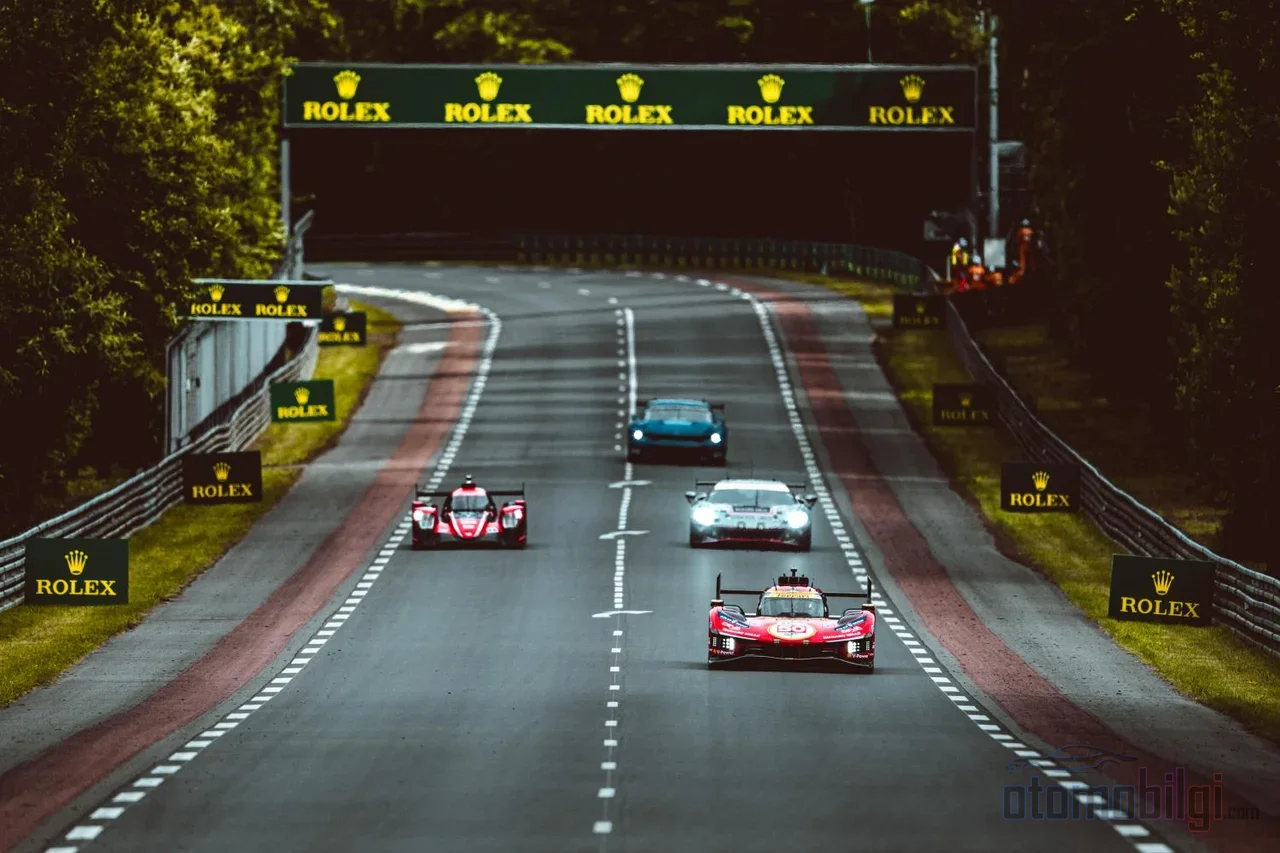
Most Successful Brands and Drivers at the 24 Hours of Le Mans
Porsche, with 19 wins, is the most successful manufacturer in the history of the 24 Hours of Le Mans; Tom Kristensen, with nine victories, is the undisputed peak among drivers. Nearly a century of winners from 1923 to the present day, broken down by …
Read More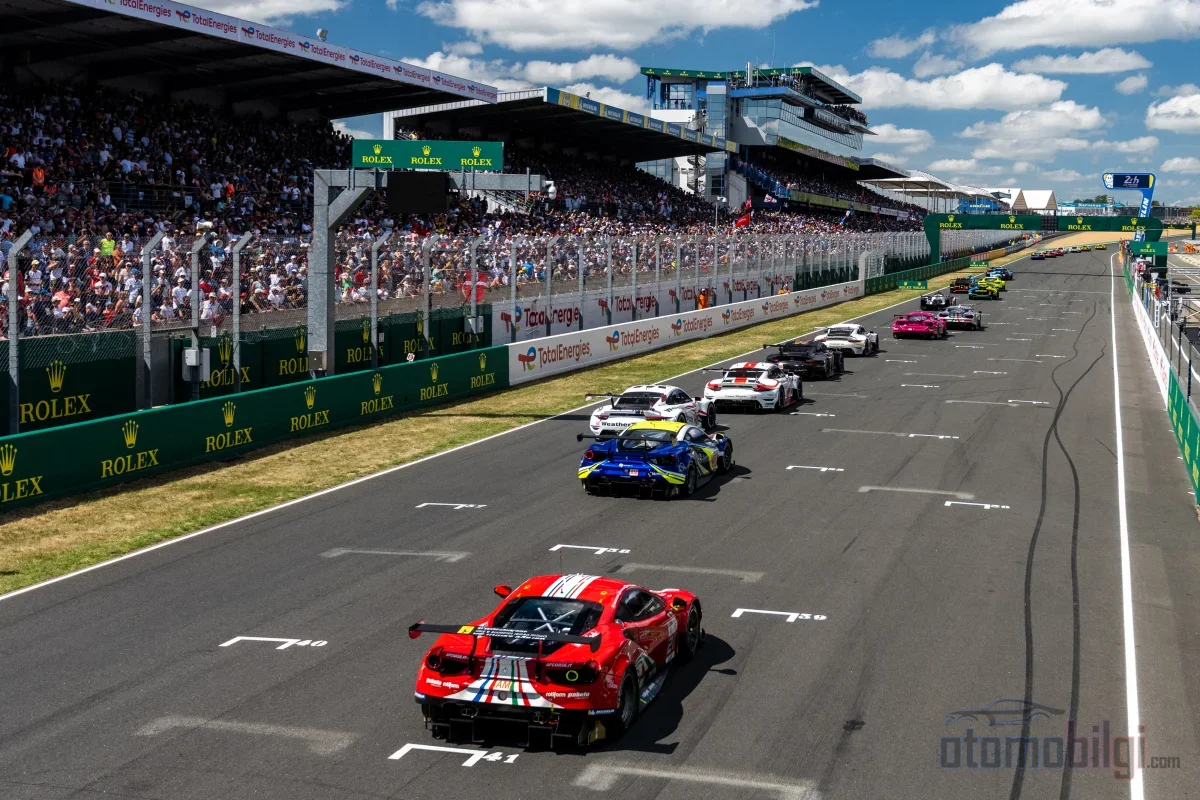
Why Is Finishing Le Mans So Difficult?
Because Le Mans is a saw-toothed test like no other: it demands that you believe a car will not break down not for seconds, but for an entire day, exactly. Since 1923, the majority of cars entered have failed to see the finish line at the end of 24 h…
Read More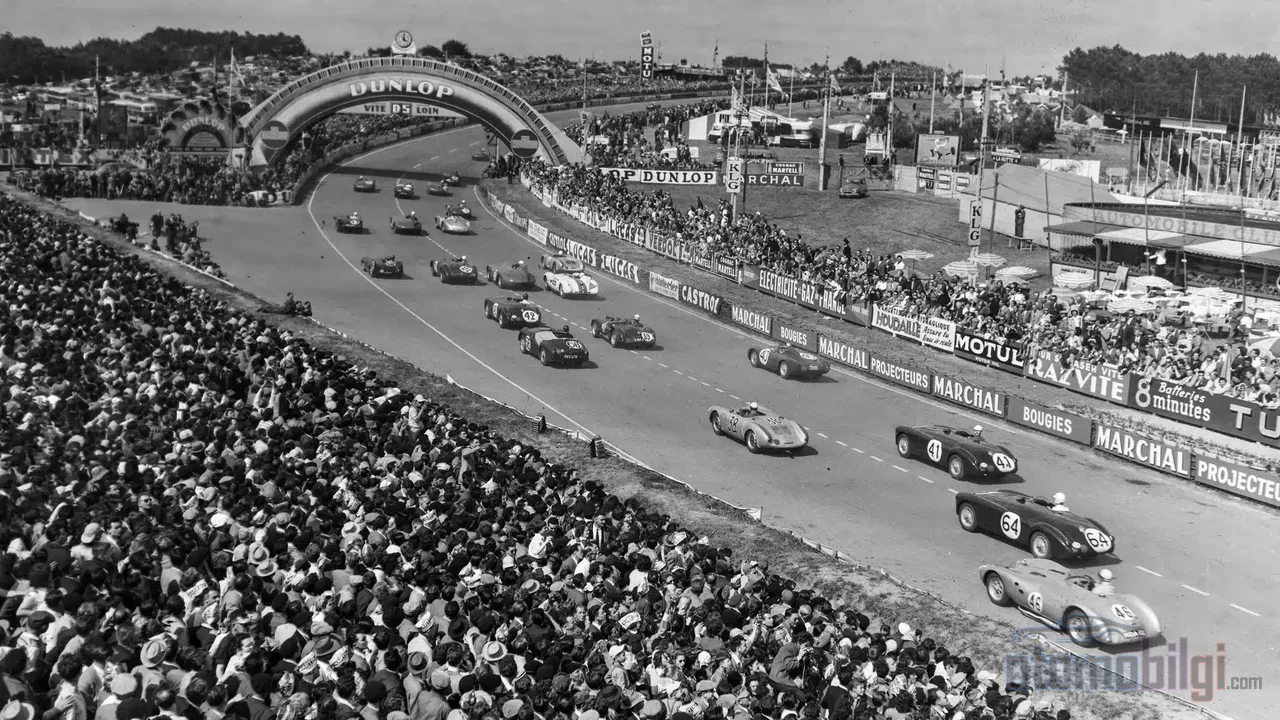
The Crashes That Transformed Le Mans: How Safety Improved?
The darkest moments in Le Mans history literally built motorsport's modern safety culture: from the introduction of disc brakes in racing to carbon monocoques, from the HANS device to the triple safety car rule, behind every protective measure there …
Read More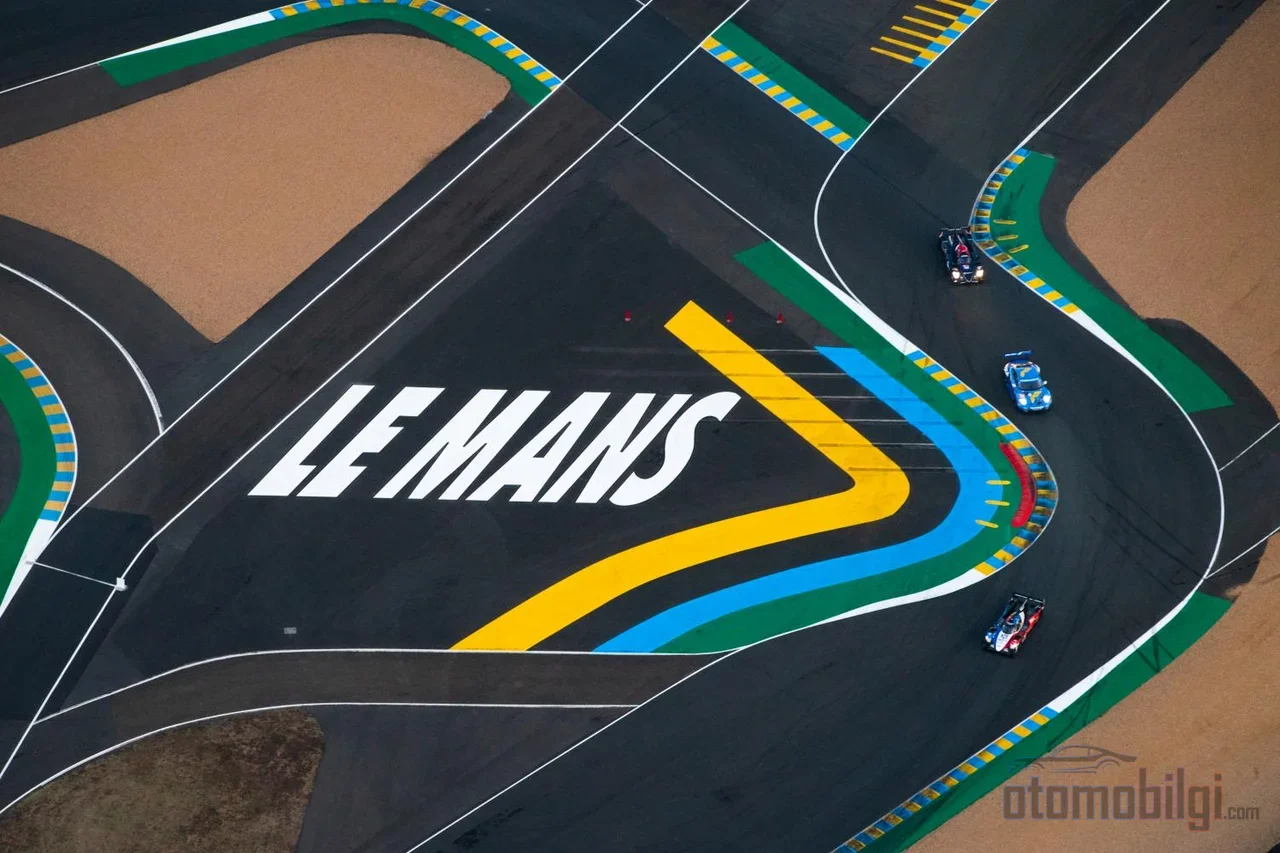
How Did the Hypercar Era Reshape Le Mans?
The Hypercar era is the new period that began at the 24 Hours of Le Mans in 2021 with the Le Mans Hypercar (LMH) regulations, replacing LMP1; by reducing costs, it aims to draw manufacturers back to racing. The rule worked: after the transition years…
Read More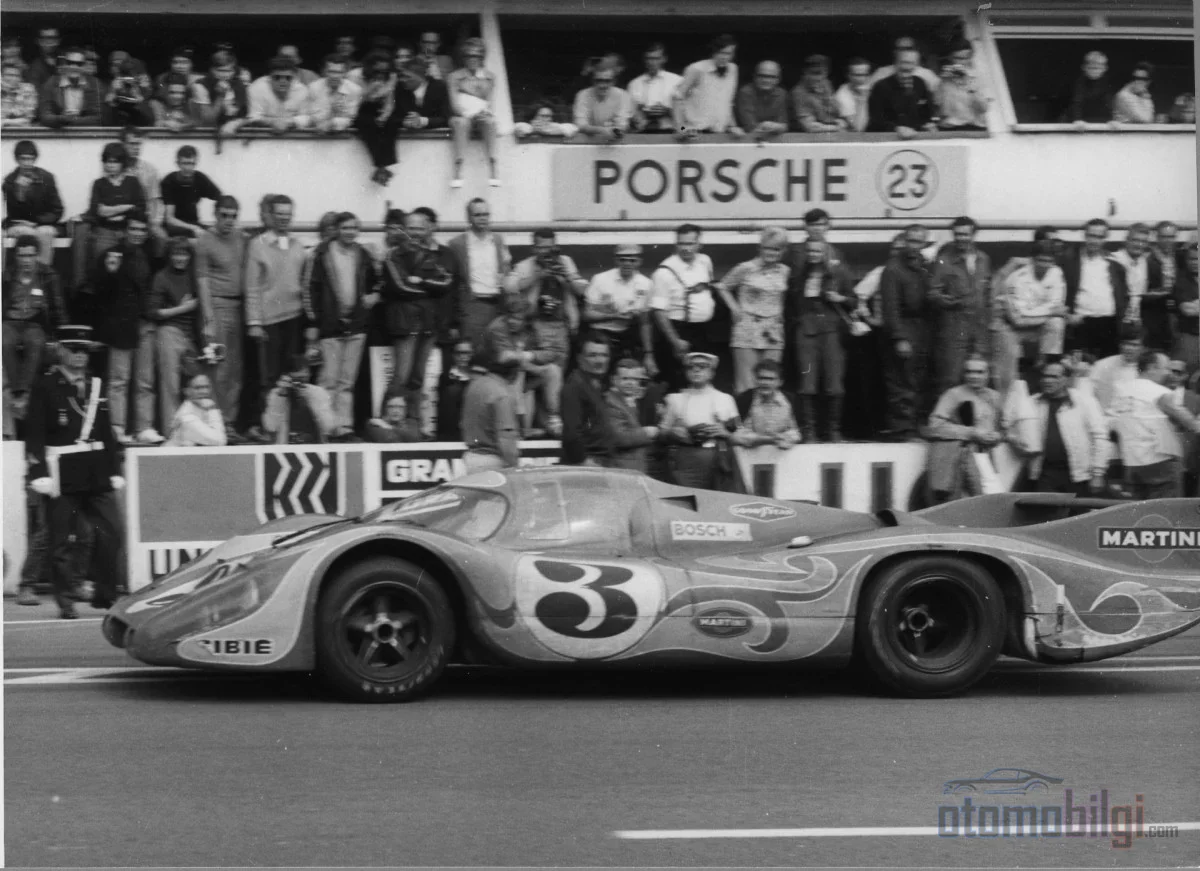
How Did Porsche Win Le Mans 19 Times?
Porsche is the most successful manufacturer to have won the 24 Hours of Le Mans, with 19 overall victories. This story, which began with its first win in 1970 with the 917; continued through the 956/962 era of the 80s, the 90s, and the hybrid era of …
Read More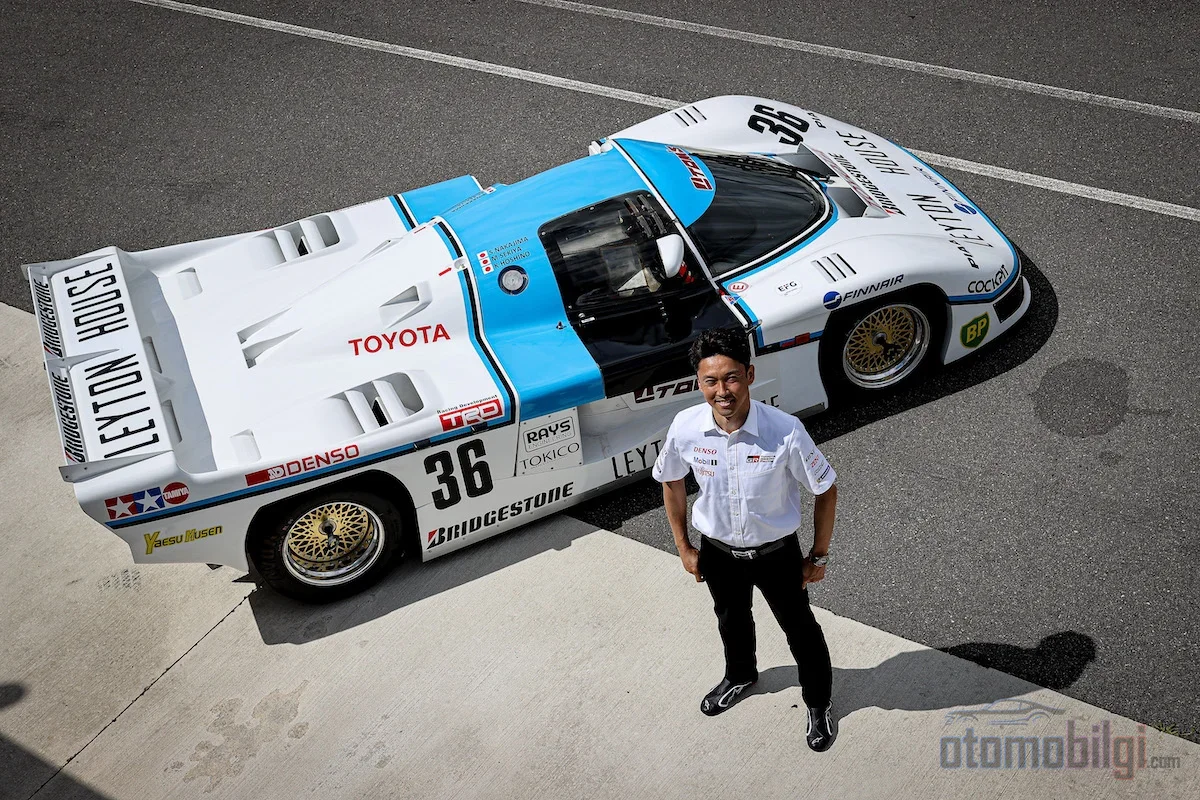
Why Couldn't Toyota Win Le Mans for Years?
Toyota couldn't win Le Mans from 1985, when it first tried, all the way to 2018 - that is, it failed for 33 years - even though it proved for most of that period that it was one of the fastest, if not the fastest, car on the grid. So the answer isn't…
Read More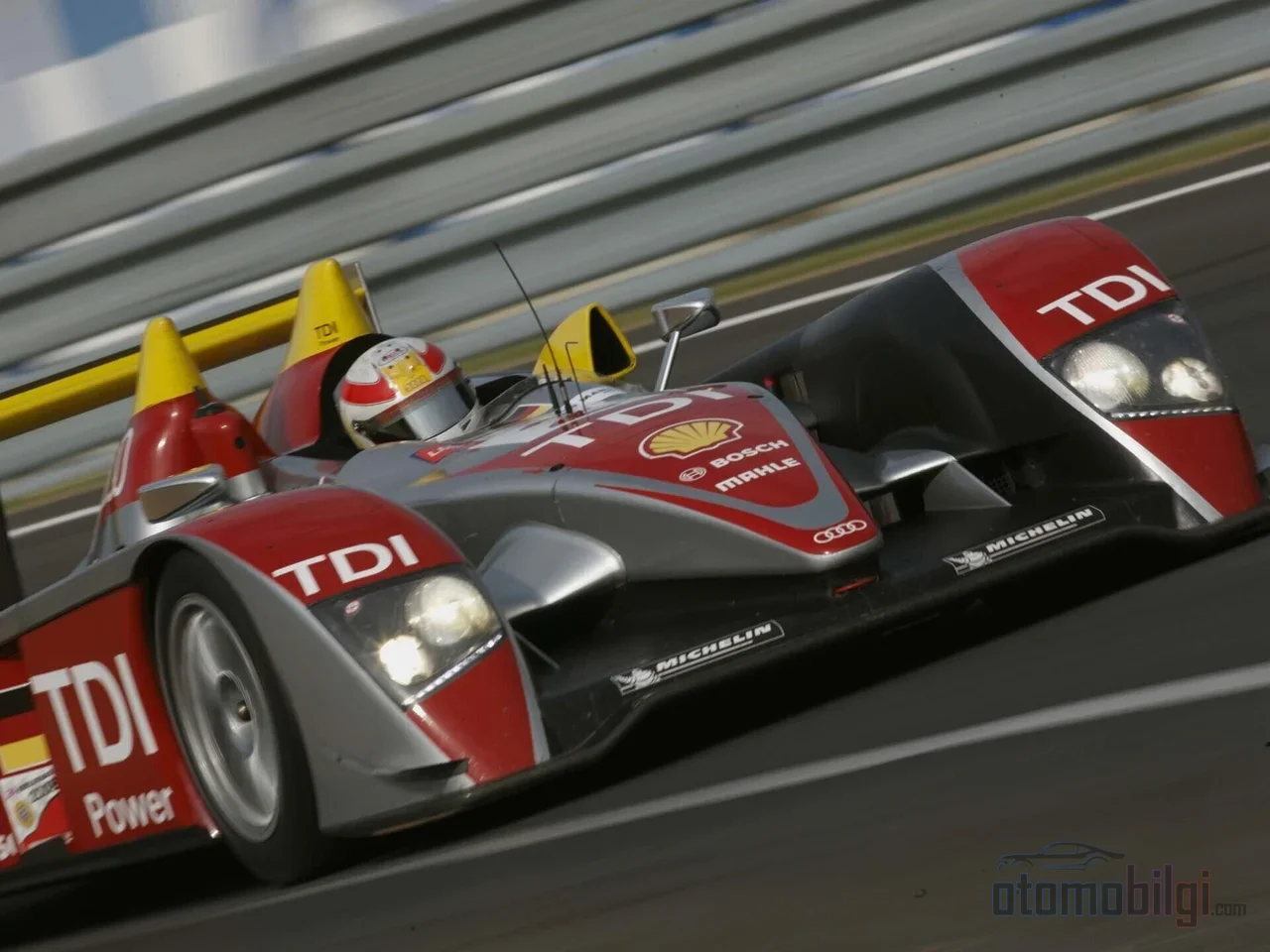
How Audi Locked Down Le Mans for a Decade
Audi won Le Mans a full 13 times between 2000 and 2014, achieving a crazy win rate of 72% when you look at the years it entered. It built this dominance not with a single legendary car, but with an unbroken chain formed by the R8's petrol era, the R1…
Read More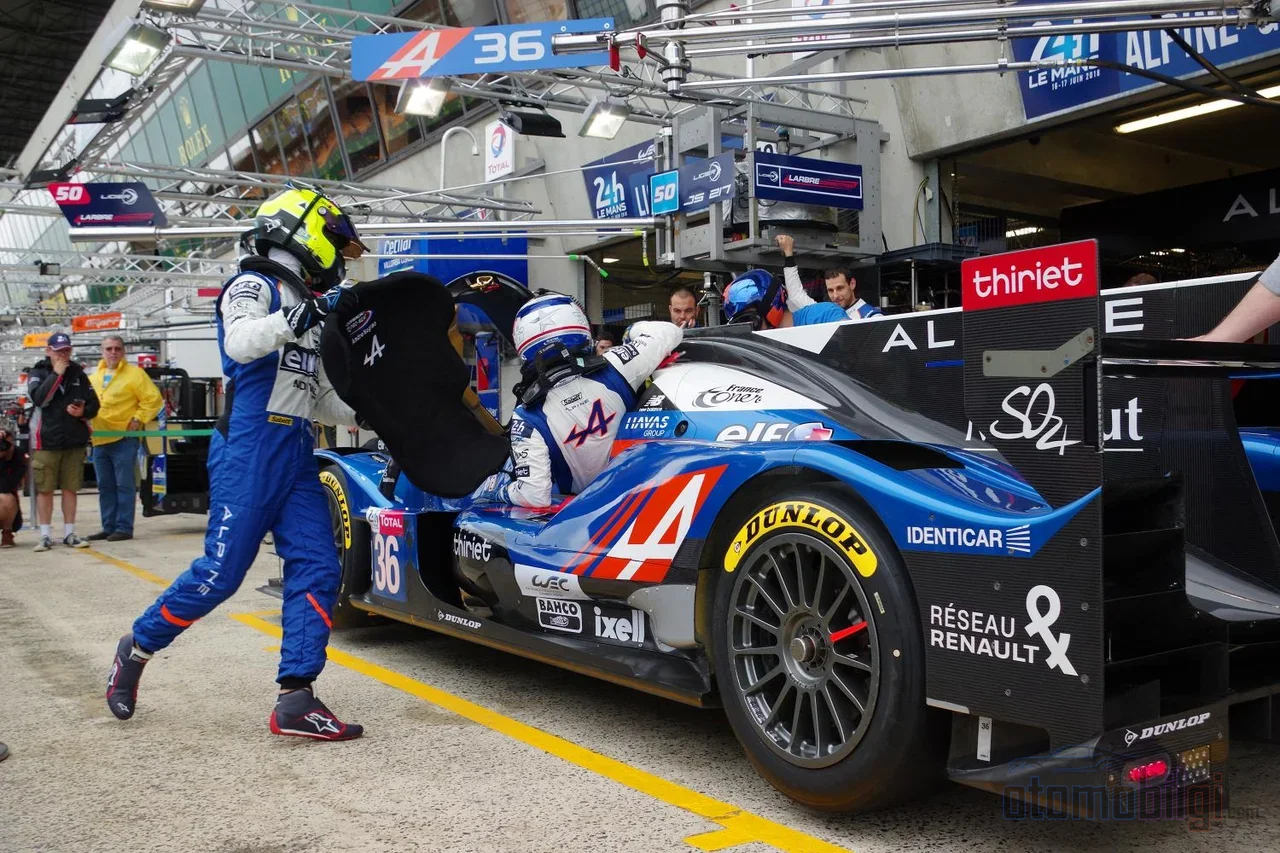
24 Hours at Le Mans: How Is Driver Fatigue Managed?
At the 24 Hours of Le Mans, driver fatigue is a factor that determines the race's fate just as much as the car: every car must have at least three drivers, no one may be behind the wheel for more than four hours within a six-hour window, and the tota…
Read More