Music Video Cars: The Beloved Automobiles of Music Videos
Share This Page
Cars that rose to stardom in music videos are the vehicles that shape a song's visual memory: Since MTV launched in 1981, cars in music videos have been more than just accessories; they have been markers of wealth, culture, and geography. From Dr. Dre's lowrider to JAY-Z's Pagani Zonda, on this page you'll find the screen's most legendary four-wheeled stars.
Highlights
- MTV launched in 1981, and cars have been one of the favorite stars of music videos ever since.
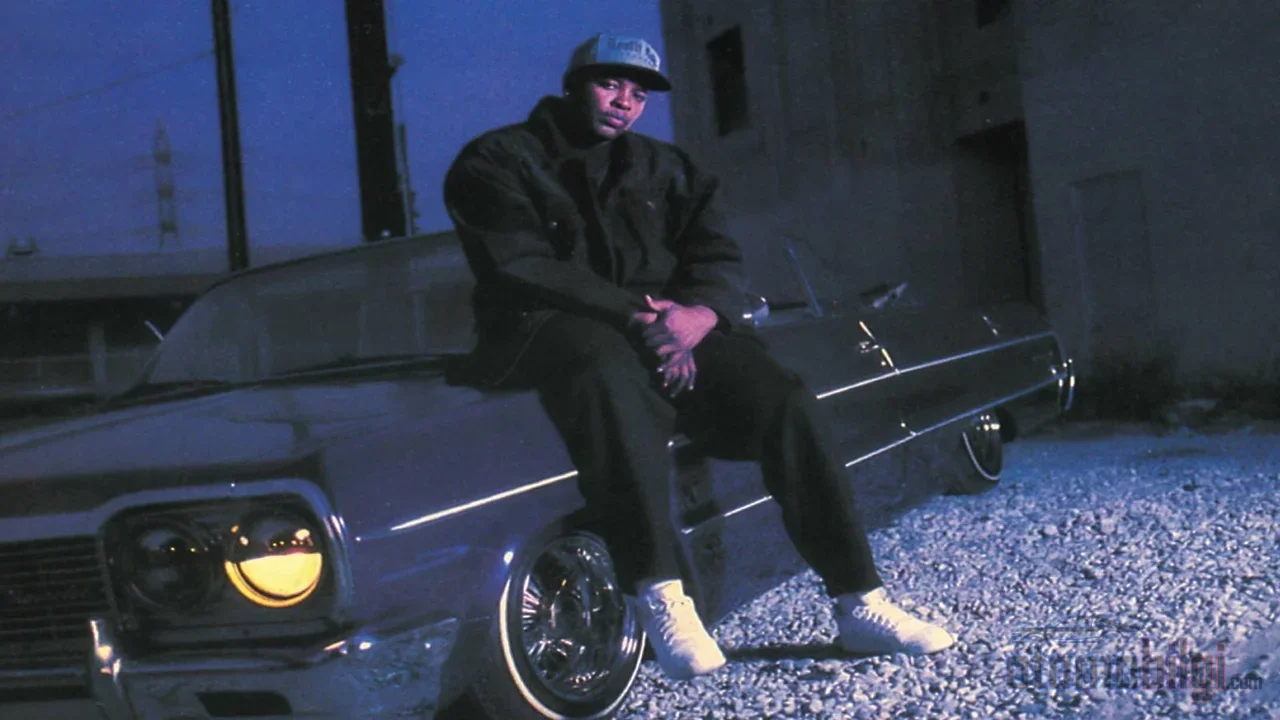
- Dr. The 1964 Chevrolet Impala in Dre and Snoop Dogg's Let Me Ride video became a symbol of lowrider culture.
- In JAY-Z and Ye's Otis video, a $400,000 Maybach 57 was deliberately destroyed.
- Legends like the Ferrari F40, Lamborghini Diablo, and McLaren F1 GTR played starring roles in music videos.
- Chevrolet and Ford top the list of the most visible brands in hip-hop videos.
Why Are Cars So Important in a Music Video?
Just think: you're listening to a song, but what sticks in your mind sometimes isn't the chorus, but that cream-colored Mercedes gliding past the camera or that bouncing Impala. Music videos play a central role in an artist's career, and cars are one of the most powerful words in this visual language. In some videos the car is a symbol of luxury, in others the flag of a subculture, and sometimes an expression of pure vintage passion.
The most interesting part is that almost everyone instantly decodes what the cars are saying. A vintage Chevrolet Impala automatically takes you to the West Coast's low-rider culture; from a 1990 Lincoln Town Car with huge protruding wheels, you can read the streets of Houston. So the car doesn't just sit there in the video - it tells a story. I think that's one of the smartest things about music videos: a single car model can sum up an artist's origins, heritage, and stance in a single frame.
From Lowriders to Supras: The Legendary Cars of Hip-Hop Music Videos
Hip-hop is, I'd say, the heart of car culture in music videos. One of the strongest examples is Dr. Dre and Snoop Dogg's 1993 Let Me Ride video: a 1964 Chevrolet Impala, or "six-four" in street lingo. Lowrider culture was born from Southern California's Chicano culture; lowering cars, cruising slowly, and hopping on their tires to draw admiration are rituals of this culture. The Impala's glide in the video was like a visual lesson introducing that culture to the world in one go.
The Houston side moves with a completely different aesthetic. Mike Jones' 2005 Still Tippin' video showcases the city's "slab" culture: glossy candy paint, massive sound systems, and 30-spoke, outward-protruding "swangas" wheels. For those seeing these wheels for the first time, let me explain: they're spokes woven like wire mesh, weighted and protruding outward from the rim. With cars being such a hot topic in the city, it was impossible for them not to appear in music videos.
Exotic Obsessions: Diablos, Zondas, and Fleets
Some artists think one car isn't enough, so they bring a whole fleet to the video set. The video for Big Tymers' 2000 track #1 Stunna is exactly like this: a fleet of more than 14 vehicles appears on screen. Exotics like the Lamborghini Diablo VT Roadster and Rolls-Royce Silver Seraph line up alongside accessible cars like the Dodge Viper and even the PT Cruiser. The idea is clear: to show both dreams and real life.
Jamiroquai's 1996 video for Cosmic Girl is also like a supercar museum: a 1987 Ferrari F40, a 1994 Ferrari F355 Berlinetta, and a 1994 Lamborghini Diablo SE30. Two Diablos were used, and one of them was reportedly crashed and totaled during filming; my heart aches when I hear that story, I admit. JAY-Z, meanwhile, took things to Monte Carlo in 2006 with Show Me What You Got: accompanied by a Pagani Zonda Roadster and a Ferrari F430 Spider, IndyCar driver Danica Patrick and NASCAR driver Dale Earnhardt Jr. took the wheel in the video. In the director's chair sat F. Gary Gray; a JAY-Z video where racers do the driving - what more could you want?
And then there's one of the boldest moves in the field: the 2011 video for Otis by JAY-Z and Ye. In the video directed by Spike Jonze, a $400,000 Maybach 57 is cut and carved up with a blowtorch and saw, transformed into a "Mad Max"-style muscle car. The debate over whether this deliberate destruction is performance art or simply wealth squandered with ease still continues. My take: the car died, but the footage became immortal.
Unforgettable Video Cars on the Rock and Pop Side
The rock front hasn't exactly neglected itself, of course. In Gorillaz's 2010 video for Stylo, the animated band members flee in a 1969 Chevrolet Camaro while Bruce Willis, on their tail, is at the wheel of a 1968 Chevrolet El Camino. It's even said that the song's title was inspired by that very Camaro; a car with a song named after it is quite something. In Kavinsky's 2012 video for ProtoVision, the artist's own 1989 Ferrari Testarossa turns into a chase scene with a 1978 Ford Mustang II in pursuit.
Classics never go out of style either: ZZ Top's 1934 Ford known as the "Eliminator" and the footage from Whitesnake's Here I Go Again video always rank high on readers' lists. The 1969 Buick Electra 225 in Sir Mix-A-Lot's My Hooptie, on the other hand, is proof of a completely different approach: not exotic, but its character is undeniable. In the 2021 video for LEMONHEAD, Tyler, the Creator blended these two worlds: a 1938 Rolls-Royce Wraith, a pink Fiat 131 Abarth, a Lancia Delta HF Integrale, and a McLaren 675LT came together in the same frame. That variety tells me more about Tyler's tastes than his garage.
The Screen Fate of the Passion for Speed: Tuner Culture and Race Cars
The 2001 release of Fast and Furious made Japanese import and tuner culture mainstream in the US, and music videos picked up on it immediately. Ludacris' 2003 Act a Fool video put the JDM cars of 2 Fast 2 Furious on stage: Nissan Skyline GT-R R34, Honda S2000, Mitsubishi Lancer Evo VII, and Toyota Supra MkIV. For those who don't know the acronym JDM: Japanese Domestic Market - meaning those legendary models sold in Japan, the beating heart of tuner culture. The "muscle car or JDM" debate still rages on today; some say Fast and Furious turned itself toward this culture, but I'm glad both found a place in the video.
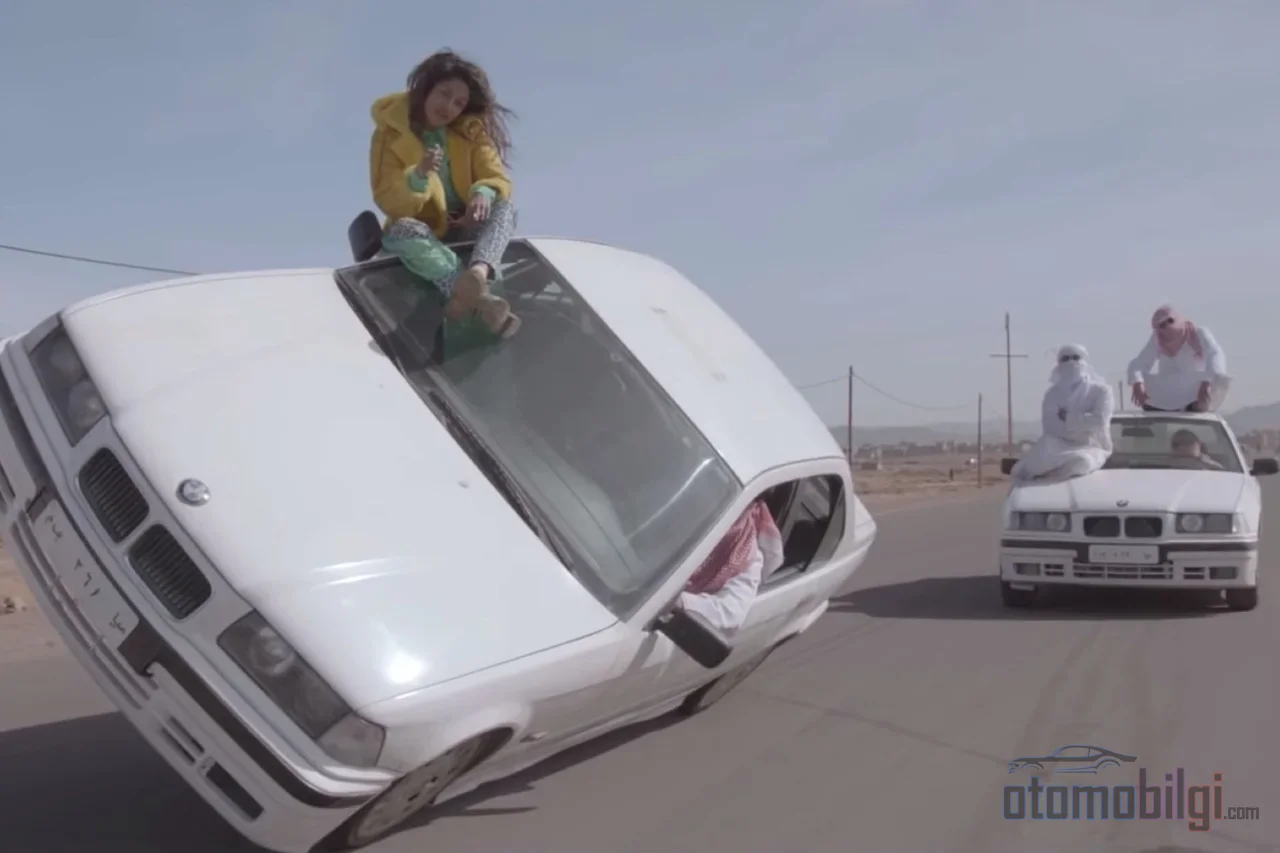
There are also big inspirations from the racing world. Frank Ocean's 2016 Nikes video features real racing machines like the McLaren F1 GTR "Longtail", Audi R8 LMP, and Aston Martin DBR9; most of the cars came from racing driver Roald Goethe's garage and had genuinely competed at the 24 Hours of Le Mans. I can't remember another example where the line between video car and real race car got this thin. M.I.A.'s Bad Girls is a whole different example of boldness: Inspired by Saudi Arabia's "sidewall skiing" culture, the video was shot in Morocco and supported the movement against the ban on women driving; the ban was lifted in 2018. It's rare for a music video to make its social impact felt so tangibly.
Brands and Artists: Paid Partnerships or Genuine Passion?
Now let's come to the commercial side of things. It's known that paid brand integrations are common in the videos of names like Lady Gaga, Beyoncé, Jennifer Lopez, Britney Spears, Justin Bieber, and Flo Rida. In other words, a contract may have been signed for that shiny new car you see on screen to appear in front of the camera. Are you surprised? I was never surprised; music videos are productions too, and a production's budget shows itself.
But there are some examples that completely overshadow marketing. OK Go equipped a Chevrolet Sonic with more than 1,000 instruments for their Needing/Getting video and performed the song while playing the car itself. This isn't product placement; it's an absurdly creative engineering feast. And music videos have loyal fans: Nas, Eric B. & Rakim's 1987 I Ain't No Joke video, bought his own 190E in 2017. Drake and Future, meanwhile, winked at the Dakar Yellow image of Prince's 1991 BMW 850i in their Way 2 Sexy video. That's how passion for cars is passed down from generation to generation.
Exotic or Characterful? The Great Debate of Car Choice in Music Videos
So what makes a music video car a star? For some, the answer is simple: Make it a Lamborghini or a Ferrari. But one group argues the exact opposite, championing vintage JDM and European sports cars against the glitz of supercars. One of the most beloved examples in reader lists is the East German-built Melkus RS 1000 that appears in the A Touch of Class video: Only 101 units were produced between 1969 and 1979 in Dresden, and it carries a three-cylinder two-stroke Wartburg engine. A car that doesn't cost a tenth of a Lamborghini but makes everyone who sees it ask, "what on earth is that?" In my view, this is the golden rule of car selection in music videos: you can be exotic, but you must have character.
From Music Videos to Culture: How Did These Images Change the Automotive World?
Music videos have become the showcase of car culture. Thanks to these visuals, lowriders traveled from Southern California to the world, the slab aesthetic went from Houston to the screen, and tuner culture went from Japan to Hollywood. Just as Fast and Furious made import culture mainstream, music videos are carrying models to icon status. Even the ranking showing that Chevrolet and Ford are the most visible brands in hip-hop videos demonstrates the weight these visuals carry on culture: artists keep returning to the American classic.
Ye's 2019 Follow God video shows another side of this: He drives around his 3,888-acre ranch in Wyoming in a SHERP ATV, and that unusual vehicle then appeared in a McDonald's Super Bowl commercial as well. A music video car leaping into a commercial is small proof of how images circulate across cultures. If it were you, which car would you cast in the lead role of a music video? I think you should open the list, play your favorite song, and take a look at the story of those cars; it will feel more enjoyable than browsing garages.
The bottom line is this: cars that become stars in music videos are remembered just as much as the songs. A Maybach can be cut in half with a saw, a Diablo can end up in a junkyard, but that frame on the screen lasts forever. Cars in music videos are not merely props; they are the four-wheeled ambassadors of culture, heritage, and passion. Next time you watch a music video, pay attention to the car in the background - it will tell you more than the song.
Sources
- A Guide to the Most Iconic Autos in Music Video History
- These Are The Best Cars In Music Videos
- Music videos where the vehicles are the REAL star. : r/cars
- The top 8 cars that appeared in music videos
- Why Do Music Videos Look Like Car Porn?
- Check Out the Most Popular Car Brands in Music Videos
- The 50 Coolest Cars in Rap Video History
- Let me ride – the 10 greatest car songs and videos in Hip-Hop history
- The 23 Greatest Car-Starring Music Videos