Infotainment and Connectivity
Share This Page
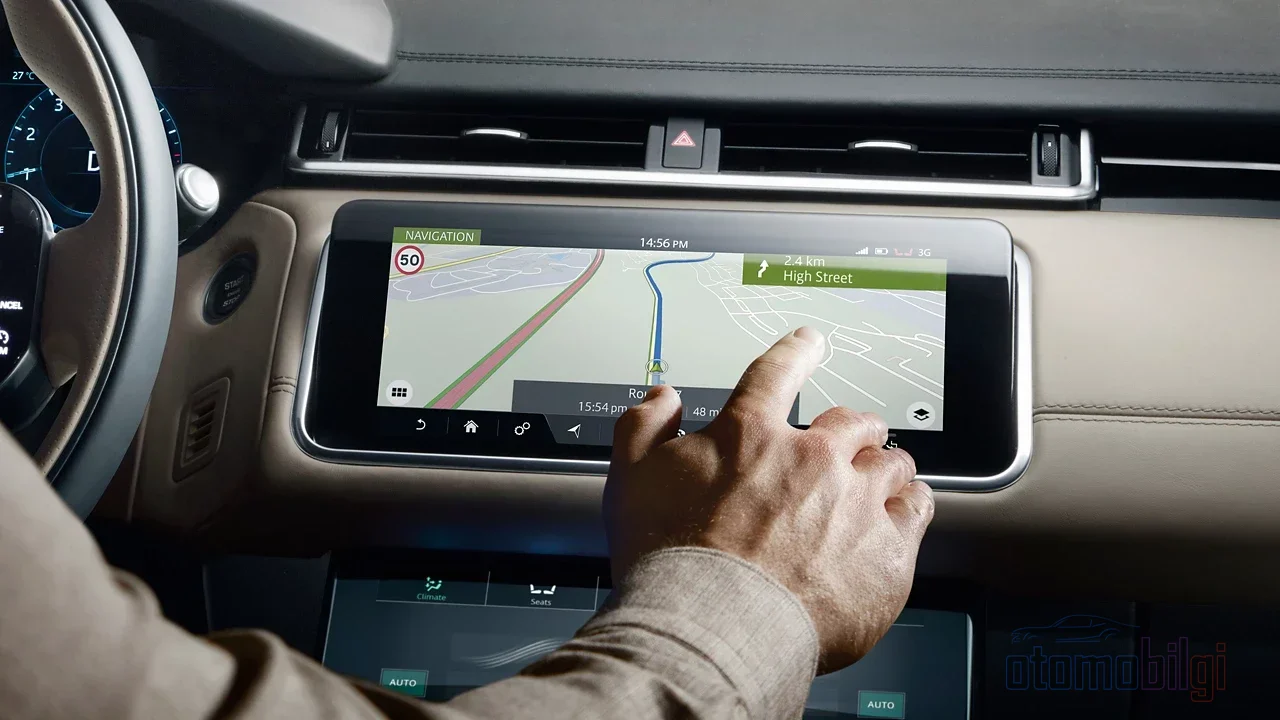
Why Does the Navigation Map in Your Car Stay Older Than the One on Your Phone?
The navigation map in your car becomes outdated compared to the one on your phone, because embedded systems use licensed offline map data; updates come between once and four times a year compared to the app on your phone, and sometimes they are sold …
Read More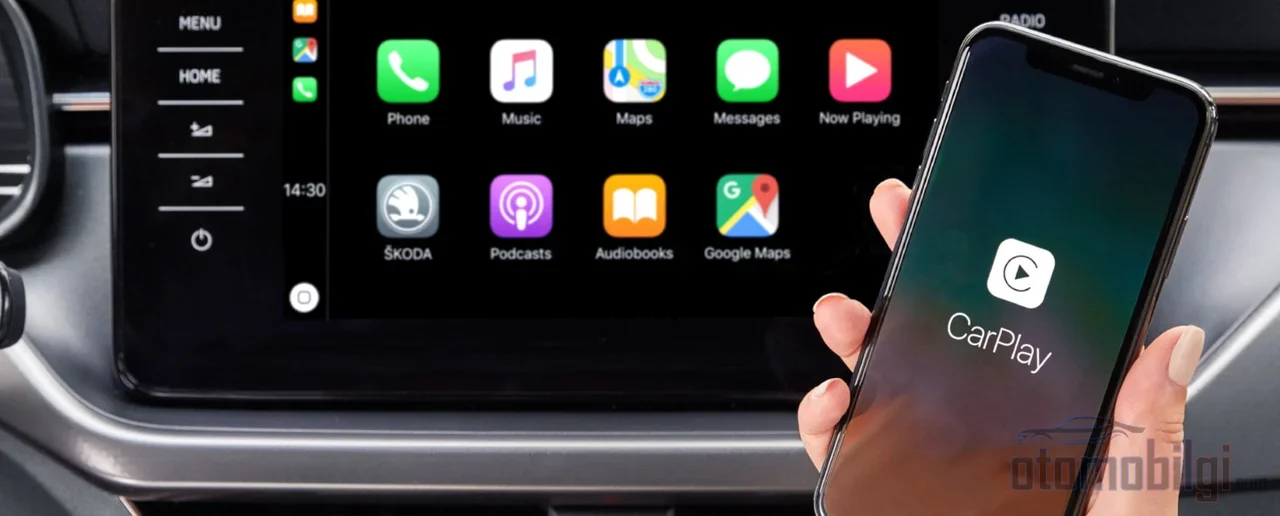
Does CarPlay and Android Auto Live on Your Phone or in the Car?
Most car apps run on the phone: CarPlay and Android Auto use the phone's processor and simply display the car's screen as a monitor. However, in built-in systems like Android Automotive OS, apps run directly on the car's own processor and operating s…
Read More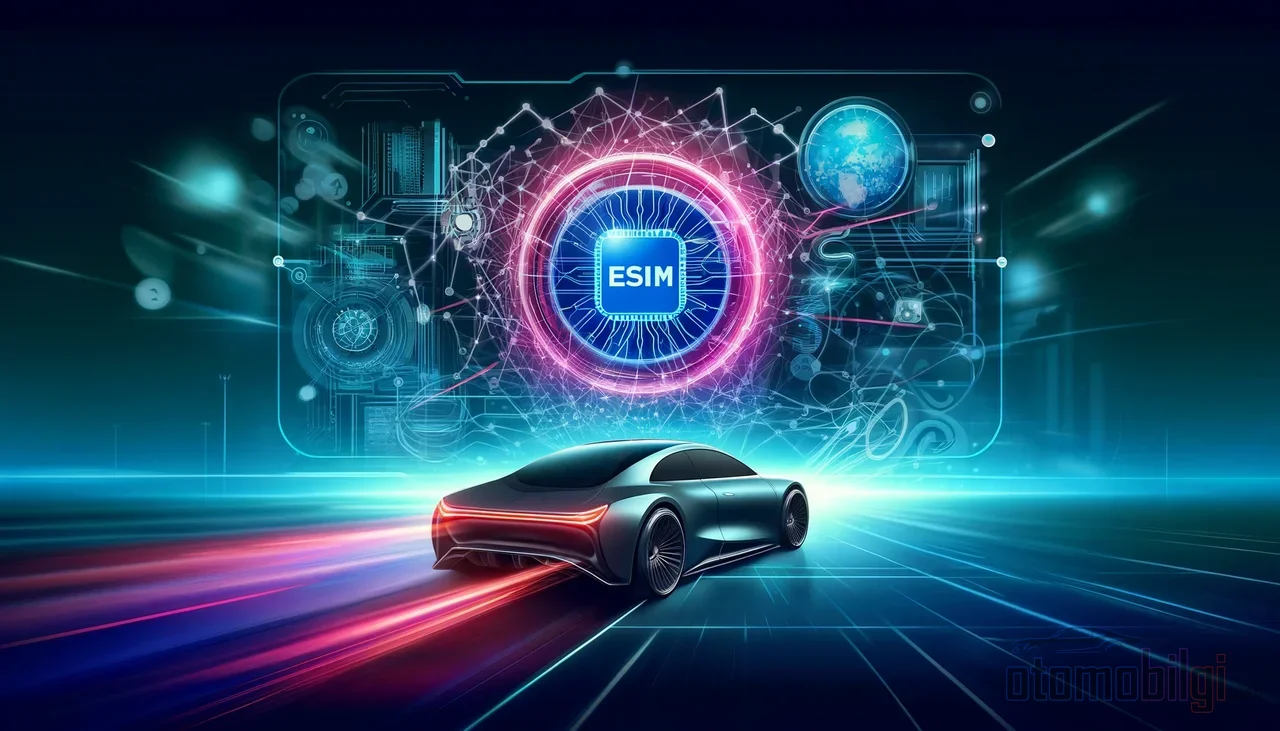
What Does an eSIM Do in a Car
The eSIM in a vehicle is a SIM chip embedded in the telematics control unit and soldered in place during production; it is the cellular internet source that enables systems like wireless CarPlay and Android Auto connectivity, OTA software updates, li…
Read More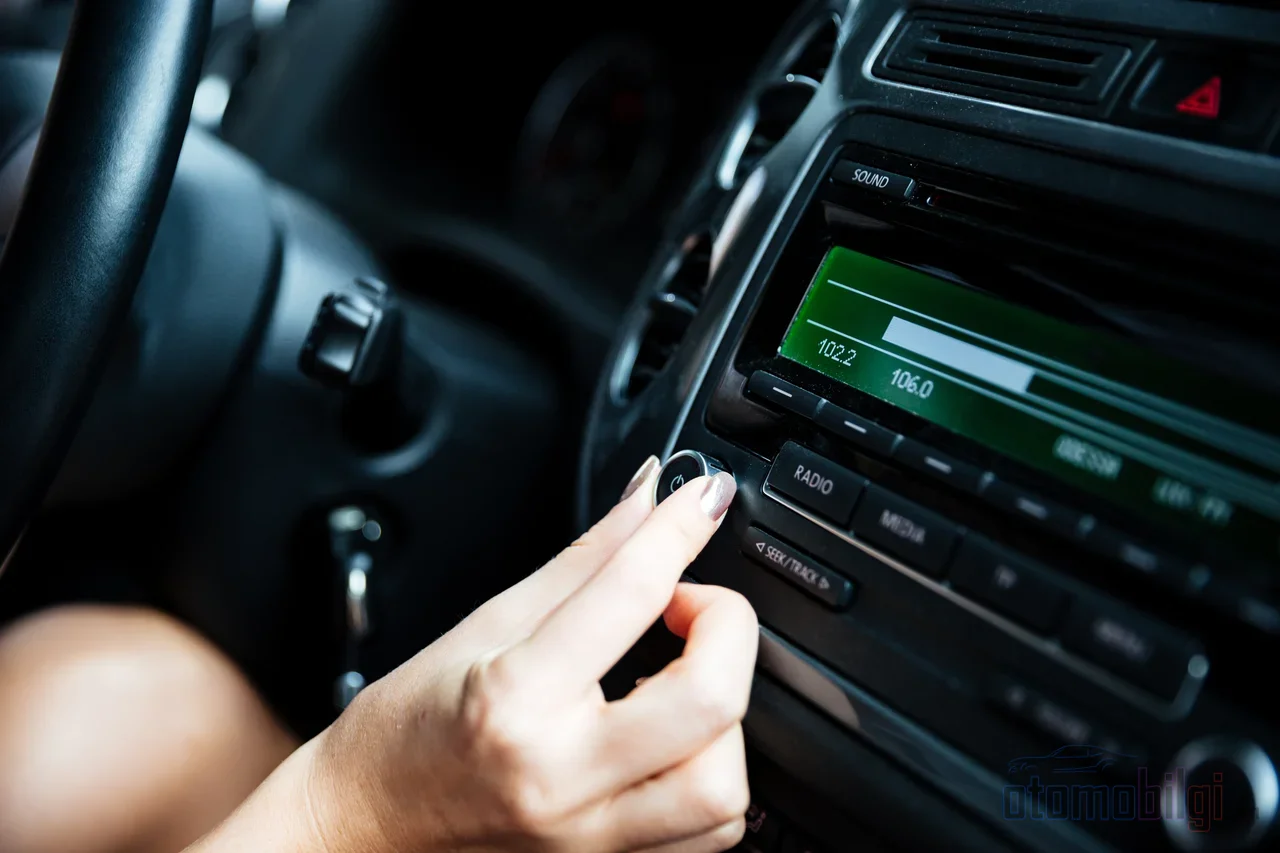
Why Is Bluetooth in a Car a Barrier to Sound Quality?
Bluetooth technically degrades sound quality inside a car: no Bluetooth audio codec is lossless, and most vehicles work with SBC, the most basic codec that both devices can agree on. So the music on your phone is compressed before it goes over the ai…
Read More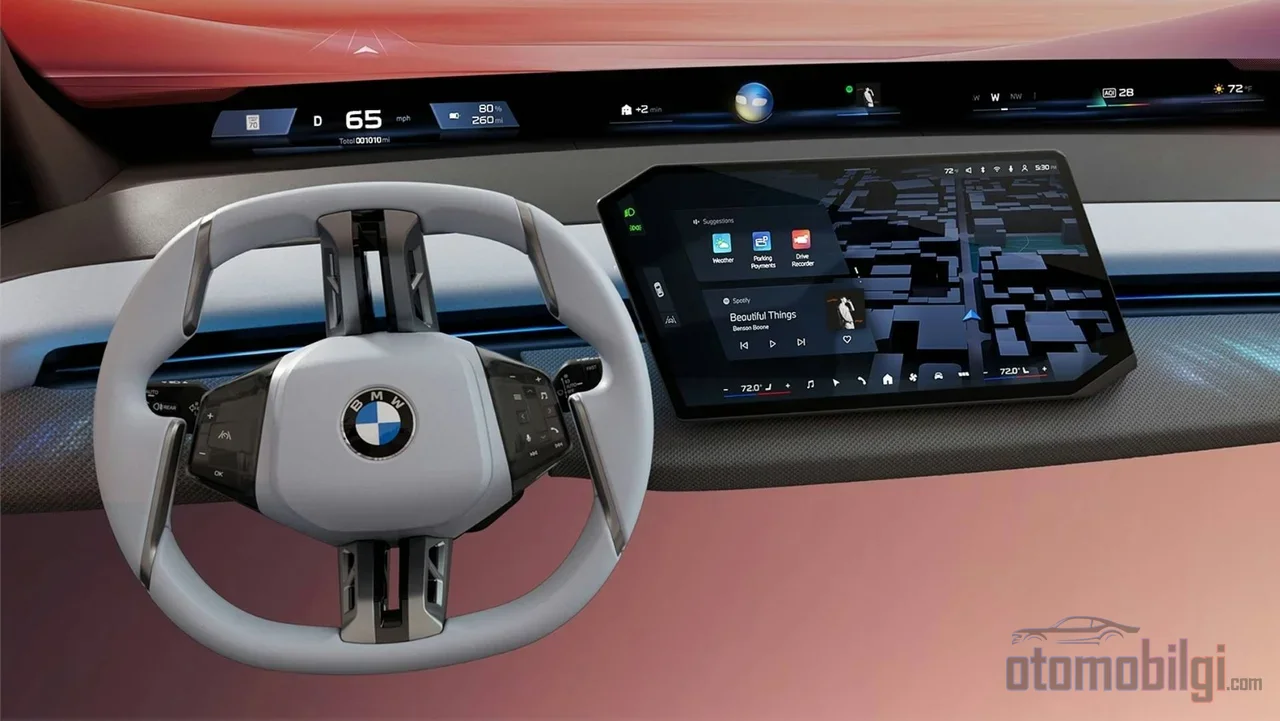
Why Doesn't Your Car Have Every App From Your Phone?
With hundreds of apps on your phone, why do only a handful of apps work on a car screen? The short answer is this: the car screen is not a free app store like your phone; it is a platform subject to strict rules, designed so that the driver's eyes ne…
Read More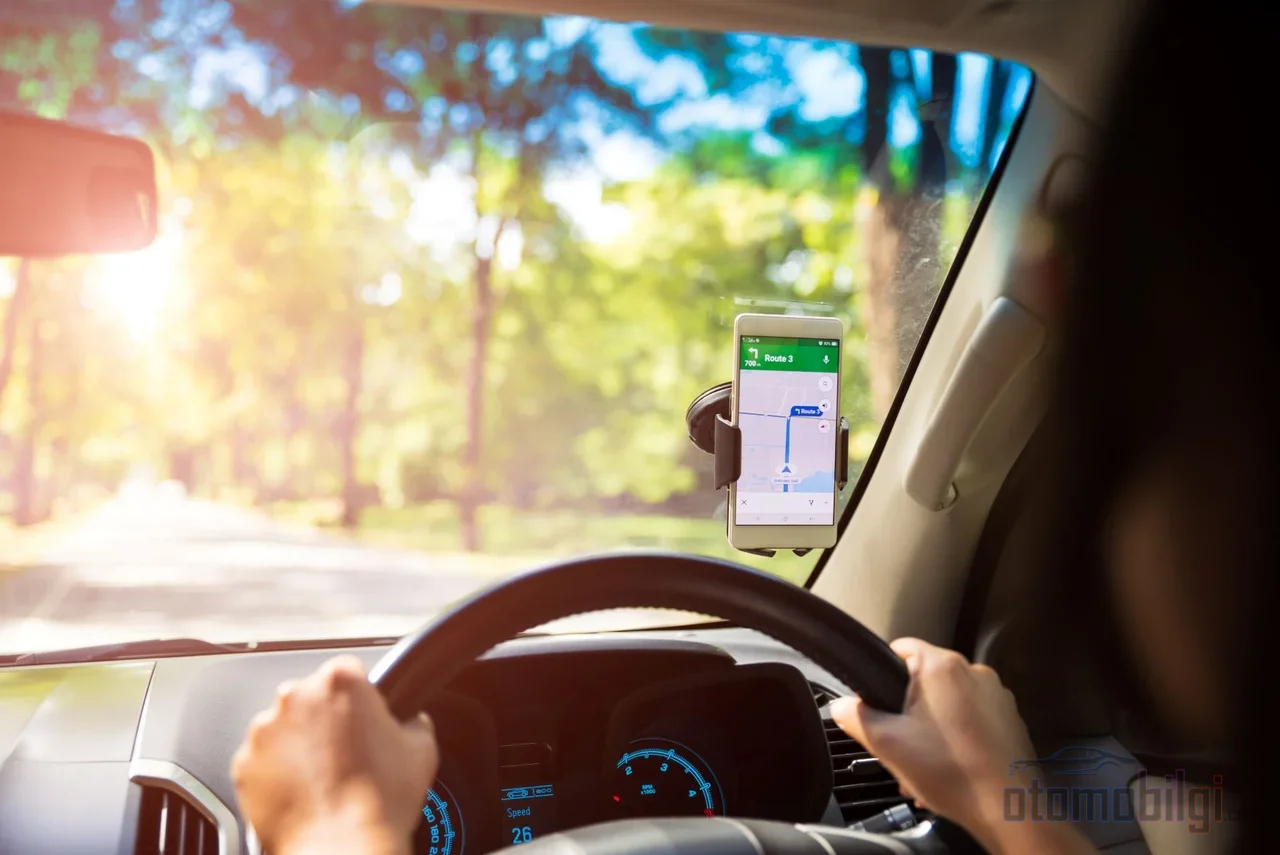
Does In-Car Navigation Work Better on Your Phone or on the Screen?
Short answer: For most drivers, phone navigation - that is, maps mirrored to the screen via Apple CarPlay or Android Auto - is a better primary choice in terms of up-to-date traffic data and practicality. Built-in navigation is still a serious conten…
Read More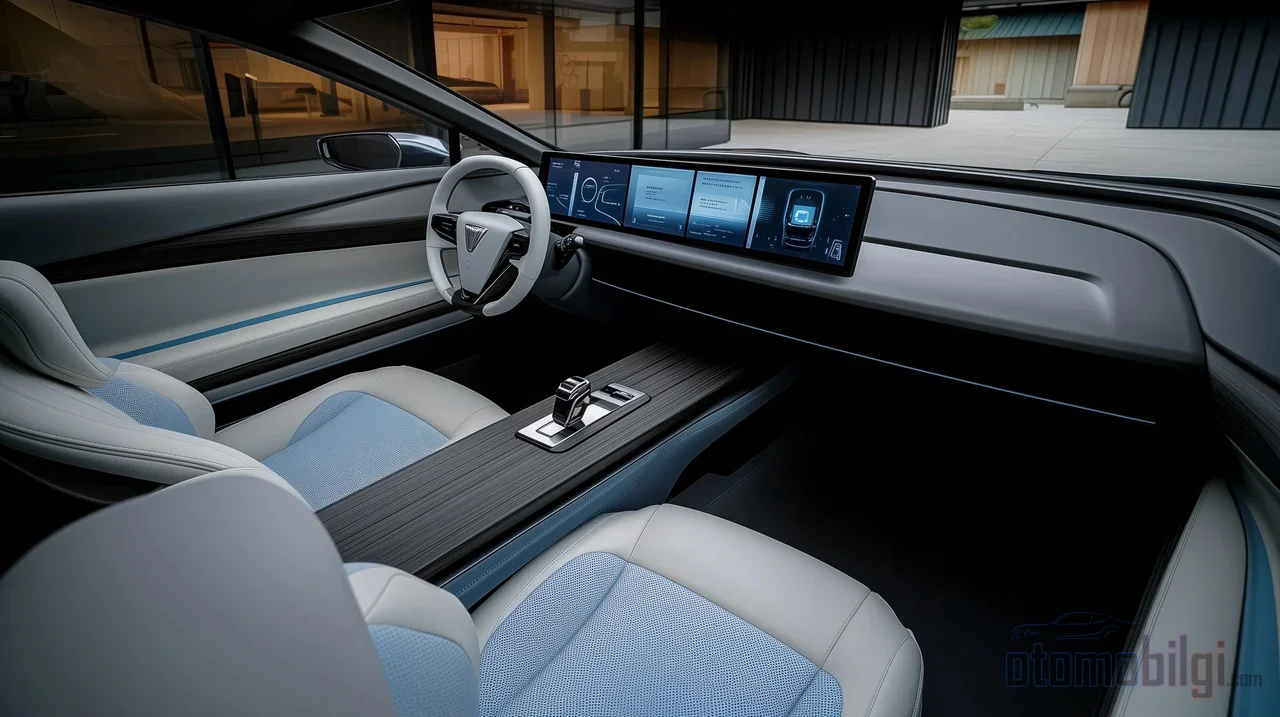
Why Does a Digital Instrument Cluster Carry Much More Information Than an Analog Clock?
A digital instrument cluster replaces the needle gauges and warning lights behind the steering wheel with a single LCD/TFT screen; this way, speed, fuel, navigation and driving assistance information are shown not in a fixed layout, but in a shifting…
Read More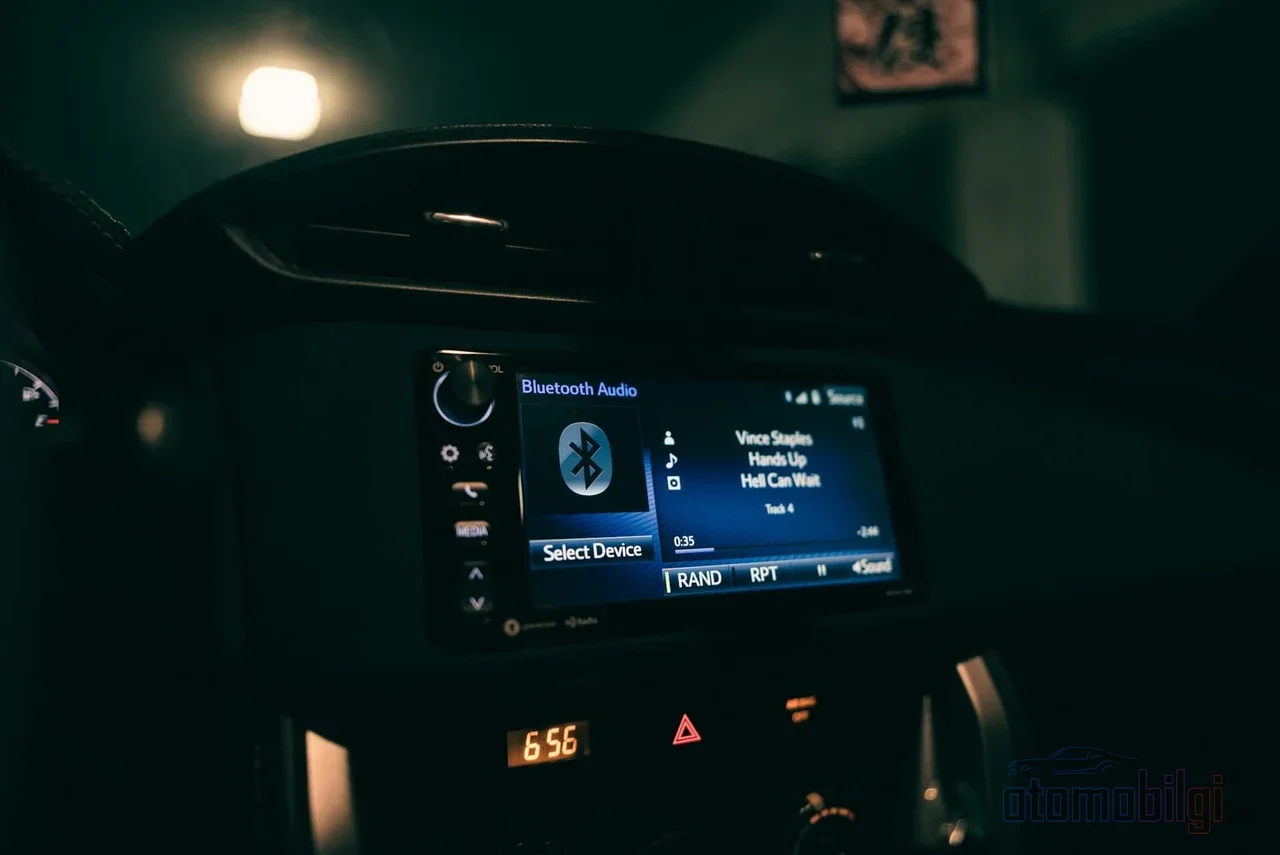
Why Does the Voice Assistant in the Car Work Slower Than the One on Your Phone?
The voice assistant in your car is slower than the one on your phone and learns far less; because most commands cannot reach the internet and are processed by a small computer inside the vehicle. The assistant on your phone draws power from massive s…
Read More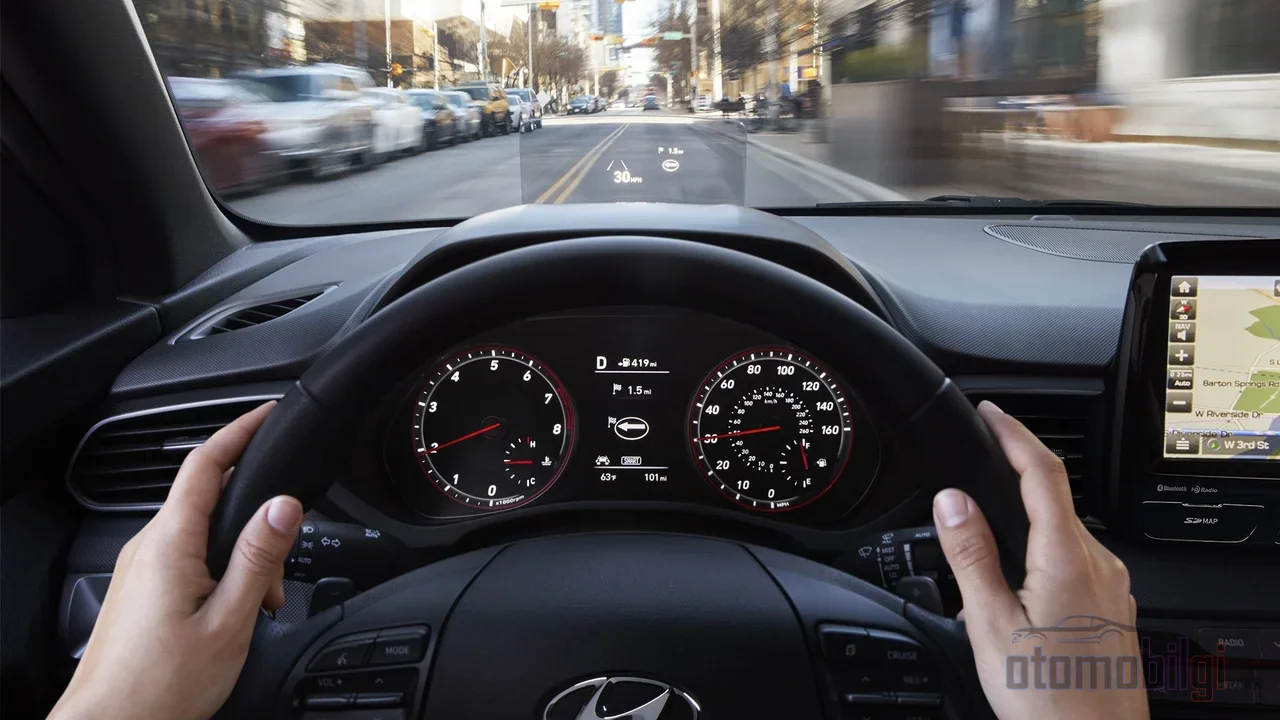
Does the Head-Up Display Really Help the Driver?
A head-up display (HUD) is a display system that projects speed and navigation information onto the windshield or a small panel, allowing the driver to read information without taking their eyes off the road. Seeing your speed directly on the glass i…
Read More
OTA Updates: How Is Your Vehicle Remotely Renewed?
OTA, or "over-the-air" updating, is the wireless renewal of your car's software: like an update arriving on your phone, the car downloads new software over Wi-Fi or a cellular connection and usually installs it while parked. This way, many things lik…
Read More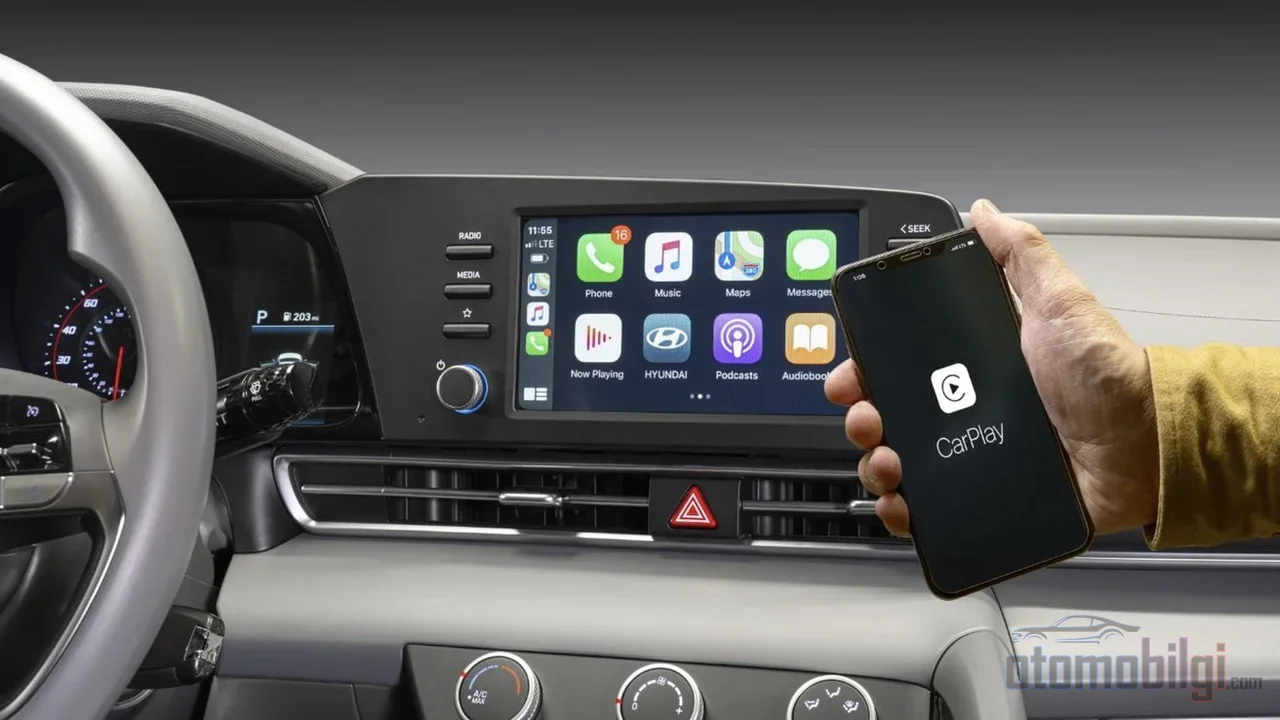
Wireless CarPlay and Android Auto: What to Expect on Your Car's Display?
Wireless CarPlay and Android Auto are systems that let you use navigation, music and messaging on your car's screen without plugging your phone into a cable; they connect via Bluetooth pairing and transfer data over Wi-Fi. A wired connection is still…
Read More